Succulent Plant Garden Design | Container Arrangements, Flower Beds, and Rock Gardens
Explains the design principles of outdoor flower beds, rock gardens, and container arrangements, as well as how to select cold-hardy varieties.
Key Takeaways
Explains the design principles of outdoor flower beds, rock gardens, and container arrangements, as well as how to select cold-hardy varieties.
Related Species
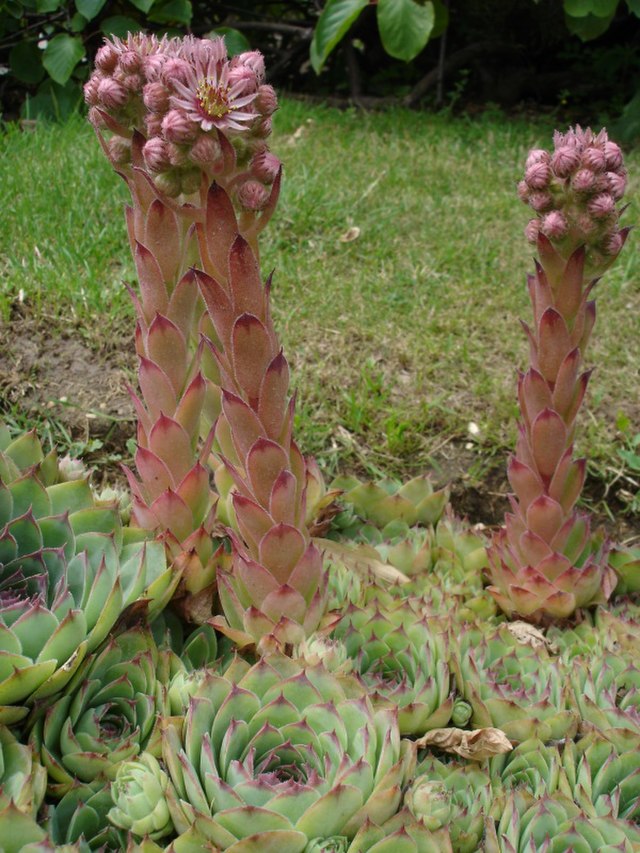
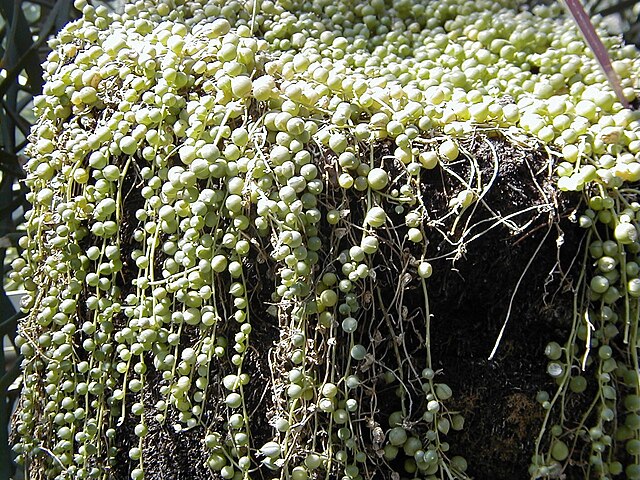
While succulent plants are popular as indoor decorative greenery, they also hold tremendous potential for outdoor garden design. Rock gardens, flower beds, and container arrangements showcase the distinctive sculptural beauty unique to succulents, creating worlds entirely different from typical flowering plants. This article offers practical guidance on everything from container arrangement basics to rock garden construction and selecting cold-hardy varieties.
The Appeal and Characteristics of Succulent Gardens
Compared to typical flower beds, succulent gardens possess their own unique charm.
- Low Maintenance: Watering is infrequent, and once planted, they require minimal care. Even busy individuals and gardening beginners can easily manage these gardens
- Seasonal Variation: From spring's fresh growth to brilliant autumn and winter foliage, you can enjoy the beauty of form year-round, not just when plants are in bloom
- Abundant Texture: Plump leaves, rosette forms, and cascading stems offer an extraordinary variety of shapes, creating designs with depth when combined thoughtfully
- Color Diversity: Beyond green, succulents display an impressive color palette including blue, purple, pink, and red
- Environmental Consideration: With minimal water requirements, succulent gardens represent sustainable, water-conscious gardening gaining global attention
Basic Principles of Container Arrangement Design
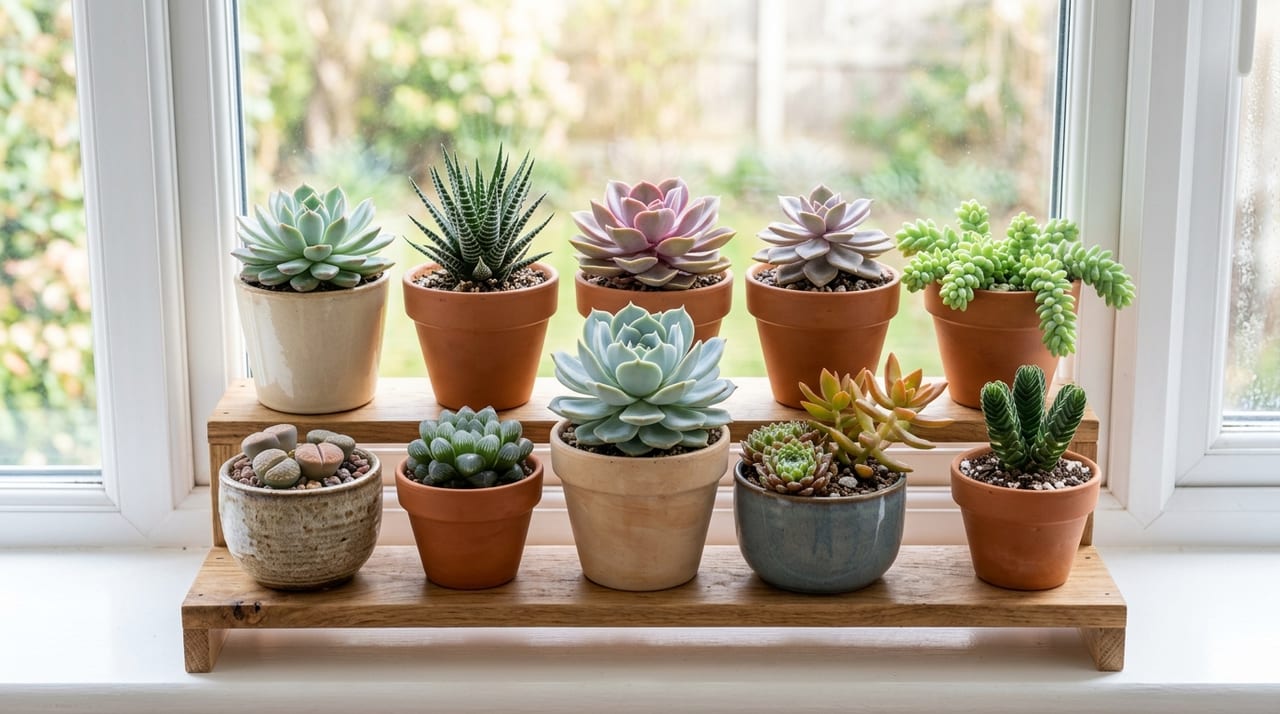
Succulent container arrangements are the easiest way to begin garden design.
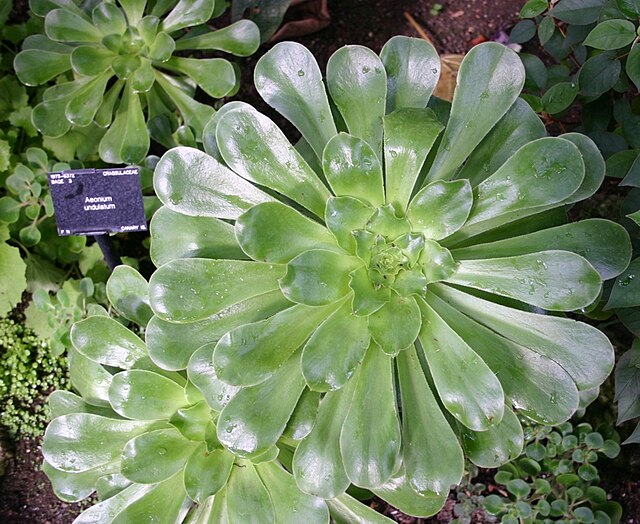
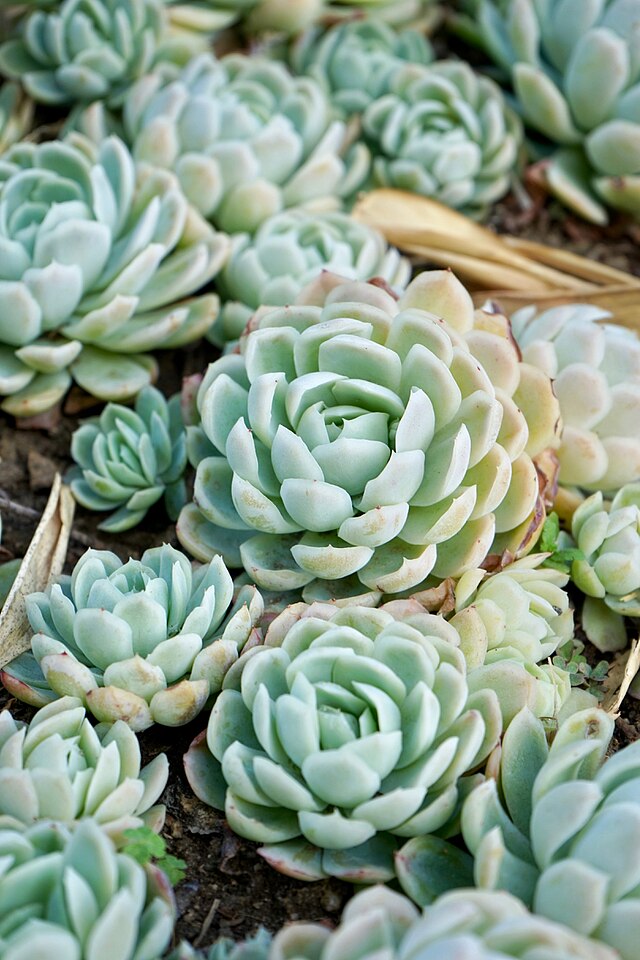
- Thriller, Filler, Spiller: Combine a tall focal plant (thriller), supporting plants to fill gaps (filler), and cascading elements (spiller). Aeonium, echeveria, and string of pearls make an excellent pairing
- Odd-Numbered Groupings: Arranging plants in groups of 3 or 5 creates natural, balanced compositions
- Match Growth Types: Spring-autumn, summer, and winter types have different watering needs, so grouping varieties of the same type simplifies care
- Color Harmony: Decide in advance whether to use monochromatic gradients or contrasting complementary colors
- Visualize Future Growth: Even if there are gaps at planting time, they'll fill in within months. Avoid overcrowding
How to Make a Rock Garden
Rock gardens evoke the native habitat of succulents and represent the most compatible style.
- Location Selection: A sunny spot with excellent drainage is essential. A south-facing slope is ideal
- Stone Selection and Placement: Porous stones like lava rock or granite are recommended. Partially bury larger stones, with the pockets between them becoming planting spots for succulents
- Soil Preparation: Mix garden soil with perlite and pumice (30% or more) to ensure drainage. For clay-heavy soil, excavate at least 30cm deep and replace with prepared soil
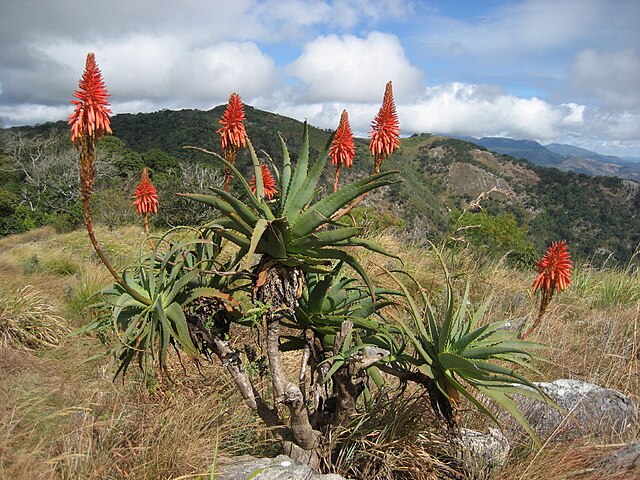
- Layered Composition: Foreground with sedums and sempervivums, middle ground with echeveria, and background with aeonium and aloe to create depth
- Mulching: Spread fine gravel around plant bases to prevent soil splash and create a clean appearance
Outdoor Flower Beds and Ground Covers
Many sedum and sempervivum varieties are well-suited for ground planting.
- Raised Beds: Flower beds 15-30cm high surrounded by brick or stone dramatically improve drainage
- Ground Cover Varieties: Sedum acre and album spread to cover soil and suppress weeds
- Utilizing Steps and Slopes: Planting sedums in gaps between stone steps or holes in blocks transforms sterile spaces naturally
- Planting Season: Spring (March-May) and autumn (September-November) are optimal. Water generously for the first month until roots establish
Choosing Cold-Hardy Varieties
For outdoor gardens, winter survival is the biggest challenge. Selecting cold-hardy varieties is key to success.
- Sempervivum Genus: Survives even below minus 20°C with remarkable hardiness. With varied colors, it's a rock garden staple
- Cold-Hardy Sedums: Varieties like spurium, cauticola, and spectabile recover in spring even after frost exposure
- Orostachys Genus: Japanese native species like Iwarenge are completely adapted to Japan's climate
- Some Echeveria Species: Elegans and secunda tolerate near-freezing, but direct frost damage is possible, so sheltered placement is safer
Confirm your region's minimum temperature and select varieties that can endure it. Testing potted specimens through their first winter outdoors before ground planting the following year is the safest approach.
Seasonal Management Tips
- Spring (March-May): Growth period begins. This is ideal for planting and repositioning. Apply small amounts of slow-release fertilizer. Trim overgrown plants and propagate the cuttings to fill empty spaces efficiently
- Summer (June-August): Heat and humidity are the greatest enemies. Use shade cloth (30-50%) to reduce harsh sunlight and ensure air circulation. Water during cool morning or evening hours
- Autumn (September-November): The most colorful season with brilliant foliage. Perfect time for arrangement adjustments and adding new plants. Gradually reduce watering as temperatures drop
- Winter (December-February): Move non-hardy varieties indoors. Protect outdoor varieties with non-woven fabric or plastic during snow and freezing. Minimize watering
Find Your Ideal Garden Succulents on GrowerDirect
Succulent garden design combines distinctive beauty with ease of care. Both rock gardens and container arrangements are approachable for beginners when you understand the basics. Start small and expand gradually. GrowerDirect connects you with gardening-appropriate cold-hardy and freely-clustering varieties directly from trusted growers. Growers offer guidance on variety characteristics and planting techniques, ensuring comprehensive support for your ideal garden.