Succulent Lighting Guide | Managing Light to Prevent Etiolation
A guide to light requirements by succulent type and management methods to prevent etiolation. Learn proper placement for outdoors, windowsills, and LED lights, how to use shade cloth, and seasonal light adjustments.
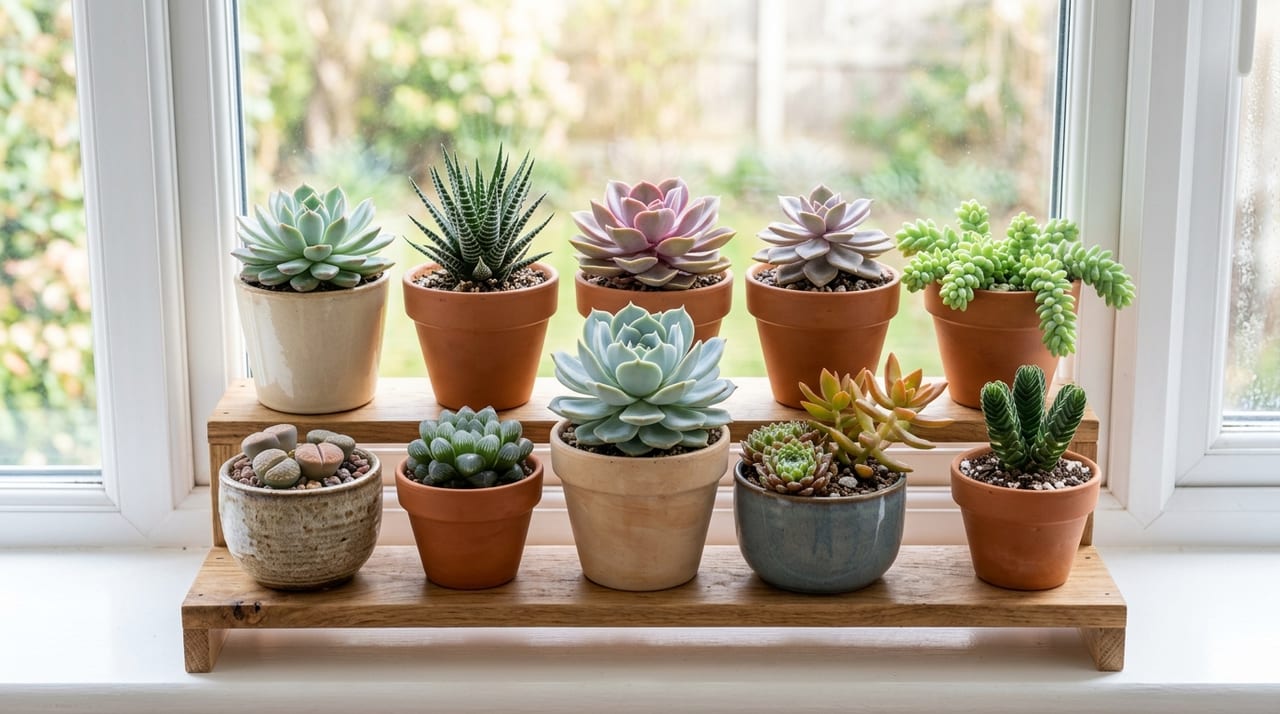
Key Takeaways
A guide to light requirements by succulent type and management methods to prevent etiolation. Learn proper placement for outdoors, windowsills, and LED lights, how to use shade cloth, and seasonal light adjustments.
Related Species
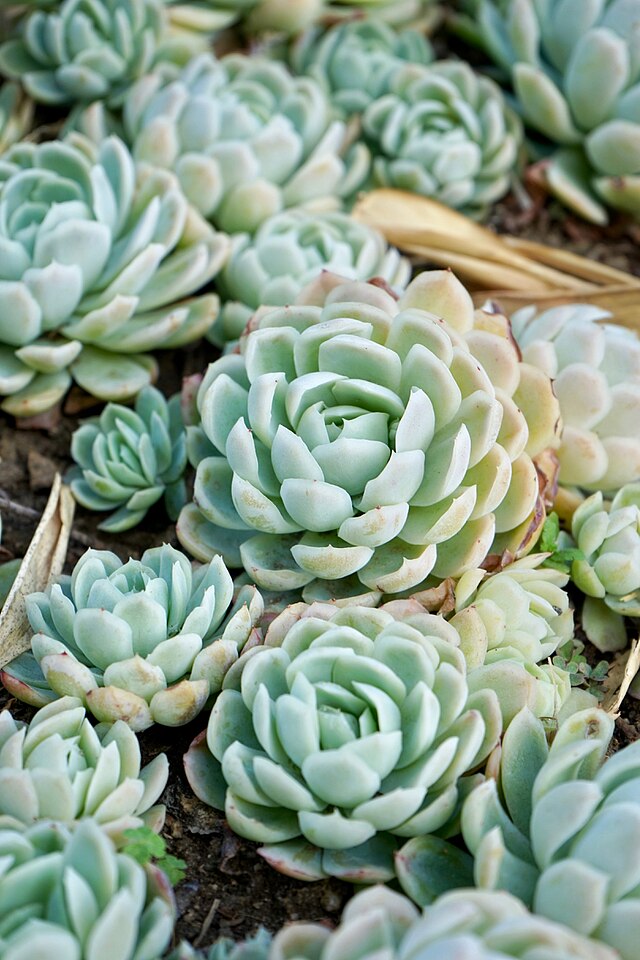
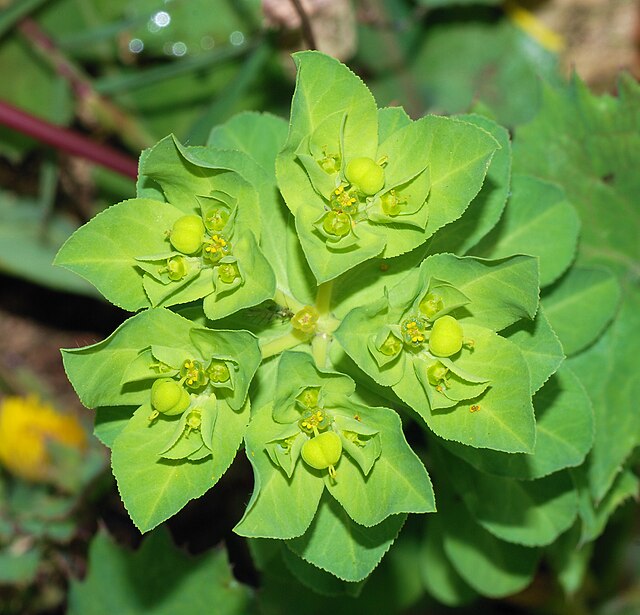
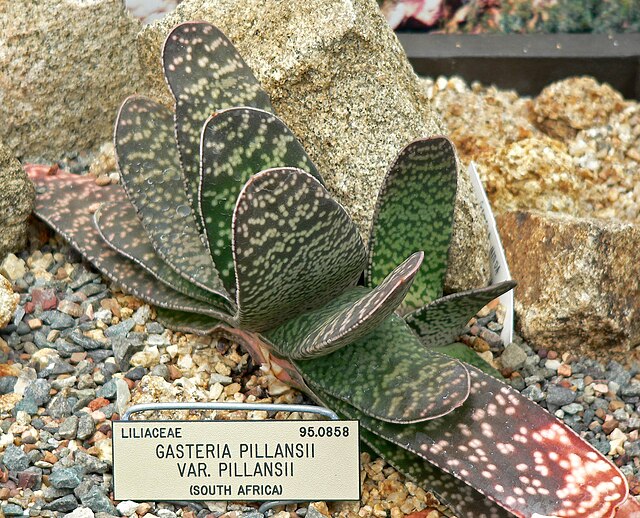
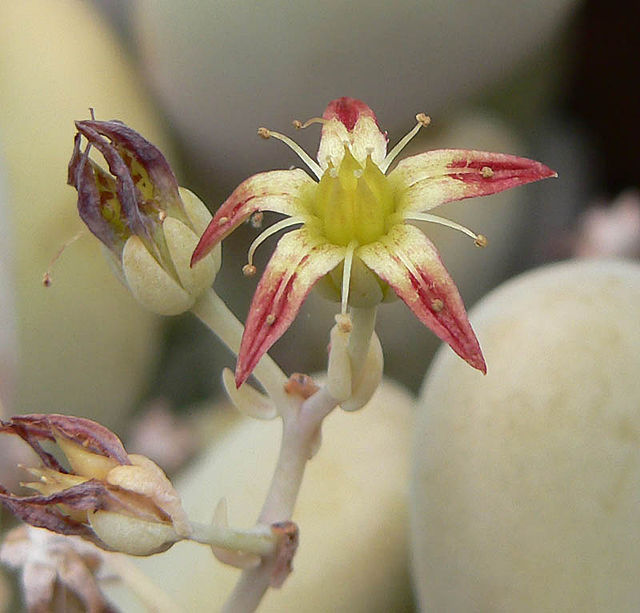
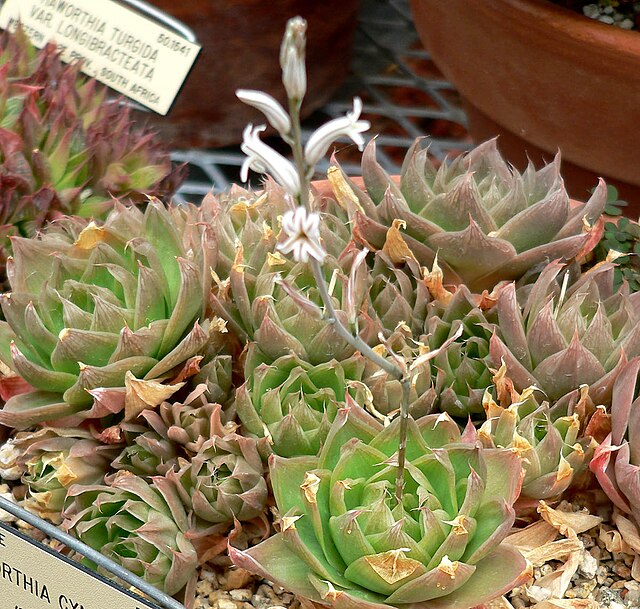
Have you ever grown succulents and noticed they've become thin and stretched out? This phenomenon is called etiolation, and light deficiency is the primary cause. To maintain the beautiful form of succulents, proper light management is essential. This article explains everything from the mechanics of etiolation to seasonal management methods and indoor lighting techniques—in a way that's easy to understand for beginners.
What is Etiolation? | Changes Caused by Light Deficiency
Etiolation is a phenomenon in which plants stretch their stems and petioles abnormally as they reach for light. When a plant continuously signals "I need more light," the cells elongate beyond their normal length. In succulents, this appears as the following symptoms:
- Stems become thin and spindly, stretching excessively
- The gaps between leaves widen (internodes become elongated)
- Leaves become smaller or thinner
- In rosette-form varieties, the rosette loosens and loses its compact appearance
- Colors fade, and leaf pigmentation and white coating (farina) disappear
Rosette-form varieties like Echeveria and Graptopetalum are especially susceptible to visible changes—their outer leaves drop and inner leaves no longer cluster densely when etiolated.
Etiolated stems cannot be reversed, but by switching to proper management, new leaves that emerge afterward will return to their normal form. Additionally, etiolated stems can be cut and propagated as cuttings to reshape them into compact plants. Take your time and gradually improve the growing environment.
Light Requirements for Succulents | Species-Specific Guidelines
Most succulents are native to environments with intense sunlight, such as deserts, rocky areas, and high mountains. Therefore, they require significantly more light than typical houseplants.
Light Intensity Guidelines
- Outdoor management (direct sunlight): Most ideal. The best way to grow healthy plants
- Bright indoor spaces (south-facing windowsill): Indoor management is possible in direct sunlight by a window
- Minimum requirement: At least 4–6 hours of bright light per day
Light Variations by Species
Even among succulents, light requirements vary by species.
- Species preferring high light: Agave, Euphorbia, Caudex varieties, etc. Outdoor management is standard, and intense sunlight poses no problem.
- Species preferring moderate light: Echeveria, Graptopetalum, Sedum, etc. They prefer bright partial shade to direct sunlight.
- Species tolerant of lower light: Haworthia, Gasteria, etc. Intense direct sunlight can cause leaf scorch, so shading is necessary.
Checking a species' light requirements at purchase helps you choose the right placement.
Seasonal Light Management | Strategies for Spring, Summer, Fall, and Winter
Succulent light management must change with the seasons. Learn how to adjust for Japan's four seasons.
Spring and Fall (Active Growth Period)
Spring and fall are when succulents grow most vigorously. With moderate daylight hours and comfortable temperatures, place plants outdoors as much as possible and expose them to abundant sunlight. Thorough photosynthesis during this period stores nutrients in leaves, maintaining beautiful form and color.
Summer (High Temperatures and Intense Light)
Summer brings intense sunlight, and midsummer direct sun can cause leaf scorch in most species. Pay special attention on days when temperatures exceed 35°C.
- Use shade cloth: 30–50% shade is standard. Some species may require 70% shade
- Prioritize morning light: Avoid intense afternoon western sun and expose plants to gentle morning light
- Ensure good air circulation: High heat and humidity can cause root rot from moisture buildup, so airflow is important
Winter (Securing Daylight Hours)
Winter has shorter daylight hours and weaker sunlight. Consciously move plants to sunny locations.
- If bringing indoors, place on a south-facing windowsill
- Light through window glass is effective, but ideally create opportunities for plants to be exposed to outdoor air during the day
- In cold regions, be careful of frost while securing as much sunlight as possible
Indoor Lighting Solutions | Choosing and Using Growth Lights
In apartments or north-facing rooms where sufficient natural light is difficult to secure, plant growth LED lights become a valuable tool. In recent years, performance has improved and affordable products have become more available.
Choosing LED Lights
- Color temperature: 6000–6500K (neutral white to daylight) is ideal for photosynthesis. Full-spectrum types that balance red and blue wavelengths are recommended
- Illuminance and PPFD: Aim for 200–400 PPFD for succulents. Check product specifications
- Power consumption: LEDs are more energy-efficient than fluorescent lights and save on electricity even with extended use
Usage Tips
- Duration: 12–16 hours per day is standard. Using a timer outlet makes management easier
- Distance: Varies by species, but generally 10–30 cm is appropriate. Too close risks light burn
- Combined with natural light: LED lights cannot completely replace natural sunlight. Combining them with natural light whenever possible promotes healthier growth
Even when using LED lights, creating opportunities to expose plants to outdoor light for a few hours weekly enhances color expression and compact growth.
Summary | Using Light Management to Enhance Succulent Beauty
To prevent etiolation and maintain beautiful form and vibrant color in succulents, proper light management is most important.
- Etiolation is primarily caused by insufficient light. While elongated stems cannot be reversed, improved environments allow new leaves to return to normal
- Light requirements vary by species. Check light requirements at purchase
- Adjust management by season. Summer shading and winter sunlight are fundamental
- Use growth LED lights indoors. However, combining with natural light is ideal
Light management may seem difficult at first, but by observing your plants and making gradual adjustments, you'll develop the right touch. Even thin, etiolated plants will gradually return to their beautiful, compact form once conditions are improved.
At GrowerDirect, you can purchase succulents grown under proper light management directly from growers. Get healthy plants and experience the joy of light management yourself. Find your favorite species in our succulent category.