Succulent Terrariums: A Beginner's Guide | Enjoying a Miniature World in Glass Containers
A guide to creating terrariums with succulents. Covers container selection, suitable plant varieties, how to build layered structures, and maintenance methods in detail for beginners.
Key Takeaways
A guide to creating terrariums with succulents. Covers container selection, suitable plant varieties, how to build layered structures, and maintenance methods in detail for beginners.
Related Species
Succulent terrariums are a creative way to build a miniature landscape inside a glass container. They have high ornamental value as interior decoration and allow you to enjoy succulents even in limited spaces, making them increasingly popular especially in urban areas. However, growing succulents in terrariums requires different considerations than traditional potted cultivation. This guide covers everything from selecting the right container to daily maintenance for success.
Choosing and Types of Containers
The golden rule for succulent terrariums is to choose an 'open terrarium.' Closed terrariums create excessive humidity, which is unsuitable for succulents that prefer dry conditions.
Open terrariums can use a wide variety of containers. Representative options include:
- Wide-mouthed glass bowls
- Wine glasses
- Fishbowls
- Flower vases
- Glass cake domes
Three key factors when choosing a container are 'airflow,' 'light penetration,' and 'ease of work.'
Avoid containers with narrow openings as they restrict airflow and cause moisture buildup. As a guideline, the opening diameter should be at least half the container's maximum width. Tall containers make it difficult for light to reach the bottom, so shallow and wide shapes better maintain succulent health.
Check the thickness and clarity of the glass. Colored or frosted glass reduces light transmission, so choose clear glass whenever possible.
Containers with a diameter of 15cm or larger are easier to plant and offer greater layout flexibility. Beginners are recommended to start with a wide-mouthed glass bowl approximately 20–25cm in diameter.
Selecting Succulents Suitable for Terrariums
Succulents suited to terrariums are small, slow-growing varieties with some shade tolerance. Large or fast-growing varieties quickly outgrow the container.
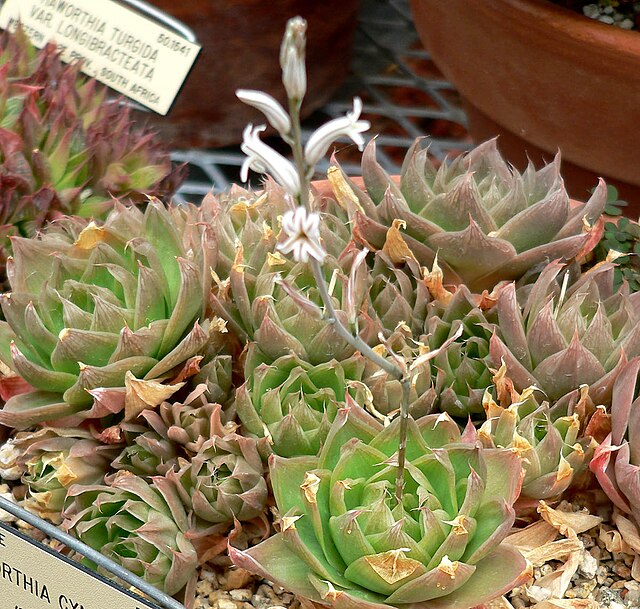
- Haworthia: The most suitable genus. Their preference for partial shade matches terrariums' light conditions, and their geometric patterns look beautiful through glass. Obtusa, Retusa, and Fasciata are classic choices.
- Small Sedum varieties: Jade Necklace, Aurora, Corsican Stonecrop, and Liveforever create natural scenes by covering the container floor like groundcover.
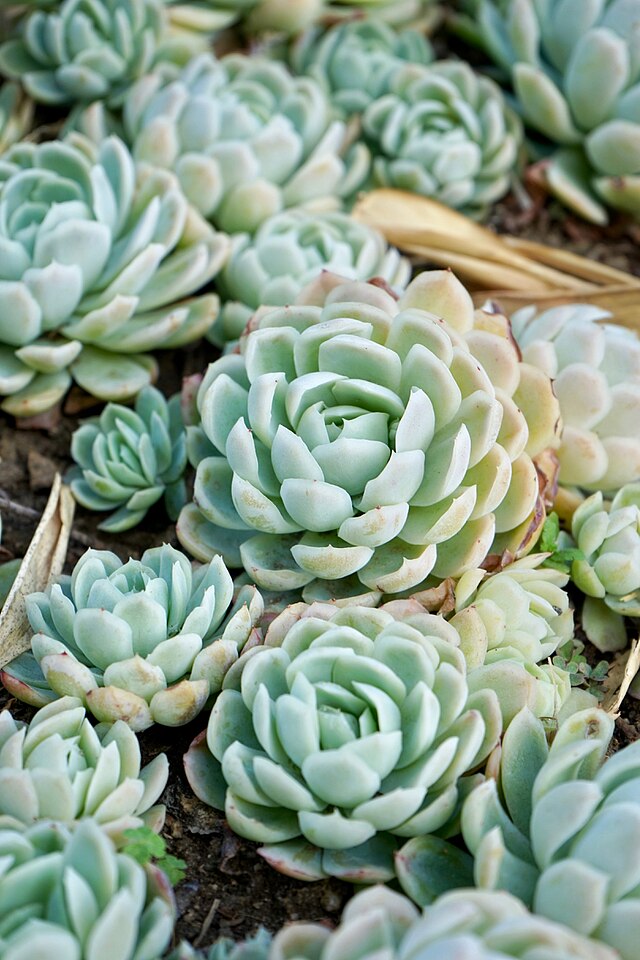
- Small Echeveria varieties (Minima, Elegans, etc.): Their rosette forms are beautiful and can serve as focal points. However, they require strong light, so placement in a bright location is essential.
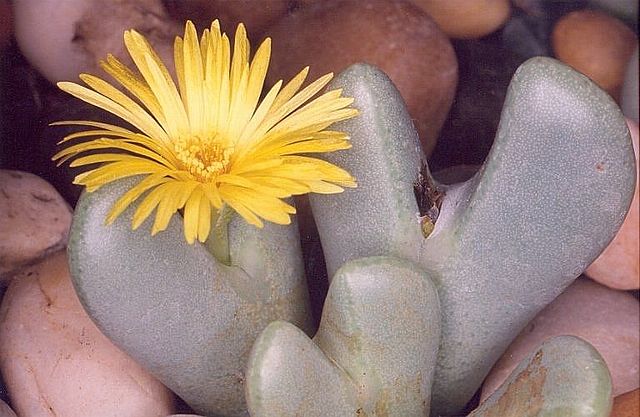
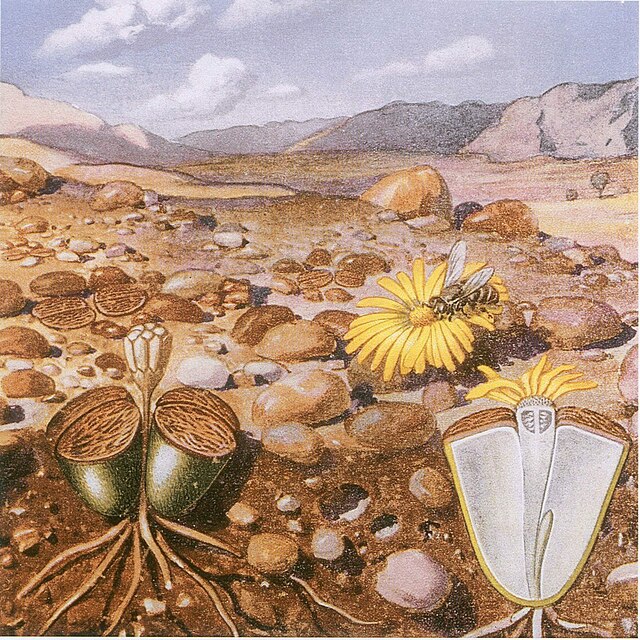
- Lithops and Conophytum: Their stone-like appearance is perfect for recreating desert landscapes and creates unique compositions when combined with other varieties.
When combining different varieties, choose those with similar watering preferences. Mixing species that prefer frequent watering with those preferring dryness compromises care for one or the other.
Building Layered Structures
Since terrariums have no drainage holes, creating layered structures to ensure water drainage is extremely important. Building proper layers is the most critical factor for terrarium success.
| Layer | Contents |
|---|---|
| Layer 1 (Drainage) | Spread pumice, hydro corn, or gravel 2–3cm deep on the container bottom. This layer catches excess water. For aesthetics, white decorative gravel or colored stones also work well. |
| Layer 2 (Separator) | Place landscape fabric or mesh sheet over the drainage layer. This prevents the soil above from falling into the drainage layer. You can also use a thin layer of moss as an alternative. |
| Layer 3 (Activated Charcoal) | A thin layer of activated charcoal purifies water and prevents odors. Spread horticultural charcoal chips 5mm–1cm thick. This layer is optional, but including it makes long-term maintenance easier. |
| Layer 4 (Soil) | Add well-draining succulent soil 3–5cm deep. For better drainage than standard succulent soil, increase the ratio of pumice or perlite. |
After layering, position plants with tweezers. Embed them firmly in the soil so roots aren't exposed. Top with decorative sand or small stones to complete the look.
Layout Design Tips
Terrariums look beautiful when you keep 'natural landscapes' in mind. Follow several design principles:
The 'odd number rule' is fundamental to garden design. Arrange focal plants in groups of three or five for balanced composition. Even numbers tend to appear too orderly and monotonous.
Varying heights creates depth. The basic approach is a triangular composition with taller varieties at the back or center and lower ones in front or around edges. Placing stones or driftwood to create height variation is also effective.
Consider color contrast. Beyond green tones, add 1–2 plants with fall color or purple varieties as accent colors to strengthen the overall composition.
Use decorative materials like pebbles, sand, driftwood, shells, and miniature figures. Decide on a theme—desert, moonscape, Japanese garden—and create a cohesive world to dramatically increase visual appeal.
Frequently Asked Questions and Practical Advice
Q. Can succulents be grown in glass containers? A. Yes, they can, but only in open containers. Sealed ones trap moisture and cause rot. Choosing wide-mouthed containers and maintaining airflow is essential.
Q. How should I water? A. Since there are no drainage holes, watering as you would a regular pot causes water to pool at the bottom. Use a dropper or spray bottle to give only small amounts at the plant base, and if you see water in the stone layer, you've given too much. Water less frequently than standard potted plants.
Q. How long will a terrarium maintain its appearance? A. Expect about six months to a year. Since succulents grow, the container balance eventually shifts. The best approach is to plan for replanting and enjoy refreshing it seasonally.
Daily Care and Maintenance
Watering terrariums requires more care than standard potted plants. Since there are no drainage holes, all water remains in the container.
The basic method is to use a dropper or thin watering can to give small amounts at the plant base. You don't need to wet the entire soil; just light moisture around the roots is enough. Frequency depends on conditions, but about once every 2–3 weeks is typical. Condensation on the container's interior indicates excessive moisture.
The ideal location receives bright indirect light. Direct sun causes the interior temperature to spike dangerously, steaming the plants. A north-facing window or indirect light through sheer curtains is best.
Monthly maintenance includes removing dead leaves, trimming overgrown plants, and cleaning the container interior. As plants outgrow the space, remove them to standard pots and replace with new specimens for long-term enjoyment.
Small, beautiful succulents for terrariums are convenient to purchase from GrowerDirect with specific variety selection. Tell the grower "I'd like small seedlings for a terrarium," and they'll choose appropriately sized plants. You also gain accurate variety information, making it easier to plan watering schedules.