Agave Encyclopedia
Encyclopedia of popular agave varieties with traits, care guides, and pricing.
Featured Agave
Showing 13 of 139 species
Agave 'Sharkskin' (Sharkskin agave)
Agave nickelsiae × scabra 'Sharkskin'
A large hybrid with thick, triangular, dark grey-green leaves of a rough, shark-skin texture, neatly arranged. The margins are smooth and toothless, leaving only a stout tip spine. Thought to be a natural hybrid found in Mexico.
 © Agnieszka Kwiecień, Nova / CC BY-SA 4.0
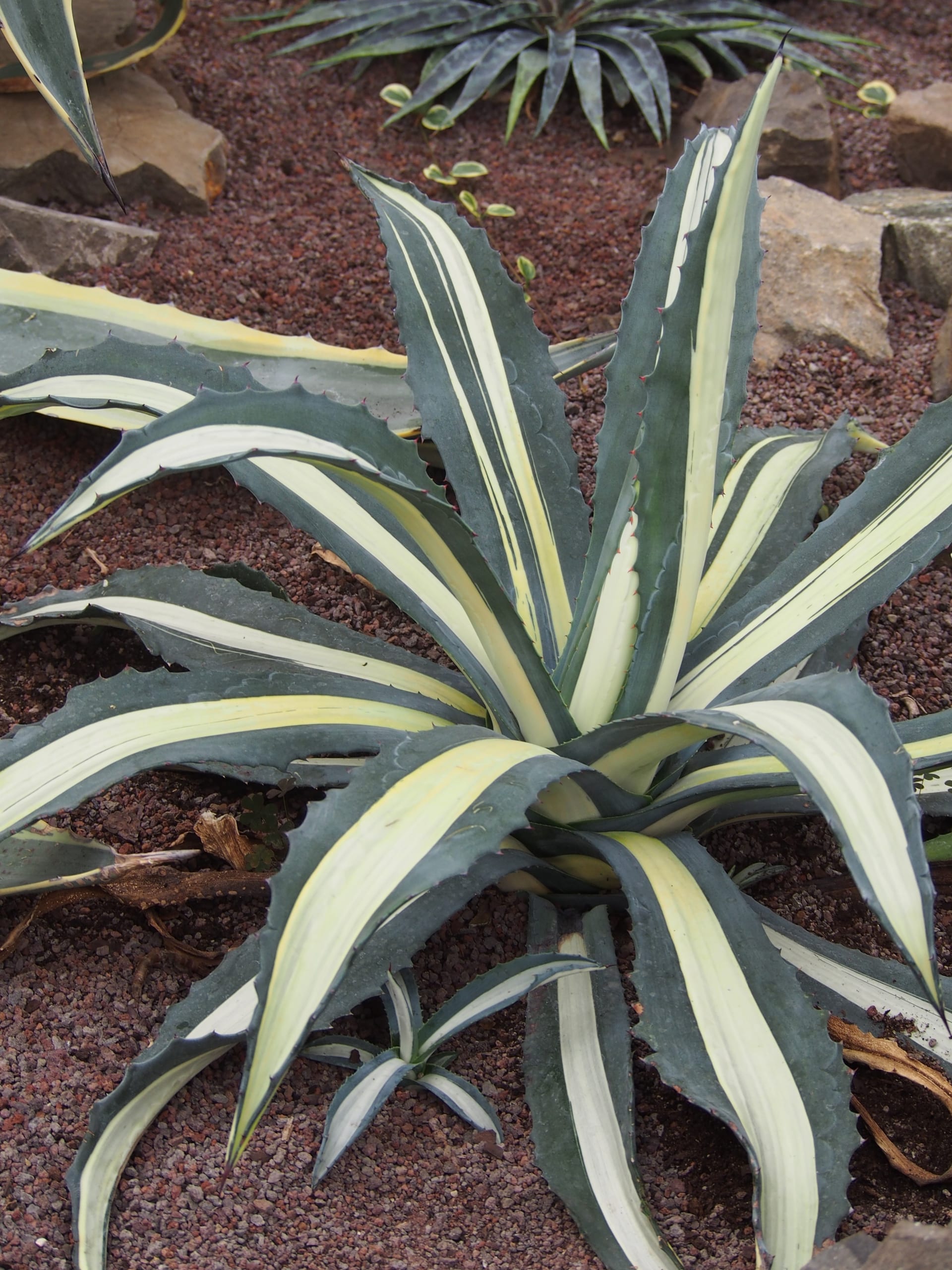
Agave americana 'Mediopicta Alba'
Agave americana var. mediopicta f. alba
A centre-striped form of Agave americana: each blue-green leaf carries one broad creamy-white band down the middle. Smaller than the species, yet still a large, eye-catching agave.
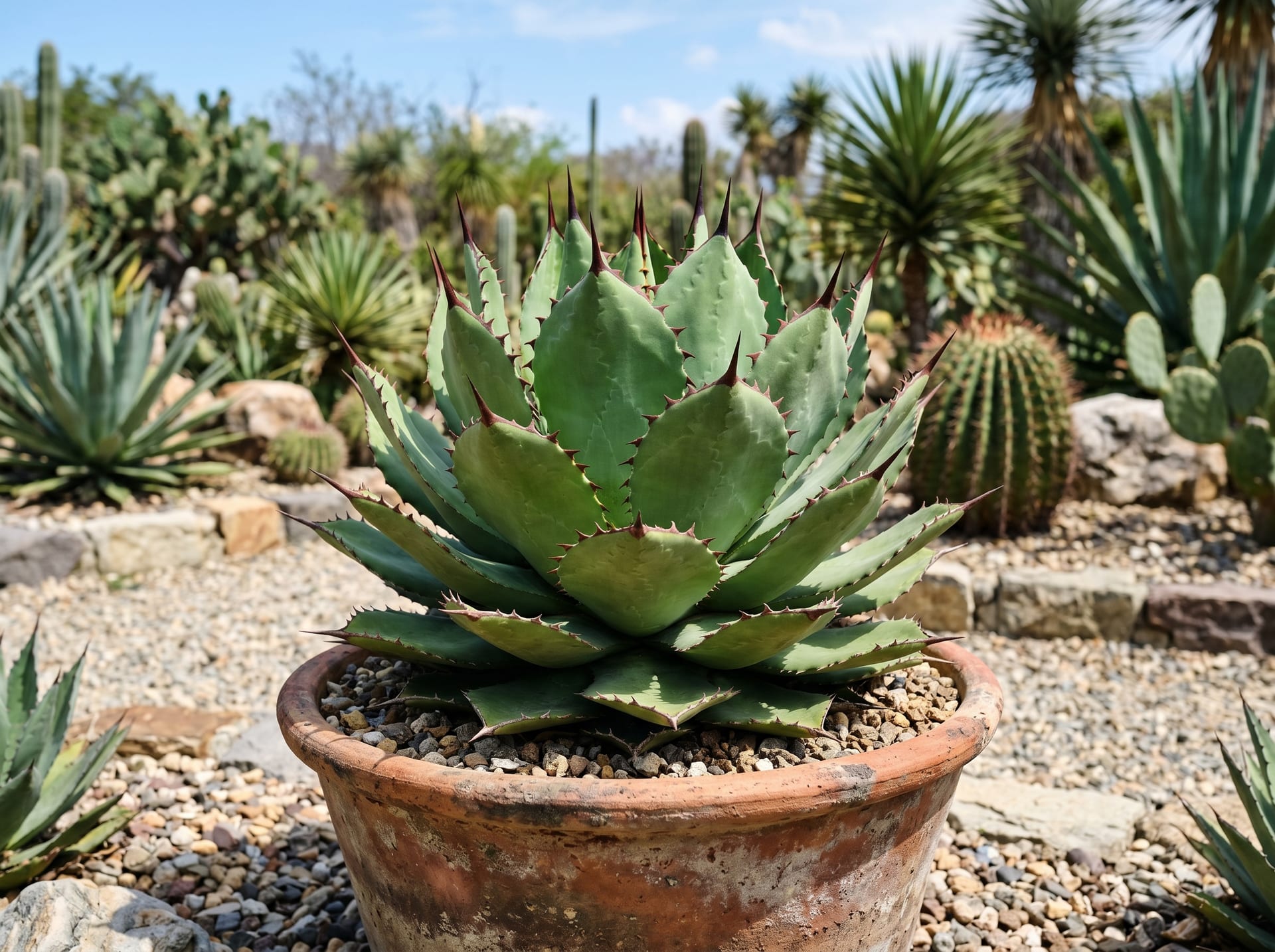
Agave Cupreata
Agave cupreata
Native to Guerrero, Mexico. Used in mezcal production. Wide leaves with copper-colored teeth give a wild appearance. Grows large at maturity.
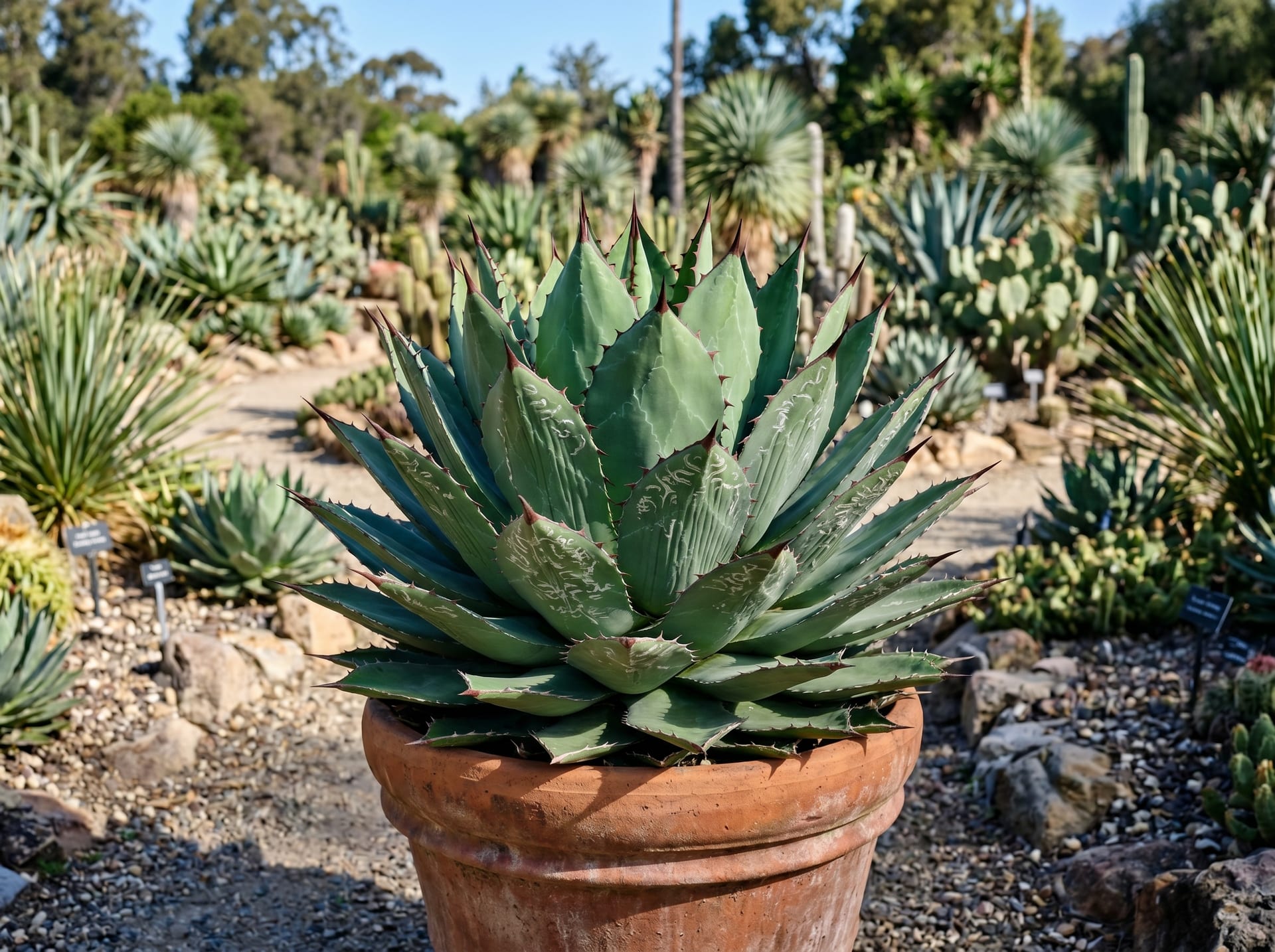
Agave Gentryi
Agave gentryi
An agave from the Sierra Madre of Mexico. Forms wide green rosettes with finely serrated leaf margins. Relatively large species; monocarpic, dying after flowering.
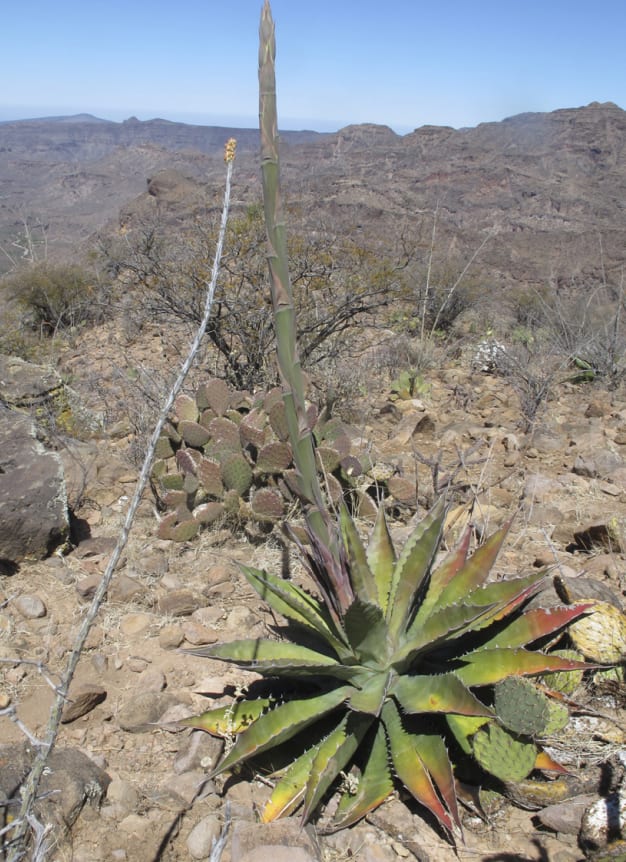 © CDashley / CC BY-SA 4.0
Agave gigantensis
Agave gigantensis
A large agave about 1 m tall and 1.2 m wide, with thick, smooth dark green leaves bearing large grey-white teeth. The name comes not from its size but from the Sierra de la Giganta in Baja California Sur.
Agave ovatifolia 'Orca'
Agave ovatifolia 'Orca'
A variegated whale's tongue agave: broad blue leaves bordered by a very wide creamy-yellow edge. A rare clone propagated from a plant found in the mountains of northern Mexico.
Agave ovatifolia 'Vanzie'
Agave ovatifolia 'Vanzie'
A clonal selection of the whale's tongue agave with folded undersides, wavy scalloped edges and small teeth on broad silver-blue leaves. Fast-growing and tolerant of cold, damp winters.
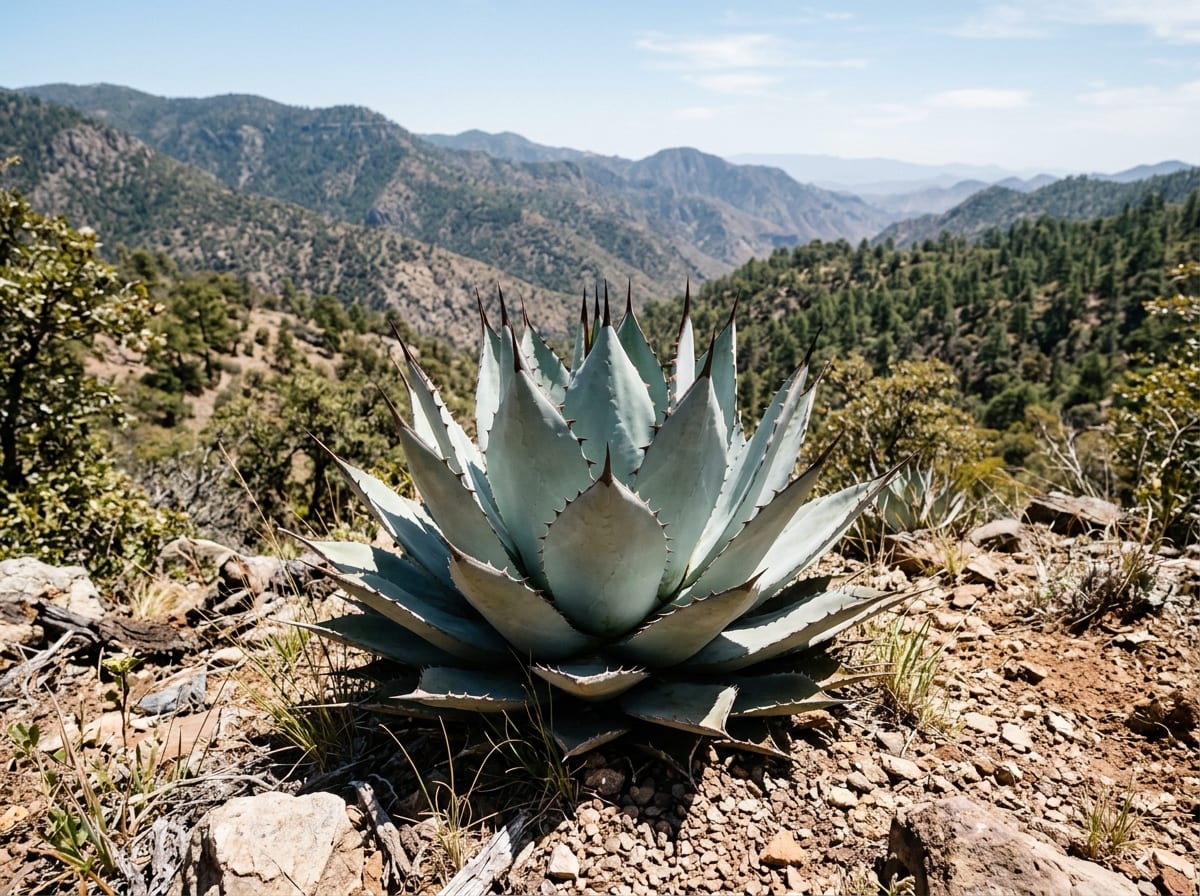
Agave shrevei subsp. magna
Agave shrevei subsp. magna
The largest of the three subspecies of Agave shrevei, forming handsome rosettes of blue-grey leaves. It grows where Chihuahua, Sonora and Sinaloa meet in the Sierra Madre Occidental of north-western Mexico.
 © J Brew / CC BY-SA 2.0
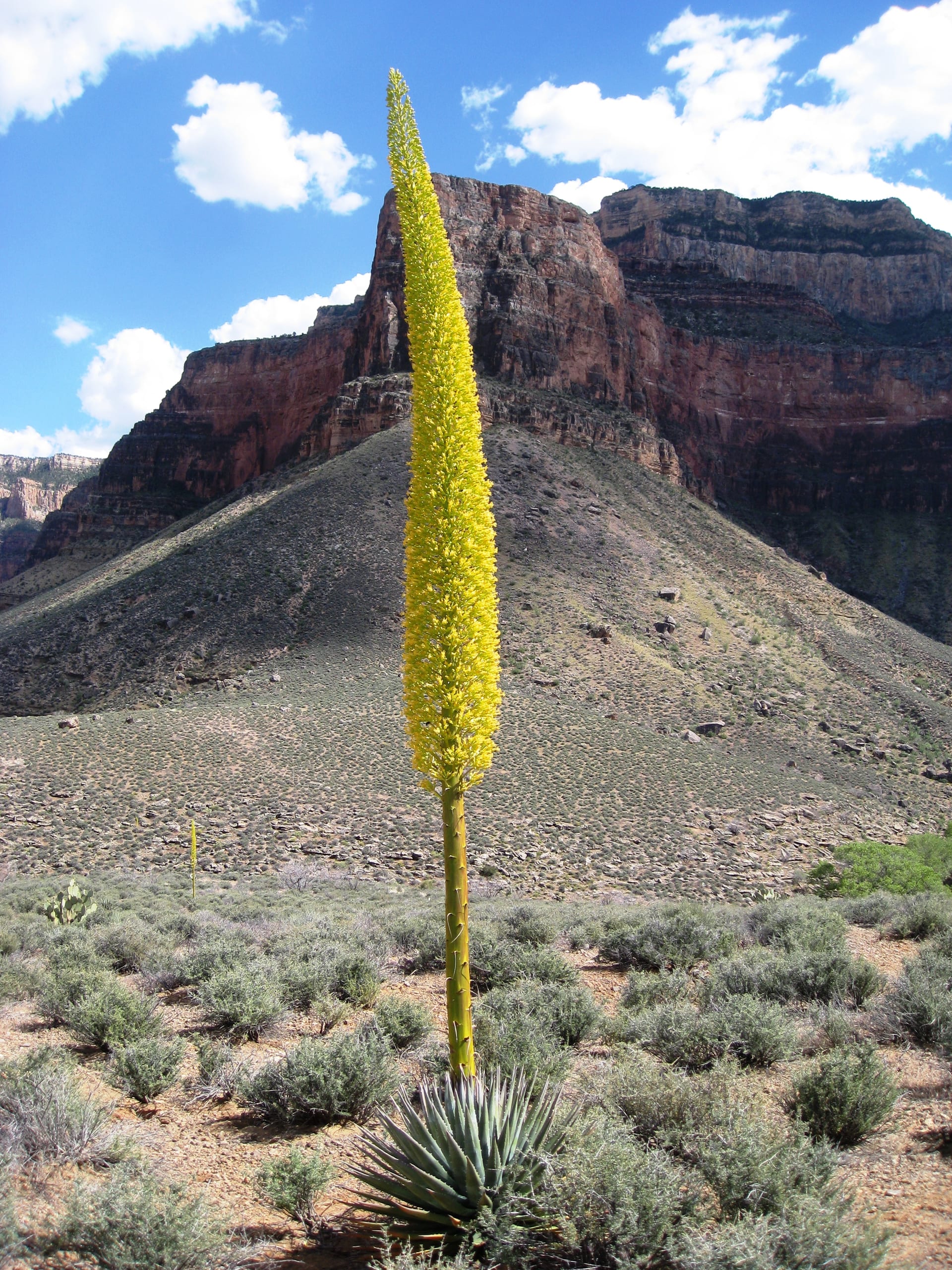
Agave utahensis subsp. kaibabensis (Kaibab agave)
Agave utahensis subsp. kaibabensis
The largest member of Agave utahensis, with leaves 3-5.5 cm wide forming rosettes up to about 1 m across. It grows on rocky outcrops around the Grand Canyon region of Arizona and looks quite unlike the small varieties.
 © Stan Shebs / CC BY-SA 3.0
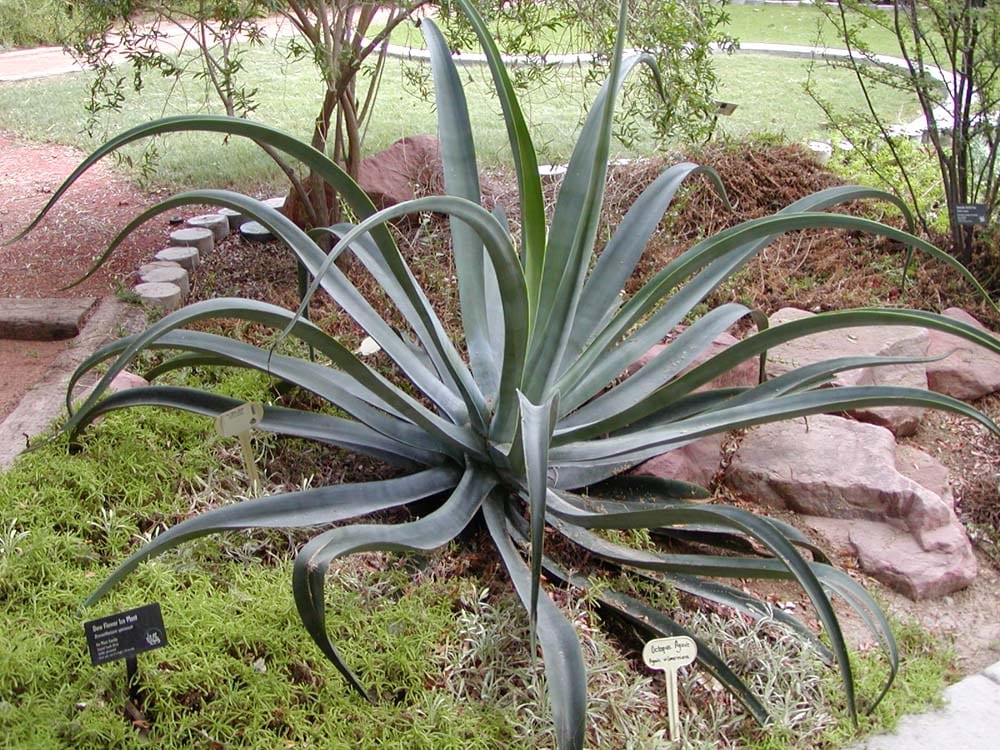
Agave vilmoriniana (Octopus agave)
Agave vilmoriniana
A large agave whose long, narrow green leaves arch and twist toward the ground like octopus arms. The leaves lack obvious teeth, and instead of offsets it produces bulbils on the flower stalk.
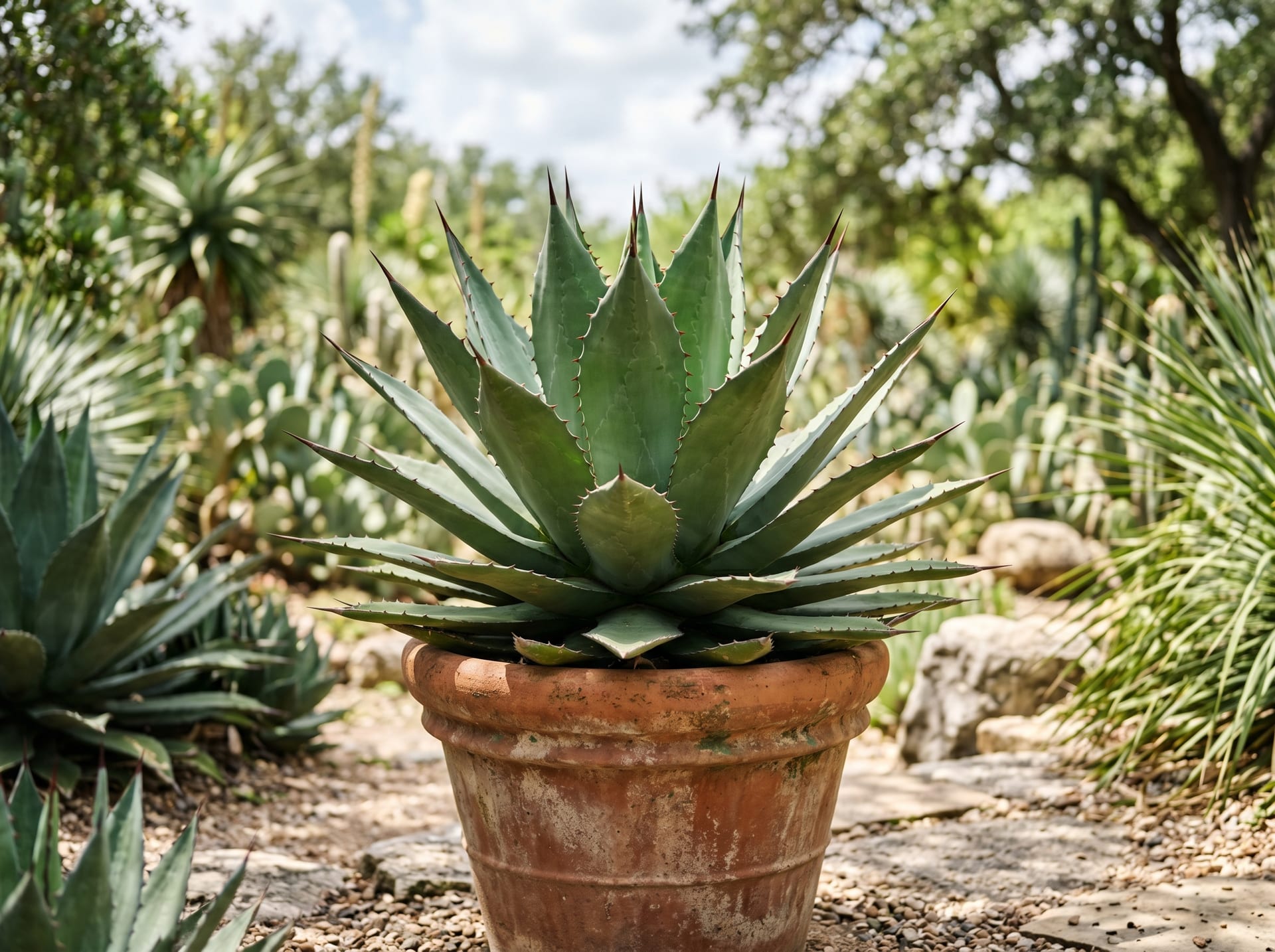
Agave Wocomahi
Agave wocomahi
A large agave from Sinaloa to Chihuahua, Mexico. Traditionally used by the indigenous Tarahumara people for food and fermented beverages. Broad, blue-tinged leaves are characteristic.
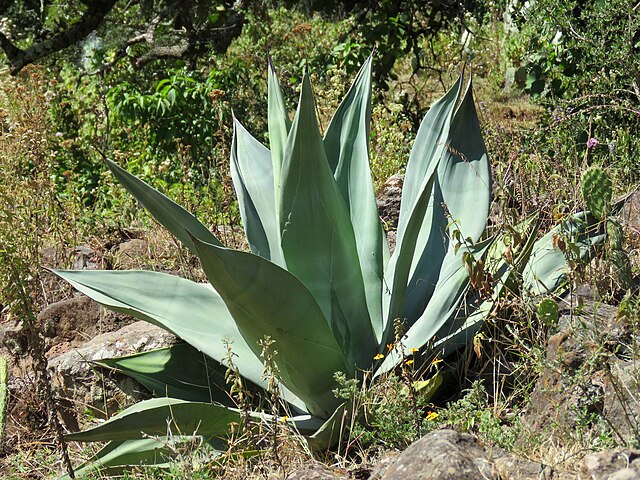 © marumg / CC BY-SA 4.0
Weber's Agave
Agave weberi
A large agave with relatively few spines. Hardy common species used in gardens and public landscaping.
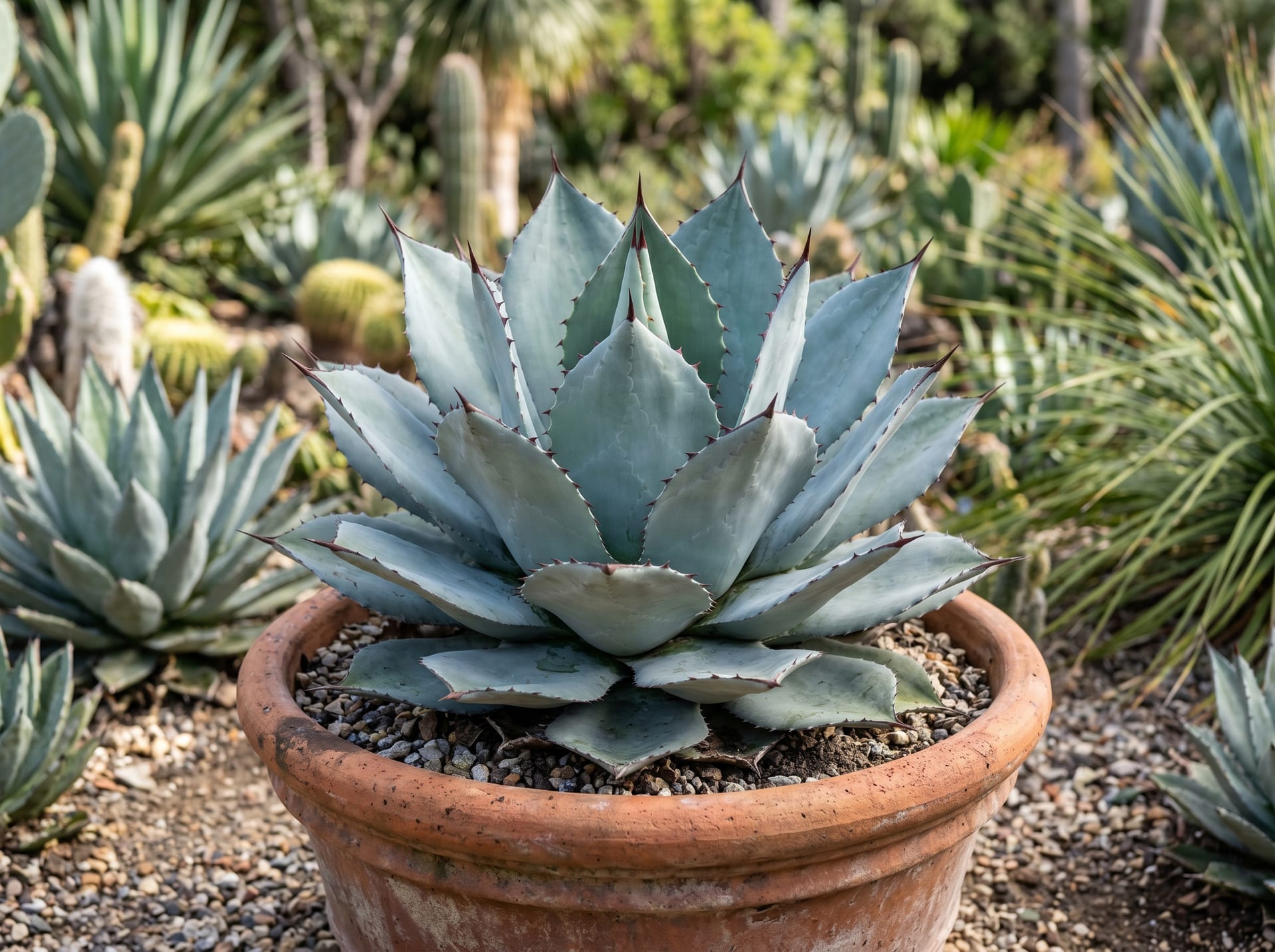
Whale's Tongue Agave
Agave ovatifolia
A large agave with wide round leaves like whale's tongue. High cold tolerance with beautiful blue-white leaves.
Related Content
Agave FAQ
- How much do agave cost?
- Small Titanota seedlings cost 2,000-10,000 yen, medium plants 10,000-50,000 yen, and select or rare varieties like Hakugei and Caesar can exceed 100,000 yen. Prices vary greatly by variety and condition.
- Can beginners grow agave?
- Agaves are drought-tolerant and hardy, making them easy for beginners. Place in a sunny spot with well-draining soil, and they're quite hard to fail with.
- What are the key points for growing agave?
- Sunlight, airflow, and drainage are the three essentials. Provide direct sunlight, use pumice or akadama-based soil, and water only when the pot is completely dry.
- What should I check when buying agave?
- Check whether it's rooted, leaves are developing healthily, and lower leaves aren't excessively dried. Imported bare-root plants require root establishment, so beginners should start with rooted domestically grown seedlings.
- How long do agave live?
- Agaves grow over decades and bloom only once in their lifetime before dying. However, they produce offsets, so with proper care you can enjoy them across generations.