Bonsai Encyclopedia
Encyclopedia of popular bonsai species with care guides, traits, and styling tips.
Featured Bonsai
Showing 4 of 77 species
 © MPF / CC BY-SA 4.0
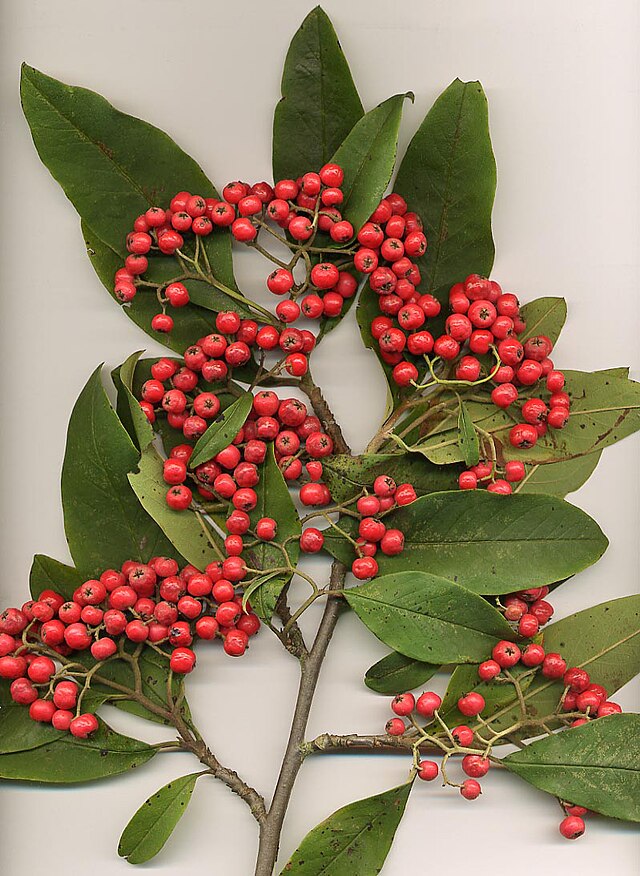
Cotoneaster
Cotoneaster horizontalis
Fruiting bonsai bearing masses of small red berries. Tiny leaves and fine branching create natural bonsai form. Beautiful contrast of autumn leaves and red berries.
 © KENPEI / CC BY-SA 3.0
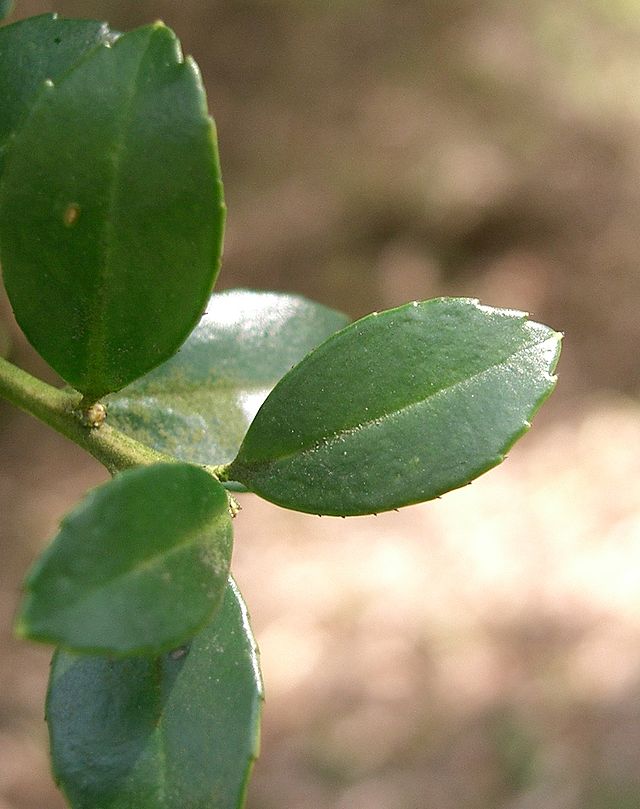
Japanese Holly
Ilex crenata
Evergreen bonsai with glossy dark green leaves and red berries. Autumn-winter berries are highly ornamental. Hardy and easy to grow, a representative Japanese tree.
 © Dalgial / CC BY-SA 3.0
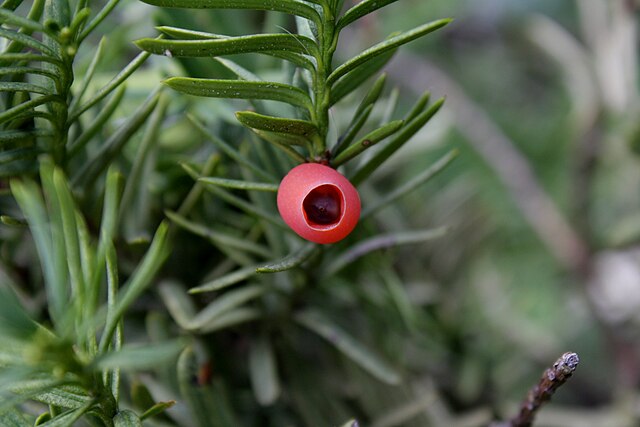
Japanese Yew
Taxus cuspidata
Named after the highest court rank in Japan. Beautiful red berries and dark green needles. Hardy in cold climates with slow growth, ideal for long-term bonsai.
 © KENPEI / CC BY-SA 3.0
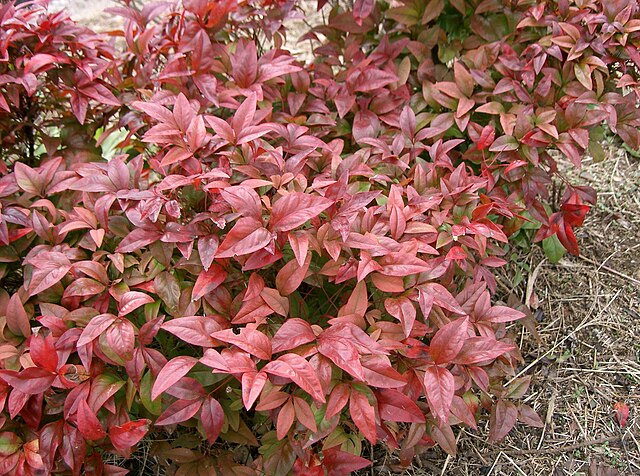
Nandina
Nandina domestica
Auspicious plant whose name suggests turning misfortune away. Beautiful red berries and winter color. Used in New Year decorations. Hardy and beginner-friendly.
Related Content
Bonsai FAQ
- How much do bonsai cost?
- Mini bonsai cost 1,000-5,000 yen, medium bonsai 5,000-50,000 yen, and masterpiece-class large bonsai hundreds of thousands to millions of yen depending on age, size, and form.
- Can beginners start bonsai?
- Starting with small Japanese maple, Shimpaku juniper, or Japanese white pine is recommended. With basic watering and 1-2 annual prunings, beginners can fully enjoy bonsai.
- How long do bonsai live?
- With proper care, bonsai can live for hundreds of years. Japan has many bonsai several centuries old, valued as art pieces passed down across generations.
- What should I check when buying bonsai?
- Look at root spread, trunk movement, and branch balance. Beginners may enjoy starting with affordable raw material trees and shaping them, rather than finished specimens.
- What's most important for bonsai care?
- Daily watering is the most important task. Water thoroughly when the soil surface dries, twice daily in summer (morning and evening). Keep outdoors in a spot with good airflow and sunlight.