Orchid Encyclopedia
Encyclopedia of popular orchid species with care guides, traits, and flowering tips.
Showing 81 of 140 species(49–72)
 © Eric in SF / CC BY-SA 3.0
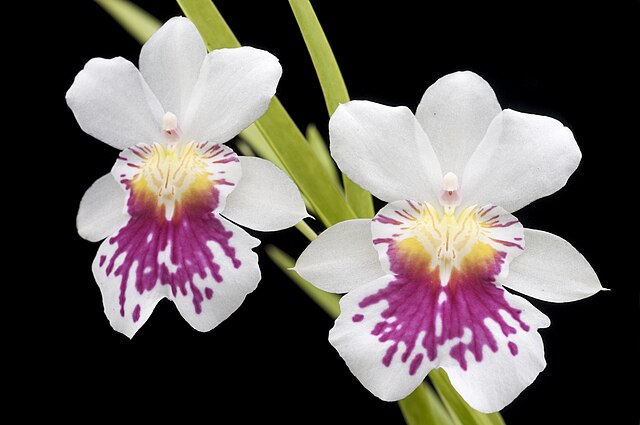
Miltoniopsis
Called Pansy Orchid for its large pansy-like flowers. Prefers cool growing conditions.
 © Orchi / CC BY-SA 3.0
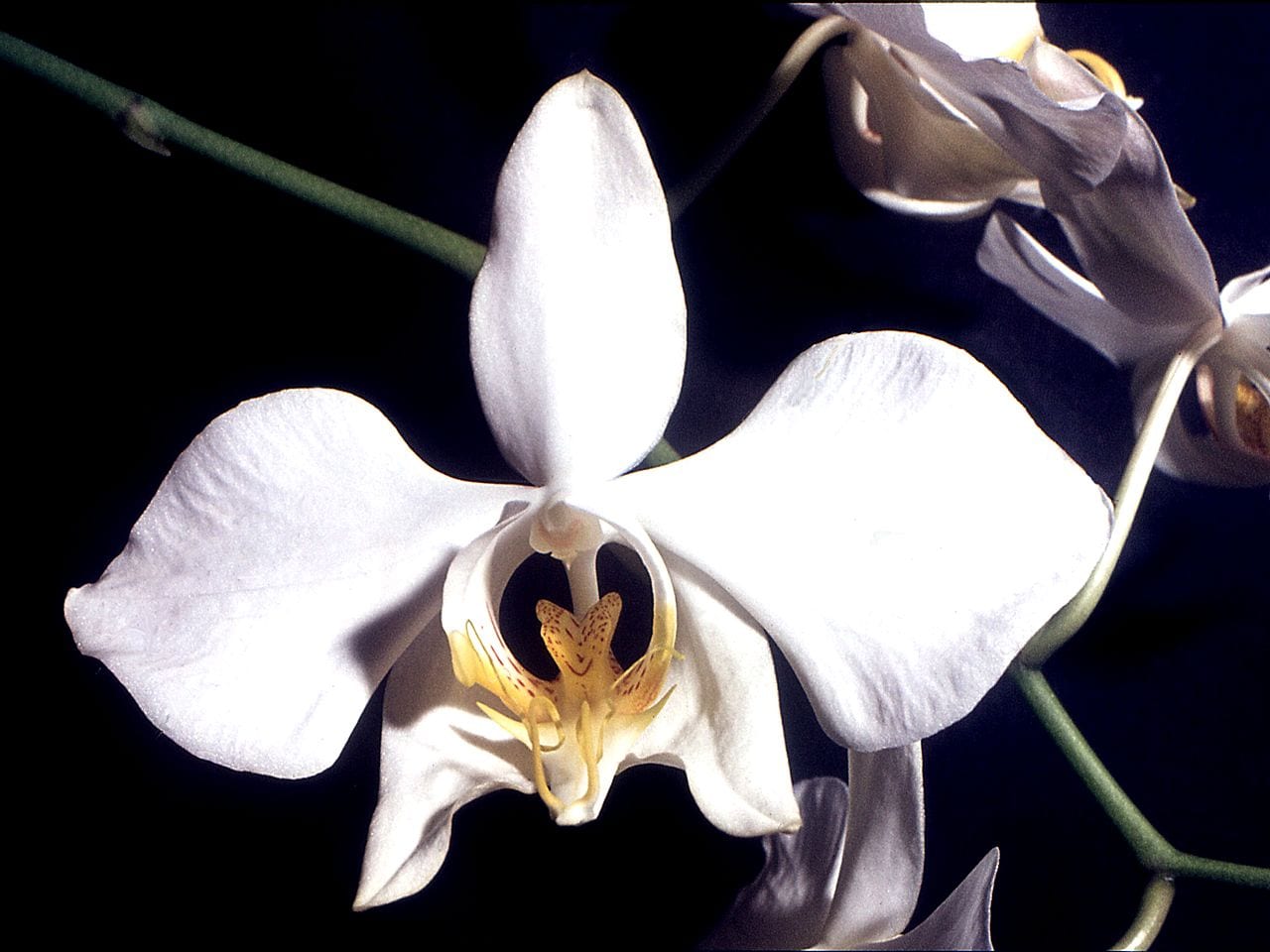
Moon Orchid
Phalaenopsis amabilis
The species behind the classic image of the large white moth orchid. A long, arching stem carries many flat white flowers about 6-8 cm across, and the lip ends in two thread-like tendrils. It is one of the national flowers of Indonesia.
 © snotch from Sapporo, Hokkaido, Japan / CC BY 2.0
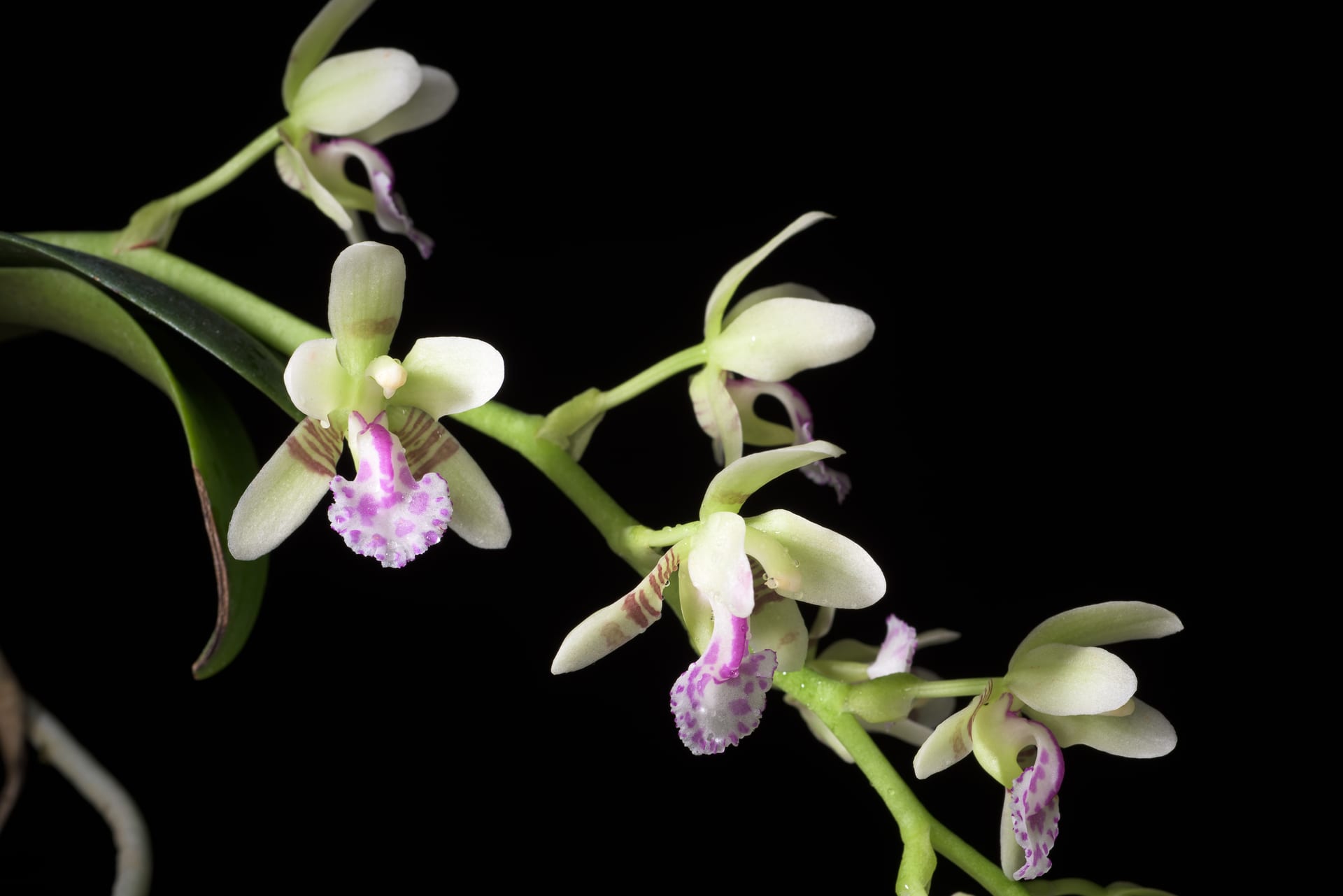
Nago Orchid
Phalaenopsis japonica
A small epiphytic orchid native to Japan, named after Mount Nago in Okinawa where it was found. It carries thick, leathery leaves in two rows and in early summer to summer opens pale greenish-white flowers with red-purple bars on the lateral sepals and a lemony scent.
 © KENPEI / CC BY-SA 3.0
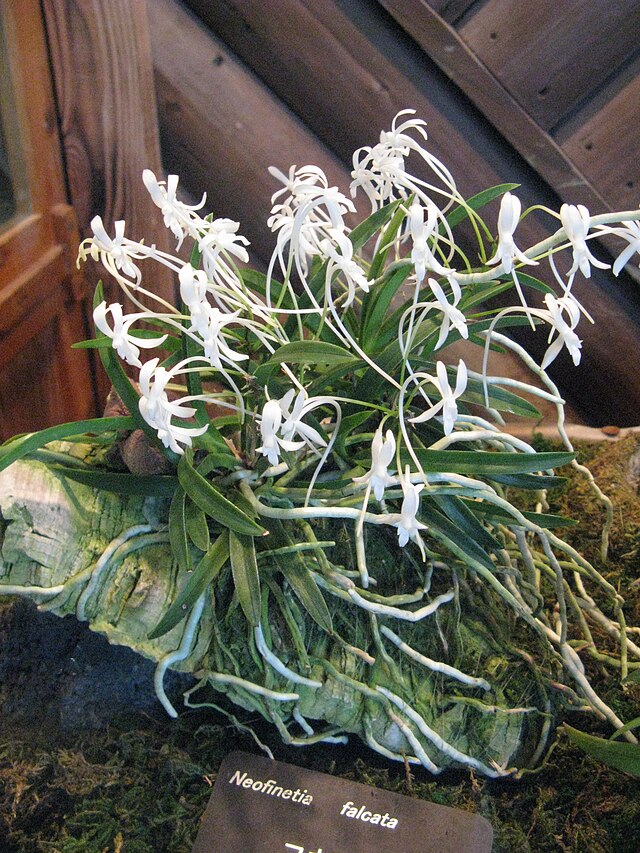
Neofinetia Falcata
Vanda falcata
A small Japanese native orchid cultivated since the Edo period, with white flowers and sweet night fragrance.
Neofinetia falcata 'Fukiden'
Vanda falcata 'Fukiden'
A leading margined fukiran with a broad, deep variegated edge on medium-sized leaves. The variegated margin scorches easily, so it needs more care with light than plain varieties.
 © Photo by David J. Stang / CC BY-SA 4.0
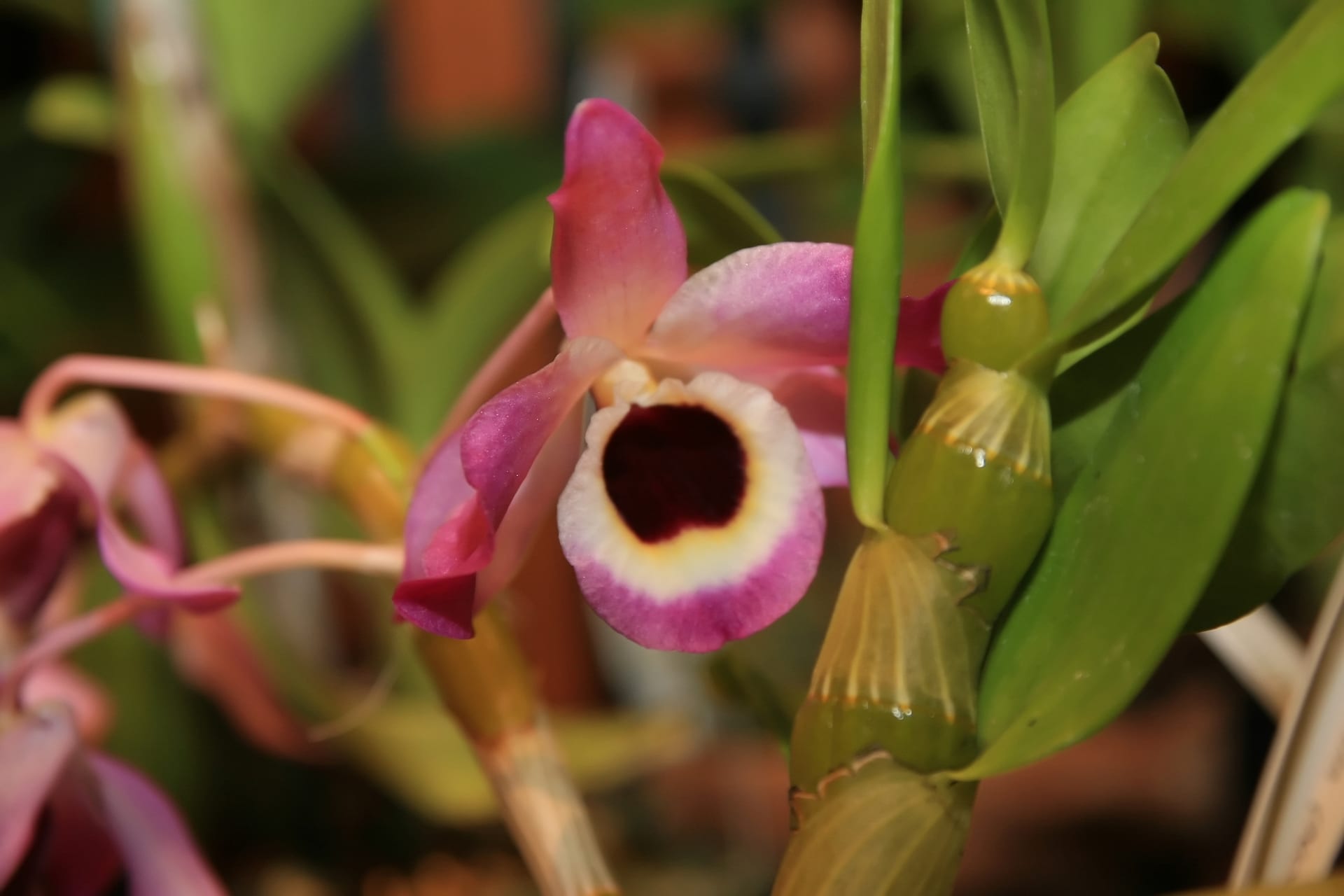
Noble Dendrobium
Dendrobium nobile
The species behind the nobile-type Dendrobium hybrids. Upright, yellowish canes carry fragrant, waxy flowers in twos to fours at the nodes, ranging in colour from white to pink and purple.
 © Allthingsnative / CC BY-SA 4.0
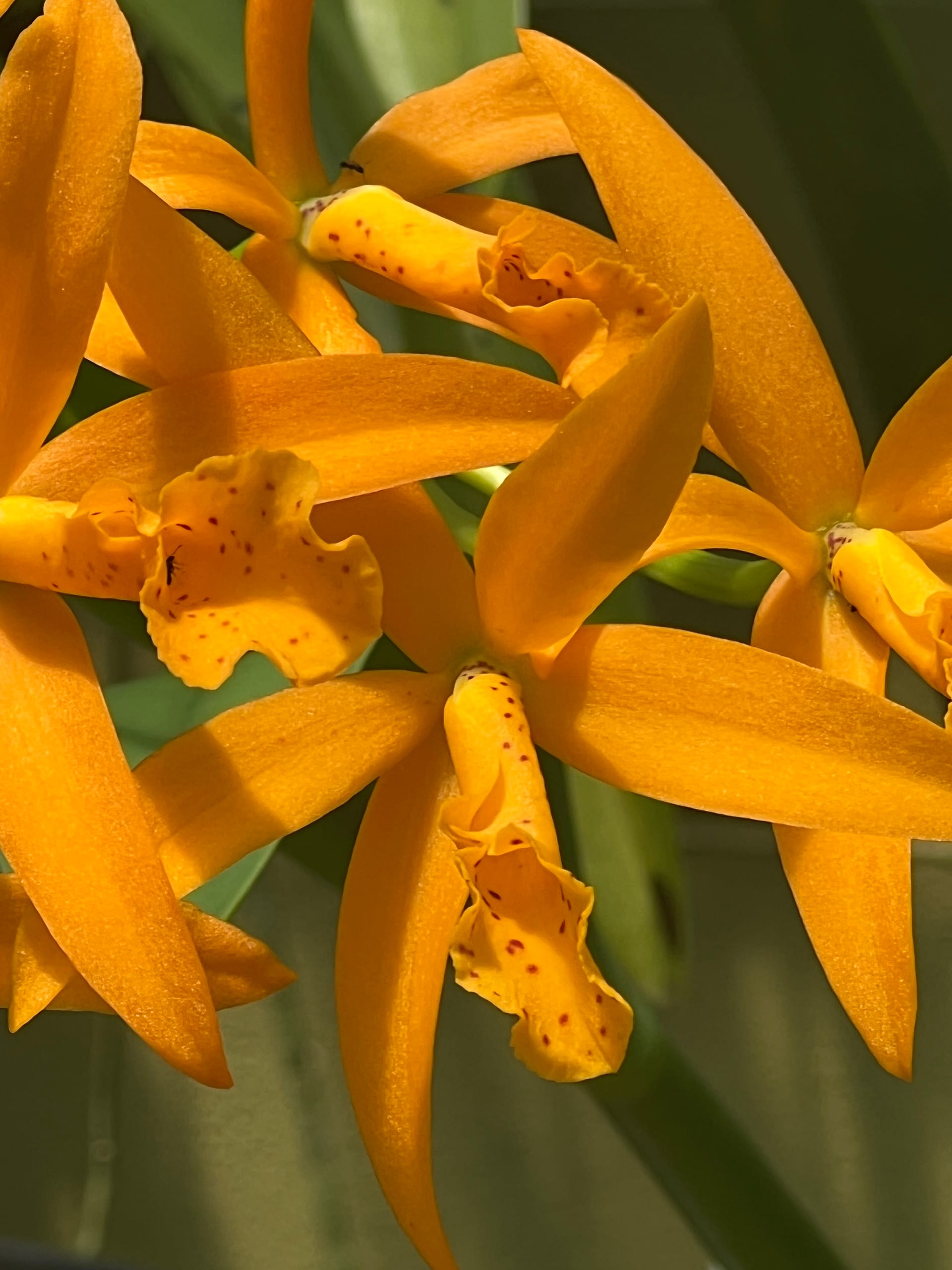
Orange Guarianthe
Guarianthe aurantiaca
A sturdy species from Mexico and Central America bearing clusters of orange flowers about 2.5 cm across. Formerly a Cattleya, it is still often sold as Cattleya aurantiaca.
 © Orchi / CC BY-SA 3.0
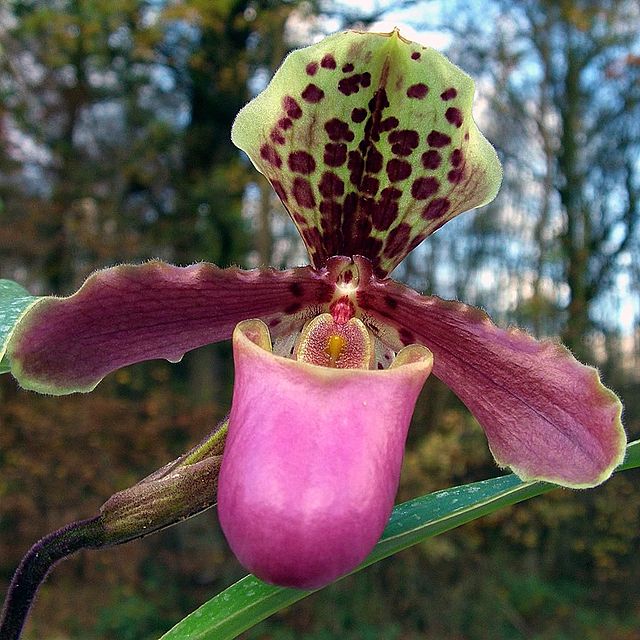
Paphiopedilum
A terrestrial orchid with distinctive pouch-shaped lip, valued for muted colors and long-lasting blooms.
 © Orchi / CC BY-SA 3.0
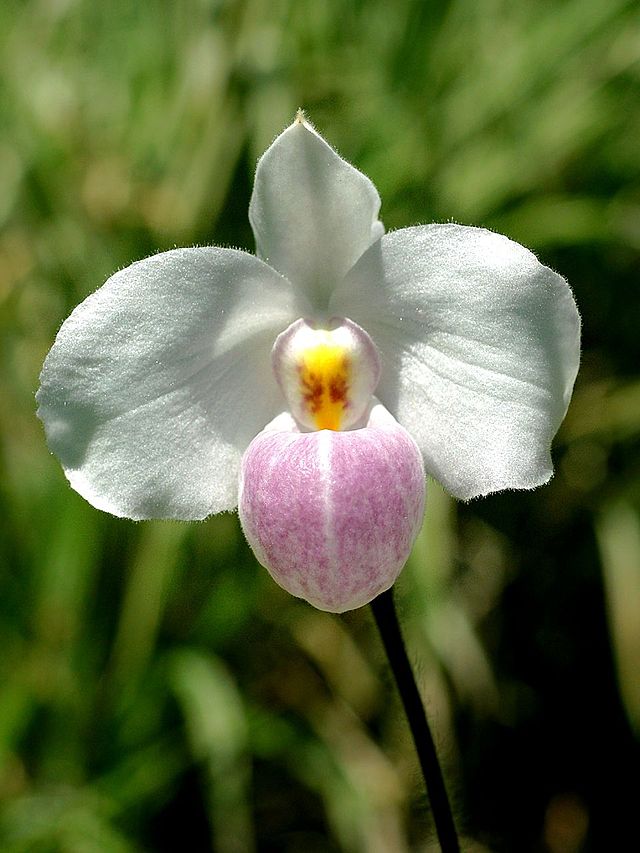
Paphiopedilum Delenatii
Paphiopedilum delenatii
A Vietnamese Paphiopedilum with cute pink flowers and beautiful mottled leaves.
 © Arne and Bent Larsen, Haarby, Denmark / CC BY-SA 2.5 dk
Parish's Dendrobium
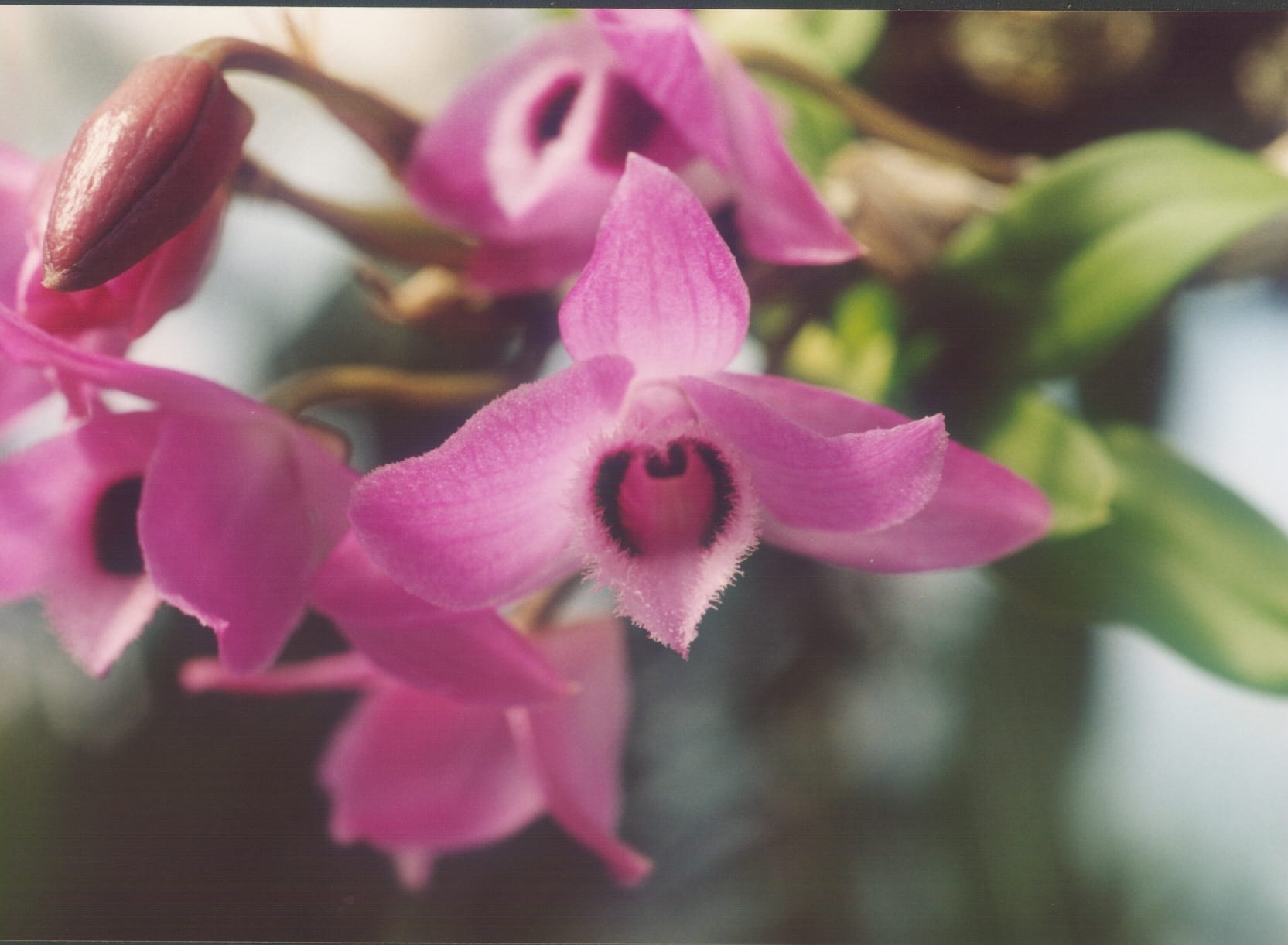
Dendrobium parishii
A medium-sized Dendrobium bearing purple-pink flowers in twos and threes at the nodes of leafless canes, long-lasting and scented of rhubarb or raspberry.
 © Raabbustamante / CC BY-SA 3.0
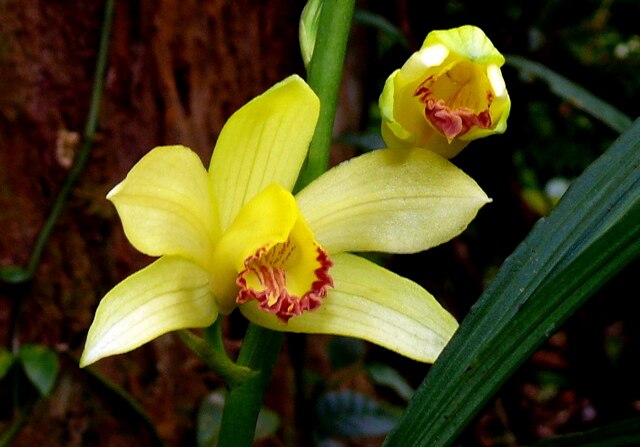
Phaius Tankervilleae
A large terrestrial orchid with brown-white flowers in spikes, also called Nun's Orchid.
 © sunoochi from Sapporo, Hokkaido, Japan / CC BY 2.0
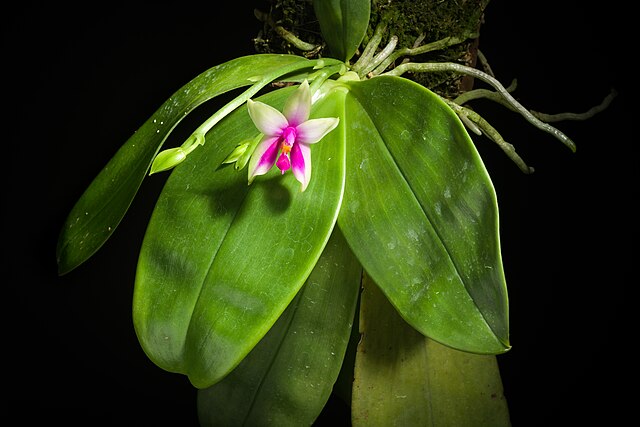
Phalaenopsis Bellina
Phalaenopsis bellina
A species Phalaenopsis with refreshing lemon fragrance and beautiful green-purple gradient.
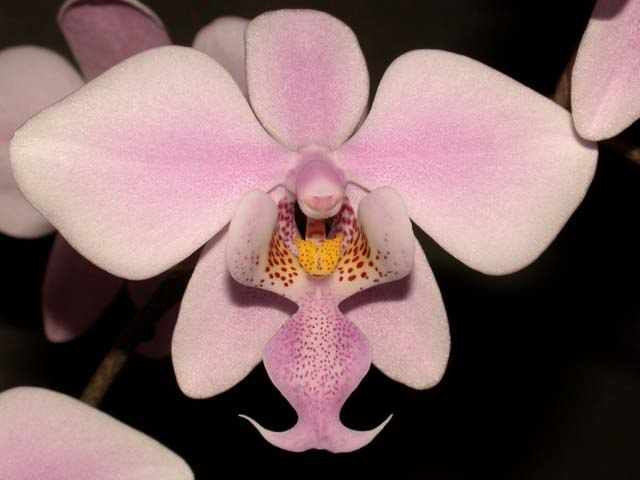
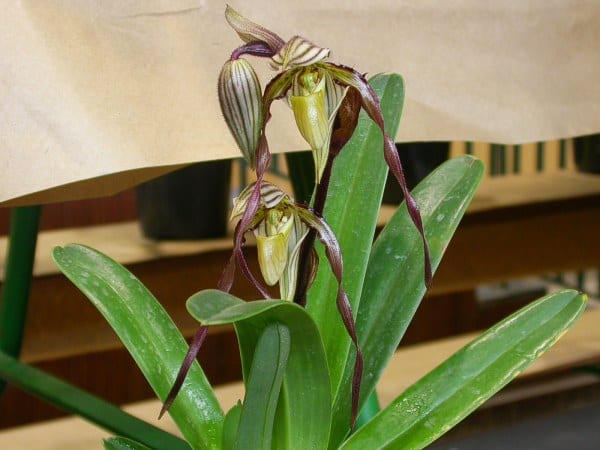
Phalaenopsis Schilleriana
Phalaenopsis schilleriana
A species Phalaenopsis with silver-mottled leaves and pink flowers in cascading sprays.
 © Dalton Holland Baptista / CC BY-SA 3.0
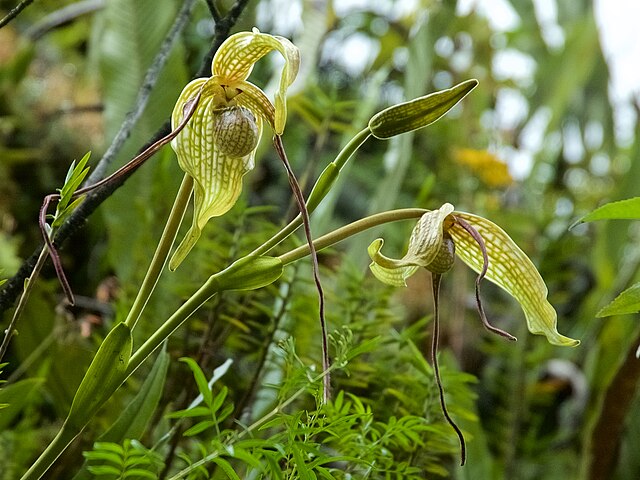
Philippine Paphiopedilum
Paphiopedilum philippinense
A large slipper orchid from limestone in the Philippines and northern Borneo. It spreads up to nine thick, glossy leaves and carries three to five flowers on a stem up to 60 cm tall, each spanning up to about 22 cm.
 © Eric Hunt / CC BY-SA 4.0
Phragmipedium
A South American slipper orchid similar to Paphiopedilum but preferring constantly wet conditions.
 © Drew Avery / CC BY 2.0
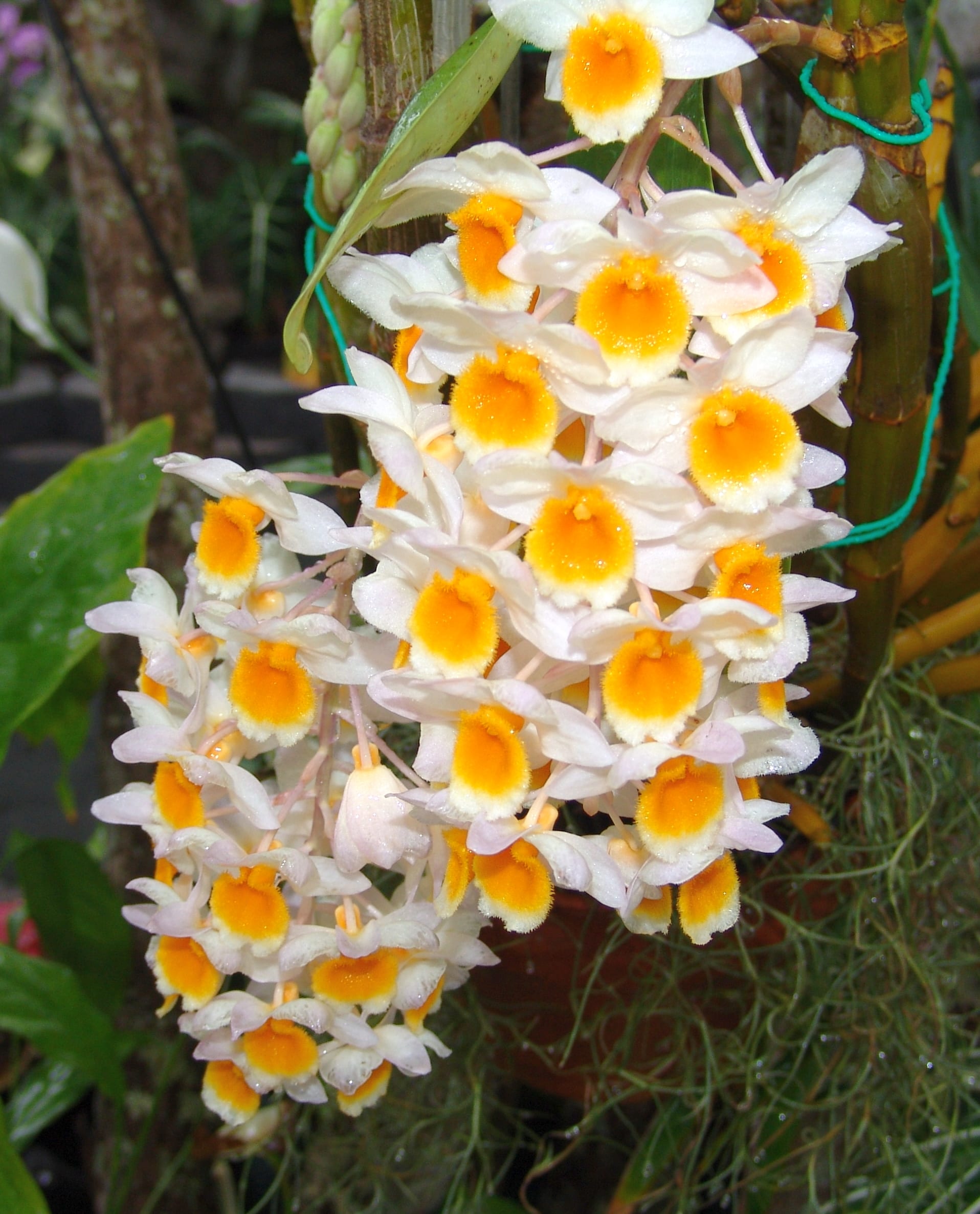
Pinecone-like Raceme Dendrobium
Dendrobium thyrsiflorum
A cluster-flowering Dendrobium that hangs dense sprays about 30 cm long of 30-50 flowers with white petals and a deep yellow lip; the pinecone-like cluster gives its English name.
 © Ghislain118 http://www.fleurs-des-montagnes.net / CC BY-SA 3.0
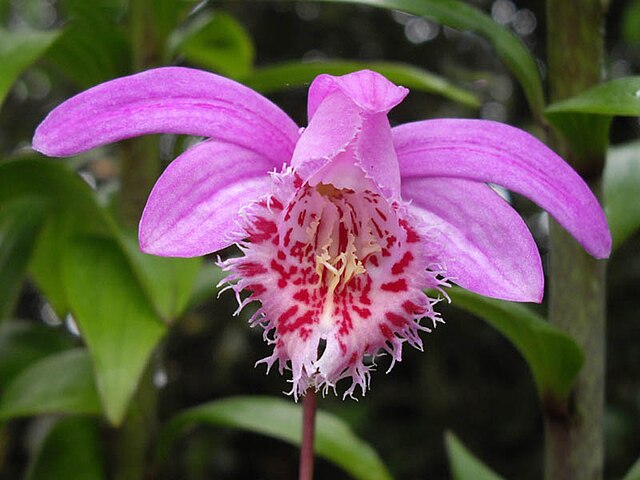
Pleione
A small deciduous orchid from the Himalayas, blooming with a single large flower in spring, cold hardy.
 © yakovlev.alexey from Moscow, Russia / CC BY-SA 2.0
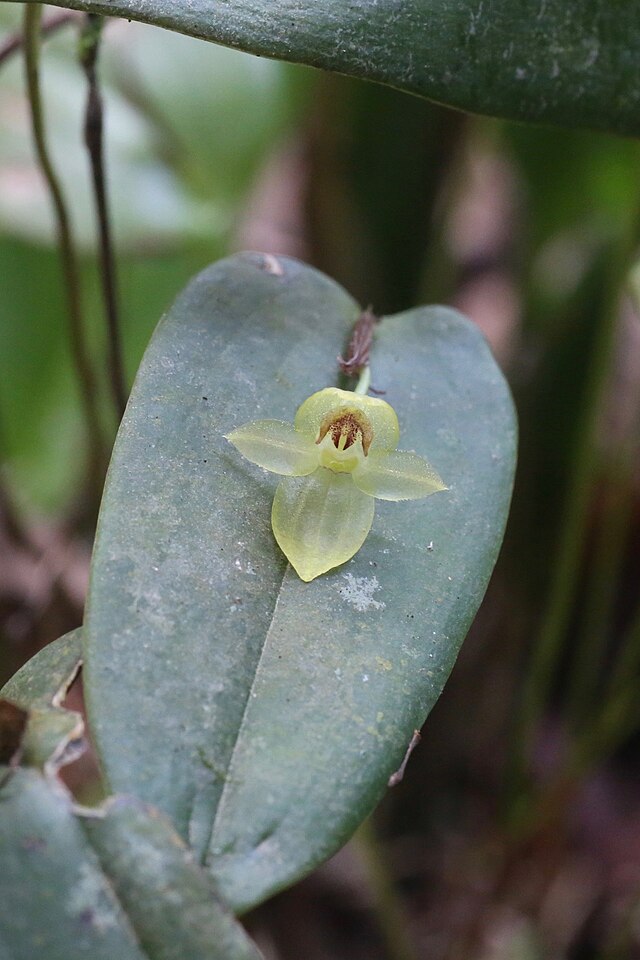
Pleurothallis
A huge genus with 1000+ species, many with tiny flowers best observed with a magnifying glass.
 © Dalton Holland Baptista / CC BY-SA 3.0
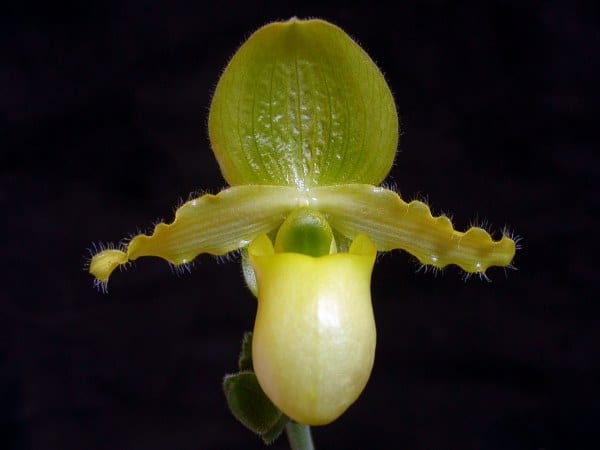
Primrose-yellow Paphiopedilum
Paphiopedilum primulinum
A small terrestrial slipper orchid endemic to northern Sumatra. From clear green leaves rises a stem that opens sweetly scented, pale yellow flowers one after another from the bottom up, so it stays in bloom for a long time.
 © Paul Prior / CC BY 4.0
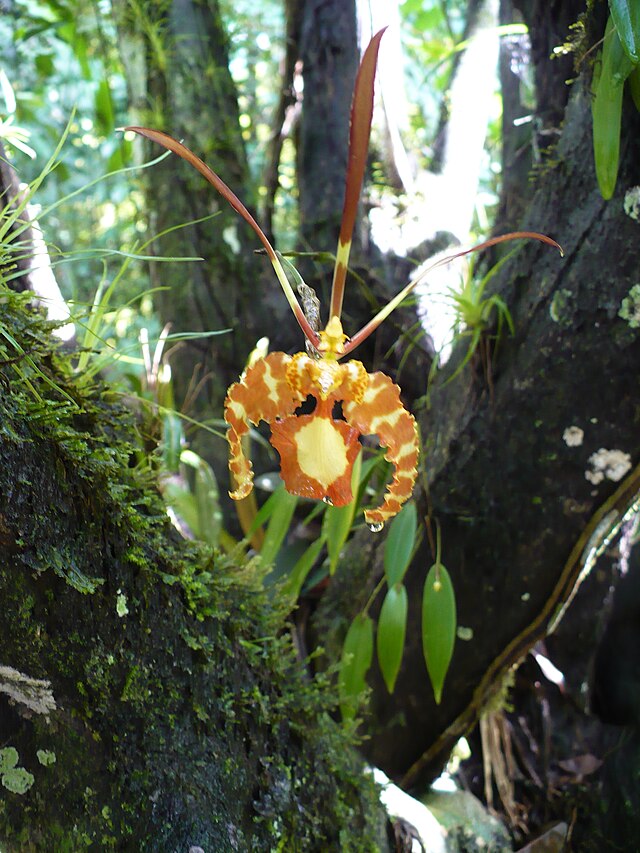
Psychopsis
Known for butterfly-like flowers that bloom sequentially on one spike for extended enjoyment.
 © Elena Gaillard from New York, USA / CC BY 2.0
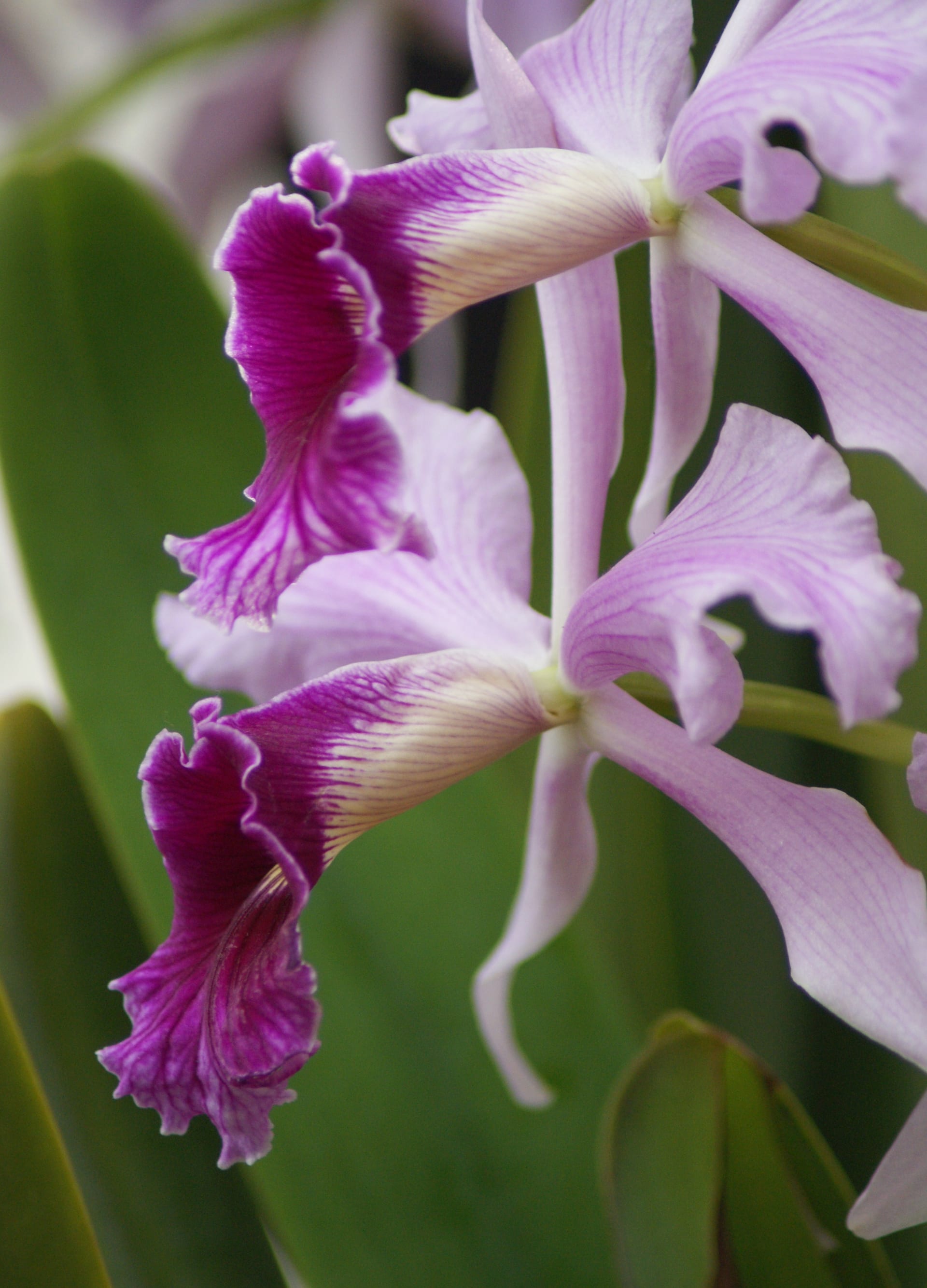
Purpurata Cattleya
Cattleya purpurata
A large-flowered Cattleya from southern Brazil whose deep purple-red lip stands out against white or pale pink petals. Long known as Laelia purpurata, it is sold as many named forms such as alba and carnea.
 © Akasmita / CC BY-SA 4.0
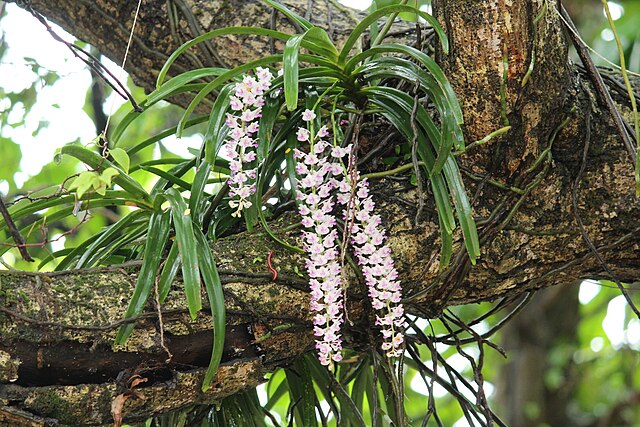
Rhynchostylis
Known as Foxtail Orchid, with dense flower spikes and sweet fragrance.
 © Krzysztof Ziarnek, Kenraiz / CC BY-SA 4.0
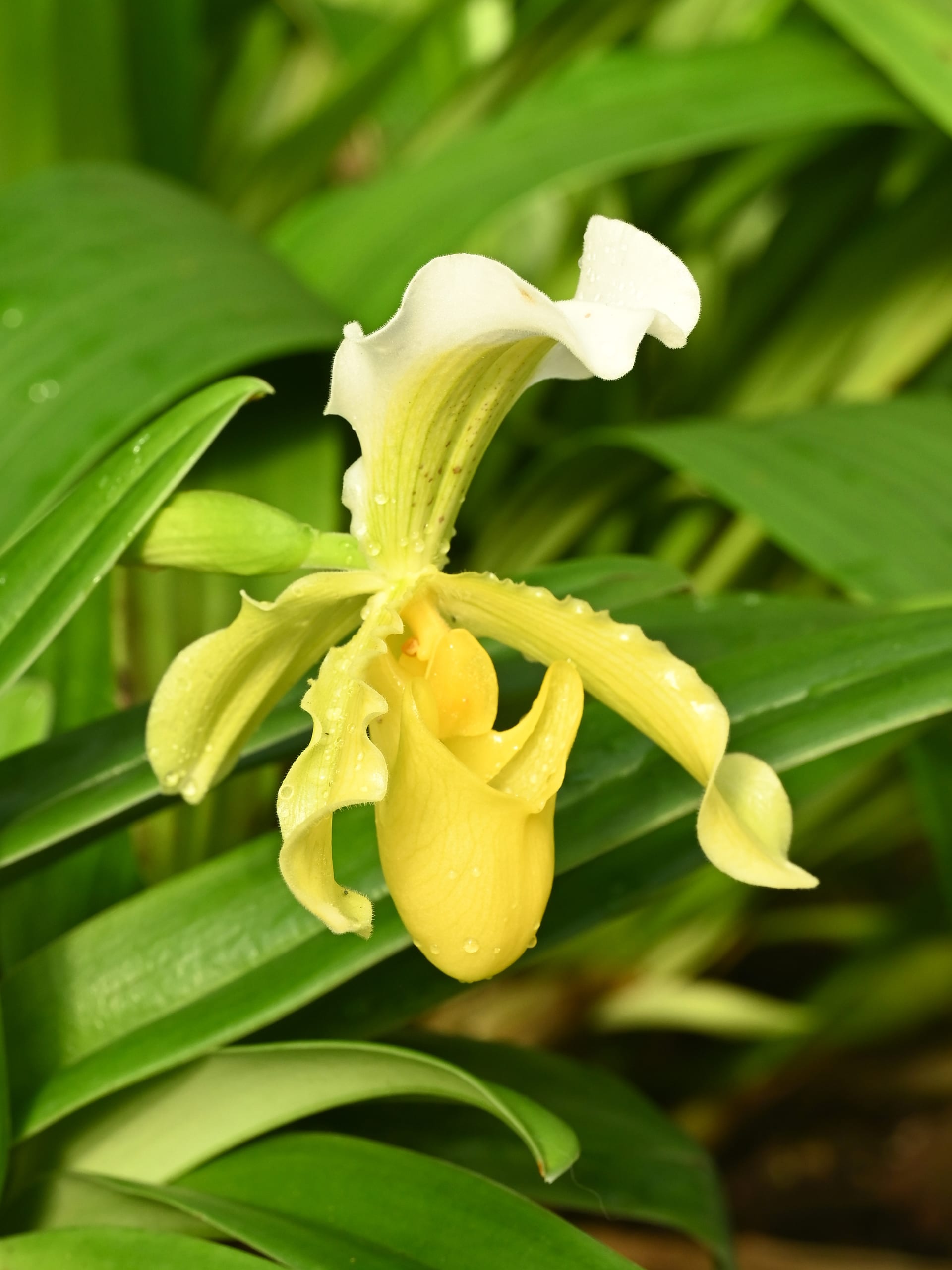
Spicer's Paphiopedilum
Paphiopedilum spicerianum
A terrestrial slipper orchid from rocky slopes in Assam, Bhutan, Myanmar and Yunnan. Its dull green leaves are speckled purple beneath near the base, and from autumn to winter a slender stem carries one flower 6-8 cm across.
 © Orchi / CC BY-SA 3.0
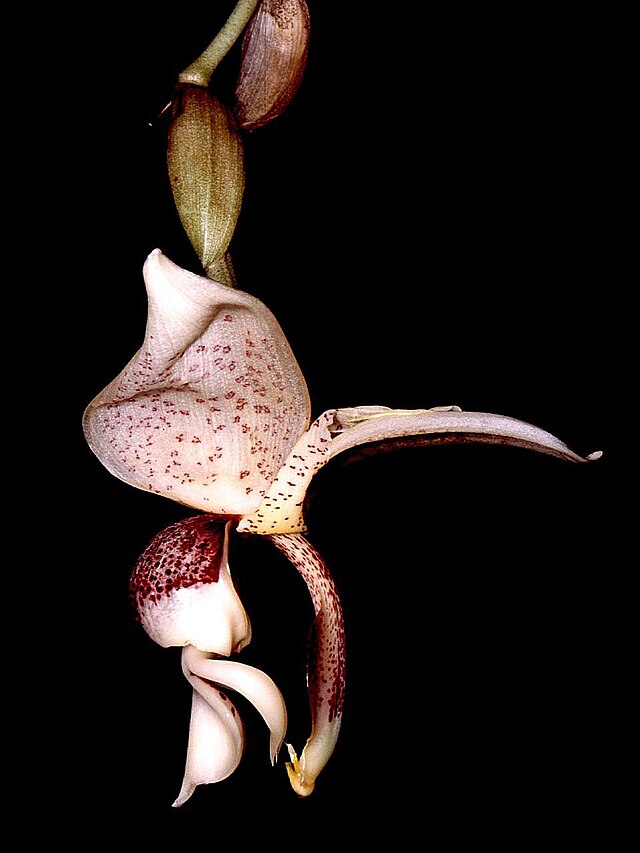
Stanhopea
A unique orchid with downward-hanging flowers, requiring basket culture with intense fragrance.
Related Content
Orchid FAQ
- How much do orchids cost?
- Mini Phalaenopsis cost 1,000-5,000 yen, large Phalaenopsis 5,000-30,000 yen, Cattleya 3,000-20,000 yen, and rare species orchids tens of thousands of yen depending on type and size.
- Can beginners grow orchids?
- Phalaenopsis and Dendrobium are easy to manage indoors and recommended for beginners. Place in bright indirect light and water when the moss dries out for long-lasting blooms.
- How long do orchids live?
- With proper care, orchids can be grown for decades. Phalaenopsis bloom annually and can be propagated by division. Many enthusiasts have plants over 10 years old.
- What should I check when buying orchids?
- Check that roots are green and healthy, leaves are firm, and there are no disease spots. Choosing a blooming plant helps you see what to expect and is easier for beginners.
- How do I get orchids to rebloom?
- Cut the flower spike above a node after blooming and keep in bright shade. A day-night temperature difference in autumn encourages flower spike formation. Consistent fertilizing and watering are key.