 © Cooleyray / CC BY-SA 4.0
奧德毛毡苔(Drosera ordensis)
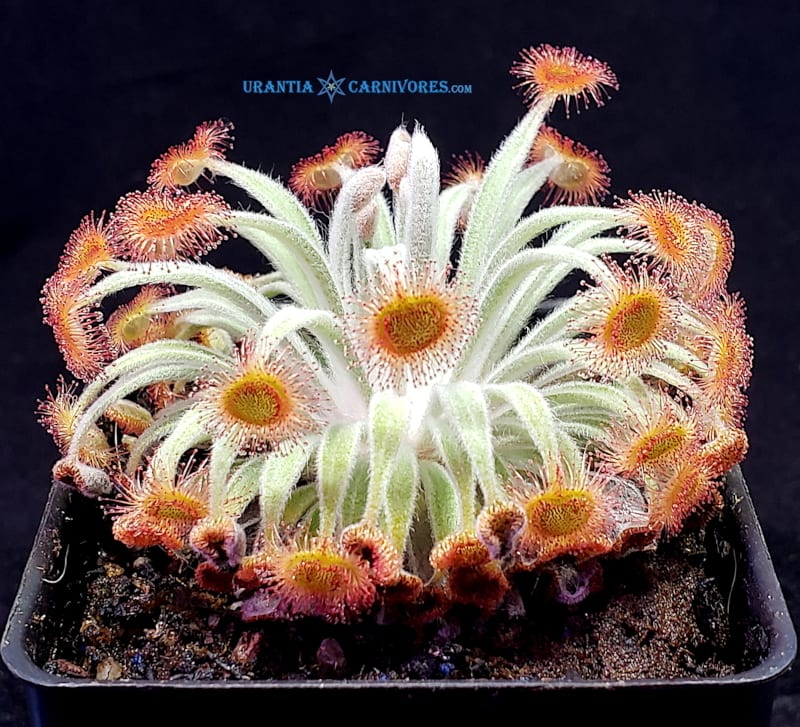
Drosera ordensis is a carnivorous sundew native to the Ord River region of northern Australia. It belongs to the woolly petiolaris group, its broad leaf stalks densely coated in long, silvery-white hairs that fan out into a striking rosette. Rosettes typically reach around 8cm across, though specimens up to 20cm have been reported. In the wild it flowers from December to April, producing pink-to-white blooms that contrast beautifully with its fuzzy foliage. As a perennial suited to intermediate growers, it rewards keepers who make sure it stays warm.
View 奧德毛毡苔(Drosera ordensis) encyclopedia →成交手续费0%!2026年9月30日前注册,前 2 株免佣金!
生产者 招募中!
在GrowerDirect上销售,直接面向全国客户销售吗?
GrowerDirect的 6 项透明性承诺
生产者在食虫植物出品时明示以下信息。确保品种、产地、所需光照、栽培难度的透明度。
- 品种明确
- 真实照片
- 颜色
- 产地明确
- 所需光照
- 难度明确
查看全部145个品种
奧德毛毡苔(Drosera ordensis)的基本数据
- 养护难度
- 适合中级者
- 寿命
- 多年生草本
- 体型
- 莲座丛直径约8厘米(有报告最大达20厘米)
- 浇水
- 不施肥(捕捉小昆虫)
- 温度·越冬
- 同属物种喜欢夏季30℃出头的温度,任何时期都不能低于18℃。冬季需加温保持温度。
- 光照·放置地点
- 在强光下生长良好,毛发呈白色醒目。光线不足时叶片徒长。
- 澆水
- 小盆置于盛水盘中进行腰水。夏季水位保持较高,冬季水位降低,可略干数日后再浇。使用纯水。
- 土壤·换盆
- 可用泥炭单独栽培,或泥炭、沙、珍珠岩等量混配栽培。因自生地为沙地,采用排水良好的配合较为适宜。
- 繁殖方法
- 叶插法不奏效,从叶柄基部摘下整片叶片进行栽植方法偶有成功,但某些株系不进行分株。获得种子需同时使两株不同系统株开花并进行人工授粉。
关于奧德毛毡苔(Drosera ordensis)
Learn about Drosera ordensis, a woolly sundew from northern Australia with silvery-haired leaves, pink-white blooms, and an 8cm rosette, best suited to intermediate growers.
开始养护奧德毛毡苔(Drosera ordensis)前需要了解的7件事
1Light and Placement
Native to the tropical Ord River region, Drosera ordensis thrives in warm, brightly lit conditions year-round. Outdoors, give it direct sun; indoors, a south-facing window or a grow light works well and helps the silvery hairs develop fully. It's sensitive to cold, so take care with its placement in winter.
2Watering by Tray Method
Like most sundews, this species is best kept on the tray, or bottom-watering, method, with the soil constantly moist. Keep a shallow dish of water under the pot and top it up as it evaporates. Tap water minerals can stress the plant over time, so rainwater or purified water is preferable.
3Soil Mix
In the wild it grows in sandy ground near sandstone outcrops, so a free-draining mix suits it. Pure peat, or equal parts peat, sand, and perlite, both work. Avoid standard potting soil or anything containing fertilizer, as it can damage the roots.
4When to Repot
Repot in spring through early summer, once growth is active, if the soil has broken down or the roots have become crowded. Handle the plant by its base rather than the hairy leaves or rosette center to avoid damage. Keep the tray well-watered for a while afterward to help it settle in.
5Year-Round Temperature Care
In the wild it forms small, hairy leaves in the dry season and goes semi-dormant. Its relatives prefer the low 30s °C in summer and dislike falling below 18°C at any time, so keep it heated through winter. In winter, lower the tray water level; letting it dry for a few days is fine.
6Choosing a Healthy Plant
Look for a plant with a firm rosette center and leaves densely covered in hair. Browning leaves or a dry appearance with little dew production can signal a weakened plant. Checking that the roots are well established is also worth doing.
7Handle the Hairy Leaves Gently
The dense silvery hairs covering the leaves are delicate, and rough contact or splashed soil and water can disrupt dew production and damage the leaf. When repotting or inspecting the plant, handle it by the base or the outer rosette rather than touching the leaves directly.
奧德毛毡苔(Drosera ordensis)的常见问题
- Q.Is this a good sundew for beginners?
- A.It's generally considered suited to intermediate growers rather than complete beginners. If you already have some experience with sundews and understand its need for warmth, humidity, and tray watering, it's a rewarding plant to take on.
- Q.Should I bring it indoors in winter?
- A.Yes. It dislikes falling below 18°C at any time of year, so it needs heating through winter. In the wild it goes semi-dormant in the dry season, so keep the tray water level lower in winter.
- Q.What do the flowers look like?
- A.It produces pink-to-white flowers held on a tall flower stalk above the foliage. The blooms offer a nice contrast against the plant's densely haired, silvery leaves.
- Q.How large does it grow?
- A.The rosette typically reaches around 8cm across, though reports exist of specimens growing up to 20cm under favorable conditions. Actual size varies with the health and care of the individual plant.
- Q.What should I watch for when watering?
- A.Keep the soil consistently moist using the tray method, but avoid tap water where possible since its mineral content can stress the plant over time; rainwater or purified water is better. Also be careful not to splash water directly onto the hairy leaves.
奧德毛毡苔(Drosera ordensis)种植的实用工具
在图鉴中详细了解奧德毛毡苔(Drosera ordensis)
查看奧德毛毡苔(Drosera ordensis)的图鉴条目 →
收录栽培难度、尺寸、原产地、日照等基础数据。