Display Techniques for Agaves and Compatible Companion Plants | Planting Design with Agave as the Star
Explains how to coordinate pots, stones, and sand to beautifully display agaves, and how to combine them with cacti, caudiciform plants, and succulents. Also introduces techniques for creating dry garden and modern interior styles.
Key Takeaways
Explains how to coordinate pots, stones, and sand to beautifully display agaves, and how to combine them with cacti, caudiciform plants, and succulents. Also introduces techniques for creating dry garden and modern interior styles.
Related Species
Agaves as the Star of Your Interior
Agaves are particularly visually striking among foliage plants. Their sharp, pointed leaves and symmetrical, geometric rosette shape harmonize with diverse aesthetic styles—from simple modern interiors to Japanese-style spaces and Mexican style. However, even the most beautiful specimens can lose half their charm depending on how they are displayed.
This article provides detailed explanations of how to display agaves as the focal point and how to combine them with compatible plants. By grasping these key points, a single agave specimen can become the focal point that elevates the entire space.
Basics of Indoor Display
The Aesthetics of Subtraction
Agaves are plants with strong presence. Placing many objects around them causes their beauty to get lost. Being mindful of the interior design principle of "subtraction," keep the area around your agave as simple as possible. Placement against a white wall alone, or displaying just one specimen on a low side table, is highly effective.
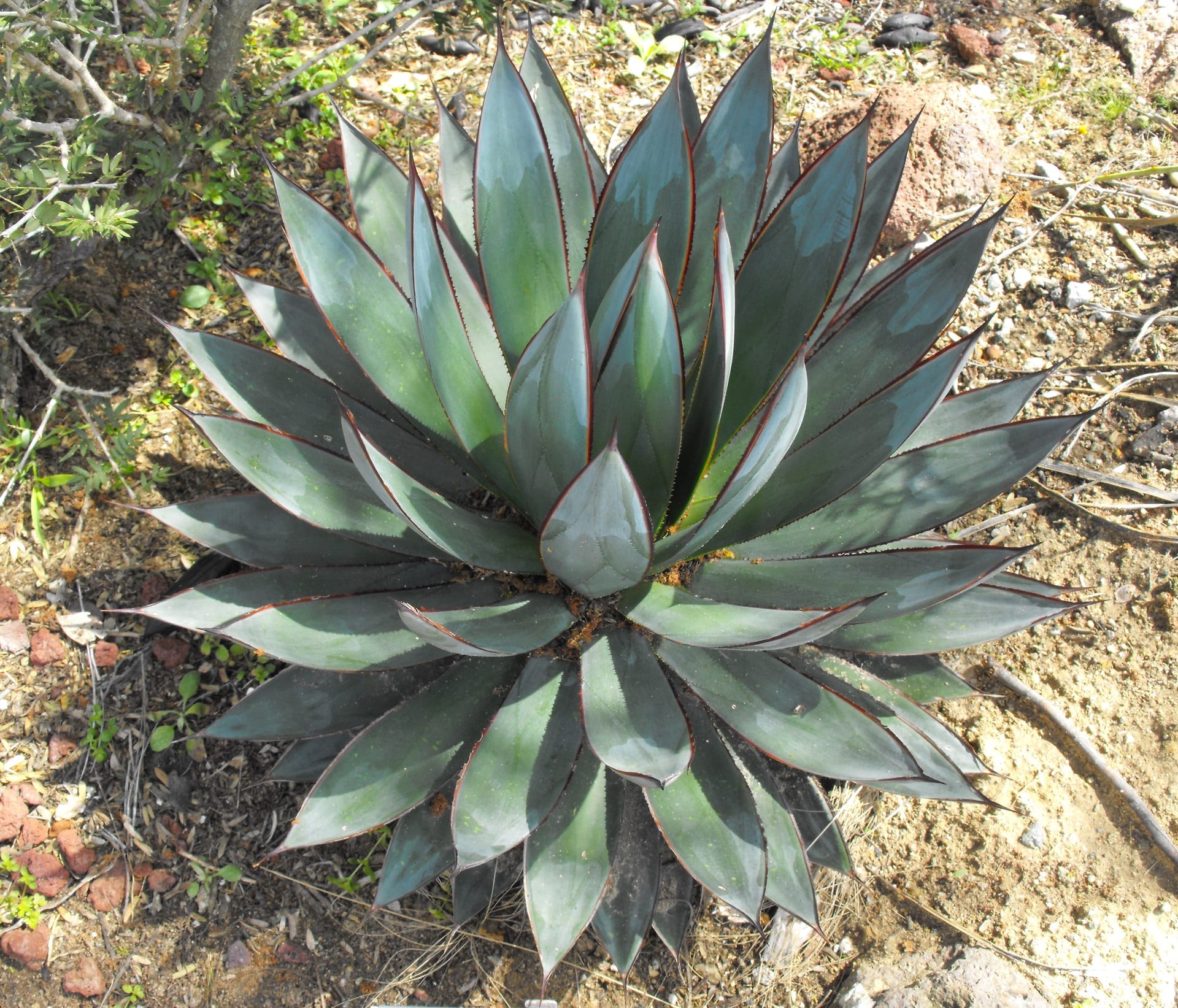
Varieties with beautiful foliage such as Agave 'Blue Glow' really shine when placed on a sunny windowsill where natural light highlights the translucency of the leaves.
Height and Visual Impact
Agaves make a grander impression when placed slightly above eye level, such as on a display shelf or stand, rather than on the floor. When placing on the floor, using iron or wooden plant stands can add height and create visual interest in the space.
Varieties with sharp leaf tips such as Agave titanota and Agave ferox are best positioned slightly away from walkways to prevent accidental contact. Displaying them with elevated stands to emphasize their presence while maintaining a safe distance is the practical approach.
Coordination with Pots
Choosing the right pot to complement your agave's beauty is equally important. Selecting materials that match the mood of each variety creates a sense of unity.
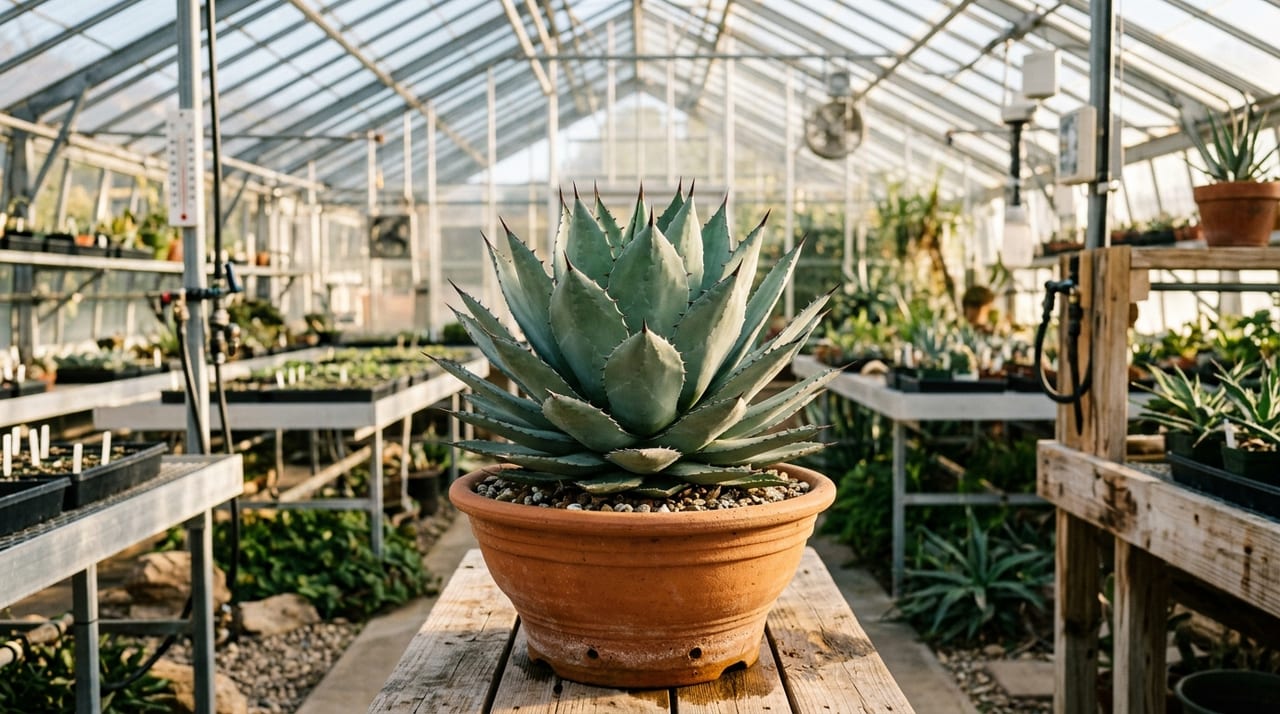
- Terracotta and earthenware pots: Natural material textures enhance the rustic beauty of agaves. High breathability also helps reduce root rot risk
- Concrete and cement pots: Industrial matte finishes create a modern impression. Particularly well-suited to white and gray-toned varieties
- Black pots: Create striking contrast with the grayish-blue foliage of agaves, resulting in a refined look
- Japanese ceramic pots: Blue and gray-toned glazes evoke a subtle Japanese atmosphere. Combinations with Agave titanota 'Black Oni' or Agave 'Gentleman' produce bonsai-like beauty
Outdoor Display and Dry Gardens
Landscape Planting in the Ground
Large agaves planted in the ground function as landscape focal points in the garden. Dry gardens filled with gravel or bark chips, modeled after agaves' natural habitat (arid regions of Mexico), are both beautiful and require minimal maintenance.
Large varieties such as Agave americana and Agave sisalana have such overwhelming presence that a single specimen can become the star of the garden. Placing fist-sized lava rocks or white gravel around the base creates a landscape closer to the native aesthetic.
Outdoor Potted Display
When arranging multiple agaves, the key is to vary their heights using large, medium, and small specimens. Arranging the same variety in different sizes creates clean uniformity, while different varieties showcase the diversity of your collection.
On terraces or wooden decks, agaves' inorganic beauty stands out in contrast to the wood grain. Creating elevation changes with tall wooden stands or concrete blocks adds depth to what might otherwise be a flat arrangement.
Compatible Companion Plants
Coexistence with Succulents
Succulent plants suited to the same dry-growing conditions as agaves are excellent companions. They have similar watering needs and often complement the aesthetic.
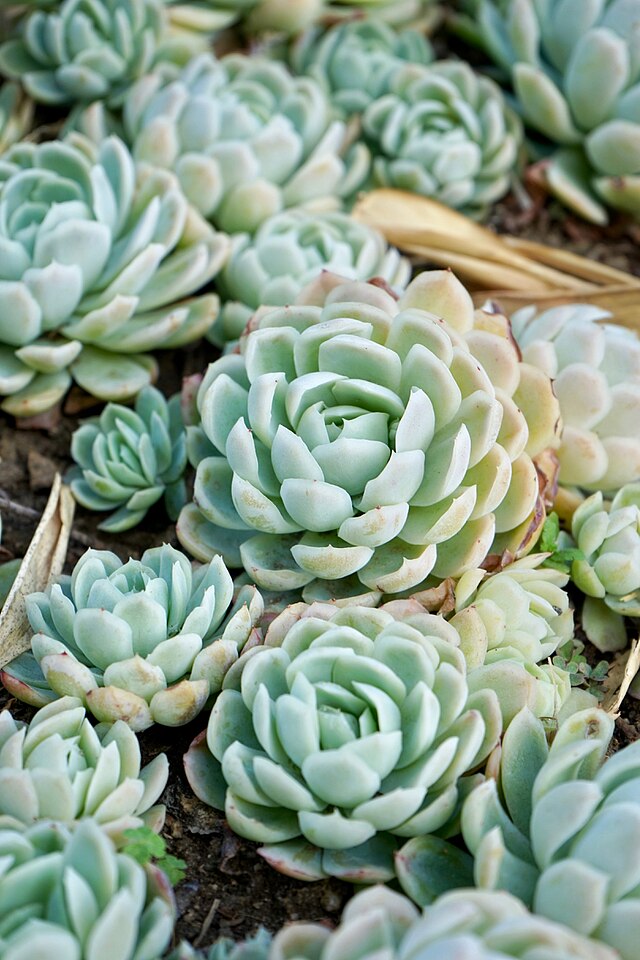
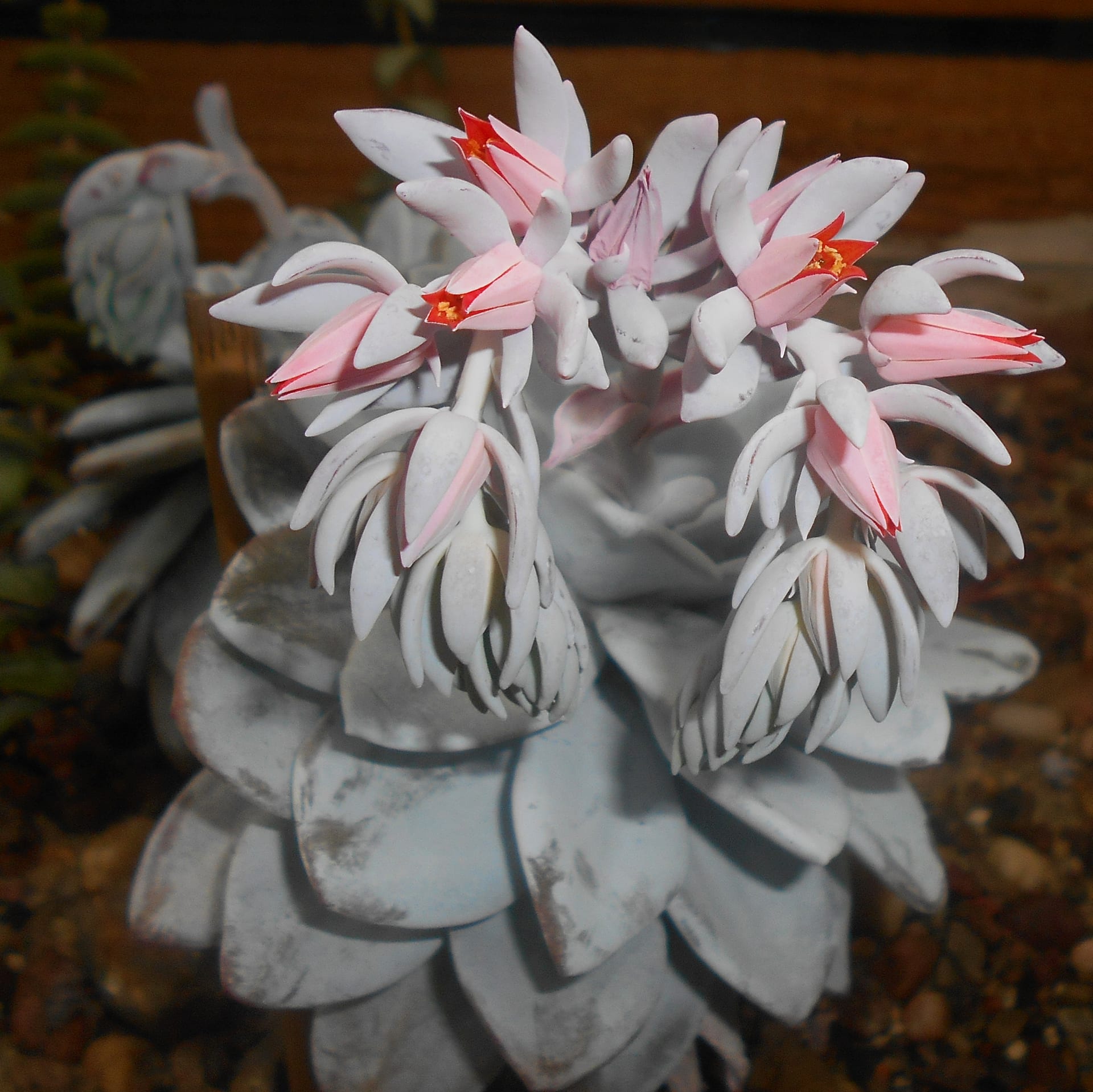
- Echeveria: Their round, fleshy leaves provide beautiful contrast to the sharp foliage of agaves. Echeveria laui with red-tinged leaf edges when backlit is particularly striking
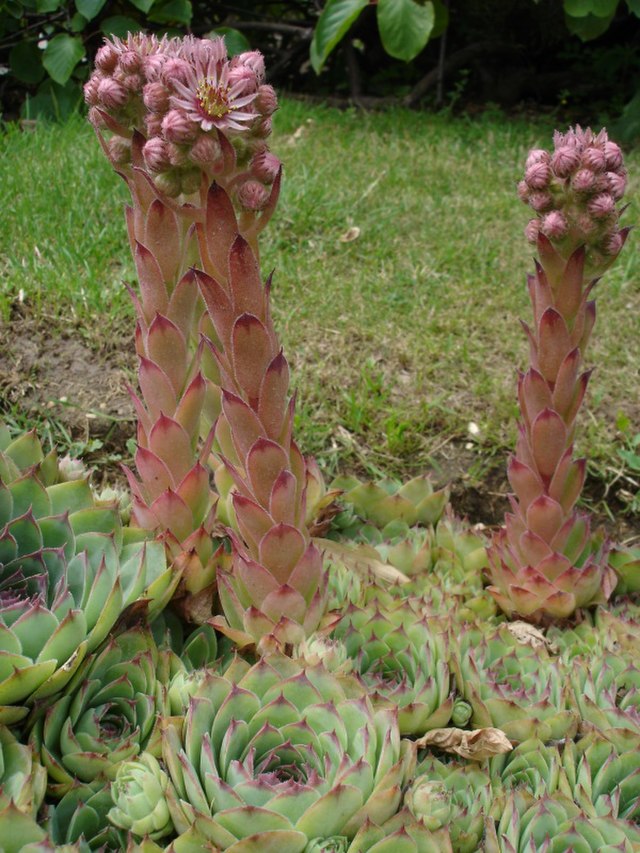
- Sempervivum: Cold-hardy and functional as groundcover in garden beds. Planting thickly around the base of agaves creates density and fullness
- Haworthia: Shade-tolerant and mostly small species that work well in areas shaded by agaves
Pairing with Caudiciform Plants (Caudex Plants)
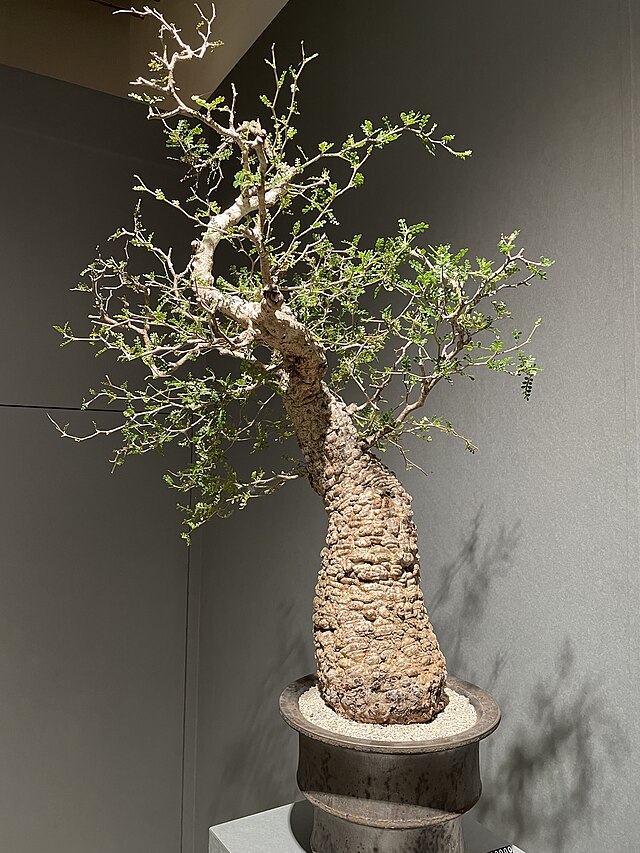
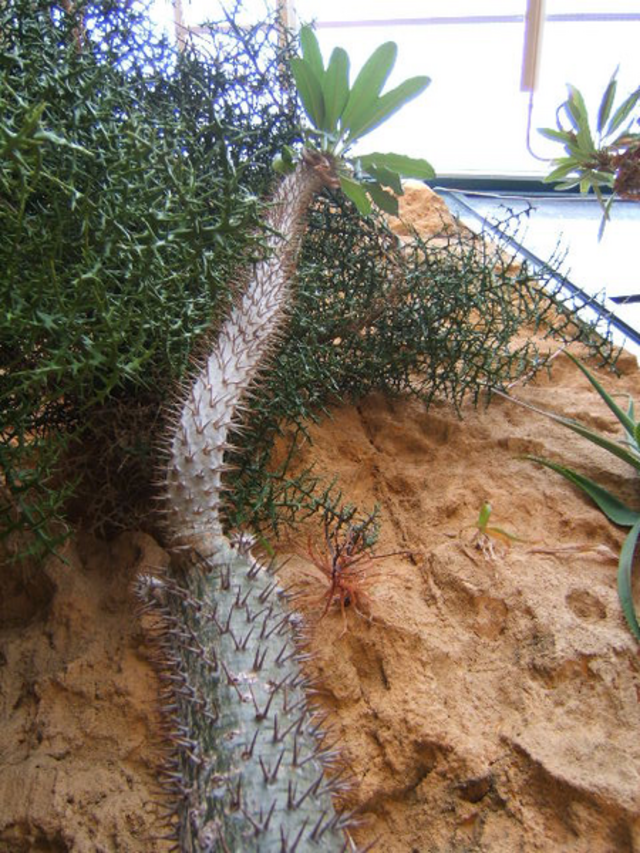
Caudiciform plants, which share agaves' preference for dry conditions, can coexist successfully. Pachypodium lamerei (also called Madagascar palm) shares agaves' aesthetic with its spiny trunk and delicate leaves, and looks harmonious when arranged in the same space. Placing a substantial caudex like Operculicarya pachypus next to an agave significantly elevates the quality of a plant collection.
However, since watering frequency and shade requirements vary by species, separate pot cultivation is generally recommended. Mixed planting in a single pot often leads to care mistakes.
Pairing with Desert Shrubs and Grasses
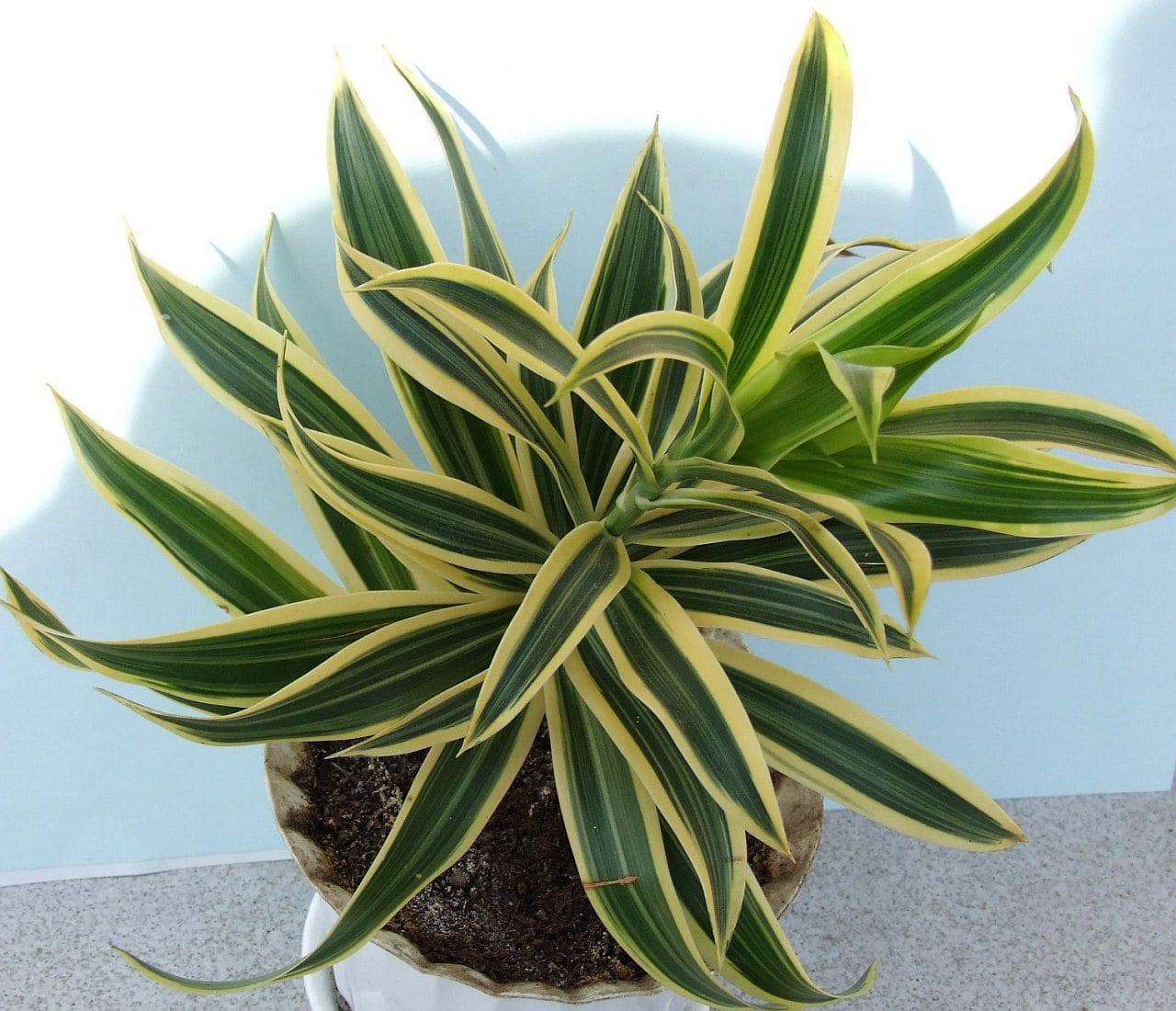
Yucca and Dracaena draco (Dragon's blood tree) share agaves' drought tolerance and vertical lines, functioning as a tall background. Placing agaves in the foreground with yucca in the back creates depth in plantings.
Ornamental grasses present surprisingly good compatibility. Fine, loosely textured foliage like that of blue fescue gently softens the linear form of agaves.
Possibilities for Japanese-Style Display
Combining moss with desert plants creates a unique aesthetic that merges desert plants with the Japanese sensibility of wabi-sabi. Applying mountain moss to the soil surface of a pot adds a moist appearance unexpected from a drought-tolerant plant. The style of placing a single agave in a Japanese stone garden or dry garden (karesansui) has recently gained attention as a botanical interior design trend.
Discover Distinctive Agaves at GrowerDirect
At GrowerDirect, you can purchase distinctive agaves perfect for display directly from growers. For specific questions such as "What varieties work well with my interior?" "Which specimen fits this pot size?" or "I'd like to buy companion succulents to pair with this," you can send a message directly to the grower who raised the plant. Visit GrowerDirect to create your own unique agave display.