How to Create a Dutch Style Aquatic Plant Layout | Beautiful Aquascaping with Color and Height Gradation
An explanation of the fundamentals and practice of creating colorful Dutch style aquatic plant layouts. We introduce color, leaf shape, and height gradation techniques, planting rules for foreground, midground, and background, and how to select aquatic plants suitable for Dutch style.
Key Takeaways
An explanation of the fundamentals and practice of creating colorful Dutch style aquatic plant layouts. We introduce color, leaf shape, and height gradation techniques, planting rules for foreground, midground, and background, and how to select aquatic plants suitable for Dutch style.
Related Species
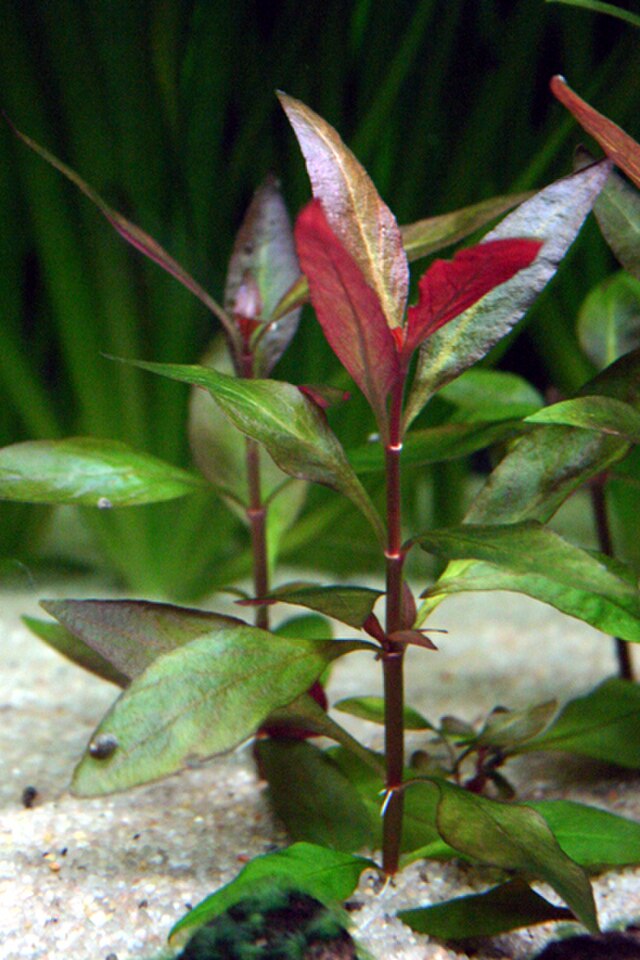
Alternanthera Reineckii
View species details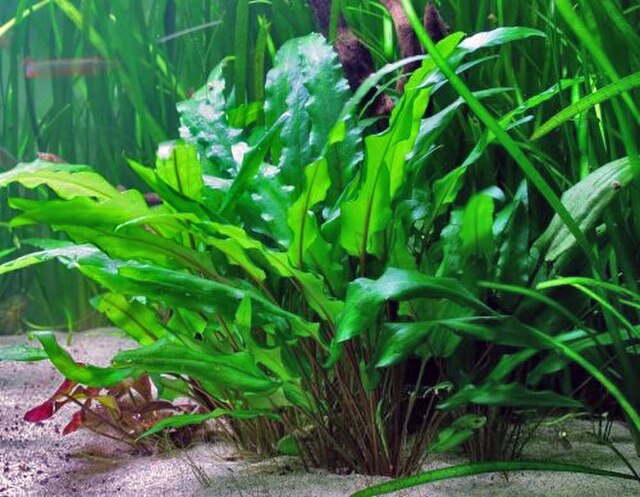
Cryptocoryne
View species details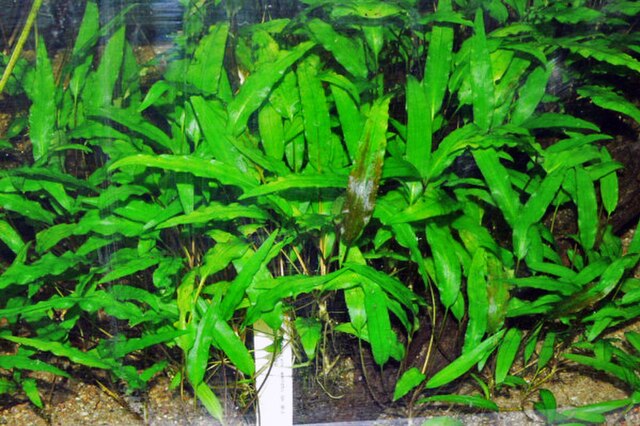
Cryptocoryne Wendtii
View species details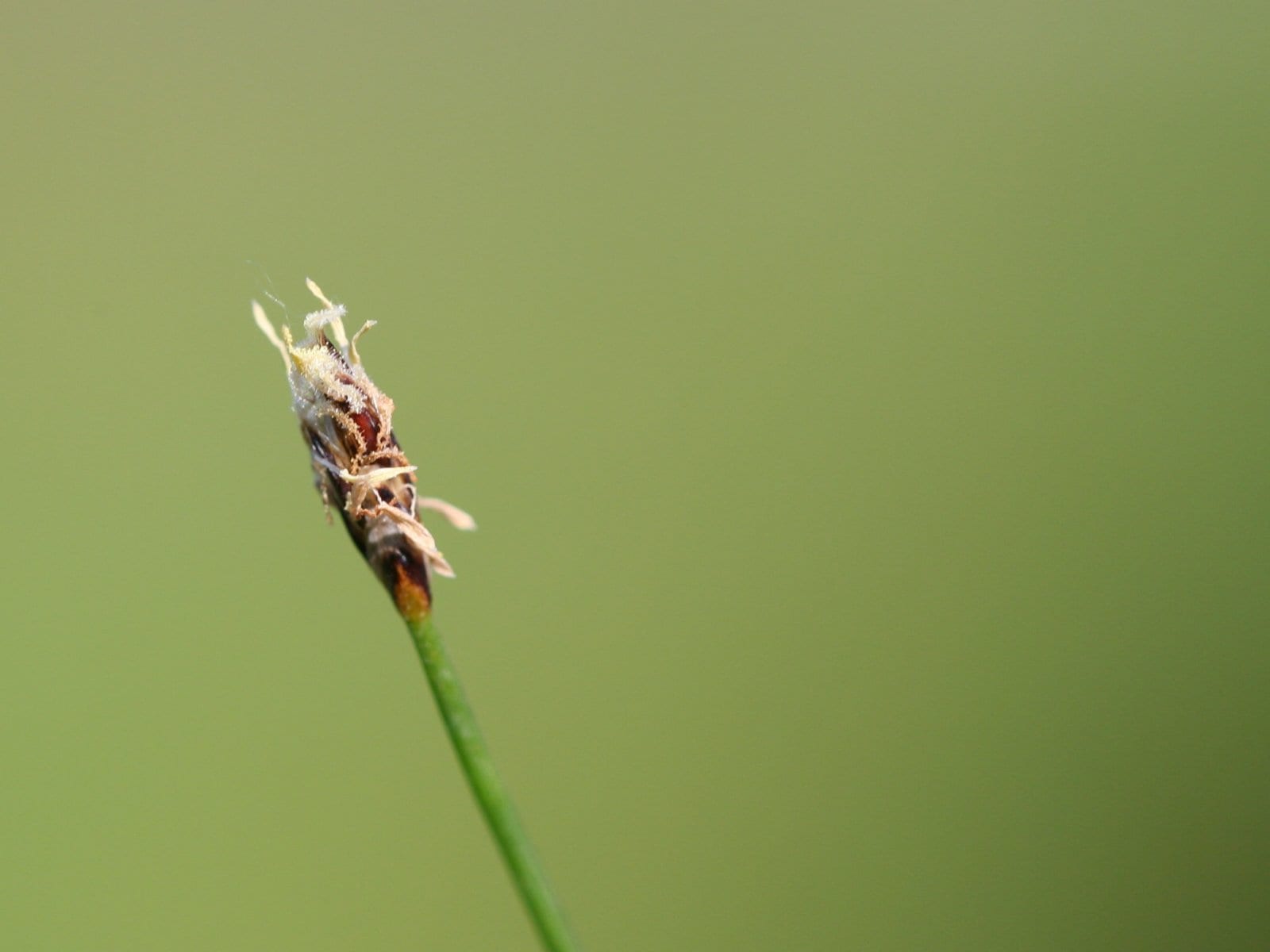
Hairgrass
View species details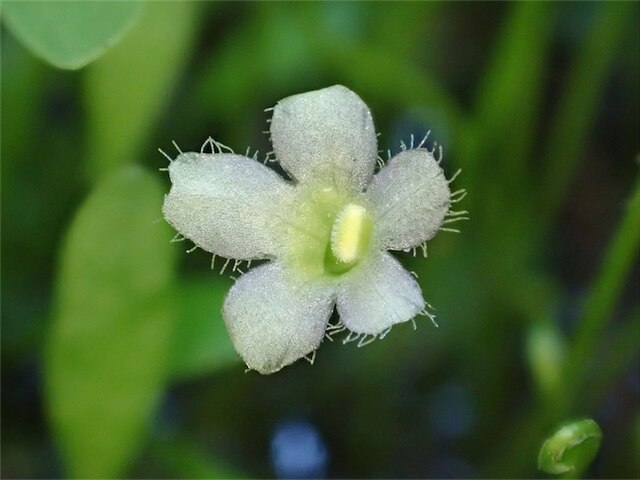
Glossostigma
View species details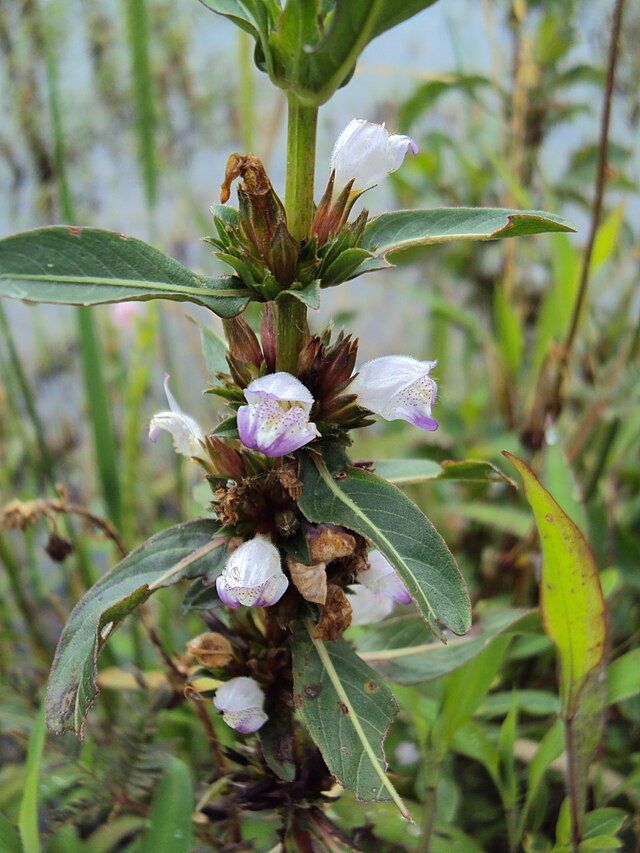
Hygrophila
View species details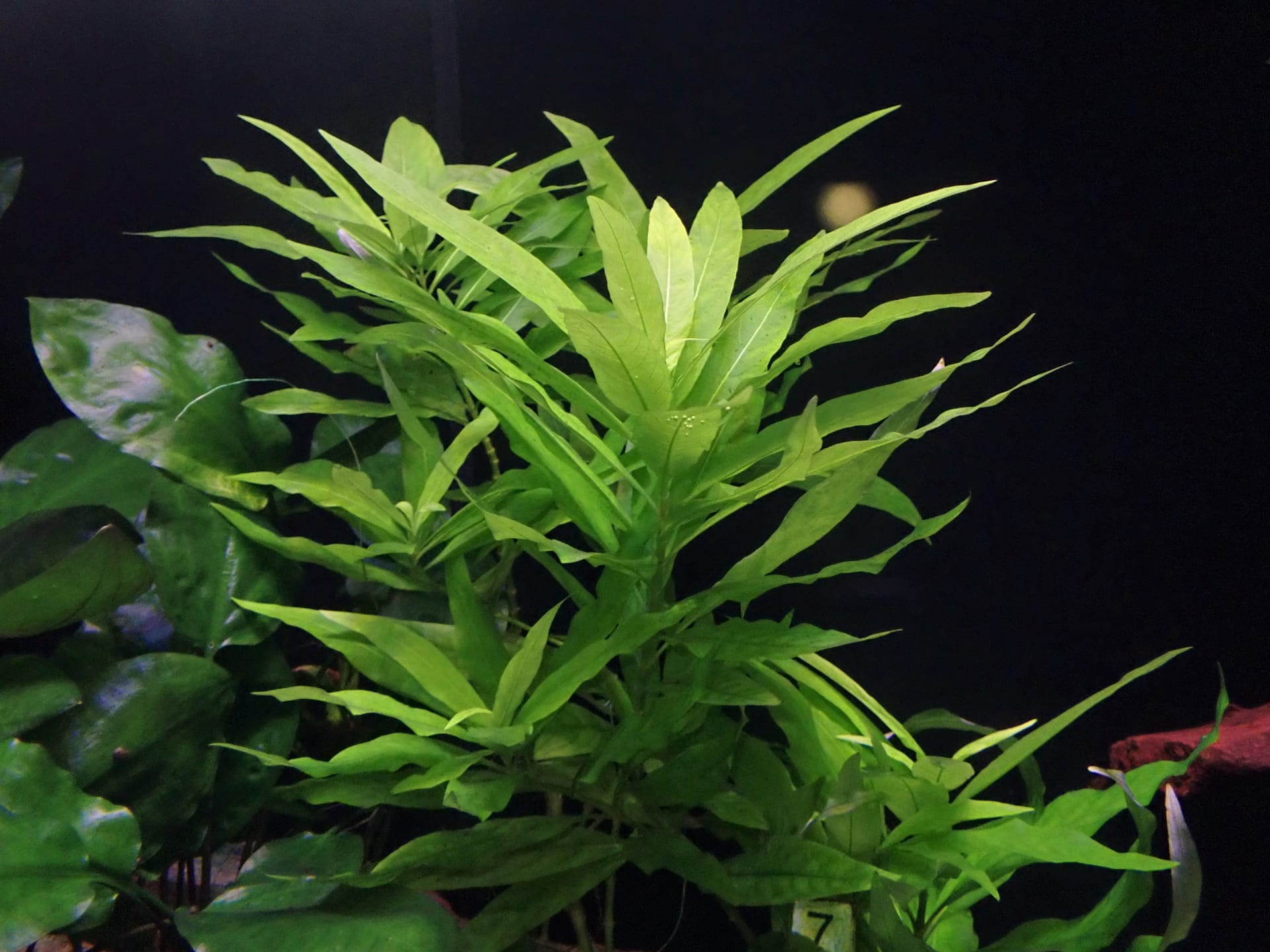
Temple plant (Hygrophila corymbosa)
View species details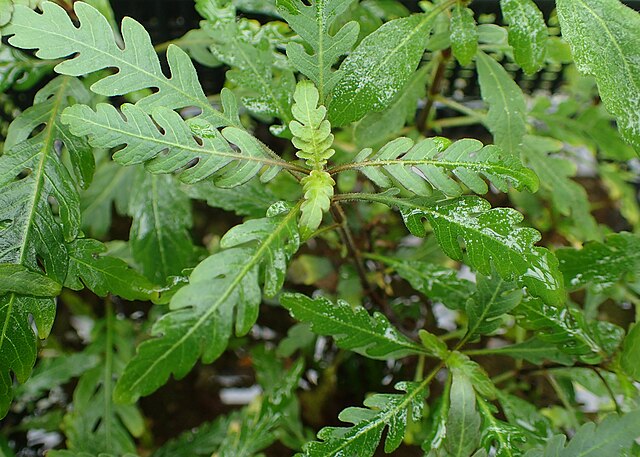
Hygrophila Pinnatifida
View species detailsWhat is Dutch Style? A Classic Aquatic Plant Tank Style
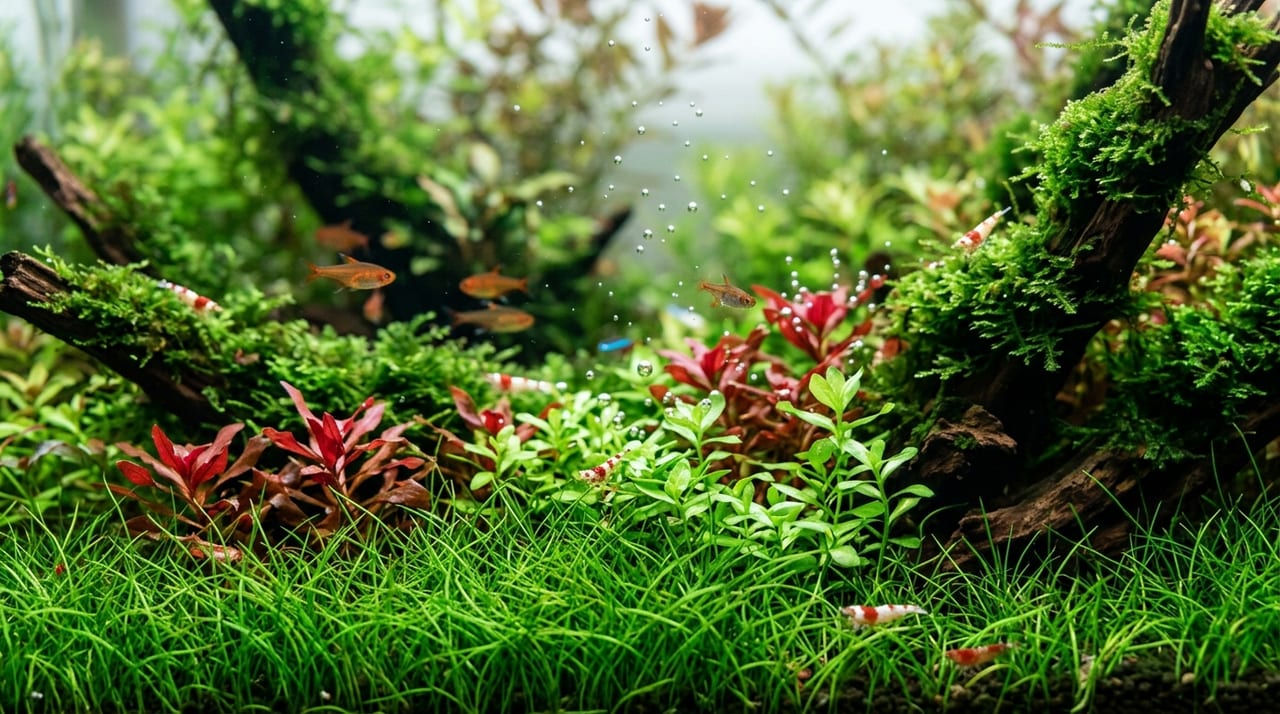
"Dutch Style" is an aquarium style that developed in the Netherlands in the 1930s. It features a beautifully arranged underwater garden-like layout where aquatic plants are positioned with careful consideration of type, color, and height—one of the most traditional aquatic plant aquarium styles.
Unlike Japan's "Nature Aquarium" (which reproduces natural water landscapes as pioneered by Takashi Amano, using rocks and driftwood), Dutch style places the beauty and color of the plants themselves front and center, essentially creating an "underwater flower garden." It has a long competitive history and is recognized as an independent category in the International Aquatic Plants Layout Contest (IAPLC).
Though it may seem challenging for beginners, understanding the basic principles makes it achievable even in a 60cm tank. Once you become comfortable managing plants from foreground to background, consulting the aquatic plant trimming guide will help you master the secrets to keeping your layout beautiful long-term.
Dutch Style Fundamentals
Street (Visual Passage) Design
The defining feature of Dutch style is the creation of a visual passage called a "street" within the tank. Plant groups are arranged diagonally from foreground to background, naturally guiding the viewer's eye toward the depths.
Typically, a diagonal passage is created from one side, with taller plants massed on one side and lower plants on the opposite side, creating a sense of perspective. The passage itself is usually kept as open sand or covered with extremely low foreground plants.
Three-Zone Composition (Foreground, Midground, Background)
Dutch style divides the tank height into three distinct zones.
- Foreground (FG): The area near the tank bottom, covered with short plants. Glossostigma, hair grass, and other low-growing species are densely planted to create a carpet effect.
- Midground: The middle section of the tank. Uses rosette-type plants and medium-height stem plants to bridge foreground and background.
- Background (BG): The upper region where tall stem plants like Ludwigia, Hygrophila, and milfoil are group-planted to flourish near the water surface.
The key to natural beauty is creating a gradual gradation rather than sharp boundaries between zones.
Color Design and Contrast
A layout of green alone becomes monotonous. Dutch style achieves visual impact by consciously combining red, orange, brown, yellow-green, and deep green.
Popular red stem plants:
- Ludwigia Super Red (vibrant red with striking presence)
- Alternanthera reineckii (deep crimson)
- Rotala indica (pink to red, delicate appearance from fine leaves)
Green plants for contrast:
- Hygrophila pinnatifida (dissected leaves create textural interest)
- Mayaca fluviatilis (fine leaves in bright lime green)
Use two color placement strategies depending on the composition: "place red and green adjacent for maximum contrast" or "create gradations within the same color family."
Odd-Number Grouping
Plant groups arranged in odd numbers (3, 5, 7) achieve better balance. Even numbers tend to create symmetrical, static compositions. Group the same species to form distinct "areas," and change species between groups so each stands out distinctly.
Equipment Essential for Dutch Style
Dutch style depends heavily on plant growth, so investing in proper equipment significantly impacts the final result.
Substrate: Nutrient-rich soil is essential. Since aquatic plants absorb large amounts of nutrients through their roots, use aquatic plant-specific soil like ADA or Project Soil at a minimum depth of 5cm. Creating a slope with a lower front and higher back increases three-dimensionality.
CO2 injection: Nearly mandatory. A pressurized CO2 system supplying 1-2 bubbles per second produces dramatically faster stem plant growth and superior leaf coloration. Fermentation-based CO2 systems lack adequate quantity and consistency, so pressurized systems are strongly recommended for serious layouts.
Lighting: High light intensity is required, with a target PAR value of 150-200μmol or higher. Select highly-rated LEDs like WRGB2, Chihiros, or Twinstar appropriate for your tank size. Insufficient light directly impairs the coloration of red aquatic plants.
Liquid fertilizer: Add macro nutrients (nitrogen, phosphorus, potassium) and micro nutrients (iron, magnesium, etc.) 2-3 times weekly. Iron deficiency especially causes color loss in red plants, so iron-rich fertilizers are non-negotiable.
Recommended Plant Composition for a 60cm Tank
Here's an example composition for a standard 60cm tank (60×30×36cm).
Background (rear):
- Hygrophila corymbosa—creates an impressive backdrop with large green leaves as the focal plant
- Ludwigia Super Red—densely planted on the right background as a red accent
- Milfoil matogrossense—feathery fine leaves add delicate texture to the background
Midground:
- Rotala macrandra—round red to pink leaves add warmth to the midground
- Cryptocoryne wendtii (brown)—rosette-type plant with presence, ideal as a fixed-point midground accent
Foreground:
- Glossostigma—the standard low carpet plant for covering the tank floor
- Hair grass (Eleocharis parvula)—fine, delicate leaves sway with water current, creating movement
Adding a sand "street" pathway on one side transforms the spatial depth and dramatically increases the overall polish.
Trimming and Maintenance Tips
Dutch style is not complete once built—it requires ongoing care. Untended stem plants grow to the water surface and block light, making weekly to twice-weekly trimming essential.
The fundamental technique is "cut and replant." Remove the upper portion of elongated stems and replant these cuttings in the substrate. Repeating this densifies the plant base, creating beautiful, lush groupings.
Also, when boundaries between plant groups blur, clean them up and refine the outlines. The clearer each group's distinct "area," the more effectively you maintain the sharp, contrasting aesthetic Dutch style is known for.
Perform water changes at approximately 1/3 of tank volume weekly. During changes, siphon detritus (accumulated organic matter) from the substrate to maintain stable water quality.
Conclusion
Dutch style demands careful planting design and consistent trimming, but the resulting beauty is exceptional. Start by selecting plants for foreground and background, then arrange them with attention to red-green contrast and a height gradient from low front to high back. It's best to begin with just 3-5 plant species and gradually expand variety as you gain experience. This long-established style has abundant reference examples to draw from. When you become interested in stone-based techniques, explore the stone arrangement layout beginner's guide, a contrasting approach that will further expand your aquatic gardening horizons. Create your own underwater masterpiece.