Foreground Plant Types and Planting Guide | Tips for Creating a Carpet
Explains the characteristics of foreground plant types such as glossostigma and Cuba pearl grass, and techniques for planting, trimming, light intensity, and CO2 management to create a beautiful carpet.
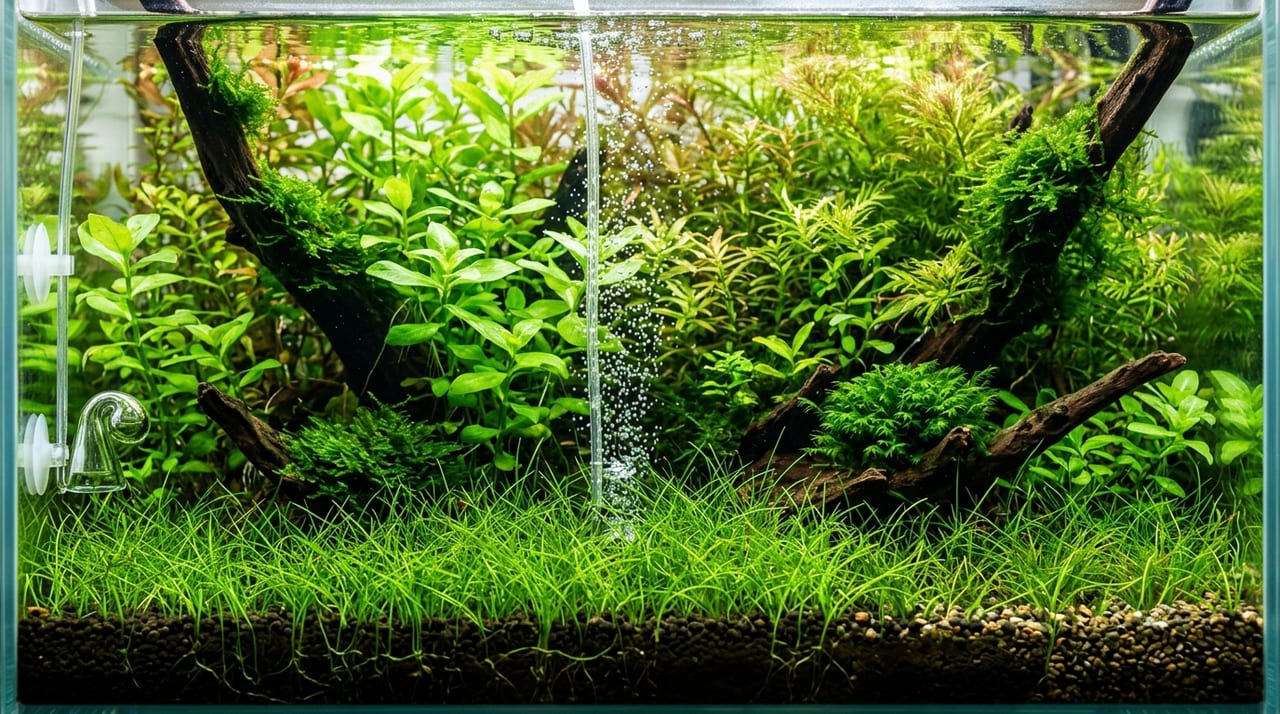
Key Takeaways
Explains the characteristics of foreground plant types such as glossostigma and Cuba pearl grass, and techniques for planting, trimming, light intensity, and CO2 management to create a beautiful carpet.
Related Species
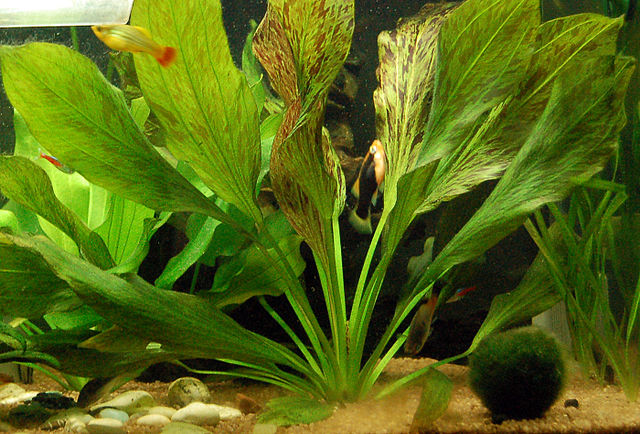
Echinodorus (Amazon Sword)
View species details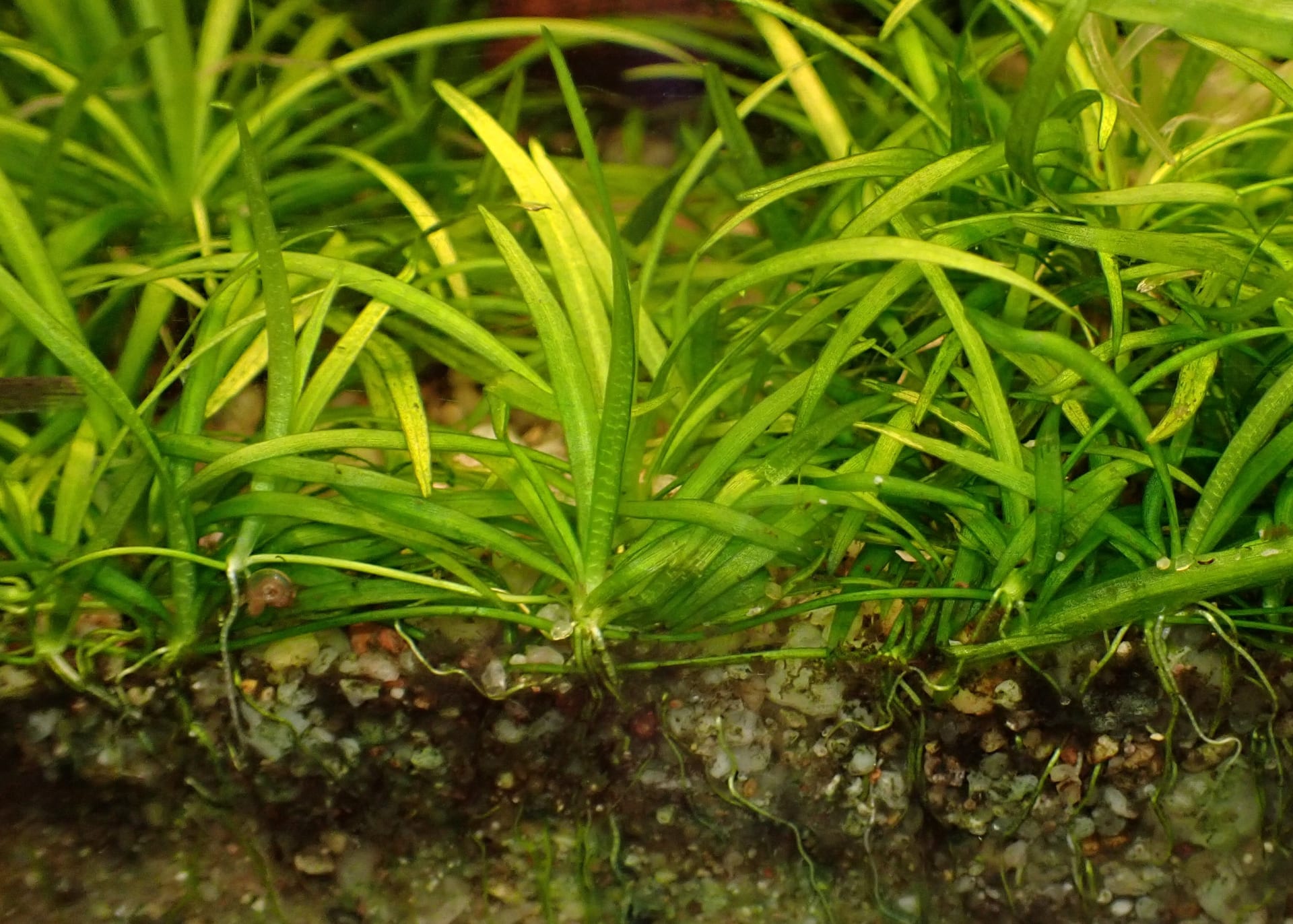
Pygmy chain sword (Helanthium tenellum)
View species details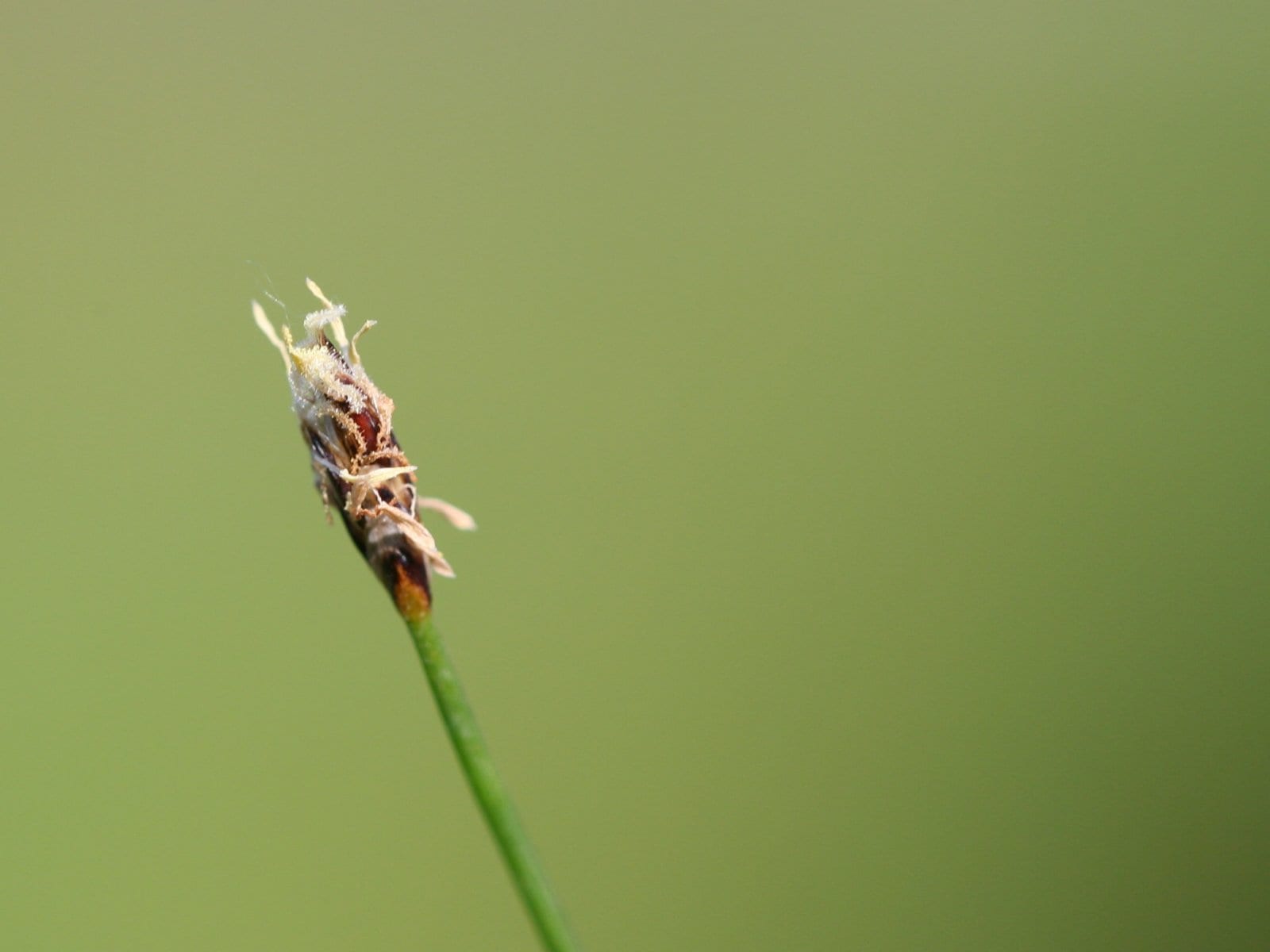
Hairgrass
View species details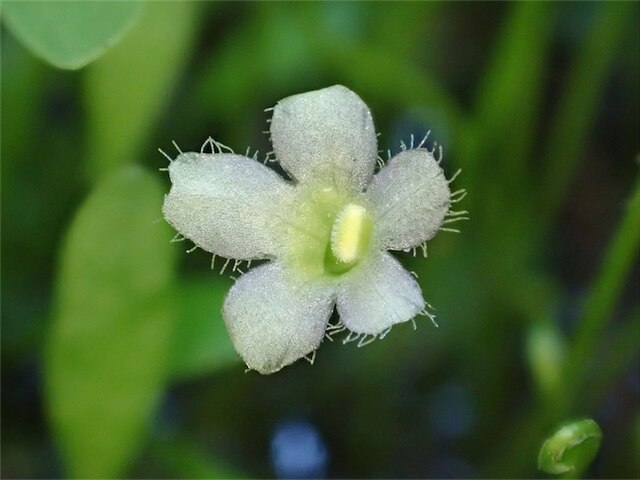
Glossostigma
View species details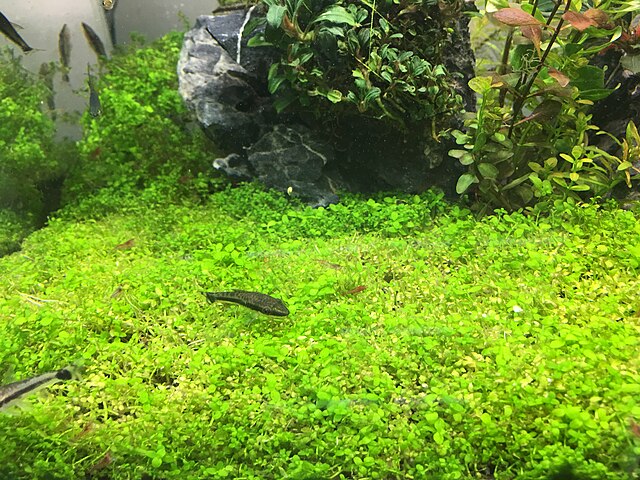
Hemianthus callitrichoides
View species detailsNew Large Pearl Grass
View species detailsPearl Grass
View species detailsForeground plants, which add color to the base of an aquatic plant tank, are an important element in creating a beautiful landscape like a green carpet. Here we explain popular foreground plant types and techniques for successful carpet formation.
Types and Characteristics of Foreground Plants
There are many types of foreground plants, each with different difficulty levels and appearances. Selecting a type that suits your environment and preferences is the first step to success.
| Plant Type | Characteristics | Cultivation Tips |
|---|---|---|
| Glossostigma | One of the most popular foreground plants. Round leaves spread horizontally via runners, forming a dense carpet. Grows extremely rapidly, covering the substrate within 2–3 weeks. | High light intensity and CO2 addition are essential; insufficient light causes upward growth. |
| Cuba Pearl Grass (Hemianthus callitrichoides) | Creates a dense and beautiful carpet with tiny, round leaves packed closely together. | More challenging than glossostigma; requires high light intensity, CO2 addition, and soft water conditions. Difficult to grow in hard water, so soil use is recommended. |
| New Large Pearl Grass | Similar appearance to Cuba pearl grass but significantly easier to grow. | Grows without CO2 addition, but CO2 improves carpet density. Recommended for beginners. |
| Hair Grass (Eleocharis) | Fine leaves stand upright like grass, creating a meadow-like atmosphere. Short hair grass reaches about 5 cm, while regular hair grass grows 10–15 cm tall. | Spreads at a moderate speed via runners; CO2 addition accelerates growth. |
| Water Lorn (Utricularia graminifolia) | Related to bladderwort, a carnivorous plant, creating an extremely delicate and beautiful carpet. Once established, produces a very beautiful landscape. | High difficulty; requires a stable environment with high light intensity and CO2. |
Those beginning an aquatic plant tank should first grasp the basics with the Aquatic Plant Beginner's Guide before attempting foreground plants, as this minimizes failure.
Basic Planting Techniques
How you plant foreground plants significantly affects carpet quality and how quickly it completes.
Plant in Divided Bundles Always divide potted foreground plants into smaller portions. Group 2–3 stems as one bundle and plant them in a grid pattern at 2 cm intervals. While you may want to plant densely, adequate spacing helps runners spread more easily, resulting in faster and more uniform carpet completion.
Push Deep with Tweezers Foreground plants have short roots and tend to float, which is a challenge. Use fine-tipped tweezers to grasp the base, then insert it diagonally into the soil. When you withdraw the tweezers straight out after inserting, the soil holds the plant securely in place.
Mist Method Setup The 'mist method'—planting aquatic plants in moist soil and covering with plastic wrap to maintain a humid environment rather than filling with water—is also effective for creating foreground carpets. Since you add water only after roots firmly establish, there is no risk of floating. Foreground plants become well-established within 2–4 weeks of the mist period.
Light Intensity and CO2 Management
Since foreground plants are positioned at the tank bottom, sufficient light intensity is essential.
Light Intensity Guidelines Ensure appropriate light intensity for your tank size. A 60 cm tank requires LED lighting of 3,000–4,000 lumens or more. Insufficient light causes foreground plants to grow upward and fail to carpet. Adjust lighting height to maximize light reaching the substrate.
CO2 Addition Dosage CO2 addition is almost essential to create a dense foreground carpet. For a 60 cm tank, add 1–2 drops per second as a guideline. Maintain concentration such that the drop checker reads green. Insufficient CO2 not only slows growth but also leads to algae overgrowth. If unsure about addition methods or equipment selection, consult the Aquatic Plant Tank CO2 System Selection Guide.
Lighting Duration 8–10 hours per day is appropriate. During initial setup, begin with 6 hours and gradually extend duration after plants establish; this is an effective algae prevention measure. Use a timer to turn lighting on and off at the same time each day as standard practice.
Trimming Tips
Trimming foreground plants is essential for maintaining carpet density and beauty.
First Trim Timing Once foreground plants begin covering the substrate 3–4 weeks after planting, perform the first trim. When height reaches 2 cm or more, it is time to cut.
Trimming Method Use curved, long scissors to cut horizontally to the substrate. As a rule, leave about 1 cm of height. Collect cut leaves with a net or by filter suction. Leaving them causes algae growth.
Regular Maintenance Establish a habit of trimming every 2–3 weeks. Glossostigma in particular grows rapidly; neglecting it causes excessive thickness, making lower layers prone to rot and separation from the substrate.
Common Problems and Solutions
If foreground plants grow upward, insufficient light is the primary cause. Consider reviewing your lighting or switching to new large pearl grass, which grows in lower light. If plants discolor yellow, iron and trace element deficiency is likely; liquid fertilizer addition improves this. If trimmed leaf collection lags and algae becomes noticeable, consult the Aquatic Plant Tank Algae Control Complete Guide for problem-specific solutions for peace of mind.
Tips for Completing Foreground Carpets Quickly
Here are some techniques to speed up carpet completion. First, planting density matters—the denser you plant, the faster carpeting occurs. Tissue culture cups are often more cost-effective per volume, so purchasing multiple cups together is recommended. Maintain higher CO2 addition rates and apply liquid fertilizer at the recommended dose to maximize growth speed. A water temperature of 25–27°C is optimal for foreground plant growth; temperatures that are too low significantly slow growth. Using the mist method (dry start method) also allows you to establish foreground plants much faster than in submerged conditions. With the mist method, you cultivate plants in a humid environment without filling with water, adding water only after roots firmly establish; this avoids floating concerns and produces a dense carpet within 4–6 weeks.
Foreground Plant Variety Selection Flowchart
Here are decision criteria if you are unsure which foreground plant to select.
- With CO2 addition and high light intensity, glossostigma or Cuba pearl grass produces the most beautiful carpet.
- With CO2 addition and medium light intensity, new large pearl grass grows stably.
- Without CO2 addition, choose Echinodorus tenellus or new large pearl grass (growth is slower but possible).
- If you prefer fine grass-like leaves, choose short hair grass.
- If you prefer round-leaved carpet, choose new large pearl grass or Cuba pearl grass.
Get High-Quality Foreground Plants from GrowerDirect
Obtaining healthy, quality foreground plants is the starting point for creating a beautiful carpet. At GrowerDirect, you can purchase foreground plants directly from specialized aquatic plant growers who carefully cultivate them in both emersed and submerged forms. You can also consult growers directly for variety-specific cultivation advice, so even first-time carpet builders can proceed with confidence.