Carnivorous Plant Water Quality Management | How to Choose Between Distilled Water, Rainwater, and Tap Water
A guide to choosing water for carnivorous plant cultivation. This article covers the characteristics of distilled water, rainwater, filtered water, and tap water; TDS value guidelines; why tap water is problematic; and cost-effective methods for securing water.
Key Takeaways
A guide to choosing water for carnivorous plant cultivation. This article covers the characteristics of distilled water, rainwater, filtered water, and tap water; TDS value guidelines; why tap water is problematic; and cost-effective methods for securing water.
Related Species
Why Water Quality Is Critical for Carnivorous Plants
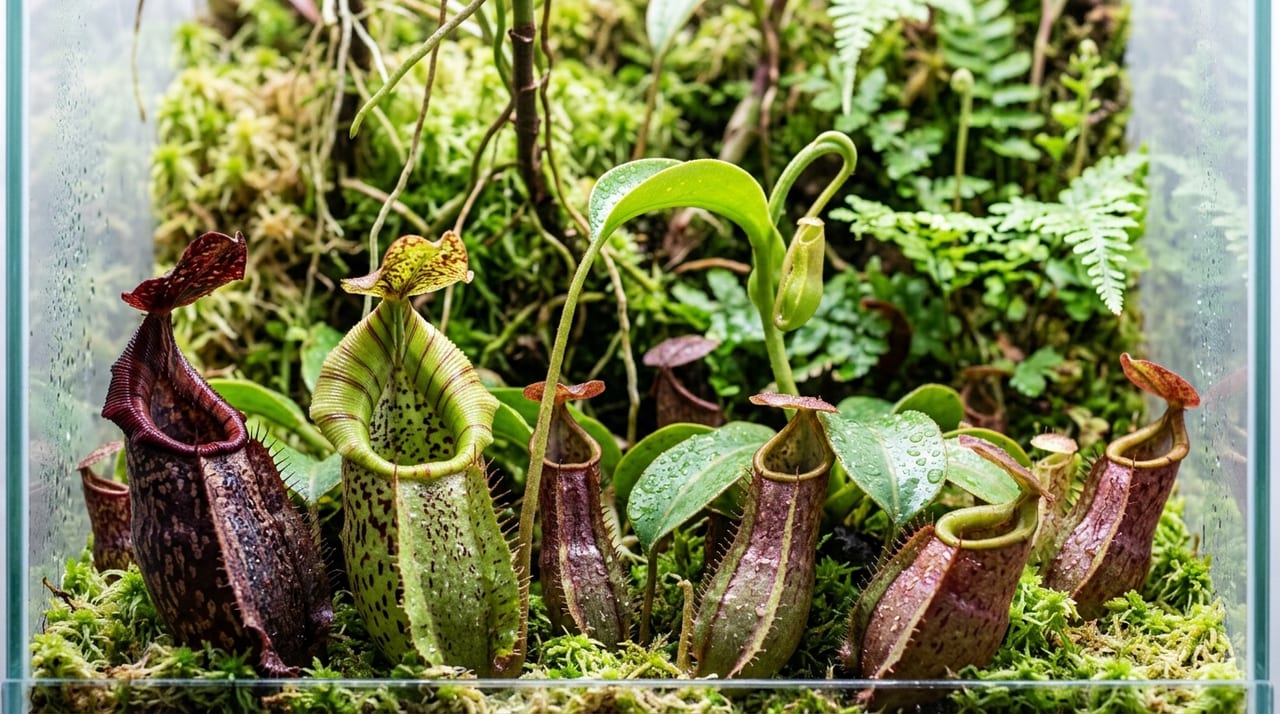
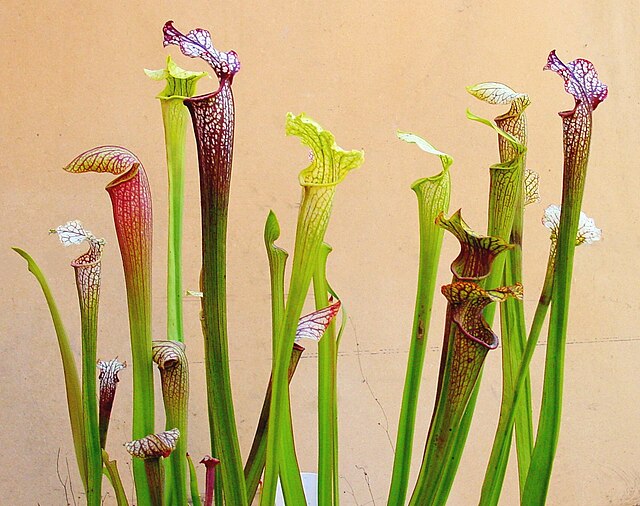
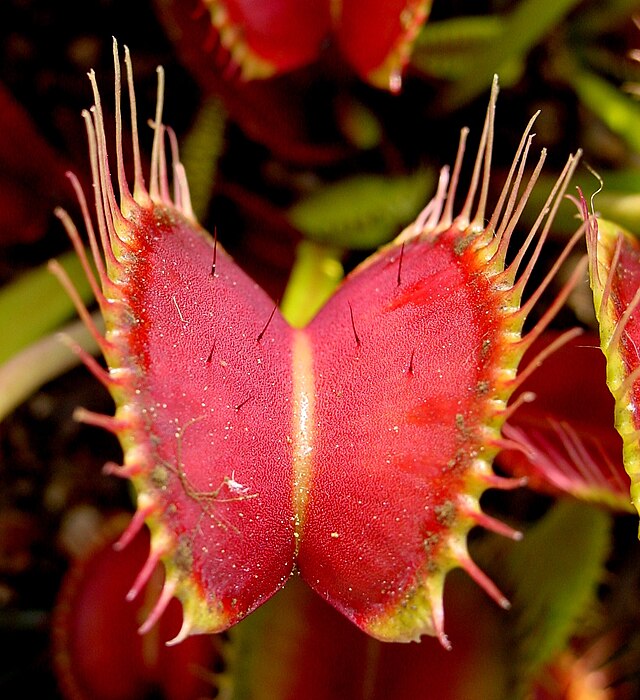
The primary reason carnivorous plants fail is not watering frequency or fertilizer imbalance, but rather the "quality" of the water used. Carnivorous plants such as sundews (Drosera), Venus flytraps, pitcher plants (Sarracenia), and tropical pitcher plants (Nepenthes) naturally grow in nutrient-poor wetlands or rocky highland areas. In these environments, the soil contains virtually no nutrients, and the water has extremely low mineral content. Their evolution of insect-trapping mechanisms to supplement nutrients is a direct adaptation to these harsh, nutrient-poor conditions.
The problem is that minerals commonly found in tap water—chlorine, calcium, and magnesium—act as "toxins" to carnivorous plants. When minerals are absorbed by the roots, osmotic balance is disrupted, causing root damage and eventually leading to a condition called "tip burn," where the leaf edges wither. Sundews (Drosera) and related species are particularly sensitive, and it is not uncommon for plants to weaken within weeks if continuously watered with tap water (see also Sundew Care Guide). Water quality management is the foundation of carnivorous plant cultivation, and mastering this alone will significantly improve your success rate.
Characteristics and Use of Distilled and Purified Water
Commercial distilled and purified water has had nearly all minerals removed through ion-exchange resin or distillation treatment. Its electrical conductivity (EC value) is near zero, making it very close to the water quality carnivorous plants prefer most. It can be purchased at drugstores for about ¥100 per liter, making it an economical and practical option for maintaining a small number of plants.
The key to using it effectively is combining it with "capillary watering" (subirrigation). Venus flytraps and pitcher plants are best grown using capillary watering, where pots are immersed in water trays. By maintaining 5–10 cm of distilled water in the tray at all times, you create an ideal environment where the soil stays appropriately moist while preventing excessive mineral accumulation.
However, storage after opening requires care. While distilled water resists spoilage because it lacks the minerals bacteria feed on, once a container is opened and bacteria enter, they can proliferate rapidly. After opening, store in a cool, dark place and aim to use it within 1–2 weeks. As plant numbers increase, usage rises, and cost becomes a concern. In such cases, consider the rainwater collection method described next.
Rainwater Collection | Free and High-Quality Natural Water
Rainwater is one of the purest waters found in nature. It is slightly acidic (pH 5.5–6.5) due to dissolved atmospheric carbon dioxide and contains very low mineral content. Its water quality closely resembles the rainwater that falls on carnivorous plants' native habitats, making it excellent for cultivation. Collection is essentially free, making it far more economical than distilled water when growing large numbers of plants.
Collection is simple: use buckets or tanks to catch rainwater flowing from balconies or roofs. However, there are several important precautions when collecting.
First, pay attention to the materials from which you are collecting. Water flowing from metal roofs or gutters may contain dissolved metal ions or paint components. Use polypropylene (PP) or polyethylene (PE) containers and gutters, or discard the first flush (water that runs off in the first few minutes) before collecting.
Next, consider storage after collection. Since rainwater contains atmospheric dust and gas components, transfer it to a clean, sealed container, store in a cool, dark place, and use within approximately 2 weeks. In summer, algae easily grow in containers, so choose opaque containers or store in a dark location. If acid rain is a concern in your area, develop the habit of checking pH with test strips or a pH meter. If strongly acidic rain (pH 4 or lower) persists, avoid using it and switch to distilled water for safety.
Coping Strategies If You Must Use Tap Water
If neither distilled water nor rainwater is available, you may need to use tap water, but avoid using it directly. At minimum, use the "dechlorination" method. Leave tap water in sunlight for half a day to a full day, and chlorine (chloramines) will evaporate. Chlorine is a major source of root damage in carnivorous plants, so removing it alone significantly reduces stress.
However, dechlorination does not remove hardness minerals such as calcium and magnesium. Tap water hardness varies significantly by region; in soft-water areas (Tokyo, Osaka, etc.), the impact on carnivorous plants is relatively minor, but in hard-water areas (parts of the Kansai region, Okinawa, etc.), continuous use requires caution.
A more comprehensive solution is to install a residential reverse-osmosis (RO) water filter. RO membranes remove nearly all dissolved minerals, producing water nearly as pure as distilled water. For collectors growing many carnivorous plants, the return on investment is high, and once installed, it reduces costs over the long term.
Practical Water Quality Testing | Using a TDS Meter
A TDS (total dissolved solids) meter is a useful tool for ensuring reliable water quality management. This affordable meter displays the total amount of dissolved minerals and other solids in water as ppm (mg/L) and can be purchased online for ¥1,000–¥2,000.
As a guideline, water suitable for carnivorous plants should have a TDS value of 50 ppm or lower, with an ideal value of 20 ppm or lower. Distilled water typically measures 0–5 ppm, while collected rainwater usually ranges from 5–20 ppm. Tap water in soft-water areas often measures 50–100 ppm, while in hard-water areas it can exceed 200 ppm.
By regularly checking the TDS value of capillary-watered water, you can monitor mineral accumulation. As capillary water evaporates repeatedly, the tray water becomes concentrated and TDS rises, making regular complete water changes essential. Take particular care in summer, when rapid evaporation concentrates the water quickly.
Seasonal and Species-Specific Watering Strategies
Watering strategy varies by species, as does water quality management.
Venus flytraps and pitcher plants are dormant in winter, so lower the capillary water level during this period and keep soil only slightly moist. A small amount of distilled water or rainwater is sufficient. During the active growth period (spring through autumn), maintain higher capillary water levels and never allow them to dry out. Detailed care instructions are available in the Complete Venus Flytrap Care Guide and Pitcher Plant Care Guide.
Nepenthes (tropical pitcher plants) are tropical and do not go dormant, so they require water year-round. In addition to watering from the base of the leaves, when the pitcher is about half empty, refill it with rainwater or distilled water to maintain digestive fluid function and enable efficient insect digestion.
Sundews (Drosera) and related species are particularly sensitive to water quality; if continuously given water with TDS values of 20 ppm or higher, their leaf mucilage decreases and their ability to trap insects declines. Prioritize using distilled water or freshly collected rainwater.
Water quality management is straightforward once understood. Choose appropriate water, keep it clean, and check it regularly. This habit is the greatest secret to keeping carnivorous plants healthy for years.
Installing an RO Water Filter
For those living in areas with high tap water TDS or growing many carnivorous plants, installing an RO (reverse-osmosis) water filter is the most reliable solution.
- RO Filter Principle: By passing water through a reverse-osmosis membrane, 95–99% of minerals, salts, and impurities can be removed, reducing TDS to approximately 0–10 ppm
- Types and Prices: Counter-top models (faucet-mounted) cost around ¥10,000–¥30,000, while full-scale models with tanks range from ¥30,000–¥80,000. Models marketed for aquariums are also suitable for carnivorous plant cultivation
- Wastewater Consideration: RO filters produce wastewater equal to or three times the volume of purified water. This wastewater can be reused for household chores like laundry and cleaning
- Maintenance: Regular filter replacement is necessary. Pre-filters (activated charcoal and sediment) need replacement every 6 months to 1 year, while RO membranes should be replaced every 2–3 years
- Cost-Effectiveness: If you have only a few pots, purchasing distilled or RO water may be more economical. However, if managing 10 or more pots, installing an RO filter at home is worthwhile
- Bottled RO Water: Pet shops and home improvement stores often sell RO water and pure water in bottles. This is a viable option for small-scale cultivation
While RO filter installation requires an initial investment, it essentially eliminates water-quality-related cultivation problems, making it a highly valuable long-term investment.
Capillary Water Change Frequency and Management
In capillary watering management for carnivorous plants, water change frequency is directly linked to plant health.
- Basic Water Change Frequency: Aim for 1–2 times per week, but adjust based on water quality, temperature, and season
- Summer Management: Water deteriorates quickly in high heat and algae proliferate. Change water every 2–3 days. Water in the cool morning hours to prevent excessive temperature rise
- Winter Management: Water deteriorates slowly, so weekly changes are sufficient. Keep water levels modest
- Soil Flushing: About once a month, pour plenty of water over the pot to flush out minerals accumulated in the soil. This practice, called "flushing," is effective for preventing mineral buildup
- Odor or Discoloration: If capillary water smells bad or changes color, replace it immediately. These are signs of root rot or anaerobic bacterial growth
- Tray Material: White or cream-colored plastic trays minimize temperature rise and make water contamination easier to spot. Black trays heat up easily in sunlight
- Multi-Pot Tray Management: When managing many pots, group them together in a large tray for efficient capillary watering. However, separate new plants into a different tray to reduce disease transmission risk
Some growers reduce water-change labor by creating DIY automatic watering systems or using capillary trays with float valves.
Find Carnivorous Plants on GrowerDirect
Once you feel confident about water quality management, bring home actual plants. On GrowerDirect, you can purchase plants directly from growers who specialize in carnivorous plants and consult with the seller about cultivation environments. You can find varieties of interest in the Carnivorous Plants category.