Carnivorous Plants Windowsill Cultivation Guide | Tips for Enjoying Them in Limited Space
A guide to growing carnivorous plants on apartment windowsills. Covers variety selection, securing sunlight, humidity management, and watering techniques.
Key Takeaways
A guide to growing carnivorous plants on apartment windowsills. Covers variety selection, securing sunlight, humidity management, and watering techniques.
Related Species
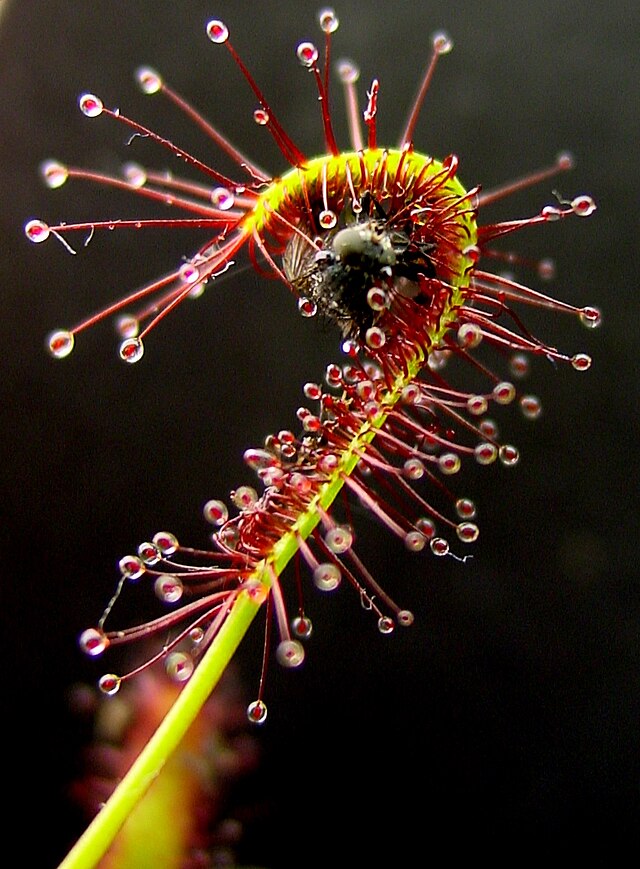
Drosera Capensis
View species detailsNepenthes (Tropical Pitcher Plant)
View species details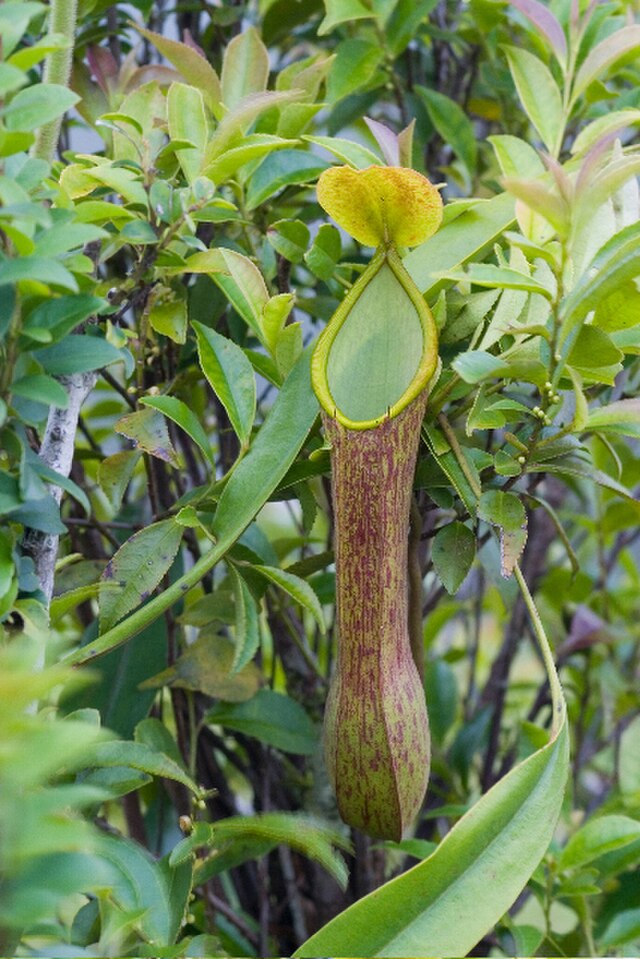
Nepenthes Alata
View species details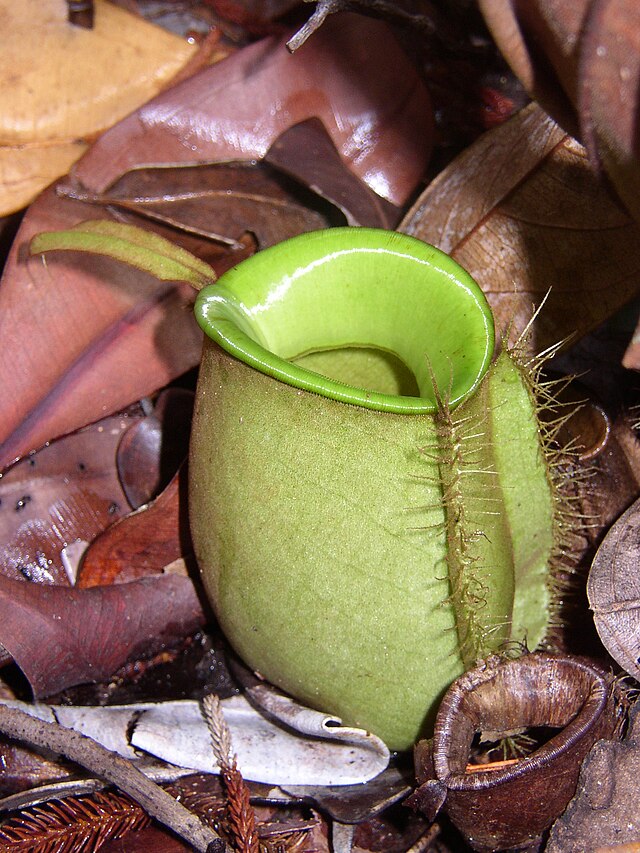
Nepenthes Ampullaria
View species details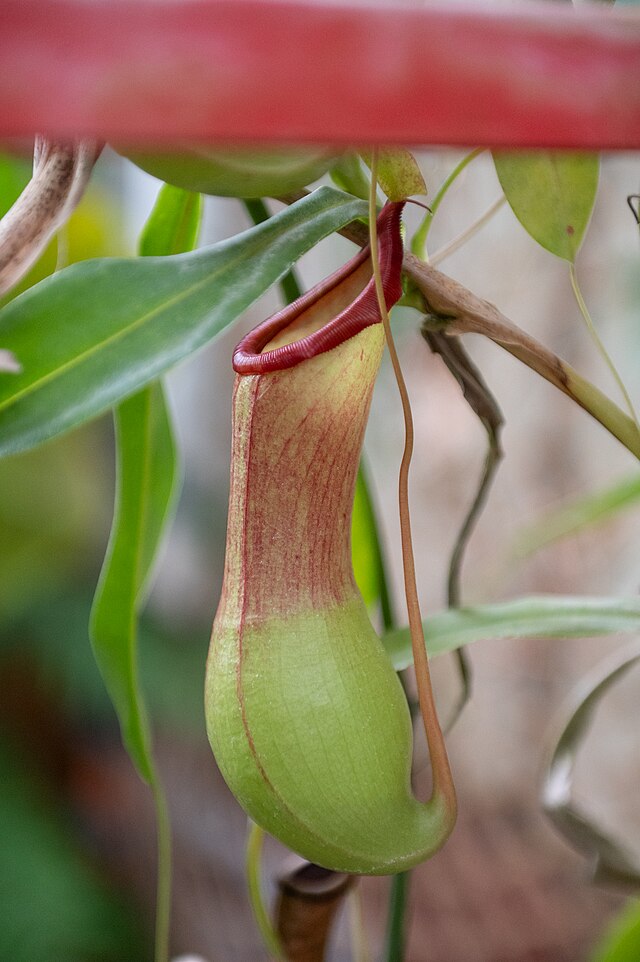
Nepenthes Gracilis
View species details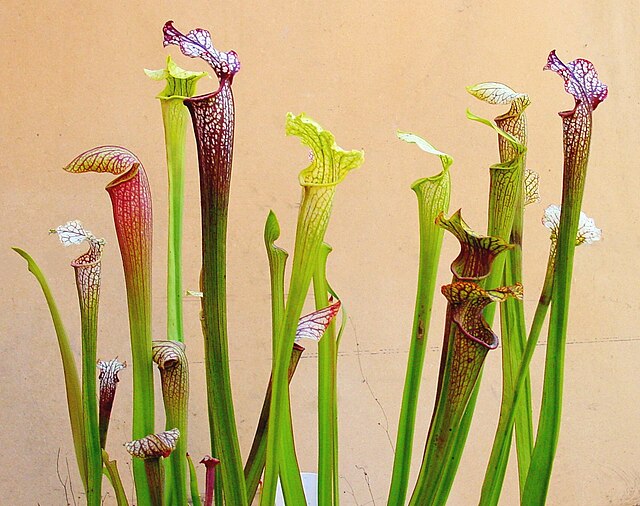
Sarracenia
View species details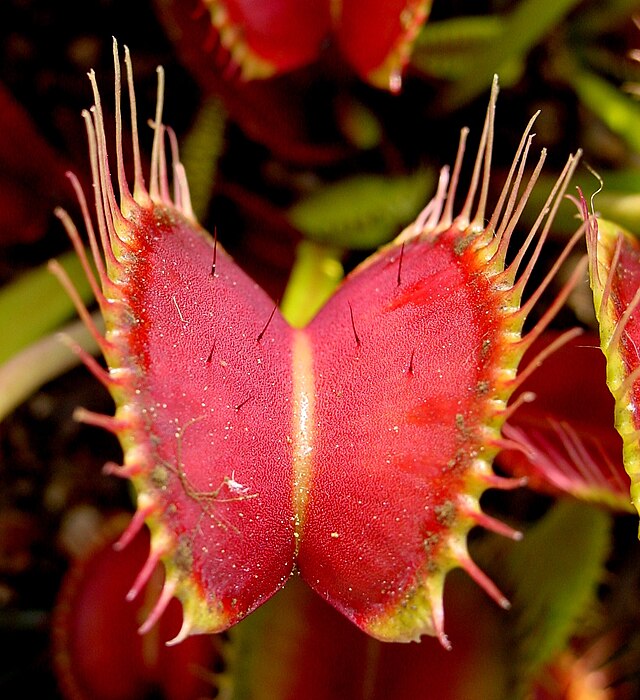
Venus Flytrap
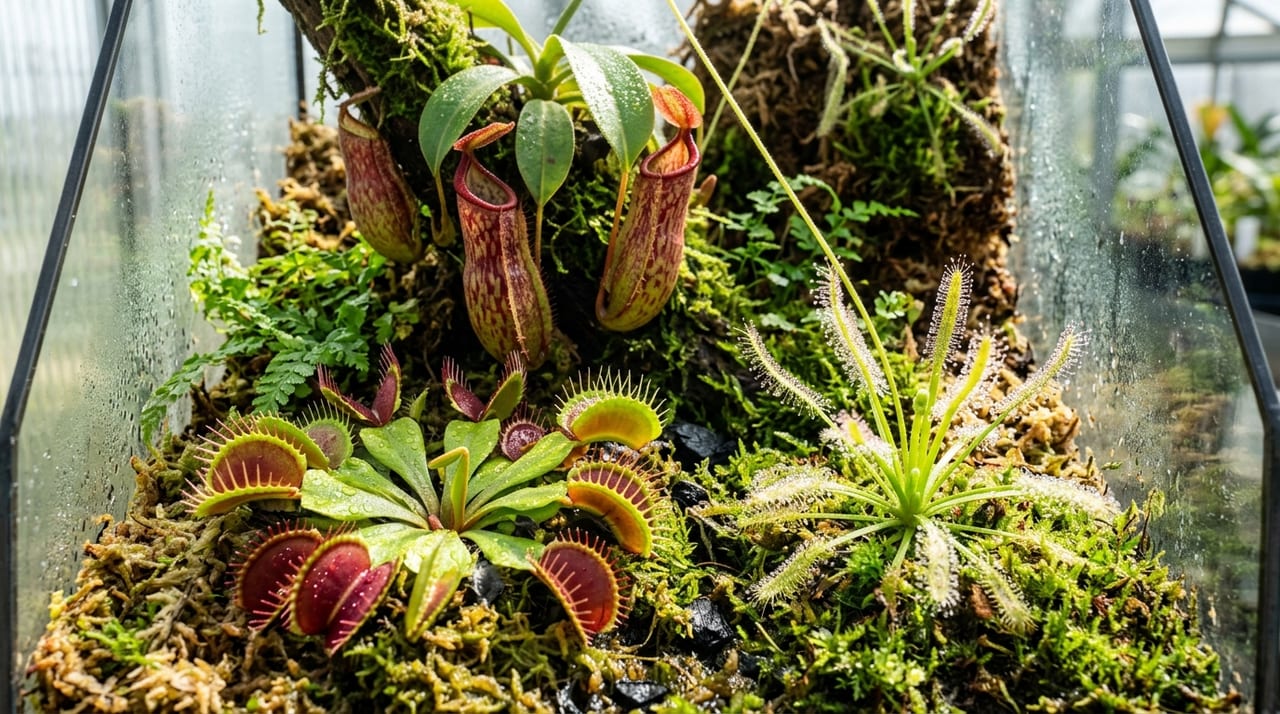
View species detailsCarnivorous plants can be enjoyed perfectly well on an apartment windowsill even without a large garden or terrarium setup. In fact, there are many enthusiasts successfully growing carnivorous plants beautifully in the limited space of a windowsill. As long as you can secure adequate sunlight, most carnivorous plants will thrive on a windowsill, and you'll enjoy observing their prey-capture up close. Here we'll explain in detail everything from selecting varieties suited to windowsill cultivation to specific care methods.
Variety Selection for Windowsill Cultivation
Not all carnivorous plants are suitable for windowsill cultivation. Select your varieties based on three conditions: light requirements, size, and temperature tolerance.
The most highly recommended are small varieties of sundew (Drosera). Particularly, Drosera capensis is hardy with moderate light requirements, can be managed indoors year-round, and its glistening sticky tentacles make a perfect accent on a windowsill. Drosera tokaiensis and Drosera spatulata are also well-suited to Japan's climate.
The Venus flytrap is also a classic choice for windowsill cultivation, but if light is insufficient, the trap leaves will stretch upward and the plant will become leggy, reducing its trapping ability. A south-facing window with at least 4 hours of direct sunlight per day is required. A west-facing window can also provide sufficient light during summer.
Mexican butterwort (Mexican-type bladderwort) maintains a beautiful rosette even in relatively weak light and is very well-suited to windowsill cultivation. It is popular because it is compact, takes up little space, and produces charming flowers.
Small lowland varieties of Nepenthes (pitcher plants) can also be cultivated on a windowsill. Small specimens of Nepenthes gracilis and Nepenthes ampullaria create a nice atmosphere when hung in hanging pots by the window. However, humidity management is important, and care must be taken regarding dry air from air conditioning.
Maximizing Sunlight Utilization on the Windowsill
The greatest challenge in windowsill cultivation is securing adequate light. A south-facing window is ideal, but with some creativity, east- or west-facing windows can also provide sufficient light. If you have only a north-facing window, consider installing supplemental lighting (LED grow lights).
Most window glass filters ultraviolet rays, but visible light necessary for plant photosynthesis passes through sufficiently. However, double-glazed or heat-reflective glass can reduce light by 30–50%, so place pots as close to the glass as possible.
Lighting conditions change significantly with the season. In winter, the sun's angle is lower, allowing light to penetrate deep into the room. Conversely, in summer the sun is high and light reaches only very close to the window. Adjusting pot positions forward and backward with the seasons is effective.
Sheer curtains significantly reduce light, so for windows with carnivorous plants, ideally avoid using them, or arrange to keep the curtain open in front of the pot only. However, if harsh afternoon sun from a west-facing window is direct, it's safer to use a thin curtain for afternoon shading.
Practical Techniques for Watering and Humidity Management
Most carnivorous plants prefer a constantly moist environment, so bottom watering (capillary watering) is the foundation of care. Fill a saucer or tray with 1–2 cm of water and place the pot on top. Maintenance is extremely simple—just top up the water when it gets low.
Always use distilled water, rainwater, or dechlorinated soft water. Continued use of tap water will cause mineral accumulation, raising soil pH and weakening the plant. Soft water in bottles or RO water are readily available and recommended.
Windowsills tend to have relatively low humidity compared to other indoor locations. Particularly during heating in winter, humidity can drop below 30%. A simple solution is to use a wider tray for bottom watering to maximize the water surface area. Alternatively, spreading pebbles around the pot and keeping them moist will raise humidity locally through evaporation.
For species like Nepenthes that require particularly high humidity, placing a transparent plastic case over the plant to create a simple terrarium is also effective. Many enthusiasts achieve success by slightly opening the lid during the day for ventilation and closing it at night to maintain humidity.
Layout and Display Ideas for Windowsill Cultivation
If you're going to place carnivorous plants on a windowsill, you may as well make them look attractive. Using a glass tray with white pebbles and arranging coordinated pots creates a clean, elegant display.
Adding height variation creates depth and improves visual appeal. Use small acrylic stands or wooden mini shelves, placing shorter varieties (sundews, bladderworts) in front and taller species (pitcher plants, Venus flytraps) in back.
Hanging pots make efficient use of windowsill space. When grown in hanging pots, Nepenthes vines naturally hang down, and the sight of pitchers (traps) suspended in air catches the eye. It's easy to hang them using hooks attached to curtain rods or tension rods.
Common Problems in Windowsill Cultivation and Their Solutions
The most common problem in windowsill cultivation is legginess caused by insufficient light. If leaves become thin and elongated, color fades, and trap organs shrink, it's a sign of inadequate light. Consider installing LED supplemental lighting or moving the plant to a sunnier window.
Summer heat is also a concern. Windowsills can exceed 40°C during the day, and water in a sealed bottom-watering tray can heat up and damage roots. Ensure adequate airflow and be careful not to let water temperature rise too much. Shading the afternoon sun with a bamboo blind or reed screen is also effective.
Placing pots too close to the window in winter can damage non-temperate carnivorous plants from nighttime cold. Move pots at least 10 cm away from the window before bedtime, or use cardboard or foam board to block cold air.
Ranking of Varieties Best Suited for Windowsill Cultivation
Here's a ranking of carnivorous plants that are easy to grow in the limited space of a windowsill.
- Pinguicula moranensis: Relatively tolerant of dryness and adaptable to windowsill conditions. Also has beautiful flowers
- Drosera capensis: Hardy and easy to propagate. Beautiful with its glistening sticky tentacles
- Nepenthes alata: Shade-tolerant and produces pitchers even with windowsill light levels
- Venus flytrap: Popular but requires plenty of sunlight. Best for south-facing windowsills
- Pitcher plant (small varieties): Compact varieties can be managed on a windowsill
Checklist to Prevent Failure in Windowsill Cultivation
- Is it a south- or east-facing windowsill? (North-facing tends to lack sufficient light)
- Does it receive at least 4 hours of direct sunlight per day?
- Is there space to set up a bottom-watering tray?
- Does heated air from heating not blow directly on it in winter?
- Are there measures in place to maintain humidity (humidifier or tray)?
- Is it in a location out of reach of children and pets?
Find the Perfect Carnivorous Plants for Your Windowsill at GrowerDirect
At GrowerDirect, you can purchase carnivorous plants suited to windowsill cultivation directly from specialist growers. If you tell them about your window's orientation and lighting conditions, they can suggest varieties suited to your environment. Explore the world of carnivorous plants at GrowerDirect, which you can begin even in limited space.