Caudex Plant Guide | Popular Species Characteristics and Care Methods
We carefully introduce popular caudex plant species including Pachypodium, Adenium, Operculicarya, and Dioscorea. Detailed explanations of each species' characteristics, cultivation difficulty, differences between seedlings and wild-collected specimens, and management tips.
Key Takeaways
We carefully introduce popular caudex plant species including Pachypodium, Adenium, Operculicarya, and Dioscorea. Detailed explanations of each species' characteristics, cultivation difficulty, differences between seedlings and wild-collected specimens, and management tips.
Related Species
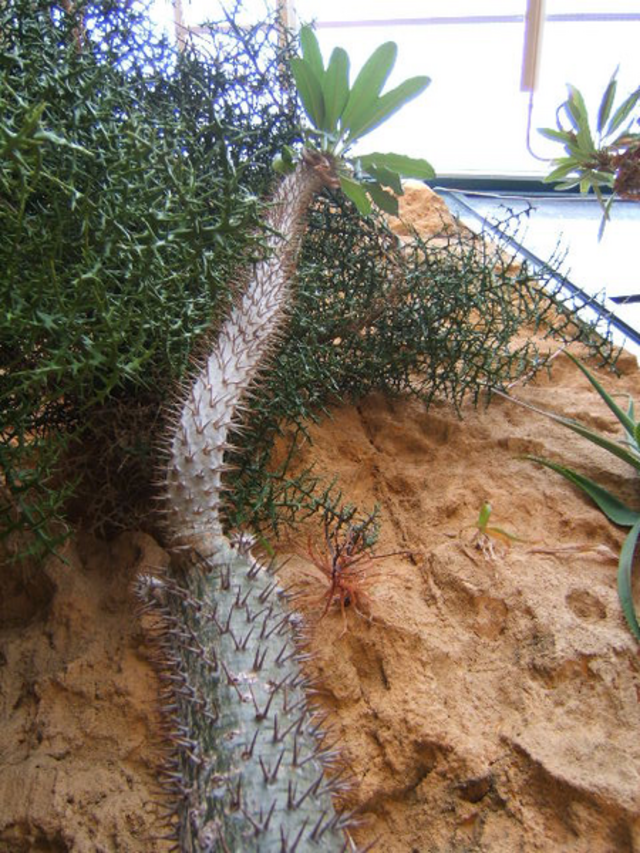
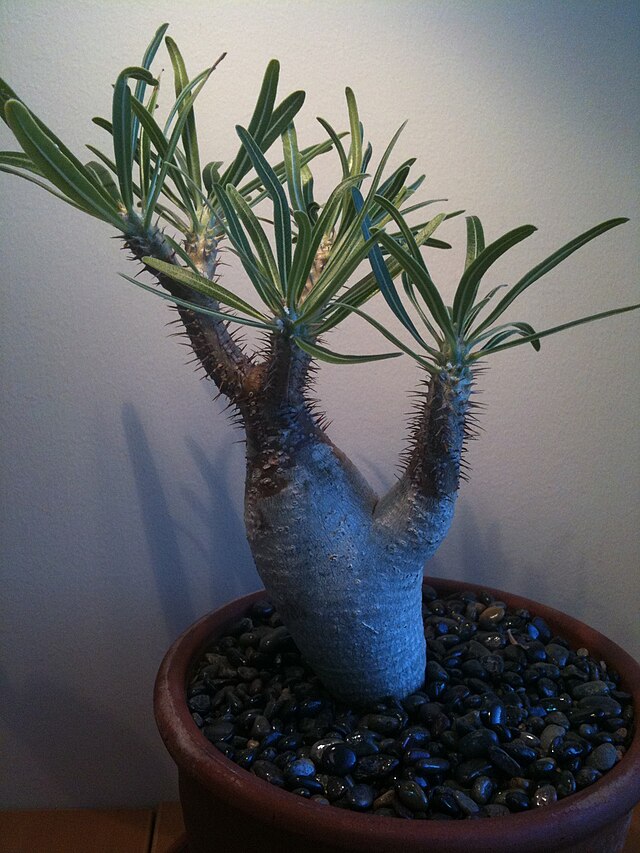
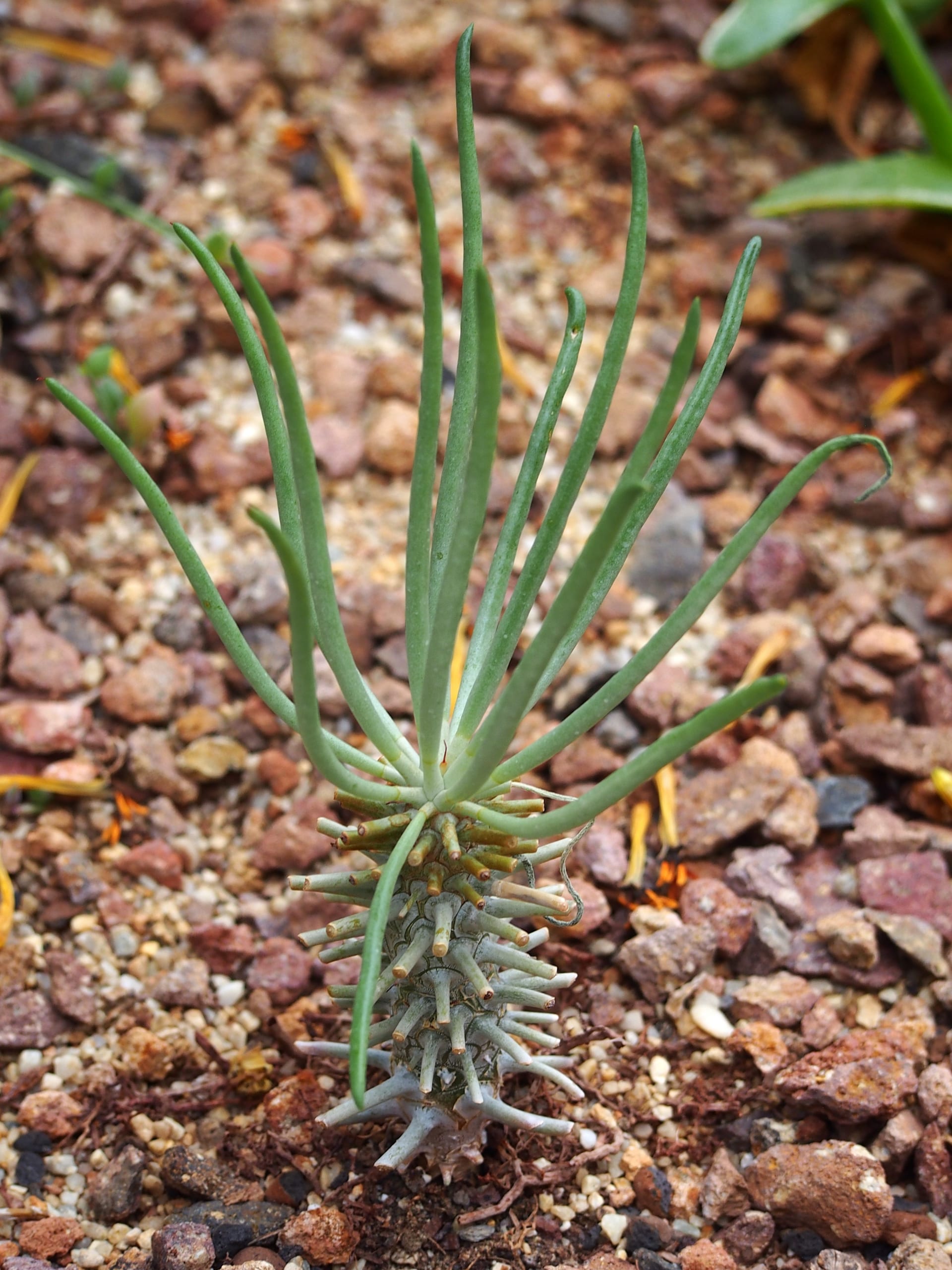
Caudex plants store moisture in their thick stems and roots, and their unique forms captivate collectors worldwide. Their greatest appeal lies in the presence of living sculptures that have evolved to survive in deserts and arid regions. In recent years, their popularity has surged domestically, and the boom continues among those seeking distinctive plants. In this article, we clearly explain the characteristics and care methods of representative popular species.
Basic Knowledge of Caudex Plants | What Beginners Should Know
To cultivate caudex plants successfully, it is first important to understand their "type." Management methods differ significantly depending on the rhythm of their growth period.
Summer-Type and Winter-Type Differences
- Summer-type: Spring to autumn is the growth period. In winter, they drop leaves and go dormant, requiring no water or minimal watering
- Winter-type: Fall to spring is the growth period. In summer, they drop leaves and go dormant, requiring no water
Watering excessively during dormancy causes root rot, so be sure to understand the type and practice disciplined watering with clear distinction between periods.
Basics of Light and Temperature Management
Most caudex plants prefer bright light. When exposed to sufficient sunlight outdoors, they maintain their characteristic plump, rounded shape. For indoor cultivation, using a grow light is recommended. Additionally, since many species originate from tropical and subtropical regions, care should be taken during cold winters.
Popular Summer-Type Caudex Plants | Characteristics and Care of Representative Species
Pachypodium Gracilis
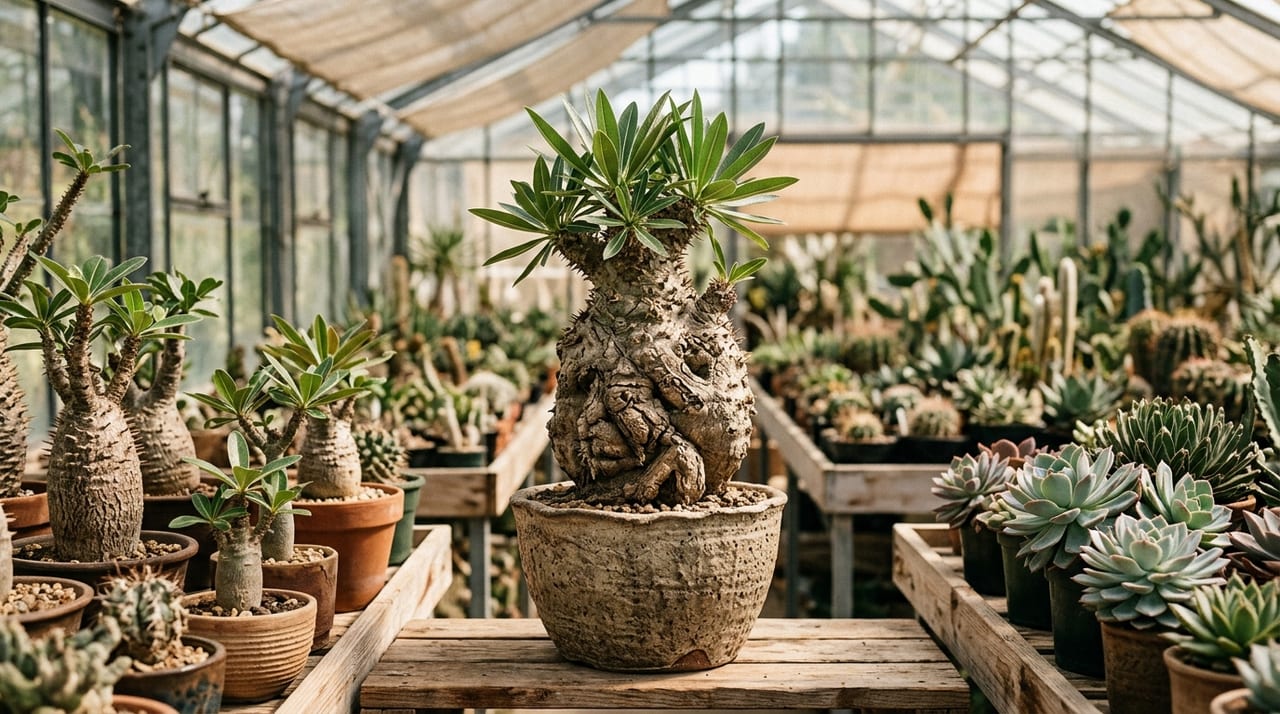
The most popular species, synonymous with caudex plants. Native to Madagascar, the balance between its squat, round stem and delicate branch tips creates an endearing "miniature baobab" appearance.
- Cultivation Difficulty: Medium
- Growth Period: Spring to autumn (complete drought in winter)
- Care Tips: Maintain temperatures above 15°C and withhold water during winter. The more light, the thicker and fuller the stem becomes. For beginners, seedlings (grown from seed) are recommended over wild-collected specimens
Adenium Arabicum
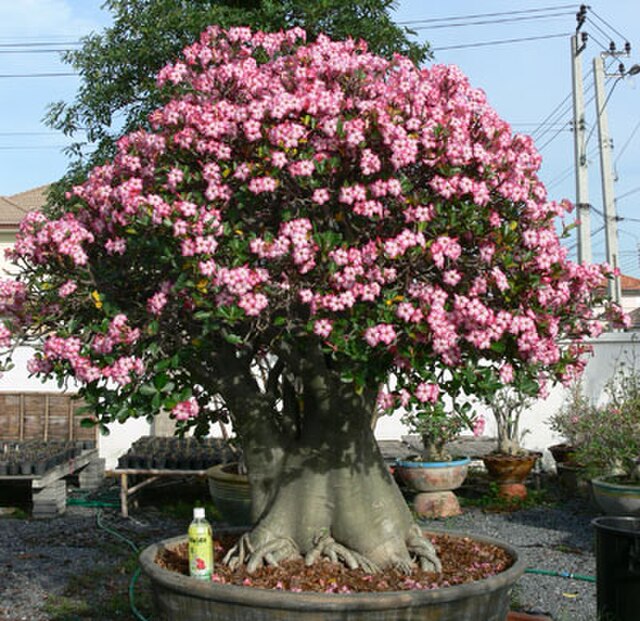
Known by the nickname "Desert Rose," it features a plump caudex and vibrant pink flowers. Among caudex plants, it is relatively easy to cultivate, making it ideal for beginners wanting to enjoy flowers.
- Cultivation Difficulty: Low to Medium
- Growth Period: Spring to autumn (withhold water when temperatures fall below 10°C)
- Care Tips: Sensitive to cold, so bring indoors during winter. Applying slow-release fertilizer during the blooming period improves flowering
Operculicarya Pachypus
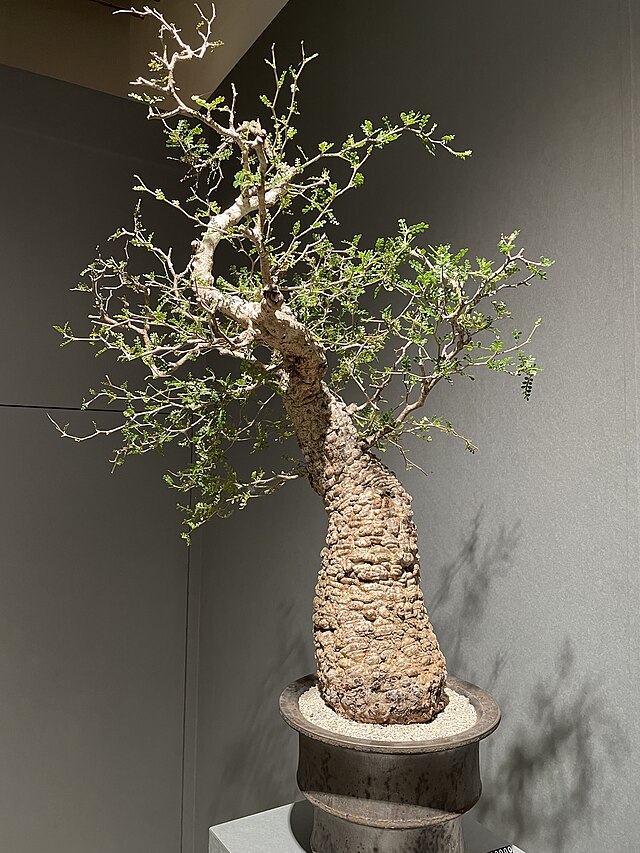
A supreme species also called the "King of Caudex Plants." The contrast between its intricately textured trunk and small leaves possesses an artistry unmatched by any other plant.
- Cultivation Difficulty: High
- Growth Period: Spring to autumn
- Care Tips: Wild-collected specimens are extremely difficult to manage in terms of root development and are for advanced enthusiasts. Seedlings are strongly recommended for beginners. Growth is slow, but the joy of watching years of care reflected in the plant form is incomparable
Popular Winter-Type Caudex Plants | Notable Species with Distinctive Charm
Dioscorea Elephantipes (Tortoise Shell Plant)
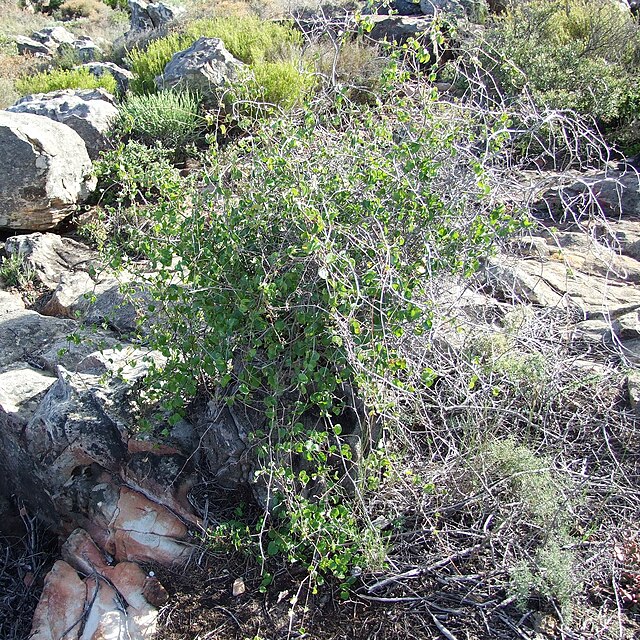
The caudex features regular, turtle shell-like cracked patterns that radiate a unique presence found in no other plant. Native to South Africa, it is the representative winter-type species.
- Cultivation Difficulty: Medium
- Growth Period: Fall to spring (complete drought in summer)
- Care Tips: During summer dormancy, avoid direct sunlight and keep in a cool place. Restart watering when new growth appears in fall. Since it is vining, it can be trained attractively on trellises or wires
Tylecodon Wallichii
A small, unique winter-type caudex with a plump stem that sprouts feathery fine leaves in summer. Its compact size makes it ideal for indoor display.
- Cultivation Difficulty: Medium
- Growth Period: Fall to spring (dormancy with no water in summer)
- Care Tips: In summer, leaves drop and it goes dormant, so keep it in a cool, partially shaded spot. During the growth period, expose it to ample light to develop a fuller stem
Comparison Table of Care Methods by Species
| Species | Type | Difficulty | Winter Minimum Temperature | Dormancy Management |
|---|---|---|---|---|
| Gracilis | Summer-type | Medium | 15°C or above | Complete drought |
| Adenium | Summer-type | Low to Medium | 10°C or above | Drought |
| Operculicarya | Summer-type | High | 10°C or above | Drought |
| Tortoise Shell Plant | Winter-type | Medium | 5°C or above | Complete drought (summer) |
| Tylecodon | Winter-type | Medium | 5°C or above | Drought (summer) |
For beginners, starting with Adenium or Gracilis seedlings will make it easier to understand the appeal of caudex plants.
GrowerDirect's Safety and Peace of Mind System
When purchasing caudex plants, the main concerns are likely "root condition," "care methods," and "fair pricing," aren't they? GrowerDirect has systems in place to address all these concerns.
What Direct Sales from Growers Make Possible
GrowerDirect is a platform where you can purchase directly from domestic growers and growers. By eliminating middlemen and retailers, you can obtain quality plants at fair prices without markup margins.
- Abundant Seedlings: Many domestically grown plants adapted to Japan's climate are listed. They are easier to manage than imported wild-collected specimens and safe for beginners
- Pre-purchase Root Confirmation: You can directly ask the seller about the root condition before purchasing. You can feel free to ask about any concerns beyond photos and descriptions
- Expert Consultation: You can consult with experienced growers about questions on care methods, dormancy management, and seasonal care
- Post-Purchase Support: Through GrowerDirect's messaging feature, you can receive ongoing support even after your purchase
Each caudex plant is a unique, one-of-a-kind specimen with its own character. That's why bringing one home directly from a trustworthy grower leads to a lasting relationship with your plant. Please find your own special caudex plant on GrowerDirect.