Caudex Plants: Imported vs. Seed-Grown Specimens | 2026 Trends & How to Choose
Explore the differences between imported and seed-grown caudex plants, comparing their pros and cons. Discover 2026 import regulations, standout domestic growers, and beginner-friendly selection tips.
Key Takeaways
Explore the differences between imported and seed-grown caudex plants, comparing their pros and cons. Discover 2026 import regulations, standout domestic growers, and beginner-friendly selection tips.
Related Species
Imported Specimens: Pros and Cons
The charm of caudex plants lies above all in their unique forms shaped over decades or centuries in their native habitat. Imported specimens let you fully appreciate this appeal, but they require careful attention.
Pros of imported specimens:
- Bodies formed over decades to centuries, with impressive presence
- Rugged branching and weathered scars unique to wild-collected plants
- Larger specimens are more readily available
- High collectible value with asset potential
Cons of imported specimens:
- Often imported bare-root, requiring careful rooting management
- Risk of rooting failure, especially with large specimens
- Risk of transport damage and pest or disease introduction
- For CITES-regulated species, verification of legal import channels is essential
- Plants often struggle in their first year due to environmental stress
Seed-Grown Specimens: Pros and Cons
In recent years, the quality of seed-grown plants from domestic growers has improved dramatically.
Pros of seed-grown specimens:
- Germinated and grown in Japan's climate, they adapt well to domestic environments
- Well-established roots make them easy to manage
- You can enjoy watching them grow from seedlings
- More affordable, making them accessible to beginners
- Completely legal, with no regulatory concerns
Cons of seed-grown specimens:
- Can take 10+ years to reach an impressive size
- They may not develop the same form as the parent plant
- Seedlings can look nondescript and may be difficult to identify by species
2026 Import Regulation Trends
Import regulations surrounding caudex plants grow stricter each year. As of 2026, key developments to watch include:
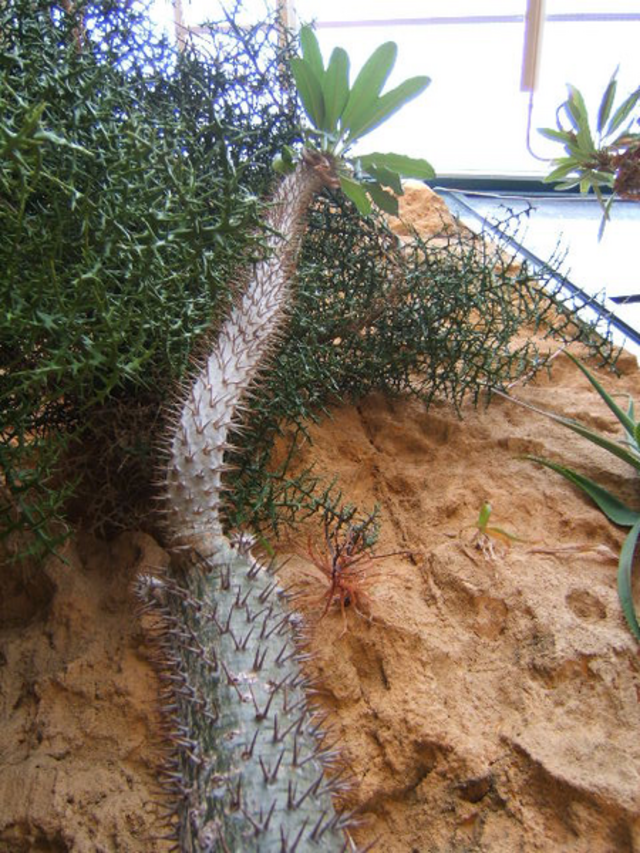
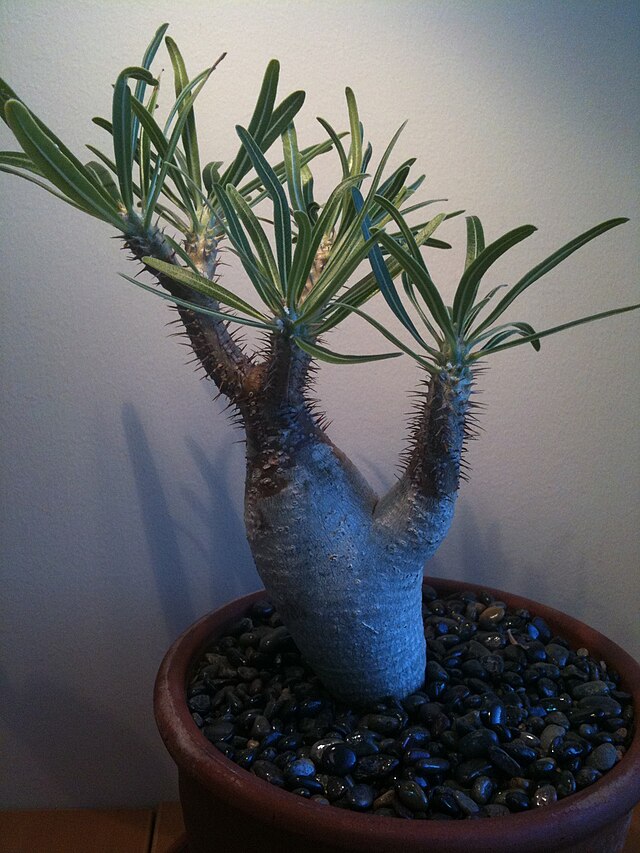
- Stricter Regulation of Madagascar-Origin Pachypodium: Pachypodium gracilius and other Madagascar-native Pachypodium species are listed in CITES Appendix II and require export permits. Export quotas from Madagascar are shrinking year by year
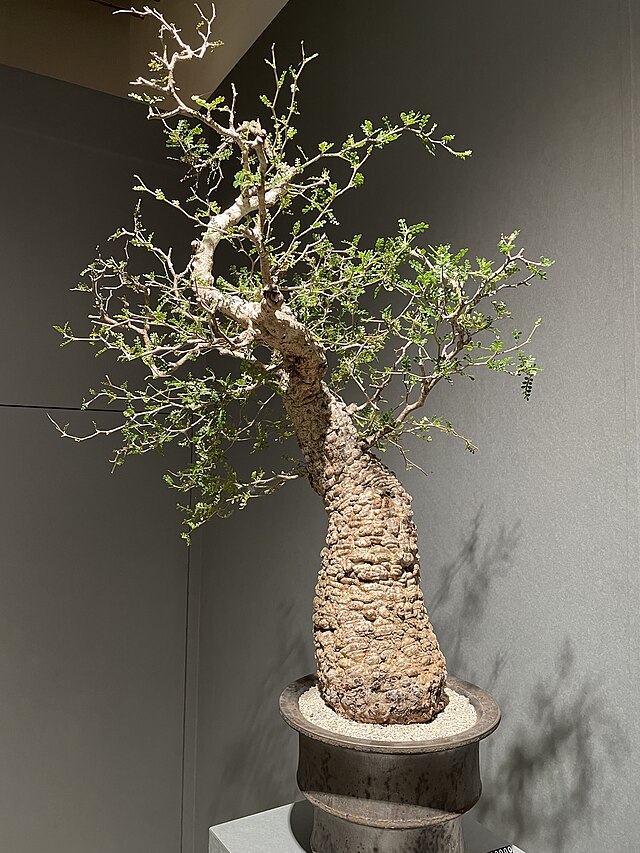
- Southern African Trends: Popular species such as Operculicarya pachypus from South Africa and Madagascar are subject to increasingly strict regulations
- Mexico-Origin Agave and Cactus Regulations: Mexico's government continues to tighten restrictions on wild-collected plant exports
- Stricter Import Inspections: Plants with soil are prohibited under the Plant Protection Act. Even bare-root specimens must pass plant quarantine inspections; any pests or diseases discovered will result in treatment or disposal
As legal imports become increasingly difficult, domestic seed-grown plants are expected to grow even more valuable in the future.
Notable Domestic Seed-Grown Trends
Notable trends in Japan's seed-grown caudex market for 2026 include:
- Selectively Bred Pachypodium gracilius Seed-Grown Plants: Domestic growers are crossing plants with superior forms, producing seed-grown specimens with beautiful shapes. Demand for these genetically superior "cultivar-selected seed-grown plants" is surging
- Increased Availability of Operculicarya pachypus Seed-Grown Plants: Once rare in cultivation, more domestic growers are successfully producing seed-grown pachypus seedlings, increasing their availability
- Adenium Hybrids: Seed-grown Adenium plants using Thai-origin hybrid cultivars are popular. The variety of flower colors and relatively fast growth make them appealing
- Euphorbia Species Revaluation: Caudiciform Euphorbia species such as E. obesa and E. horridus are gaining renewed attention for their ease of seed propagation
Beginner's Guide to Choosing
For first-time caudex plant buyers, we recommend the following steps:
- Start with rooted seed-grown plants: Don't jump straight to expensive imported specimens. Learn the basics with seed-grown plants
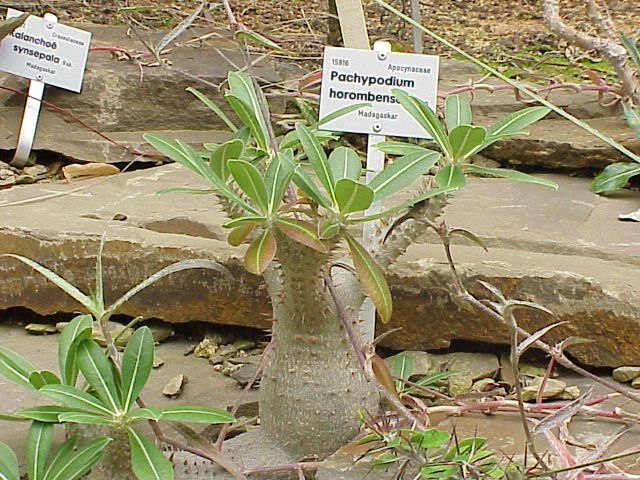
- Choose hardy species: Pachypodium horombense and Adenium obesum are robust and beginner-friendly
- Buy from trusted growers: Purchasing directly from growers who can share cultivation details and care methods is ideal
- Consider the season: Purchasing in spring to early summer, during the active growing season, ensures smooth adjustment to your environment
- Set a budget and stick to it: Start with plants in the ¥3,000–¥10,000 range and work your way up as you gain experience
Common Beginner Mistakes and How to Avoid Them
Mistake 1: Seduced by wild-collected specimens' appearance, starting with unrooted plants
While wild-collected plants are visually striking, rooting management requires maintaining stable temperature, humidity, and cleanliness for several weeks. Without proper equipment, your plant may fail to root and the caudex will shrivel. Realistically, your first plant should be a seed-grown or already-rooted specimen.
Mistake 2: Not checking when an imported specimen was imported
Even identical wild-collected specimens vary in difficulty depending on how many seasons they've spent in Japan since import. A freshly arrived specimen and one that has been managed domestically for two years are entirely different plants.
Mistake 3: Rushing to buy trending species without researching care requirements
Trendy species command high prices and often have specialized native habitat climates. Before purchasing, always check two things: whether the species is winter- or summer-growing, and its cold tolerance threshold.
Finding Caudex Plants on GrowerDirect
GrowerDirect features growers specializing in caudex plants, primarily offering seed-grown specimens. Most listings include cultivation history and parent plant information, ensuring confident purchases. Growers also offer legally sourced imported specimens with proper rooting management, so be sure to explore what's available.