Complete Guide to Growing Operculicarya pachypus | From Rooting Management to Shaping the Tree Form
A detailed explanation of how to grow Operculicarya pachypus, known as the king of caudex plants. Covers rooting management of imported plants, soil composition, pruning and tree shaping, propagation methods via cuttings, and price trends.
Key Takeaways
A detailed explanation of how to grow Operculicarya pachypus, known as the king of caudex plants. Covers rooting management of imported plants, soil composition, pruning and tree shaping, propagation methods via cuttings, and price trends.
Related Species
About Operculicarya pachypus
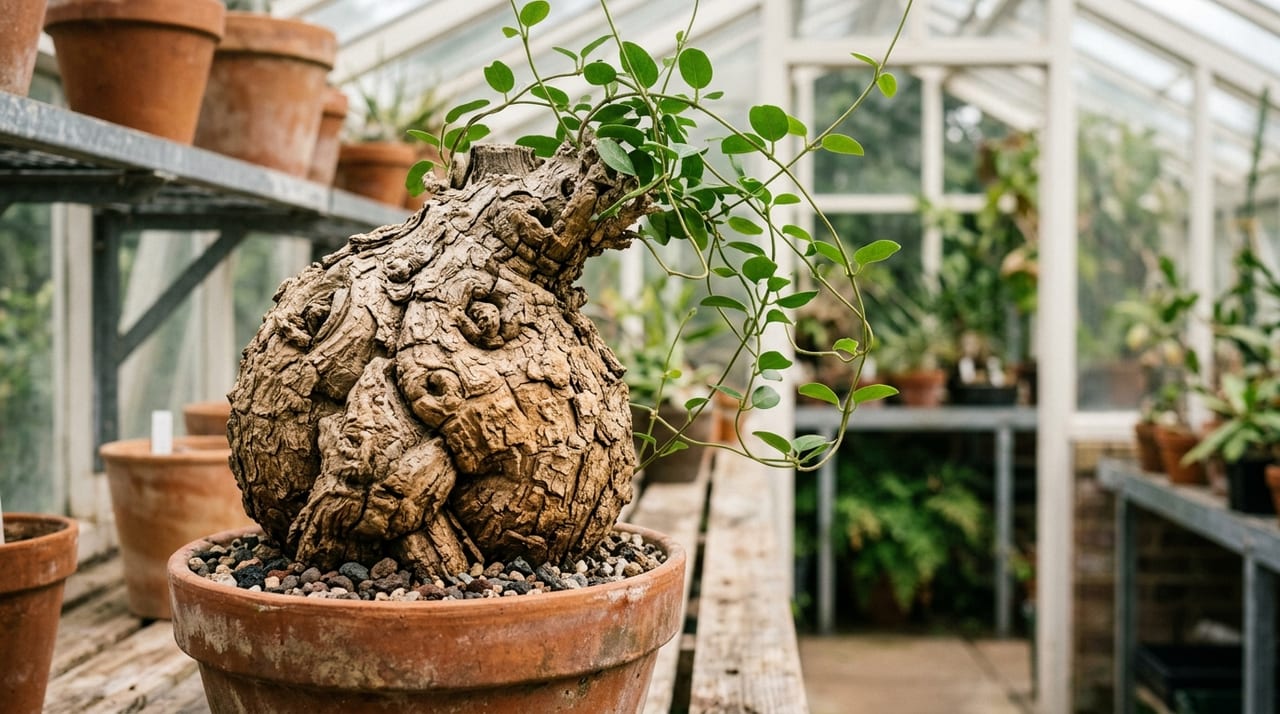
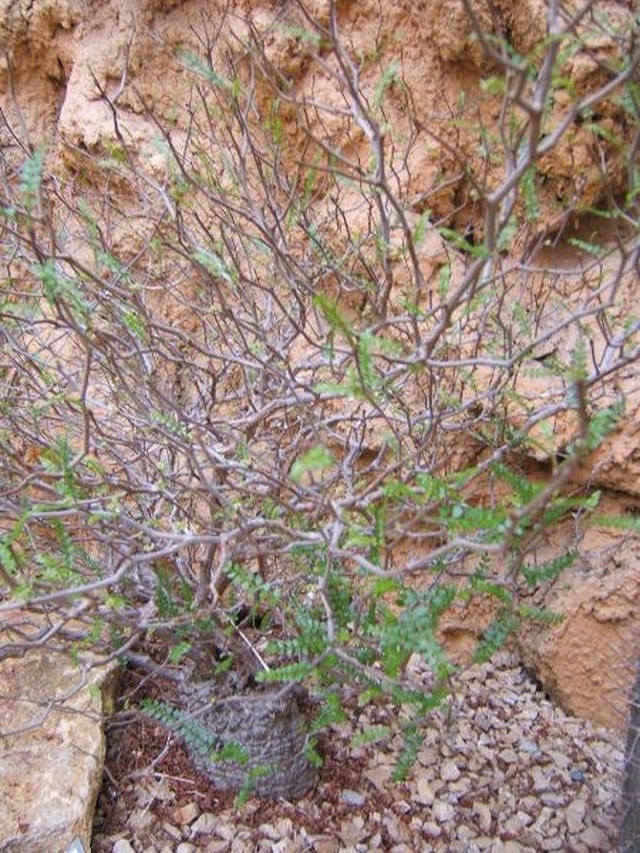
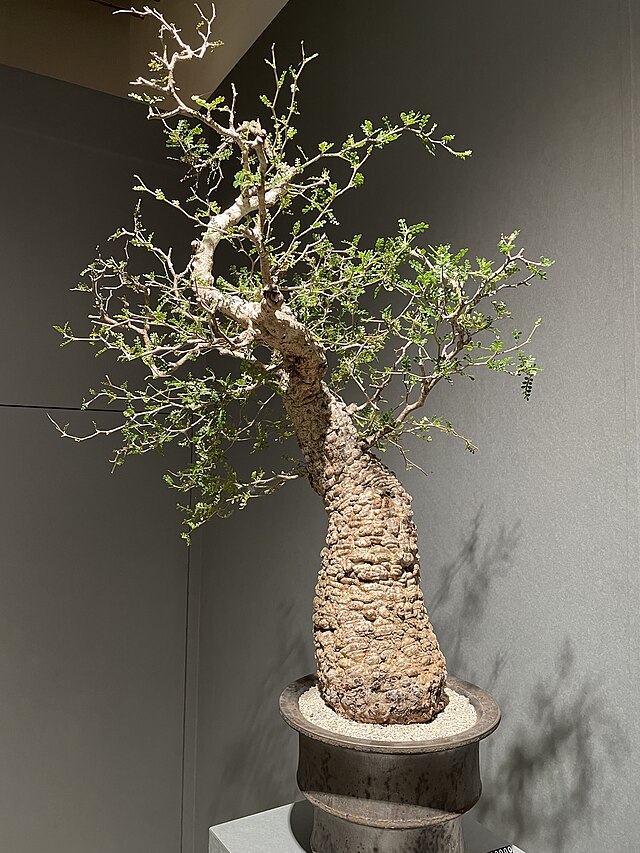
Among caudex plants endemic to Madagascar, Operculicarya pachypus is a particularly popular species. The contrast between its thick, impressive tuberous base protruding above the soil surface and its small, pinnate leaves creates striking beauty, captivating collectors worldwide who enjoy its bonsai-like tree form. A related species, Operculicarya decary, is also in circulation, but the two differ in the texture of the caudex and growth rate; detailed comparisons and distinguishing features are covered in the Complete Operculicarya Species Guide.
In its native habitat, it grows as a deciduous tree reaching several meters in height, but under cultivation, growth is extremely slow, requiring years of patience to develop its unique tree form. Precisely for this reason, large specimens command high prices, and the growing process itself becomes a major source of enjoyment.
---
Rooting Management: The First Step to Success with Imported Plants
Most Operculicarya pachypus are obtained as wild-collected imports, distributed with roots cut off. When purchasing such "unrooted specimens," rooting management becomes the first priority.
Temperature and light are the key to rooting. Root development requires temperatures of 77–95°F (25–35°C), and in Japan, May through September is the optimal period for rooting management. Without maintaining this temperature range, roots may never form despite waiting months. If attempting in winter, heating equipment such as heat mats or a greenhouse is essential; guidance on selecting appropriate equipment is detailed in the Caudex Plant Heat Mat Guide.
Drainage should be the top priority for soil composition. An ultra-well-draining mix, such as equal parts pumice, perlite, and Japanese akadama soil, is ideal. Adding too much organic matter increases the risk of root rot.
Watering should emphasize keeping the soil relatively dry. Watering from the bottom until soil is slightly moist a few days after the soil has completely dried is sufficient. Excessive moisture is the leading cause of caudex rot.
Root development can be confirmed by gently nudging the plant. If it remains stable and doesn't move, roots are beginning to establish. New shoots emerging are also a sign of rooting, but shoots may develop before roots do, so don't rely on this alone.
---
Placement and Light Management
Once rooting is confirmed, management transitions to the main care phase. Operculicarya pachypus is a light-loving plant, and insufficient light causes etiolation and poor form. Outdoor management is standard; exposing it to direct sunlight from spring through autumn results in robust growth.
However, sudden exposure to intense direct sunlight can cause leaf scorch. When transitioning from indoor to outdoor conditions, it's important to acclimate the plant for the first 1–2 weeks using a shade cloth or partial shade.
In winter, the plant sheds its leaves and enters dormancy. During this period, move it to a bright indoor windowsill or a frost-free simple greenhouse. Maintain a minimum temperature of 41°F (5°C) or higher, and never expose it to freezing temperatures.
---
Watering and Fertilizing Tips
During the growing season (April–October), water when the soil has been completely dry for 2–3 days. When leaves are actively expanding, the plant is metabolically active, so excessive dryness can stunt growth. However, remember that "dryness is better than root rot."
During dormancy (November–March), almost completely withhold water. After leaf drop, watering once or twice per month, just enough to slightly moisten the soil, is sufficient. Excessive moisture during this period is likely to cause caudex rot.
Apply slow-release solid fertilizer 1–2 times at the start of the growing season and liquid fertilizer about once monthly. Using high-nitrogen fertilizers promotes etiolation, so choose a type rich in potassium and phosphorus to maintain compact form.
---
Soil and Repotting
Operculicarya pachypus roots are aerobic and prefer high-porosity, large-particle soils. A mix of commercial succulent soil supplemented with 30–40% pumice or akadama is practical. Planting with the caudex exposed above the soil level improves drying, prevents rot, and enhances visual appeal.
Repot every 2–3 years or when roots emerge from drainage holes. Spring (April–May), when new growth begins, is optimal. Move to a pot one size larger without severely disturbing the root ball.
Terracotta or high-porosity pots are recommended. Plastic pots dry slowly and increase root rot risk; they should be avoided, especially immediately after rooting.
---
Tree Shaping and Pruning Techniques
Operculicarya pachypus's greatest appeal is in "tree shaping," achieved through patient cultivation. Pruning and wiring work together to showcase the sculptural beauty of thick trunks and caudex.
Pruning is performed in spring just before budbreak or in autumn after leaf drop. Bold cutbacks increase branching and create a compact form. Apply wound sealant (such as Topsin M paste) to cut ends to prevent infection.
Wiring is typically done during the growing season when branches are flexible. Thin aluminum wire (1–2 mm) suffices for fine branches. Since growth is slow, regularly check that wires don't cut into the branch.
Some collectors employ "jinning and shari" techniques, intentionally scarring the thick trunk to emphasize corky, textured bark patterns. This is an advanced technique, but it allows growers to create truly unique forms.
Precisely because growth is slow, you can enjoy watching subtle changes over years. Taking time and patience is the true path to cultivating a beautiful specimen.