Heat Mat Guide for Caudex Plants | Promoting Root Development and Winter Insulation Management
A guide to selecting and using heat mats essential for root development management and winter survival of caudex plants. Includes proper temperature settings, thermostat usage, mat placement, and electricity cost estimates.
Key Takeaways
A guide to selecting and using heat mats essential for root development management and winter survival of caudex plants. Includes proper temperature settings, thermostat usage, mat placement, and electricity cost estimates.
Related Species
Why Heat Mats Are Essential for Caudex Plants
Most caudex plants originate from arid tropical and subtropical regions of southern Africa, Madagascar, and Central/South America. Ground temperature in these regions is maintained at 20–30°C throughout the year, and plant roots have evolved to function most actively within this temperature range. Japan's winters are vastly different from these conditions, and when room temperature drops below 15°C, root activity in most species nearly halts.
This is where heat mats shine. By managing ground temperature directly from the pot base, you can maintain appropriate root-zone temperatures even when room temperature is low. For rootless plants during root development management, heat mats are now essentially indispensable. How to assess imported plants before rooting them is also explained in Caudex Plant Purchasing Guide | How to Identify Imported vs. Seed-Grown Stock, so checking it from the plant-selection stage will make management smoother.
Types of Heat Mats and How to Choose
Commercial heat mats can be roughly divided into three types.
Reptile and Amphibian Heat Mats The most readily available, easily purchased at home centers and online shops. Output is stable, and surface temperature can usually be adjusted to around 25–40°C depending on settings. This type is sufficient for caudex root development management.
Agricultural and Horticultural Seedling Mats Developed for promoting seed germination and propagation rooting, they're characterized by uniform heat distribution. With a large surface area, they're ideal when managing multiple pots simultaneously. However, many models lack temperature adjustment functions, so it's advisable to prepare a separate thermostat.
Thermostatic Multi-purpose Mats A type allowing fine temperature control and favored by professional growers. While prices are higher, they prevent overheating and offer high safety. If you're looking to cultivate caudex plants seriously, choosing this type from the start will serve you long-term.
Selection Points
- Choose a size suited to the number and size of pots you'll use (pot bases must fit entirely on the mat)
- Select waterproof and moisture-resistant models (accounting for water splash during watering)
- Decide whether you need a built-in thermostat or will prepare a separate one
Temperature Settings for Root Development Management
For rootless plants during root development management, ground temperature is one of the most critical factors determining success rates. General guidelines are as follows:
- Minimum: 20°C (below this, root development is unlikely)
- Recommended range: 25–30°C (promotes rooting in most species)
- Upper limit: 35°C (exceeding this risks root damage)
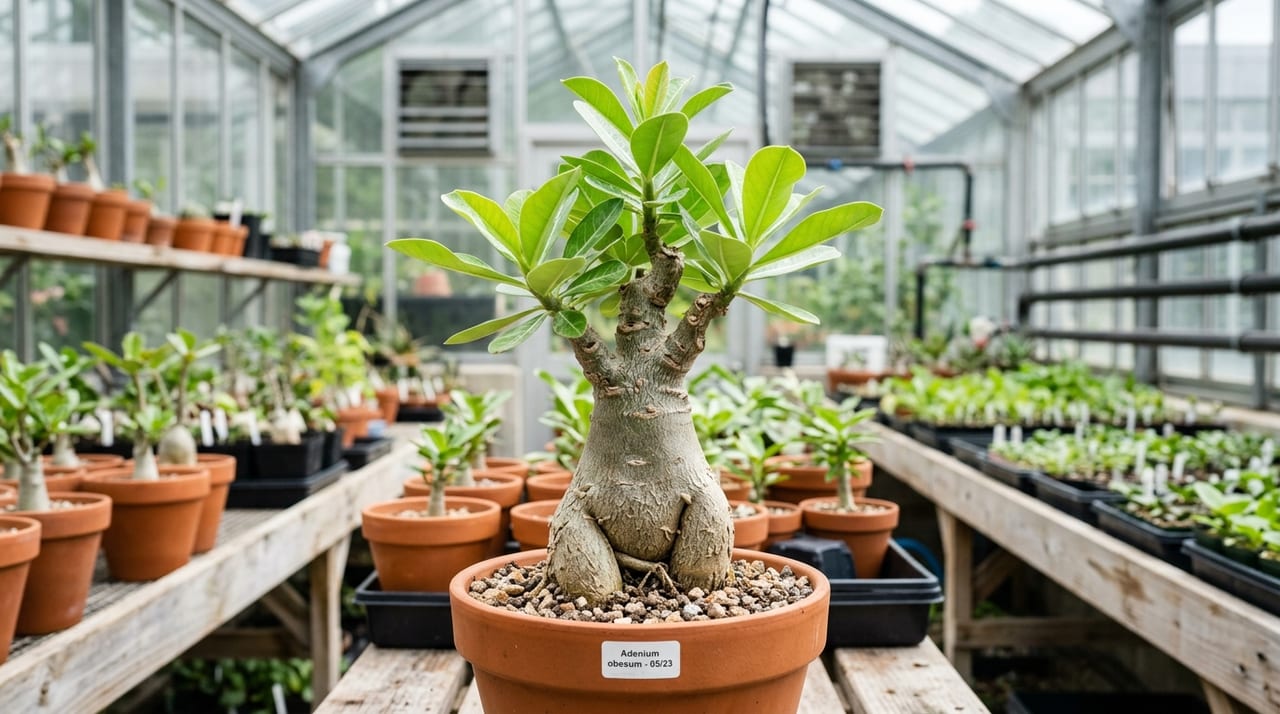
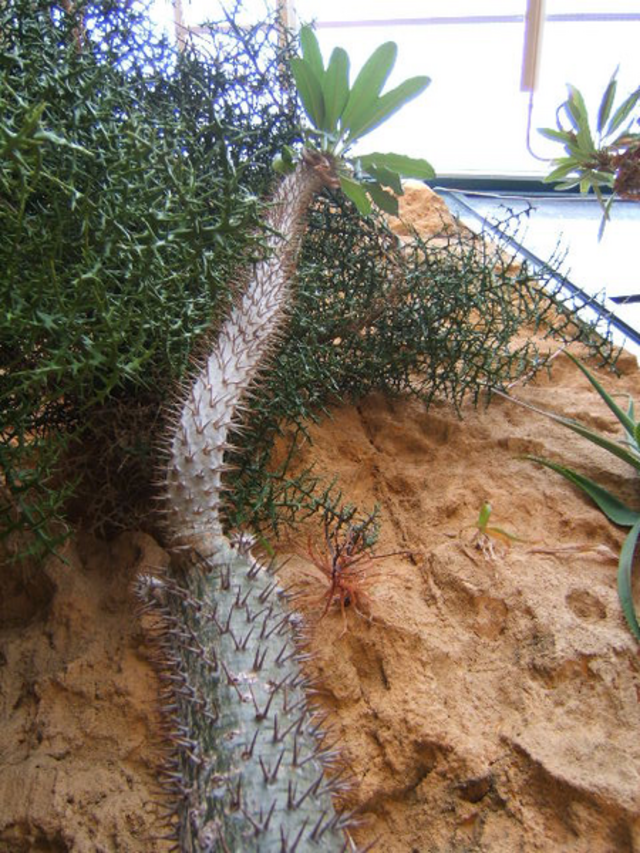
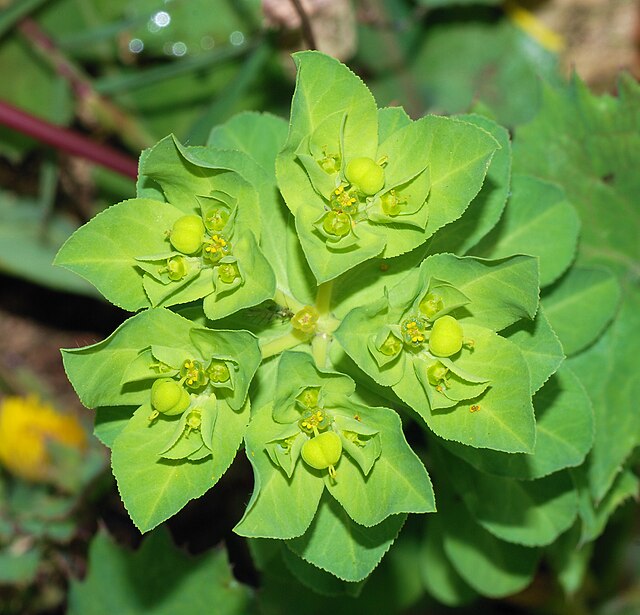
Popular species like Pachypodium rosulatum var. gracilius (Gracilius), Pachypodium densiflorum, and Adenium are said to root most readily around 25–28°C. Similarly, Euphorbia species in the caudex group and certain Dioscorea varieties respond well to this range. If you want to grow Adenium into a plant that flowers well, it is also worth checking How to Grow Adenium and Tips for Blooming for post-rooting care.
Practical Steps
- Place the heat mat on a flat surface, turn on the power, and preheat for 10–15 minutes
- Hold a thermometer probe firmly against the mat surface to check the actual temperature
- Place the pot on the mat and measure the temperature inside the pot again (differences will vary based on ambient temperature and pot material)
- Terracotta pots tend to lose heat more readily than plastic pots, so adjust the set temperature 1–2°C higher
- After confirming rooting, continue the setting for at least two more weeks to promote root establishment
Winter Temperature Management | Practical Settings During Dormancy
For rooted plants as well, managing ground temperature in winter is important. Low temperatures that pose no problem during the growing season can weaken the plant if dormancy is insufficient or rapid temperature fluctuations occur.
When Inducing Dormancy Deciduous species like Gracilius enter natural dormancy around 15°C. In this case, heat mats are unnecessary and excess heating may actually disturb dormancy. The basic approach is to withhold water and manage using insulation (styrofoam boxes, etc.). The dormancy-specific approach to withholding water and keeping plants warm is covered in more detail in Guide to Caudex Plant Dormancy Management | Leaf Drop, Water Cessation, and Spring Awakening.
For Evergreen and Semi-evergreen Species Continuing Growth Heat mats are effective for species like Adenium, Agave varieties, and certain Euphorbia species that continue growing even in winter. Maintain ground temperature at 22–26°C while continuing light watering. However, this management carries a risk of etiolation, so ensuring adequate light (using plant growth LEDs, etc.) is prerequisite. Specific measures to make up for insufficient sunlight are summarized in Complete Guide to Indoor LED Cultivation of Caudex Plants | Essential for Winter Management, so consider introducing them together with a heat mat.
Protecting Against Nighttime Temperature Drops A heat mat alone cannot fully compensate for heat loss from the sides. Combinations such as loosely wrapping the pot in plastic, surrounding a seedling tray with aluminum foil, or placing an acrylic cover over it can prevent sharp temperature drops during nighttime.
Caution Against Overheating, Drying, and Moisture Stress
Heat mats are effective tools, but improper use can damage plants. Three key risks to watch for:
Root Burn from Overheating When mat surface temperature exceeds 40°C, roots can be damaged or killed by heat. This is especially likely when pots are small or thin, as interior temperatures can spike rapidly. It's critical to use a thermostat and manage actual pot-interior temperatures.
Accelerated Drying While using a heat mat, growing medium dries faster than normal. During root development management, check soil moisture with your finger and supplement with misting as needed. However, avoid overwatering, as excessive moisture causes rot.
Root Rot from Moisture Buildup Using a heat mat in an enclosed space promotes moisture accumulation. Ensure good air circulation, and during root development management, simply opening the space for short periods once daily significantly reduces this risk.
Summary | Incorporating Heat Mats into Your Growing Routine
In caudex cultivation, the heat mat's role is shifting from "a convenient tool" to "an essential item for root development management." Especially when conducting root development management from autumn into winter in Japan, maintaining high success rates without ground temperature management is difficult.
At the same time, heating is not a cure-all. It only becomes effective once light, water, and air circulation are balanced. By accurately managing temperature with a thermostat and habitually checking actual temperature values, both rooting rates and winter survival success rates improve significantly. Incorporate heat mats into your routine and make caudex cultivation more reliable. If you have concerns about the condition of plants in cultivation, consider reaching out directly to growers at GrowerDirect's caudex category for advice.