Complete Pachypodium Gracilis Care Guide | From Root Development to Regular Cultivation
A comprehensive guide to the king of caudex plants, Gracilis (*Pachypodium rosulatum* var. *gracilius*), covering root development management, soil preparation, watering, light management, and winter care. Practical introduction to every step from establishing bare-root specimens to cultivating healthy plants.
Key Takeaways
A comprehensive guide to the king of caudex plants, Gracilis (*Pachypodium rosulatum* var. *gracilius*), covering root development management, soil preparation, watering, light management, and winter care. Practical introduction to every step from establishing bare-root specimens to cultivating healthy plants.
Related Species
Why Gracilis Is Called the "King of Caudex Plants"
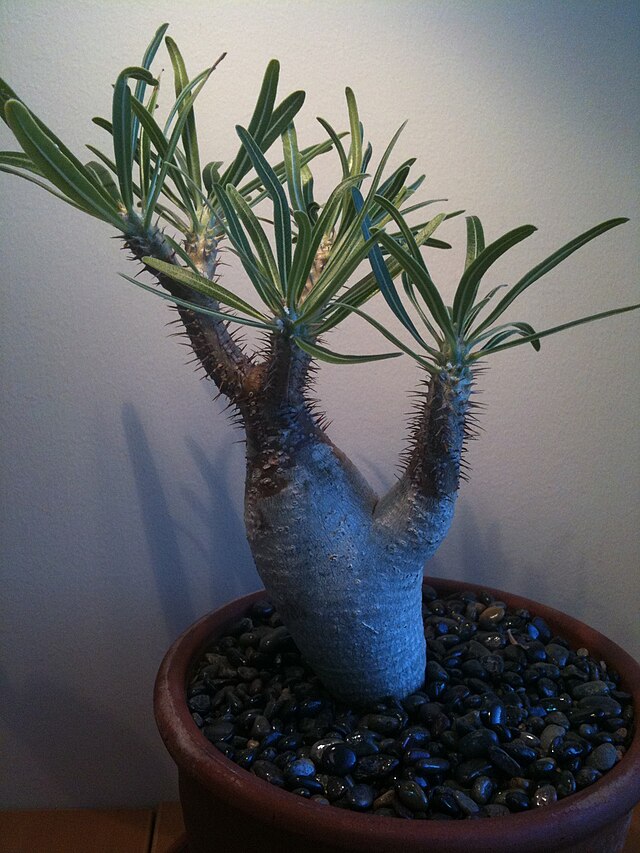
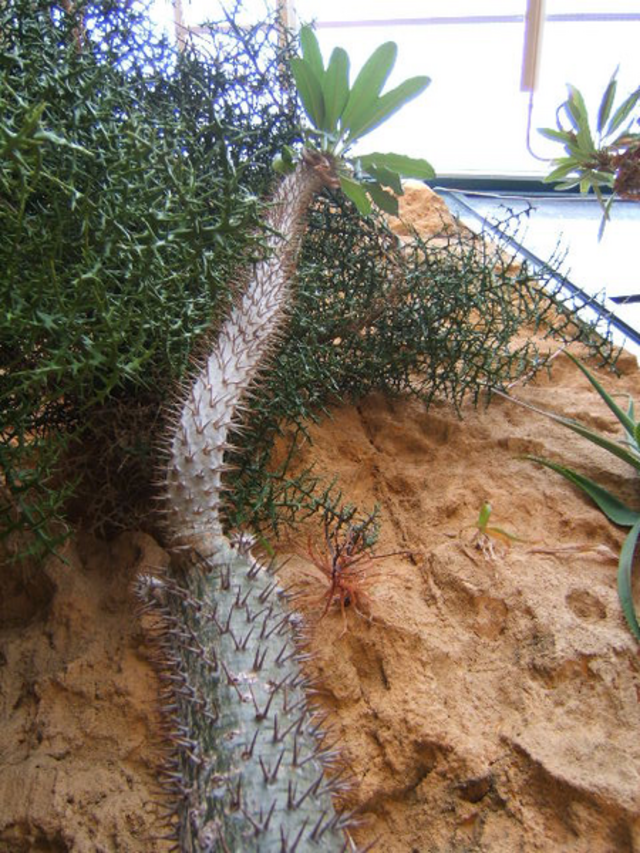
Pachypodium gracilis (Pachypodium rosulatum var. gracilius) is a caudex plant native to limestone areas of Madagascar. It features a rounded, swollen trunk (caudex) with delicate branches topped by bright yellow flowers. The name "gracilis" comes from Latin meaning "graceful" or "elegant."
The core of its appeal lies in the striking asymmetry of its form: a thick, bulbous trunk (nearly spherical) that stores water and nutrients, with delicate branches and small leaves sprouting from it. This contrast creates a distinctive sculptural beauty found in few other plants. In its natural habitat, this form takes decades to develop, and high-quality large specimens often command prices exceeding ¥100,000. Market trends are covered in our Caudex Plant Pricing Guide, but even amid the recent succulent and caudex boom, Gracilis maintains an exceptional status and is beloved by collectors ranging from beginners to advanced enthusiasts.
Root Development Management: The First Challenge of Bare-Root Specimens
Imported bare-root specimens arrive either rootless or with roots trimmed short. "Root development management" is the first and most critical step in Gracilis cultivation. Failure at this stage can kill the plant, so careful attention to environmental conditions is essential.
Basic Conditions for Root Development Environment
- Temperature: 28–35°C (82–95°F) is ideal. High heat strongly promotes rooting. Beginning root development management in early summer (rainy season through summer) increases success rates
- Light: Place in a bright location; direct sunlight is fine. Photosynthesis allows the plant to generate its own energy, which is key to rooting
- Bottom Heat: Placing the pot on a heat mat warms the root zone and significantly accelerates rooting
- Humidity: 75–85%. Keeping the plant in a sealed plastic bag or closed container is also effective
Watering Philosophy
Previously, complete drought until roots appeared was standard practice, but modern methods favor light misting or minimal watering. Water sparingly only after the soil is completely dry, at the plant's base; be cautious of rot from excess moisture. Using rooting hormones such as Oxyberon (indolebutyric acid) or similar products can increase success rates.
Signs of Rooting
If the plant feels anchored to the soil like a suction cup when gently lifted, roots have formed. New growth emerging is also strong evidence. Rooting can take 2–3 weeks in fast cases or 3–4 months in slow ones. Be patient and continue observing.
Soil and Pot Selection
Preventing root rot in Gracilis hinges on excellent drainage. Standard houseplant soil and garden soil retain too much moisture and are unsuitable.
Recommended Soil Mix
- Pumice (small grain): 40–50%
- Red volcanic soil (small grain): 20–30%
- Kanuma soil: 10–20%
- Perlite: 0–10%
Keep organic matter (leaf mold, bark) to a minimum or omit it. Commercial caudex plant mixes work, but adding extra pumice improves drainage further.
Terracotta or small slotted pots are ideal. Terracotta itself promotes air flow and drainage, reducing rot risk. Choosing a pot slightly smaller than the plant size prevents overwatering.
Watering and Fertilizing
Water management for Gracilis is all about rhythm. Dramatically varying watering between the growing and dormant seasons supports healthy growth.
Growing Season (April–October)
Wait 1–2 additional days after the soil is completely dry, then water thoroughly. In sunny periods, water roughly once per week to 10 days. Water on clear mornings so daytime heat evaporates excess moisture. During the rainy season, avoid overexposure to rain; if prolonged rainfall occurs, move the plant under an eave or indoors.
Dormant Season (November–March)
As temperatures drop below 15°C (59°F), gradually reduce watering and transition to complete drought. It is normal for the trunk to slightly shrivel during dormancy. Resume watering in spring as new growth appears with warming temperatures.
Fertilizing
During the growing season, apply slow-release fertilizer monthly or liquid fertilizer every two weeks. Excess fertilizer causes etiolation (leggy growth) of the trunk; use half-strength to maintain form. Stop fertilizing entirely during dormancy.
Light Management and Placement
Gracilis strongly prefers intense light. Adequate light is essential for maintaining a round, thick trunk.
Outdoor Placement (Recommended)
Ideally, keep the plant outdoors in direct sunlight from spring through fall. Adequate light produces a firm, compact trunk and healthy, attractive form. It tolerates intense summer sun, but ensure good air circulation to prevent excessive pot temperature.
Indoor Placement Considerations
If indoor placement is necessary, position it at a south-facing window. Insufficient light causes etiolation (leggy growth) and loss of trunk thickness. Grow lights can supplement, but do not fully replace natural sunlight; combining indoor and outdoor management is best.
Spring Acclimation to Light
Abrupt exposure to strong light after indoor dormancy causes leaf scorch. Gradually acclimate over 2–3 weeks: first in shade, then bright shade, then morning sun only.
Winter Survival and Yearly Management Tips
Winter Care
Bring the plant indoors before temperatures drop below 10–15°C (50–59°F). Winter survival requires maintaining a minimum of 10°C (50°F); below 5°C (41°F), the plant suffers damage and may die.
Leaf drop is natural for Gracilis in winter. As long as the trunk is alive, complete defoliation is harmless; new growth will emerge in spring as temperatures rise. Stop watering once leaf drop begins and switch to dormant-season drought.
Repotting
Repot every 2–3 years in spring (May–June). Gently remove old soil without damaging roots; trim damaged roots and allow them to dry before planting in fresh mix. Withhold water for about a week after repotting to let root cuts dry.
For seedling management, see our Pachypodium Seedling Year 2 Care guide, which complements this bare-root rooting section. With proper care, Gracilis provides years of enjoyment. The greatest secret to cultivating beautiful form is patience and consistency, working with the plant's natural rhythm.