Air-Purifying Houseplants Ranking | How to Choose Based on NASA Research
We introduce houseplants proven effective in NASA's Clean Air Study in ranking format. We explain varieties like spathiphyllum, dracaena, and pothos that absorb formaldehyde and benzene, along with placement guidelines.
Key Takeaways
We introduce houseplants proven effective in NASA's Clean Air Study in ranking format. We explain varieties like spathiphyllum, dracaena, and pothos that absorb formaldehyde and benzene, along with placement guidelines.
Related Species

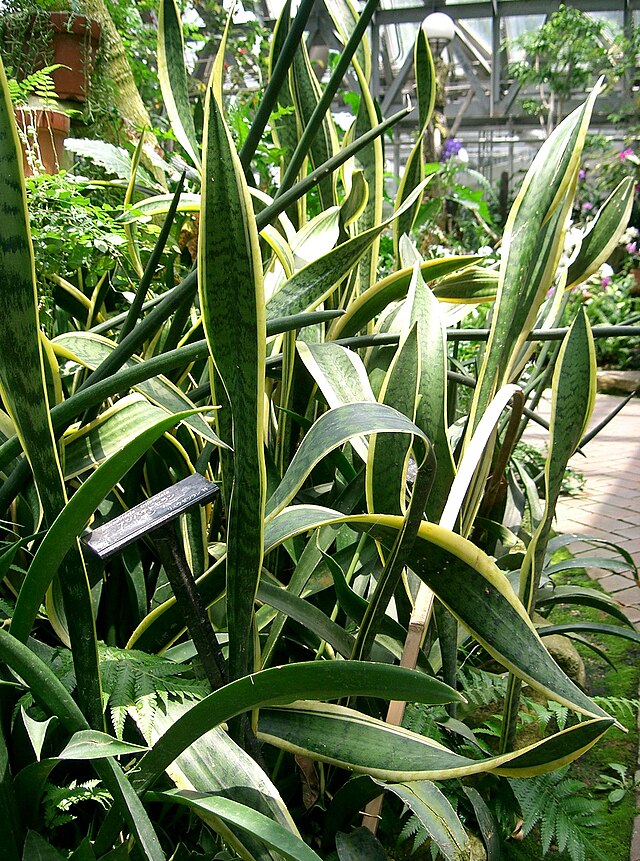
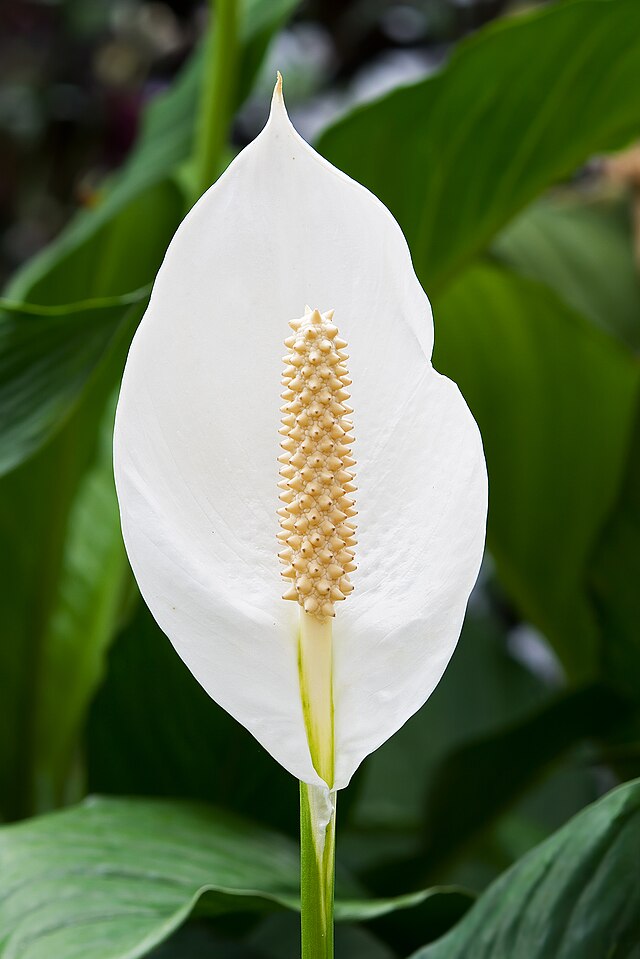
As research demonstrating the potential of houseplants to purify indoor air, there is the "Clean Air Study" released by NASA (National Aeronautics and Space Administration) in 1989. This experiment aimed to improve air quality in the closed environment of a space station and demonstrated that multiple plants could absorb and break down harmful substances.
Overview of NASA Clean Air Study
In the experiment, plants were cultivated in sealed chambers, and measurements were taken of how much volatile organic compounds (VOCs) such as formaldehyde, benzene, trichloroethylene, xylene, and ammonia were removed.
The mechanism of air purification by plants consists mainly of two processes:
- Absorption through leaves: Harmful gases are taken in through leaf pores and metabolized and neutralized within cells
- Rhizosphere microorganisms: Microorganisms living around plant roots break down harmful substances. In potted plants with soil, the action of the rhizosphere is particularly important
Important Note: This research was conducted in sealed chambers and does not necessarily apply directly to typical residential environments. In actual indoor environments, ventilation and room size differ, so relying solely on plants for air purification has limitations. However, the possibility that placing an appropriate number of plants contributes to indoor environmental improvement is not denied.
Overview of Harmful Substances
Formaldehyde A volatile substance found in plywood, flooring, adhesives, paints, curtains, and other materials. Concentrations tend to rise in newly built or renovated homes and is considered one of the causes of sick building syndrome.
Benzene Found in paints, varnishes, adhesives, cigarette smoke, and other sources. Chronic exposure to high concentrations is said to affect health.
Trichloroethylene A volatile substance used in cleaning agents, degreasing agents, and similar products.
Houseplants Expected to Have Air-Purifying Effects
Comparative Ranking Table of Air-Purifying Effects
| Houseplant | Primary Absorbed Substances | Shade Tolerance | Ease of Cultivation |
|---|---|---|---|
| Spathiphyllum | Benzene, Trichloroethylene, Formaldehyde | Strong | Easy (white flowers) |
| Dracaena marginata | Benzene, Formaldehyde, Xylene | Moderate | Drought-tolerant |
| Sansevieria | Formaldehyde (releases oxygen at night) | Strong | Very easy |
| Pothos | Formaldehyde, Benzene, Carbon monoxide | Moderate | Fast-growing, hardy |
| Areca palm | Formaldehyde (with humidifying effect) | Moderate | Prefers bright indirect light |
| Boston fern | Formaldehyde, Xylene | Moderate | Requires high humidity and misting |
| Rubber plant | Formaldehyde | Moderate to Strong | Hardy (beware of latex) |
※NASA research results are from closed-space experiments. Using plants alongside ventilation is more practical than relying on plants alone.
1. Spathiphyllum (Spathiphyllum)
NASA research has documented the removal effects of benzene, trichloroethylene, and formaldehyde. It prefers warm, humid conditions and is hardy in low-light areas—an easy plant to cultivate. When white flowers bloom, they brighten up the indoor space.
2. Dracaena marginata (Dracaena marginata)
A variety with narrow leaves edged in red, confirmed to absorb benzene, formaldehyde, trichloroethylene, and xylene. It is drought-tolerant and easy to manage.
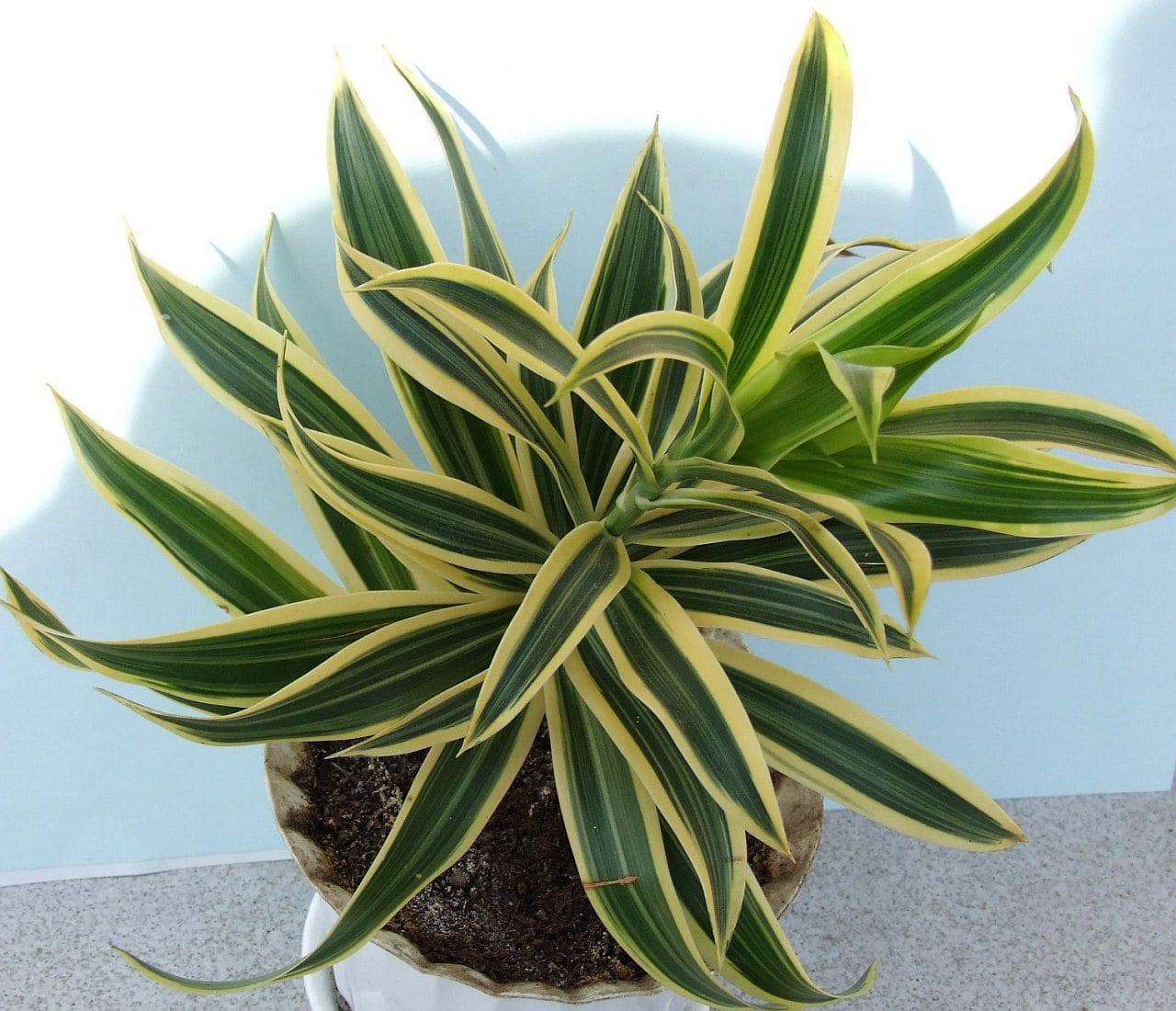
3. Sansevieria (Dracaena trifasciata)
While most plants release carbon dioxide at night, sansevieria performs CAM photosynthesis and is said to release oxygen even at night. Removal of formaldehyde has also been reported. It has high drought and shade tolerance and is easy to care for.
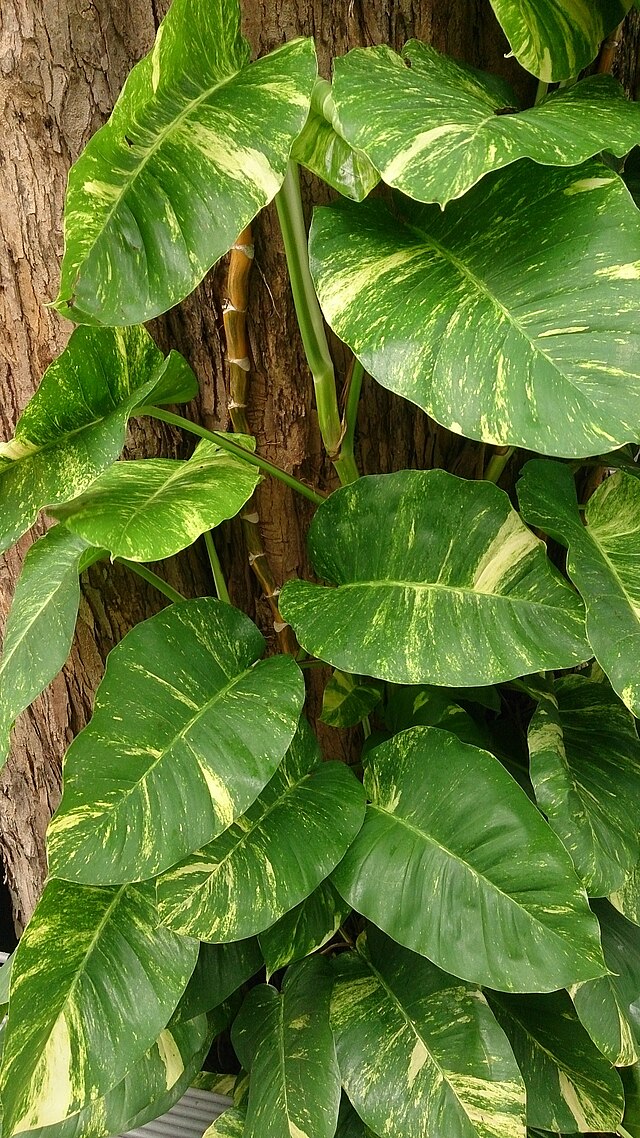
4. Pothos (Epipremnum aureum)
Removal effects on formaldehyde, benzene, and carbon monoxide have been demonstrated. With rapid growth and increasing leaf area as vines extend, it can make relatively efficient contact with the air.
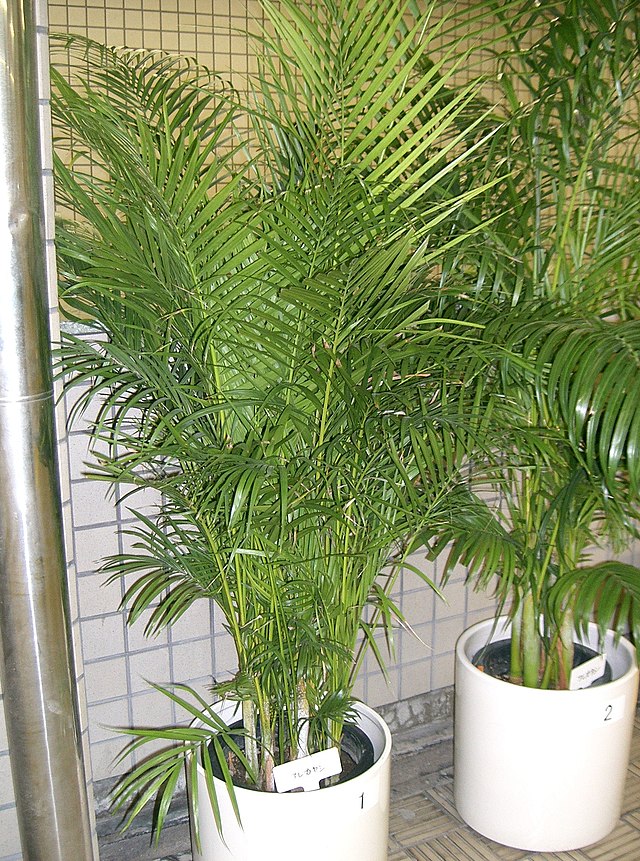
5. Areca palm (Dypsis lutescens)
With large leaf area and high transpiration, both humidifying effects and formaldehyde removal have been reported. It prefers bright indirect light and grows vigorously in warm, humid environments.
6. Boston fern (Nephrolepis exaltata)
One of the fern species most extensively researched, it is said to be effective at removing formaldehyde and xylene. It prefers high humidity, and regular misting is necessary in dry indoor environments.
7. Rubber plant (Ficus elastica)
Characterized by large, glossy leaves, it has been reported to absorb formaldehyde. While it prefers bright locations, it also has some shade tolerance. Care must be taken as the latex can cause skin irritation.
Tips for Enhancing Actual Results
- Place multiple plants: Multiple plants provide greater leaf area and rhizosphere microbial population than a single pot, making results more likely
- Keep leaves clean: When dust accumulates on leaves, pores become blocked and absorption efficiency decreases. Wiping regularly with a damp cloth helps
- Maintain healthy plants through proper care: Weakened plants have reduced purification capacity. Proper light, water, and temperature management are essential
- Combine with ventilation: Rather than relying solely on plants, combining them with regular ventilation is the realistic approach to air quality management
Purchase with Confidence on GrowerDirect
When introducing houseplants with the expectation of air-purifying effects, choosing healthy plants is important. GrowerDirect allows you to purchase quality plants directly from houseplant specialist growers and consult about placement and care methods before purchase.