Guide to Propagating Foliage Plants | Methods for Cuttings, Division, and Air Layering
A guide to propagating foliage plants using cuttings, division, air layering, and leaf propagation methods by plant type. Includes optimal timing, how to use rooting hormones, and tips for increasing success rates.

Key Takeaways
A guide to propagating foliage plants using cuttings, division, air layering, and leaf propagation methods by plant type. Includes optimal timing, how to use rooting hormones, and tips for increasing success rates.
Related Species
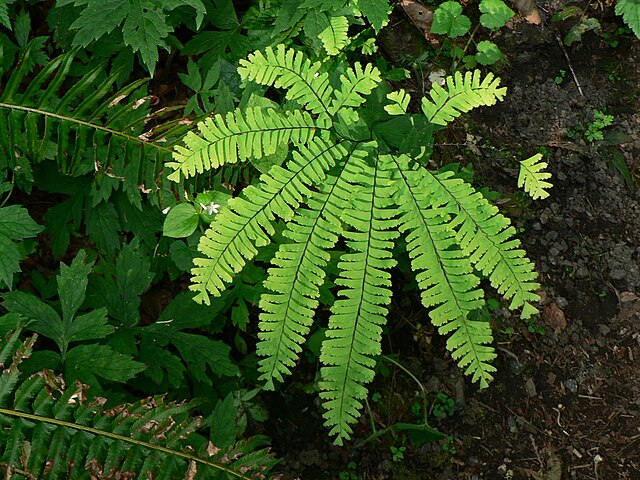
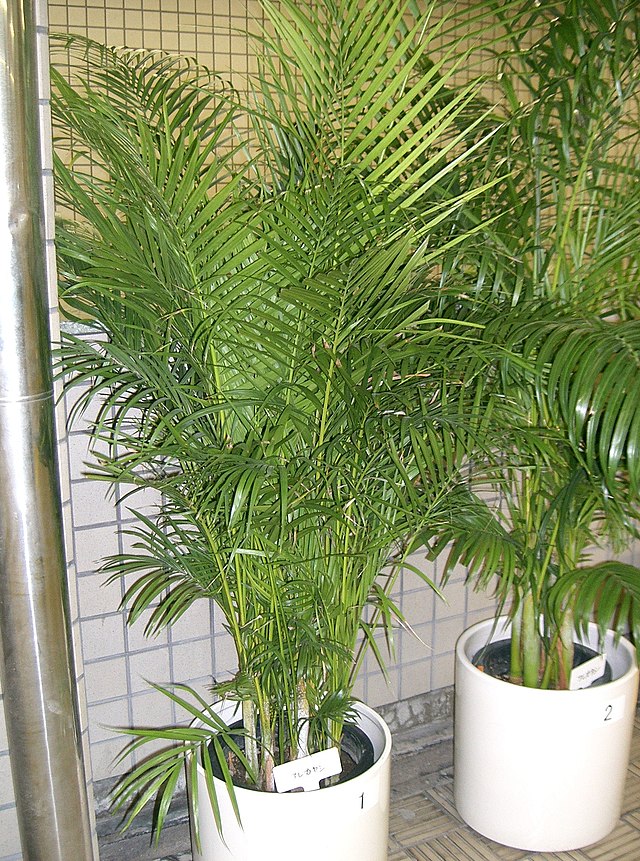
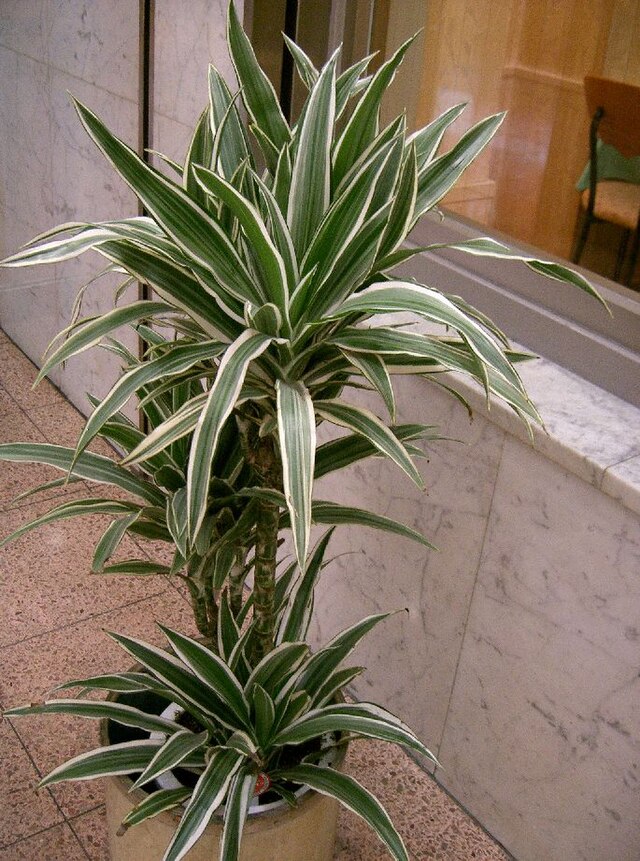
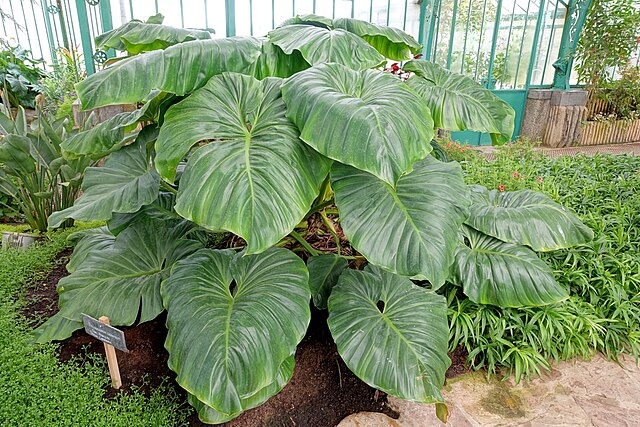
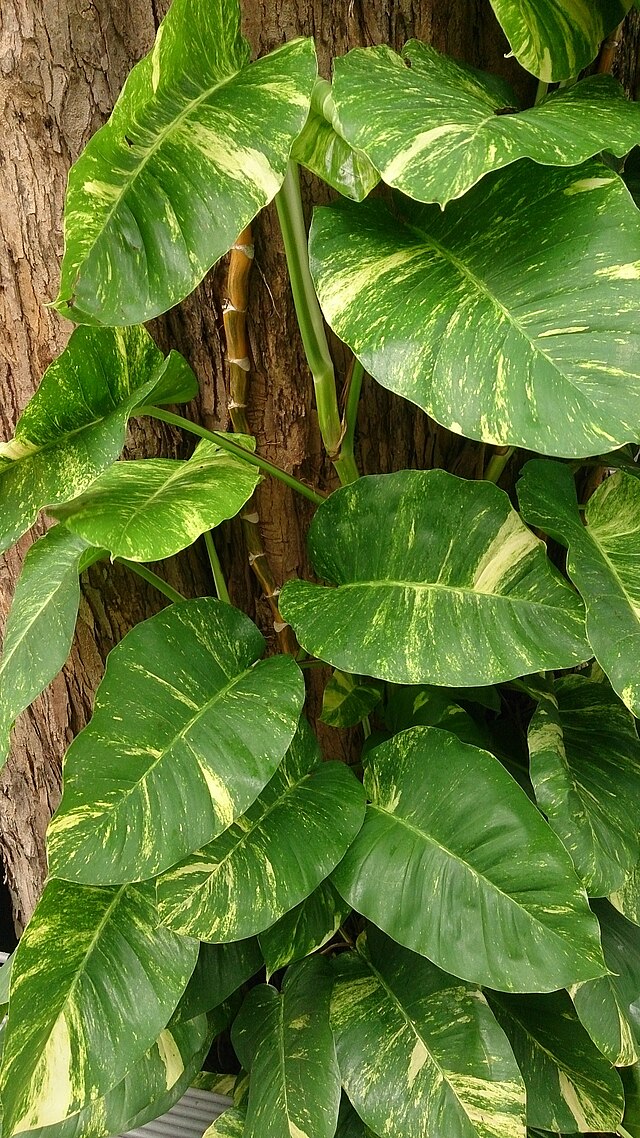
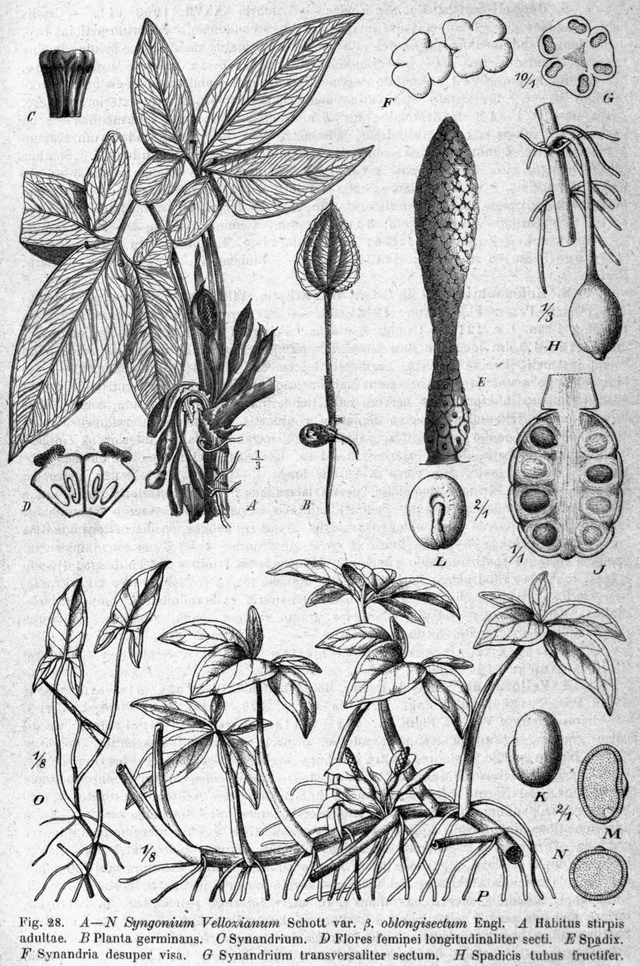
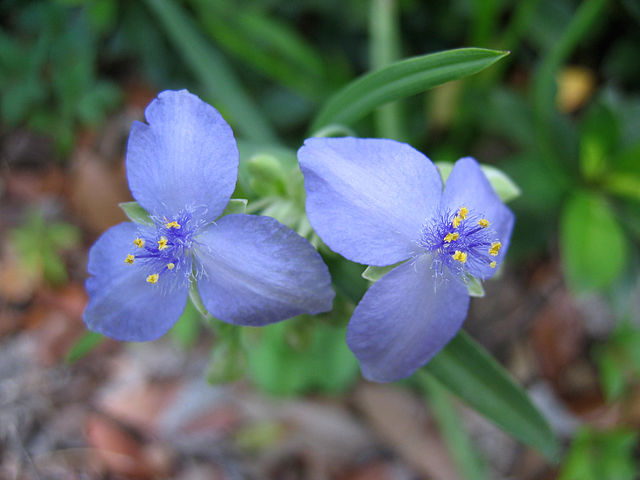
Propagating foliage plants with your own hands is one of the greatest joys of deepening your relationship with plants. The happiness of watching roots successfully develop becomes motivation for long-term plant care. There are several methods—cuttings, division, air layering, and water propagation—each suited to different plants and seasons. This article will explain the major propagation methods in detail, including tips that even beginners can use to avoid failure.
What You Should Know Before Propagating
Plant propagation has an optimal season. For most foliage plants, spring to early summer (April–July) is the most successful time, when growth is most vigorous. During this period, temperatures are stable, creating ideal conditions for root development.
Conversely, winter slows plant metabolism, delaying root formation and increasing the risk of rot. Beginners should start with propagation in spring.
Regardless of method, cleanliness is essential. Disinfect scissors and knives with alcohol or boiling water before use to prevent bacterial infection. If pathogens enter the cut surface, your cutting will rot.
---
Cuttings | The Easiest Propagation Method
Cuttings involve cutting a portion of stem and encouraging it to develop new roots, making it the most popular foliage plant propagation method. It requires minimal tools and is beginner-friendly.
Basic Steps
- Use clean scissors to cut a stem 10–15 cm from the tip
- Remove lower leaves, leaving only 2–3 leaves at the top
- Let the cut dry for 1–2 hours (succulents and caudex plants need several days)
- Insert into well-draining cutting soil (red volcanic ash or vermiculite)
- Place in bright shade, watering when the soil surface dries
- Root development takes 2–6 weeks (varies by species and temperature)
Tips for Higher Success Rates
Lightly apply rooting hormone (such as Rootone) to the cut surface to speed up root development. Creating a "misting environment" by covering the entire cutting with transparent plastic wrap reduces water loss while maintaining high humidity, making rooting easier.
Plants Well-Suited to Cuttings
- Pothos and Philodendron: Root easily from nodes; best for beginners
- Syngonium and Dracaena: Sturdy stems with high success rates
- Ficus and Pachira: Takes longer but develops roots with proper care
- Monstera: Can be top-cut or propagated using "stem section" method with a leaf and node
---
Division | Splitting a Mature, Root-Established Plant
Division involves separating a mature plant at the roots to create new plants. Since you don't need to wait for rooting, it's more reliable than cuttings and rejuvenates the parent plant.
Basic Steps
- Remove the entire plant from its pot and gently shake off old soil from the roots
- Find naturally separated sections and gently pull them apart by hand
- If roots are intertwined, cut with a clean knife
- Let cut surfaces dry slightly before planting in fresh soil
- For 1–2 weeks after planting, avoid direct sunlight while roots establish
Timing and Precautions for Division
Division is due when roots protrude from the pot's bottom or when the plant fills the entire pot. Avoid tearing forcefully, as this damages roots—gently work the root ball apart. After division, water sparingly to prevent root rot.
Plants Well-Suited to Division
- Adiantum and Ferns: Naturally spread, making division easy
- Areca Palm and Strelitzia: Divide cleanly at the base
- Aloe and Augusta: Produce offshoots; simply separate them
---
Air Layering | Rejuvenating Tall or Leggy Plants
Air layering involves creating a wound on the stem to encourage rooting, then cutting and potting the rooted section. It's especially effective for plants with elongated stems that need reshaping or for propagating thick stems.
Basic Steps
- Strip the bark 3–5 cm wide in a ring around the desired rooting point (ring barking)
- Wrap the exposed area with wet sphagnum moss
- Seal with plastic wrap or aluminum foil to prevent drying
- Wait 4–8 weeks for root development; white roots visible through the wrap indicate success
- Cut the stem below the roots and pot it in soil, placing in bright shade
Plants Well-Suited to Air Layering
- Ficus, Benjamin Fig, and Rubber Plant: Develop thick stems and air layer well
- Dracaena and Yucca: Ideal for resetting leggy or overgrown plants
---
Water Propagation | Watch Roots Develop in Real Time
Water propagation involves submerging a stem in water to develop roots. Since it uses no soil, it's clean, and you can observe root growth through a transparent glass vessel in real time. It's also beautiful as décor.
Basic Steps
- Cut a stem just below a node and place it in a cup or vase of water
- Adjust so leaves don't touch water (prevents rot)
- Change water every 2–3 days to maintain cleanliness
- Once roots reach 2–3 cm, transplant to soil
- Water generously after transplanting to help the plant adjust to soil
Plants Well-Suited to Water Propagation
- Pothos, Philodendron, and Syngonium: Root extremely easily from nodes; ideal for beginners
- Tradescantia and Ivy: May sprout roots within days
Water-propagated roots are unaccustomed to soil conditions, so they're delicate during the transition. Care for them carefully during the first few weeks after transplanting.
---
Summary | The Joy of Propagation and Expanding Your Plant Life with Botachoku
Houseplant propagation is a rewarding hobby that beginners can master by choosing the right method.
| Method | Difficulty | Well-Suited Plants |
|---|---|---|
| Cuttings | ★☆☆ | Pothos, Dracaena, Pachira |
| Water Propagation | ★☆☆ | Pothos, Ivy, Syngonium |
| Division | ★★☆ | Aloe, Ferns, Areca Palm |
| Air Layering | ★★★ | Rubber Plant, Ficus, Dracaena |
Plants you propagate yourself become treasured possessions. Gift seedlings to loved ones, sell extras, and expand your plant hobby in countless ways.
The foliage plants category on Botachoku offers healthy nursery-raised plants directly from growers. If you're looking for rare varieties or premium specimens, definitely check it out. You can also sell your own propagated plants. It's a safe, reliable platform connecting growers with plant enthusiasts who want them.