Pachypodium vs Adenium: Which Is Easier to Grow? A Complete Comparison
A thorough comparison of pachypodium and adenium, the two most popular caudex plants. We explain key factors for choosing between them, including cold hardiness, growth rate, flowering ease, caudex swelling, and market price.
Key Takeaways
A thorough comparison of pachypodium and adenium, the two most popular caudex plants. We explain key factors for choosing between them, including cold hardiness, growth rate, flowering ease, caudex swelling, and market price.
Related Species
Pachypodium vs Adenium Quick Comparison Chart
Let's sort out "what's really different?" first. Both are caudex plants in the Apocynaceae family, but they differ sharply in growth speed, flowers, price, and cold hardiness.
| Comparison | Pachypodium | Adenium |
|---|---|---|
| Origin | Madagascar & Africa | East Africa to Arabian Peninsula |
| Caudex form | Thick, squat, spiny | Plump, swollen at base |
| Growth speed | Very slow (several to tens of years) | Fast (seedlings impressive in 1–2 years) |
| Flowers | White, yellow, pink (require mature age to bloom) | Pink, red, white, bicolor (bloom easily on young plants) |
| Cold hardiness limit | 5–10°C depending on species | Around 10°C (somewhat cold-sensitive) |
| Price range | Seedlings ¥3,000+; rare large specimens ¥100,000–millions | Seedlings ¥1,000+; flowering plants ¥2,000–20,000 |
| Best suited for | Those wanting to enjoy form and rarity slowly | Those wanting flowers and growth change quickly |
In short: Choose adenium for flowers and affordability; choose pachypodium for form and rarity. Below, we explore the differences in detail.
Pachypodium vs Adenium: Which Is Easier to Grow? A Complete Comparison
The caudex (caudiciform) plant boom continues, with pachypodium and adenium leading the popularity. Both boast distinctive caudex forms and have garnered attention as interior greenery. Yet many beginners wonder "which should I choose?" This article compares the two thoroughly from the perspectives of ease of care, flowers, growth, and price.
Basic Profile of Each
Pachypodium
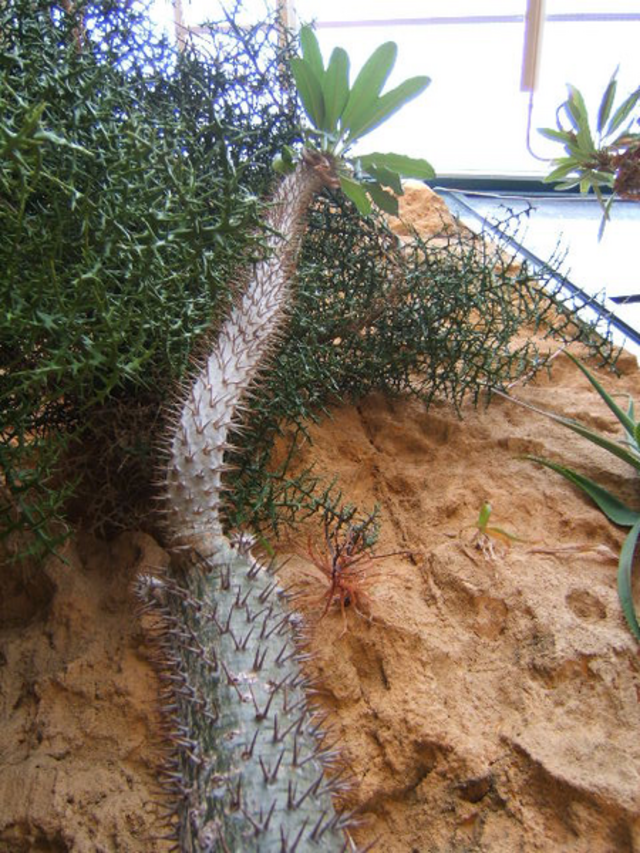
An Apocynaceae plant native to Madagascar and the African continent, with approximately 25 known species. Its hallmark is a thick, squat stem bearing spines, contrasting with leaves radiating from the crown. The signature species gracilius is prized for its rounded body; rare imported specimens can command ¥100,000–millions. In its native habitat, it grows slowly over decades—a plant where you "cultivate time itself."
Adenium
An Apocynaceae plant native from East Africa to the Arabian Peninsula, known by the common name "Desert Rose." Its main appeal is the plump, swollen base and strikingly bright pink-to-red flowers. Selective breeding is vigorous, offering rich variety in flower color and form. It grows faster than pachypodium and blooms within a relatively short timeframe.
Cold Hardiness and Growing Environment
A note for caudex plants in general: both require caution regarding cold.
- Pachypodium: Varies by species; gracilius prefers 10°C or above, while the relatively hardy lamerrei can tolerate down to around 5°C. Winter management typically means moving plants indoors to a bright windowsill.
- Adenium: Maintaining 10°C or above is safest, as it leans toward cold sensitivity. The base is especially prone to rot if exposed to cold, making winter care critical.
In Japan's climate, both require indoor management from late October through April. Pachypodium has a slight edge in cold tolerance, but "winter frost protection" is a shared concern for both.
Growth Rate and Caudex Swelling
One major difference between them is growth speed.
- Pachypodium: Grows extremely slowly; seedlings take years to tens of years to reach an impressive size. This is precisely why large specimens and wild-collected imports command rarity value and captivate collectors. Achieving a plump, swollen caudex requires mastery of light, watering, and root management.
- Adenium: Grows faster than pachypodium; seedlings reach decent size in 1–2 years. The caudex naturally swells readily, and you can prune and train it into your preferred form.
To feel growth progress as you nurture your plant, adenium is ideal; for slow, deliberate cultivation, pachypodium suits you better.
Blooming Appeal
If flowers are your goal, this perspective matters.
- Pachypodium: Different species produce white, yellow, or pink flowers. However, blooming requires adequate plant size and maturity—seedlings often take years before producing their first bloom.
- Adenium: Offers abundant flower colors—pink, red, white, bicolor—with many cultivars in circulation. Even relatively young plants bloom readily, flowering from spring through fall over an extended season. Grafted specimens bloom even earlier.
If flowers are your main focus, adenium is the clear choice. Pachypodium flowers are a rare reward after patient cultivation.
Care Effort and Watering Tips
Both are "drought-tolerant" plants, yet seasonal management requires attention.
Common Points
- Growing season (spring–fall): Water thoroughly when soil is dry; water until it drains from pot holes
- Dormancy (winter): Reduce watering drastically or cease altogether once leaves drop
- Soil: Well-draining mix (akadama soil, pumice, river sand, etc.) is standard
Differences
- Pachypodium enters dormancy clearly, making water management straightforward—but watch for root rot after dormancy breaks.
- Adenium prefers slightly more water during growth season, yet excess moisture causes caudex rot; balance is key.
Difficulty level is roughly equivalent. For both, keeping conditions "on the dry side" and seasonal variation are the secrets to long-term success.
Price Range and Ease of Entry
Pachypodium
- Seedling (small): ¥3,000–10,000
- Domestic large or imported wild specimen: ¥10,000–millions (premium gracilius easily reaches highest prices)
Adenium
- Seedling: ¥1,000–5,000
- Grafted or flowering seedling: ¥2,000–20,000
Cost-wise, adenium has the advantage for beginners. Pachypodium entry pieces still command a price, but offer the depth of rare and imported specimens for serious collectors.
Who Should Choose Which?
Pachypodium suits you if:
- You're drawn to a wild, powerful caudex form
- You want to nurture slowly over years or decades
- You're interested in collecting rare species and imports
- You prefer form over flowers
Adenium suits you if:
- You want both beautiful flowers and caudex
- You want to see growth changes relatively quickly
- You're entering the caudex world on a modest budget
- You enjoy pruning and shaping the tree form yourself
GrowerDirect's Trusted & Safe System
On GrowerDirect, you can purchase caudex plants directly from growers who specialize in them. Before buying, you can confirm the growing environment, cultivation history, and care methods with the grower, so you know exactly "what conditions raised this plant."
Especially for imported or seedling specimens, the rooting condition and health critically influence later care. GrowerDirect carries many pre-rooted individuals, so even beginners can confidently welcome new plants home. Plus, if questions arise after purchase, you can ask the grower directly—ensuring solid aftercare support.
Whether pachypodium or adenium, selecting a healthy specimen from a trusted grower is the crucial first step to long-term enjoyment. Start your caudex journey on GrowerDirect today.
Frequently Asked Questions (Differences & Selection FAQ)
Q. Which should a beginner start with?
Adenium is easier on every front—cost, growth speed, and flowering—making it ideal for caudex debut. You can enjoy pachypodium as a first purchase, but satisfaction runs higher once you embrace the "joy of waiting" for slow growth.
Q. Is gracilius pachypodium or adenium?
Gracilius (Pachypodium rosulatum var. gracilius) is a signature pachypodium species. Its rounded caudex is beloved, and premium imports or large specimens fetch premium prices.
Q. Can I manage both the same way?
The basics overlap—"hearty water during growth, minimal during dormancy." The difference: pachypodium enters dormancy clearly and is easier to manage without water, but watch for root rot as dormancy ends. Adenium prefers slightly more water during growth yet is prone to caudex rot from excess moisture.
Q. Tips for buying imported or bare-root specimens?
For both, rooting condition heavily influences post-purchase success. Always confirm whether the specimen is pre-rooted or if rooting care is needed. The rooting process is detailed in Adenium Rooting Management Complete Guide.
Related Articles
- Adenium Rooting Management Complete Guide — Proven steps to root bare-root adenium specimens
- Popular Adenium Variety Ranking — Choose by flower color and form
- Top 10 Popular Caudex Plants — Comprehensive comparison including both species