Caudex/Caudiciform Plants Popularity Ranking TOP 10 | 2026 Edition – Comprehensive Comparison of 10 Major Species
2026's latest ranking of popular caudex plants TOP 10. Comprehensive comparison of 10 major species including Pachypodium gracilius, Adenium obesum, and Operculicarya pachypus across 5 axes: price range, availability, ease of cultivation, form type, and recommended audience. Detailed selection tips by budget and collection composition strategies.
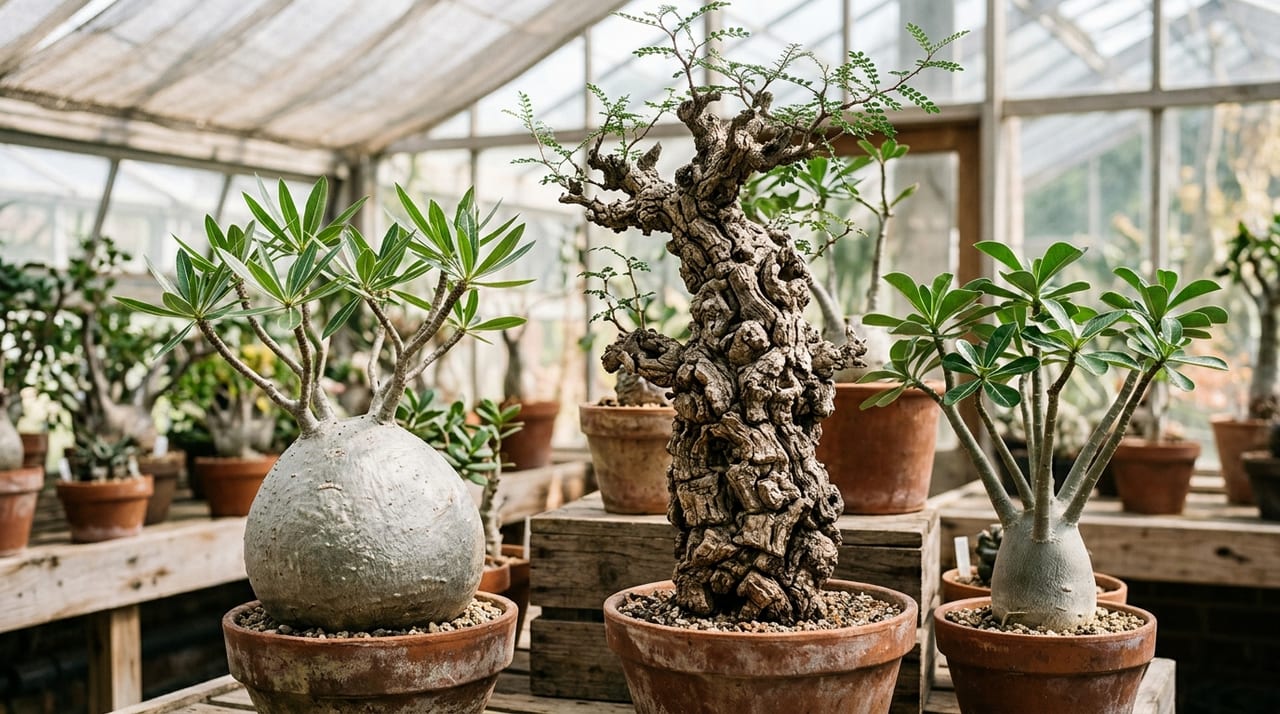
Key Takeaways
2026's latest ranking of popular caudex plants TOP 10. Comprehensive comparison of 10 major species including Pachypodium gracilius, Adenium obesum, and Operculicarya pachypus across 5 axes: price range, availability, ease of cultivation, form type, and recommended audience. Detailed selection tips by budget and collection composition strategies.
Related Species
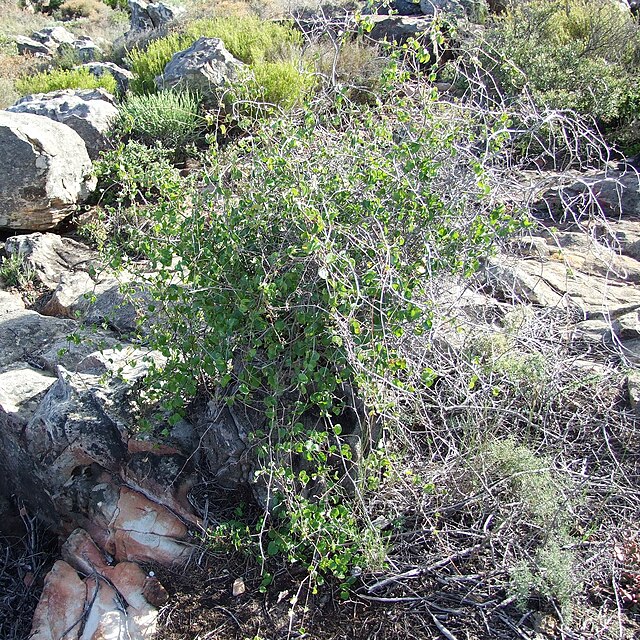
Dioscorea Elephantipes
View species details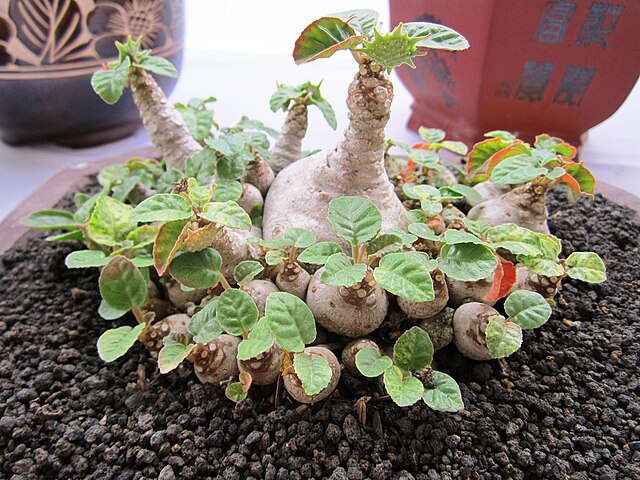
Dorstenia Foetida
View species details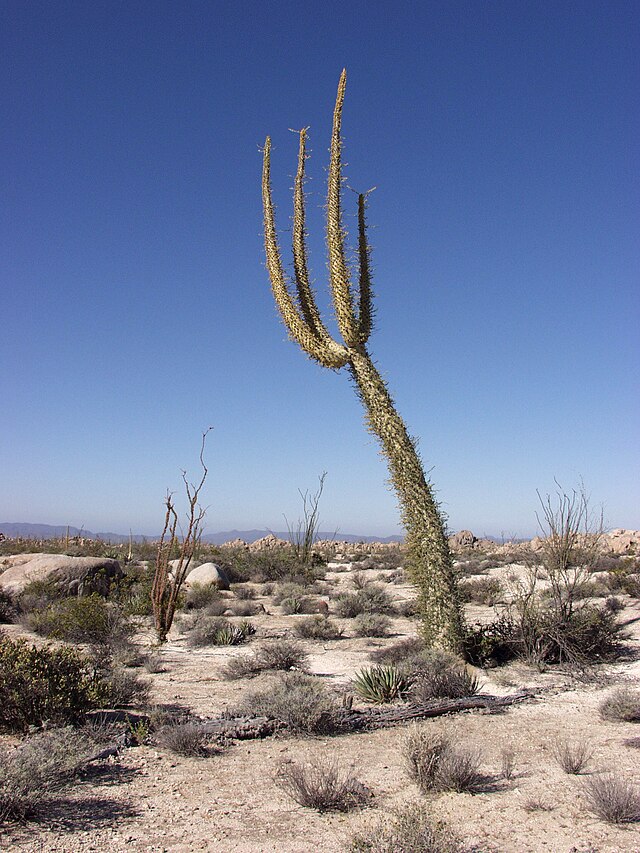
Fouquieria Columnaris
View species details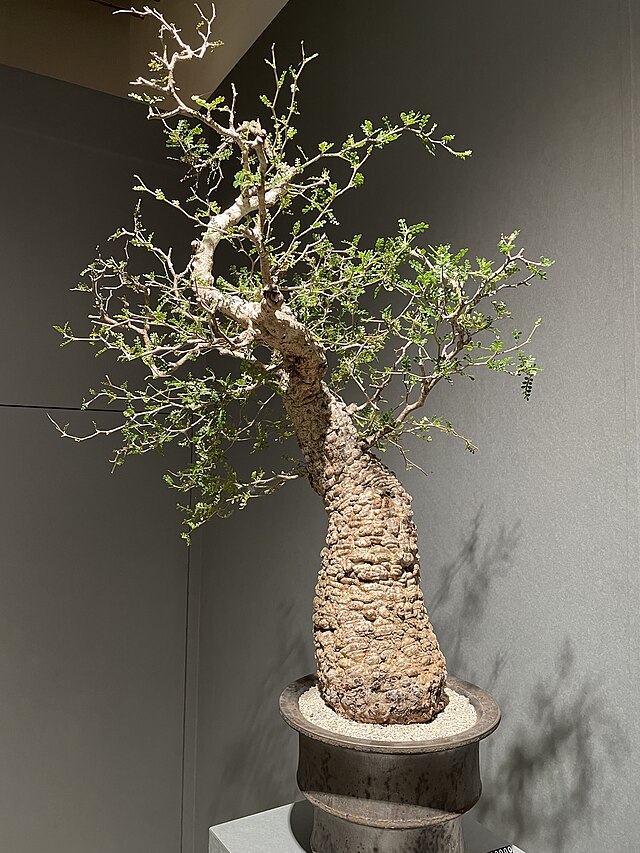
Operculicarya Pachypus
View species details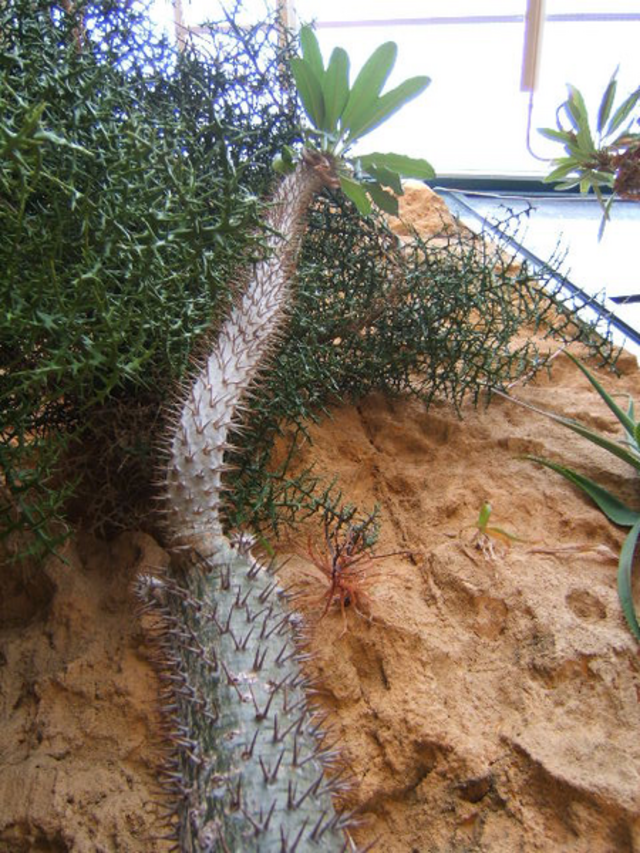
Pachypodium
View species details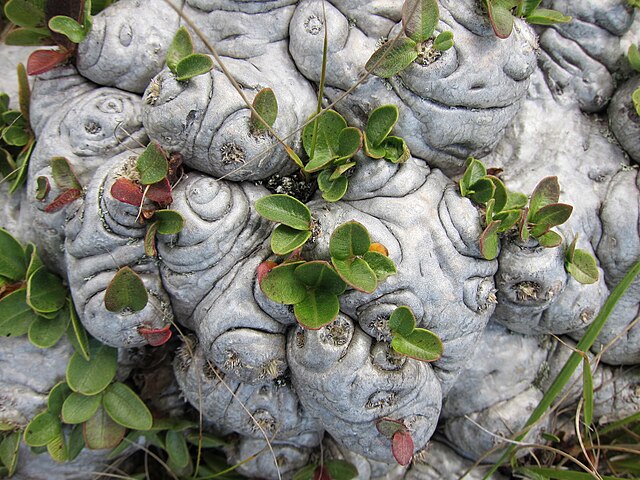
Pachypodium Brevicaule
View species details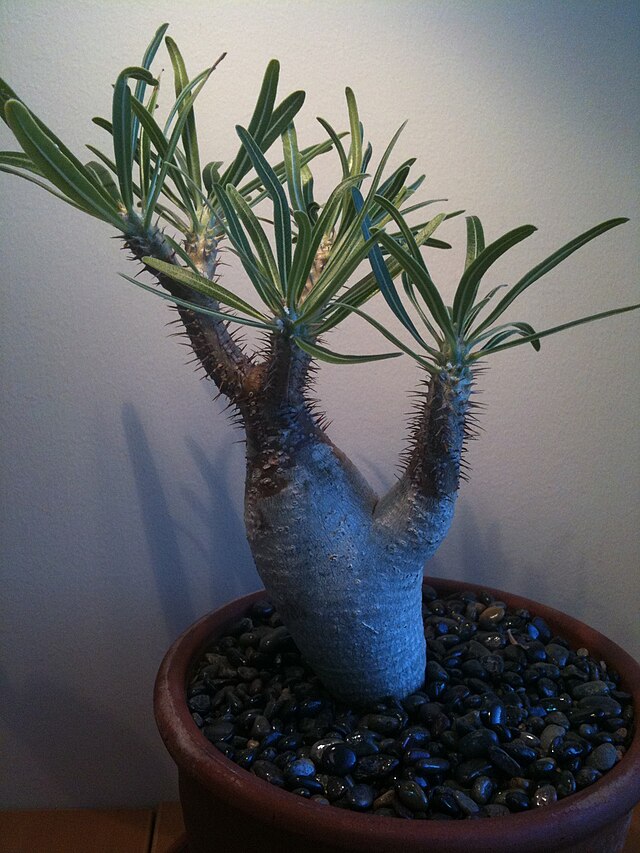
Pachypodium Gracilius
View species details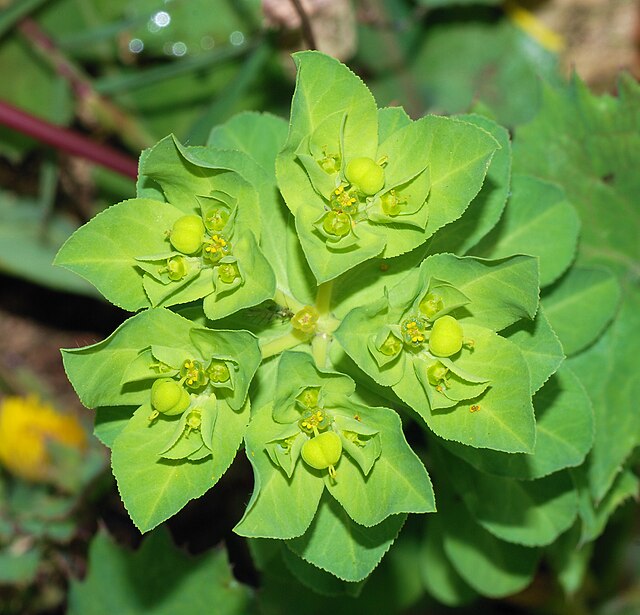
Euphorbia
View species detailsThe Appeal of Caudex/Caudiciform Plants
Caudex plants (also called caudiciform) are a collective term for plants in which the roots or stem thickens to store water and nutrients. Many grow wild in arid regions with distinct rainy and dry seasons—Madagascar, South Africa, Mexico and beyond—where they've evolved their distinctive forms as an adaptation to harsh conditions.
In recent years, popularity as an interior plant has surged dramatically, and enthusiasts are drawn to their "sculptural presence" unlike other foliage plants. Each specimen has its own character; even identical species vary greatly in form, making the joy of cultivating your own unique plant especially rewarding. Furthermore, with proper care, some live for decades or even centuries, and an increasing number of people enjoy them in the spirit of bonsai—a plant you can nurture for a lifetime.
Popular Caudex Plant Ranking Comparison Table (2026 Edition)
The top 10 species are compared across 5 axes: price range, availability, ease of cultivation, form type, and recommended audience. Availability varies with market conditions, so please use this as a reference.
| Rank | Species | Price Range | Availability | Ease of Growth | Form Type | Recommended For |
|---|---|---|---|---|---|---|
| 1 | Pachypodium gracilius | ¥1,000s–¥100,000s | Medium–High | Medium–Difficult | Round-bodied | Intermediate–Advanced |
| 2 | Adenium obesum | ¥1,000–¥10,000s | Low | Easy | Broad-based | Beginners |
| 3 | Operculicarya pachypus | ¥10,000s–¥100,000s | Very High | Medium | Ancient-tree style | Intermediate–Advanced |
| 4 | Pachypodium lamerei | ¥100s–¥10,000s | Low | Easy | Vertical | Beginners |
| 5 | Euphorbia obesa | ¥1,000–¥10,000s | Low | Easy | Spherical | Beginners |
| 6 | Pachypodium brevicaule | ¥1,000s–¥10,000s | Medium | Medium | Flattened pagoda | Intermediate |
| 7 | Dioscorea elephantipes | ¥1,000s–¥10,000s | Medium | Medium | Tortoise-shell | Intermediate |
| 8 | Fouquieria columnaris | ¥10,000s+ | High | Medium–Difficult | Columnar | Advanced |
| 9 | Boophane disticha | ¥1,000s–¥10,000s | Medium | Medium | Bulb-like | Intermediate |
| 10 | Dorstenia foetida | ¥1,000–¥10,000s | Low–Medium | Easy | Squat | Beginners |
Beginners are advised to start safely with species rated "easy" to grow: Adenium, Lamerei, Obesa, and Dorstenia. If you're uncertain about watering frequency, see Caudex Watering Frequency Guide; for soil selection, see Caudex Soil Mix Guide. Actual plants for purchase can be found in GrowerDirect's caudex category. For detailed ecology of each species, see encyclopedia pages: Pachypodium gracilius / Operculicarya pachypus / Dioscorea elephantipes (Tortoise Plant).
Top 10 Popular Caudex Plants
Rank 1 | Pachypodium gracilius
Currently the most popular caudex plant native to Madagascar. Its greatest charm is the plump, rounded, silvery-gray caudex, sometimes called "living sculpture." It produces yellow flowers from spring through summer, combining caudex, foliage, and flowers—the perfect trifecta.
Imported specimens often require rooting management and are moderately to highly difficult to cultivate. Domestically propagated seedlings, however, are relatively hardy and accessible even to beginners. Seedling saplings start at a few thousand yen, while large wild-collected specimens can reach hundreds of thousands of yen. See Gracilius Seedling Guide for cultivation from seed.
Recommended for: Those seeking the signature presence of a caudex plant; intermediate to advanced growers who want to savor long-term cultivation.
Rank 2 | Adenium obesum (Desert Rose)
Adenium, native to Africa and the Arabian Peninsula, lives up to its nickname "desert rose" with showy flowers and a swollen caudex. Flowers come in white, pink, red, and multi-colored varieties; continued breeding means plenty to choose from. It thrives in heat; the Japanese summer is ideal for active growth, but winter requires dry management.
Recommended for: Those who want flowers; beginners on a budget; seekers of vibrant indoor greenery.
Rank 3 | Operculicarya pachypus
Native to Madagascar, this plant is prized for its graceful form reminiscent of a miniature ancient tree. Growth is extremely slow, but specimens cultivated over years develop an unmatched presence. The textured trunk bark and intricately spreading fine branches captivate collectors. Rarity commands high prices; large specimens often exceed hundreds of thousands of yen. See Operculicarya pachypus Cultivation Guide for detailed care.
Recommended for: Those seeking bonsai-like ancient-tree aesthetic; advanced collectors building long-term collections.
Rank 4 | Pachypodium lamerei
Like gracilius, a Pachypodium species, but with a sleek, upright form. Grows at a relatively fast pace and is easy to manage, making it ideal as the first step into caudex cultivation. Its white flowers are beautiful, combining growth satisfaction with ornamental value.
Recommended for: Beginners wanting a hardy caudex to start with; those who enjoy rapid growth.
Rank 5 | Euphorbia obesa
A spherical Euphorbia from South Africa. Its golf-ball-like round form is distinctive and gradually becomes more elongated with age. Being dioecious, it reproduces readily from seed—popular as a breeding hobby.
Recommended for: Those who love unique forms; beginners wanting to try seed propagation.
Rank 6 | Pachypodium brevicaule (Kirindrica group)
A unique Pachypodium relative with a distinctive tower-like silhouette stacked vertically. Form changes with growth stage, offering the fun of long-term observation. Moderate difficulty; like other Pachypodiums, summer light and winter dormancy (dry period) are key.
Recommended for: Those exploring different facets of Pachypodium; intermediate growers adding variety to collections.
Rank 7 | Dioscorea elephantipes (Tortoise Plant)
From South Africa, prized for the beautiful tortoise-shell-like pattern etched into its caudex. Unlike most caudex plants, this is a "winter-grower": it produces heart-shaped leaves and grows actively autumn through spring, dormant in summer. This unique cycle is beloved by seasoned enthusiasts. See Dioscorea Dormancy Guide for detailed dormancy management.
Recommended for: Those wanting winter greenery; intermediate growers interested in unique growth cycles.
Rank 8 | Fouquieria columnaris
A rare species native to the Baja California desert. Multiple slender stems reach straight skyward—unlike any other plant—a collector's holy grail. Limited supply and high price, but acquiring one brings unparalleled joy.
Recommended for: Advanced collectors seeking unique plants others don't have; fans of Mexican arid-region plants.
Rank 9 | Boophane disticha
A bulb plant of the Amaryllis family from South Africa. Its fan-like spreading foliage is beautiful; at bloom, vibrant flowers cluster in a spherical display. It offers beauty distinct from typical caudex plants, ideal for adding character to a collection.
Recommended for: Those who appreciate bulb plants; collectors wanting floral display impact.
Rank 10 | Dorstenia foetida
From Africa and the Arabian Peninsula, characterized by a squat caudex and distinctive disc-shaped flower heads. Relatively easy to grow; it propagates so vigorously it self-seeds naturally.
Recommended for: Those enjoying unique flower forms; beginners wanting to experience the fun of propagation.
Selection Guide by Budget
Up to ¥10,000 | Build experience with beginner species
Even under ¥10,000, there are excellent options with seedling saplings and hardy varieties.
- Adenium obesum (small to medium saplings): Learn watering rhythm while enjoying flowers—the best beginner species
- Pachypodium lamerei (seedlings): Fast growth feels rewarding
- Euphorbia obesa (small specimens): Space-efficient, durable, long-lasting stability
- Dorstenia foetida: Unique, conversation-worthy, straightforward care
This price range has the advantage of low stakes if failures occur. Spend the first 1–2 years mastering watering and seasonal rhythms.
Up to ¥50,000 | Intermediate species deepen your collection
After 1–2 years of experience, try species with greater presence.
- Pachypodium gracilius (domestic seedlings, 3–5 years old): The caudex form becomes apparent; high satisfaction
- Dioscorea elephantipes (medium specimens): Learn the unique winter-growth cycle
- Boophane disticha: Add bulb-plant depth to your collection
- Pachypodium brevicaule: Small yet distinctive form, perfect for intermediate growers
¥50,000+ | Rare species and large specimens elevate your collection
Once experience and knowledge are solid, rare and specimen-sized plants become options.
- Operculicarya pachypus (medium to large specimens): Ancient-tree elegance is irreplaceable; the cornerstone of long-term collections
- Pachypodium gracilius (wild-collected): Both the thrill of rooting success and a one-of-a-kind form
- Fouquieria columnaris: Limited supply; acquisition satisfaction is exceptional
Collection Composition Strategy
Structuring a multi-plant collection by growth stage makes management easier and enjoyment richer.
Beginner Phase (Years 1–2): Three-plant set to master care
- Flower-focused plant (Adenium): Learn watering and fertilizer timing
- Growth-focused plant (Lamerei or Dorstenia): Maintain motivation through observation
- Character-focused plant (Obesa): Discover caudex diversity through unique form
Choosing summer-growing species keeps watering schedules unified and confusion-free.
Intermediate Phase (Years 3–5): Five to ten plants for variety
As beginner specimens mature, add "slightly demanding" species like gracilius or tortoise plant. Mixing 1–2 winter and summer growers creates a dynamic collection throughout the seasons. Starting seed propagation here stretches your budget while expanding varieties (→ Seed Germination Guide).
Advanced Phase (Year 5+): Rare species and large specimens take center stage
Once collection direction is established (by origin, genus, form type), start planning rare acquisitions. Slow-growing species like pachypus and Fouquieria are best acquired early to enjoy future growth.
Sub-Rankings by Genus/Group
- Pachypodium popularity: gracilius > lamerei > brevicaule. Unsure? Go hardy with lamerei.
- Adenium popularity: obesum (desert rose) > arabicum. Want flowers? obesum. Want dramatic caudex? arabicum. For detailed Adenium variety ranking, see Adenium Variety Popularity Ranking.
- Rare/advanced: pachypus > Fouquieria columnaris. High price and difficulty, but unmatched ownership satisfaction.
"What Caudex Will Trend After Agave?" – Trend Forecast
- Operculicarya pachypus: Ancient-tree-like branching earns bonsai-aesthetic praise; prices continue climbing
- Pachypodium hybrids (Ebisu Daikoku, Ebisu Waraikaze, etc.): Squat caudex now flows to seedlings; reaching entry-level popularity
- Euphorbia caudex species (Girauminiana, etc.): Aesthetic demand fuels rising popularity
Trends correlate with supply and price. Acquiring seedlings early and growing them out is one joy of caudex cultivation.
Essential Basics for Successful Caudex Cultivation
- Provide ample sunlight: Ideally, place outdoors in direct sun spring through autumn. Light intensity is crucial to prevent etiolation.
- Water only after drying: Caudex store water, so wait until soil is completely dry before watering. Overwatering and root rot are the enemy.
- Minimize or eliminate water in winter: Most species dormant then. Winter-growers like tortoise plant and Boophane grow actively in winter instead—always confirm growth type by species.
- Use well-draining soil: Start with commercial cactus/succulent soil and mix in perlite or pumice to boost drainage. See Soil Mix Guide for formulas.
- Don't rush rooting: Imported wild-collected specimens often arrive without roots; rooting is the first hurdle.
Summary
The world of caudex plants is deep—from affordable seedlings for beginners to specimens decades old, prices and difficulty vary widely. The 10 species ranked here are widely available with abundant information, making them perfect starting points. Filter by budget, experience level, and desired form type to find your perfect specimen.
GrowerDirect lets you buy caudex plants directly from growers. A broad range of rare varieties, seedlings, and wild-collected specimens—plus the ability to consult directly with growers at purchase—is a major advantage. Selecting healthy individuals from trusted sources is the beginning of a lasting relationship. Find your destined specimen in GrowerDirect's caudex category.
Ranking Selection Criteria (Rationale for Rankings)
These rankings integrate four perspectives; rank isn't determined by any single factor, so you won't see simplistic "cheapest ranks high" or "rarest ranks high" patterns.
- Supply and availability: Can it be reliably sourced from domestic growers or specialty shops? We emphasize whether seedlings are in circulation.
- Search demand and buzz: How many people search for the species? Community mentions and social media presence factor in.
- Ease of cultivation (beginner success rate): We evaluate rooting difficulty, seasonal sensitivity, and resilience to root rot.
- Ornamental longevity: Does form improve over years to decades, staying enjoyable long-term?
Thus, budget-friendly, easy-care Adenium and Lamerei rank high, while expensive, rare pachypus also ranks high for "ownership satisfaction." Your priorities—cost, ease, rarity, form—determine which specimen suits you best.
Frequently Asked Questions (Caudex Popularity and Selection)
What's the most popular caudex species?
Pachypodium gracilius is currently most popular. Its round caudex form and balanced availability/information make it "the face of caudex plants." Yet preferences vary: flower lovers may prefer Adenium obesum, ancient-tree seekers might choose pachypus. The answer depends on what draws you.
What's best for beginners?
Adenium obesum, Pachypodium lamerei, and Euphorbia obesa are especially recommended. All are hardy, affordable, and forgiving of watering or seasonal management mistakes—ideal first specimens. Start with Caudex Watering Frequency Guide to grasp the basics.
What's the rarest and most expensive?
Limited supply and high cost mark large pachypus, wild-collected gracilius specimens, and Fouquieria columnaris. Hundreds of thousands of yen aren't unusual. Rare species grow slowly; the joy is acquiring and raising them over time.
What caudex will trend after agave?
pachypus, Pachypodium hybrids (Ebisu-line), and Euphorbia caudex species are gaining attention. Ancient-tree aesthetics and squat caudex forms are appreciated; prices trend gently upward.
What's the price range for caudex plants?
Seedling saplings run ¥100s–¥1,000s; established easy-care species in medium size around ¥1,000–¥10,000. Rare or large wild-collected specimens range ¥10,000s–¥100,000s-plus. Form quality affects price dramatically even within species; grower-direct sales excel for individual selection.
For species differences, see Pachypodium vs. Adenium, Euphorbia Popular Species Ranking, or Stephania Care Guide for squat beauties.