Caudex Plants: Seed Growing vs. Air Layering | Complete Comparison of Differences, Advantages & Disadvantages
Complete comparison of two caudex propagation methods: seed growing and air layering. Detailed explanations of actual procedures, costs, success rates, advantages and disadvantages using Pachypodium, Adenium, Euphorbia and more.
Key Takeaways
Complete comparison of two caudex propagation methods: seed growing and air layering. Detailed explanations of actual procedures, costs, success rates, advantages and disadvantages using Pachypodium, Adenium, Euphorbia and more.
Related Species
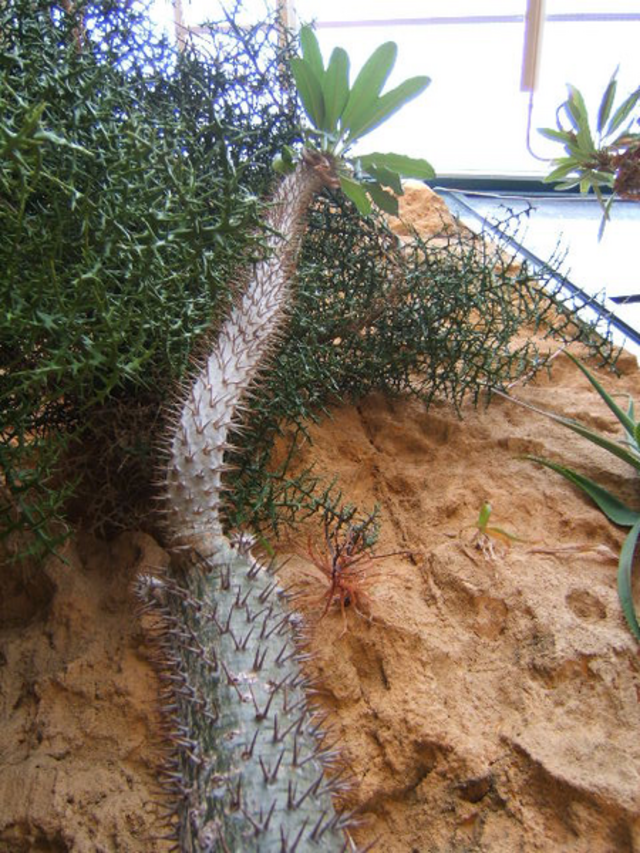
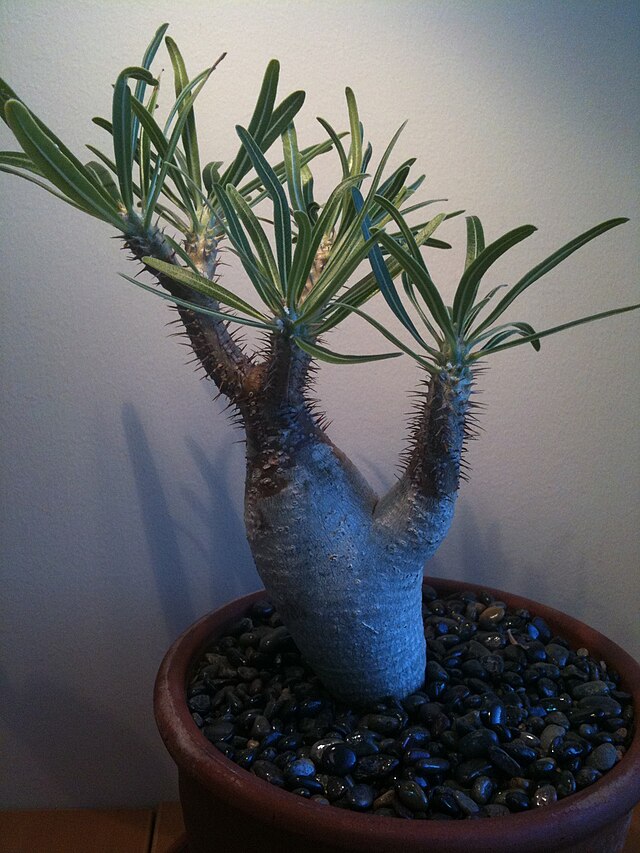
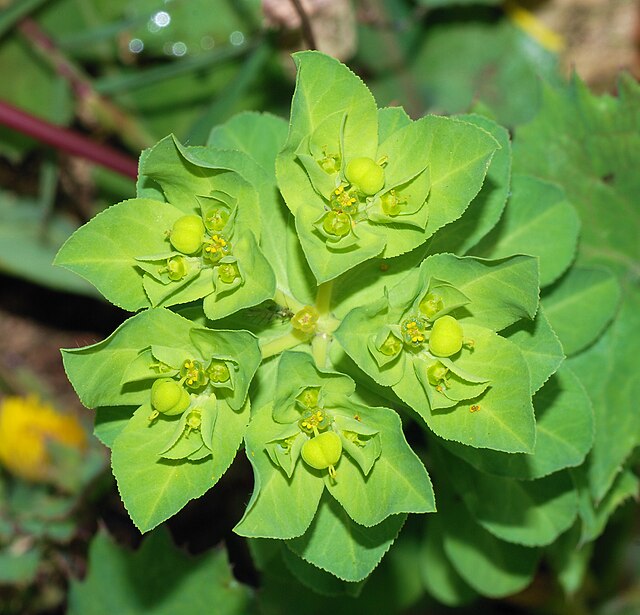
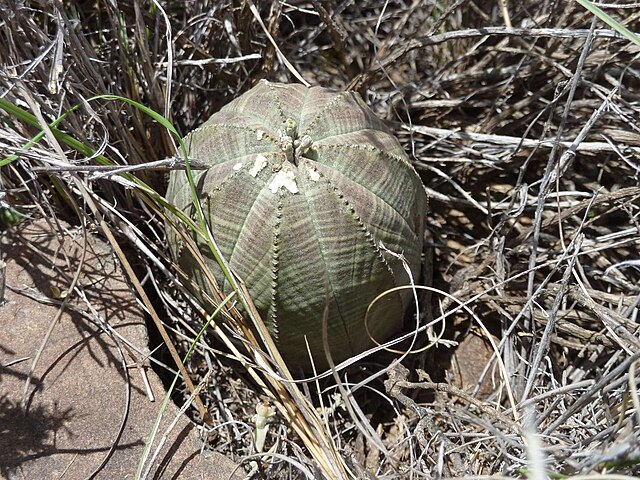
Caudex Propagation Methods
The two primary methods for acquiring and propagating caudex plants (caudex) are "seed growing" and "air layering" (also called high air layering). Both methods can produce distinctive plants, but each has its own characteristics, advantages, and disadvantages.
This article provides a detailed comparison of both methods to help you choose the approach that best suits your goals. For basic care information on caudex plants, see also the Beginner's Guide to Caudex Care.
Seed Growing
Seed growing means germinating plants from seed and growing them from the start. In English, this is expressed as "seed growing" or "seedling."
Characteristics of Seed Growing
- Truly unique individuals: Every seedling is genetically different and will not have the same shape as the parent plant
- Time-consuming: It can take several years to over 10 years before reaching an ornamental size
- Low cost: Seeds can be obtained for hundreds to thousands of yen, allowing many plants to be grown
- Legal advantage: Domestically-grown seedlings of species regulated under CITES (Convention on International Trade in Endangered Species) do not require import permits
Seed Growing Procedure (Using Pachypodium as an Example)
Step 1: Obtaining and Preparing Seeds (April–June)
- Obtain seeds from a trusted domestic grower or overseas seed specialist
- Soak seeds in warm water (30–35°C) for 12–24 hours (to promote water absorption)
- If seed disinfection is needed, apply Orthocide 80 registered for flowers and foliage plants at 0.2–0.4% of seed weight (diluting Benlate 1000 times for soaking is not listed on the label)
Step 2: Sowing
| Item | Details |
|---|---|
| Growing medium | Vermiculite or Kanuma soil (fine grade) alone |
| Temperature | Optimal germination temperature 28–32°C (using a heat mat is recommended) |
| Management | Keep growing medium constantly moist with bottom watering |
| Sowing depth | Equal to seed diameter (shallow) |
Step 3: Germination to Seedling Development
- Until germination: 3–10 days (depending on temperature and seed freshness)
- After germination: Gradually increase light while growing seedlings
- Transition from bottom watering: When 2–3 true leaves appear, switch to normal care
Step 4: Repotting to Growth Management
Six months after sowing, transplant into 1–2 size pots. Subsequently, repot annually to twice per year to develop the caudex. For a detailed schedule of the first year after sowing, see Tips for Successful Seed Growing.
Air Layering
Air layering is a method where you cause roots to form on part of a parent plant's trunk or branch, then separate it to establish it as a new, independent plant. In English, this is called "air layering."
Characteristics of Air Layering
- Clone of the parent plant: You obtain an individual with identical genetics to the parent plant
- Existing caudex can be utilized: Part of the parent plant's trunk can be used directly as a caudex
- Relatively quick: Root formation takes 1–3 months, and the separated plant has ornamental value immediately
- Parent plant damage: If done correctly the parent plant recovers, but there is some risk
Air Layering Procedure (Using Pachypodium and Adenium as Examples)
Best timing: May–August (when temperatures are high and rooting is easier)
What You'll Need
| Item | Purpose |
|---|---|
| Knife for cutting | Ring bark removal |
| Rooting hormone (Rooton, etc.) | Promote rooting |
| Sphagnum moss | Maintain moisture at the rooting site |
| Aluminum foil or plastic wrap | Protect and secure sphagnum moss |
| Cable ties or tape | For fixing |
Step 1: Ring Bark Removal
- Select the position where you want roots to form (mid-trunk to upper part)
- Remove bark in a ring around the trunk at 1.5–2 times the trunk diameter (down to the cambium)
- Smooth the debarked area with a clean knife
- Apply rooting hormone thinly to the debarked area
Step 2: Wrapping with Sphagnum Moss
- Soak sphagnum moss in water and squeeze out (keeping moderate moisture)
- Wrap plenty of sphagnum moss around the debarked area (baseball to grapefruit sized)
- Cover entirely with aluminum foil or plastic wrap, sealing top and bottom securely
Step 3: Check for Roots and Separate
- Until rooting: 4–8 weeks (depending on temperature and species)
- Checking method: Slightly peel back the aluminum foil to see if roots are visible
- When roots are sufficiently developed (multiple white roots of 5cm or more), cut below the air layering site
Step 4: Post-Separation Management
- Clean the cut surface and apply disinfectant
- Plant in well-draining soil while keeping some of the sphagnum moss attached
- Manage as with rooting care (dappled shade, avoiding excessive moisture)
For details on post-separation root management, refer to Root Management Manual.
Seed Growing vs. Air Layering: Complete Comparison
| Comparison Item | Seed Growing | Air Layering |
|---|---|---|
| Cost | Low (hundreds of yen for seeds) | Medium (materials only) |
| Time to Display | Long (3–10+ years) | Short (months to 1 year) |
| Plant Diversity | High (all plants different) | Low (clone of parent plant) |
| Caudex Shape | Forms naturally from seed | Parent plant trunk becomes caudex |
| Success Rate | High | Medium to high (varies by species) |
| Technical Difficulty | Low | Medium |
| Damage to Parent Plant | None | Present (recovers if done correctly) |
| CITES Compliance | Domestic seedlings are unrestricted | Does not apply to imported stock |
| Best Use | Mass propagation, diverse plants | Cloning specific traits |
Which Should You Choose?
Seed Growing Is Recommended When
- You want to enjoy slowly growing plants over time
- You want to create many plants at low cost
- You want to grow unique caudex shapes from seed
- You want to legally obtain species with strict CITES regulations
Air Layering Is Recommended When
- You want to replicate the characteristics of a parent plant you like
- You want ornamental plants relatively quickly
- Parent plant branches have grown too long and you want to improve the shape
- You want to practice root development management
Main Species Suited to Seed Growing and Air Layering
Suited to Seed Growing (Domestic Seedling Production Is Active)
- Pachypodium gracilius: Domestic seedlings are abundantly supplied and remain stably distributed as of 2026
- All Adenium species: Seeds are widely distributed and germination is relatively stable
- Euphorbia obesa: Enjoy the spherical form when grown from seed
- Boswellia (frankincense): A rare species grown slowly from seed
Suited to Air Layering (Trunks Develop Easily)
- Pachypodium (thick-trunked specimens): Replicate favored shapes
- Adenium cultivars: Grafting is also an option for preserving the characteristics of grafted specimens
- Ficus (figs, jade plants, etc.): Easy air layering with thick branches
- Clusia rosea: Strong rooting ability in tropical conditions, well-suited for air layering
For detailed characteristics and cultivation difficulty of each species, also check Caudex Encyclopedia.
Important Note: CITES Regulations
Performing air layering on imported bare-root stock (species listed in CITES appendices) and treating it as "domestically grown stock" is legally ambiguous. Domestically-managed seed cultivation or air layering on legally imported cultivated plants is not problematic, but it is important that air-layered stock for sale be linked to the import permit of the original plant.
For current trends and selection methods for imported vs. domestically grown plants, see also Imported Stock vs. Domestic Seedlings: 2026 Trends.
Summary
Seed growing and air layering are not a matter of one being superior—choosing the right method according to your purpose is the best approach.
- Prioritizing time, diversity, and cost → Seed growing
- Replicating parent plants, quick ornamental results → Air layering
Understanding both methods will greatly expand your collection. Give them both a try. For a complete overview of propagation methods, see Complete Guide to Caudex Propagation.