Complete Guide to Cactus Care | Differences from Succulents and Management Tips
From the differences between cacti and succulents, to basic care including watering, sunlight, and repotting, and introducing popular species. This guide comprehensively covers the fundamentals of cactus cultivation.
Key Takeaways
From the differences between cacti and succulents, to basic care including watering, sunlight, and repotting, and introducing popular species. This guide comprehensively covers the fundamentals of cactus cultivation.
Related Species
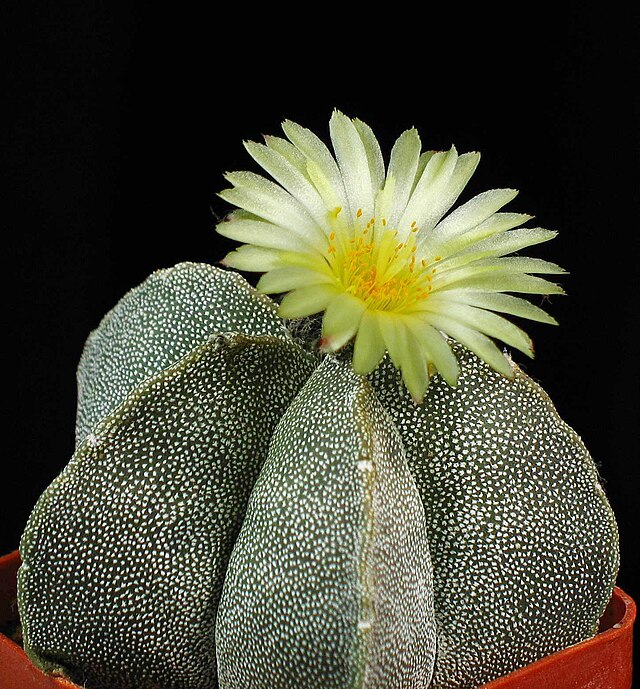
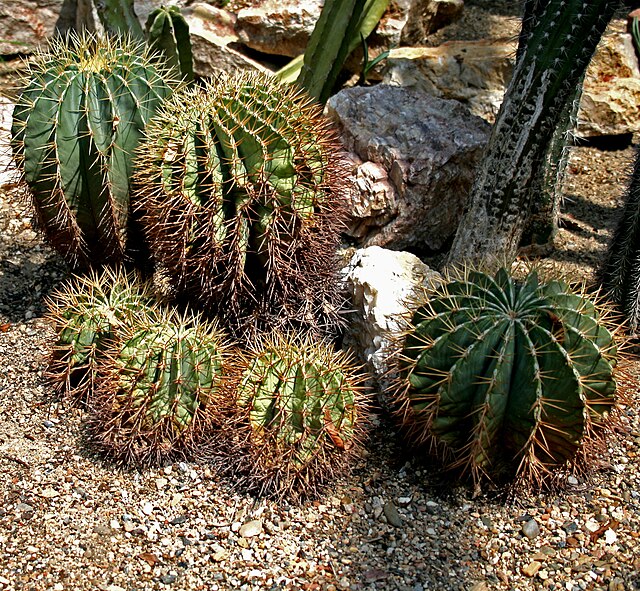
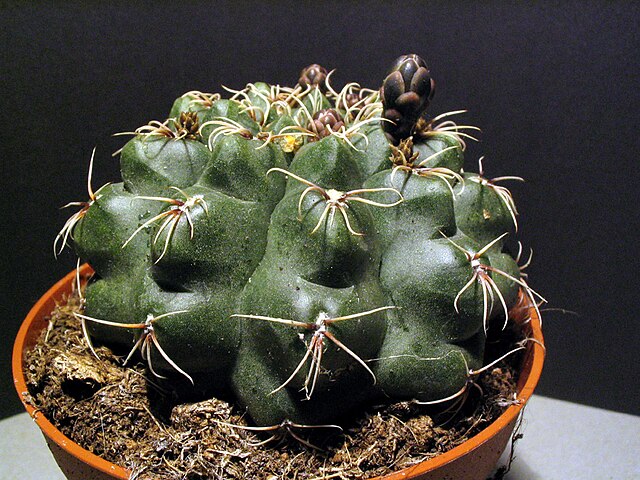
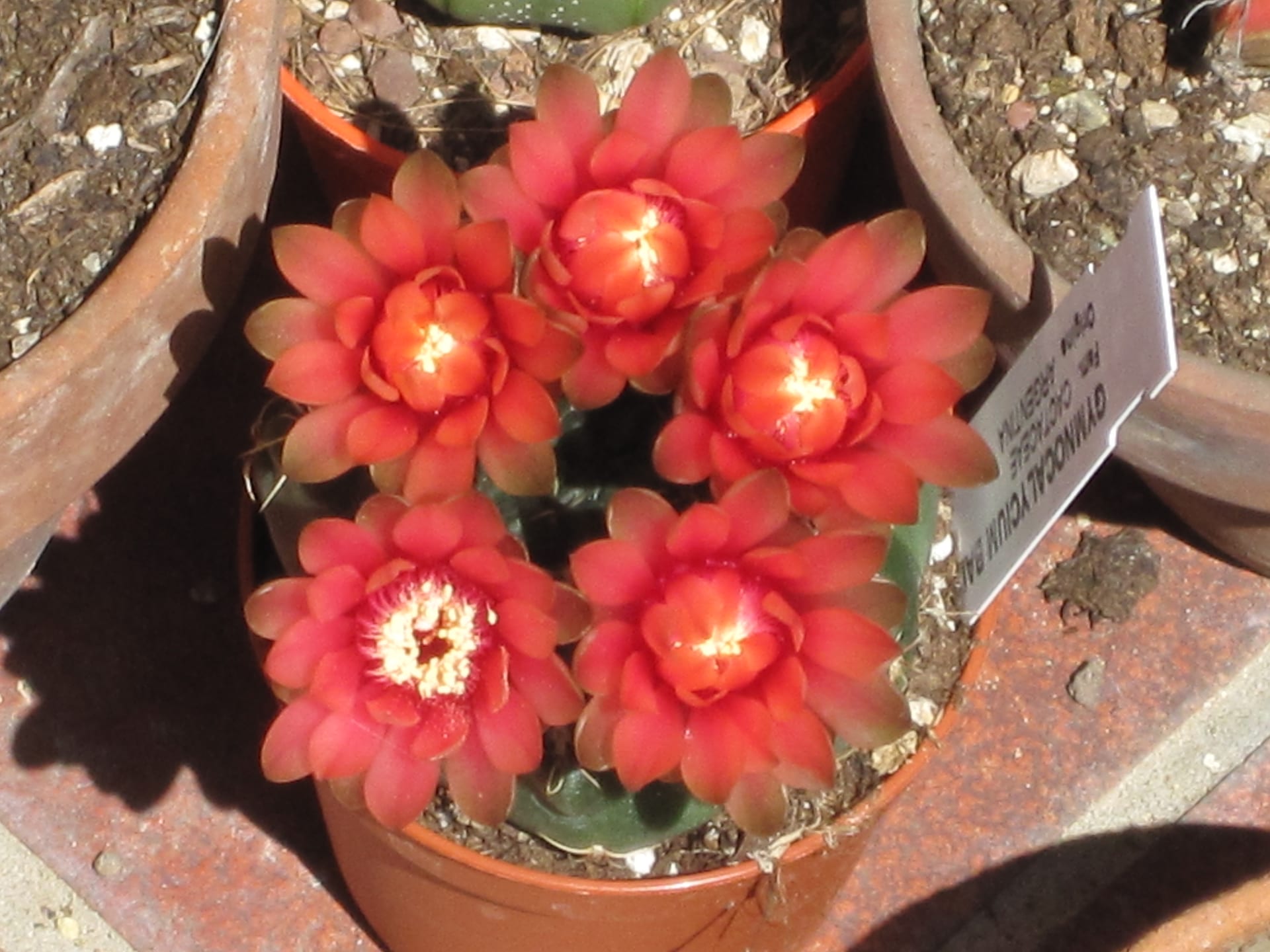
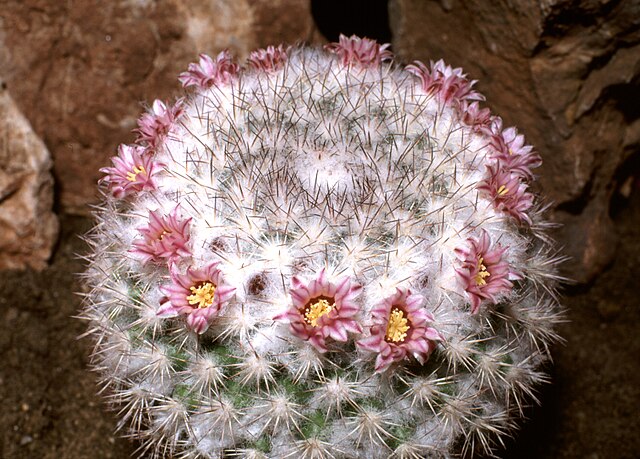
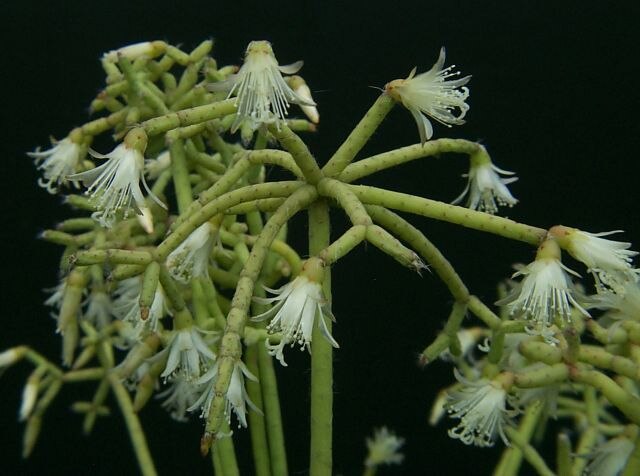
Cacti are a unique group of plants that evolved distinctly, despite being a type of succulent. The defining characteristic of the Cactaceae family is the possession of areoles (spiny nodes), which represents the decisive difference from other succulents. Cacti captivate many enthusiasts with their resilience adapted to arid environments and the beauty of their flowers when they bloom. This guide explains the fundamentals of cactus care and key points that beginners should understand in detail.
Understanding the Differences Between Cacti and Succulents Correctly
Cacti are plants that belong taxonomically to the family Cactaceae, and they constitute one group within the broader category of succulents. All cacti are succulents, but not all succulents are cacti.
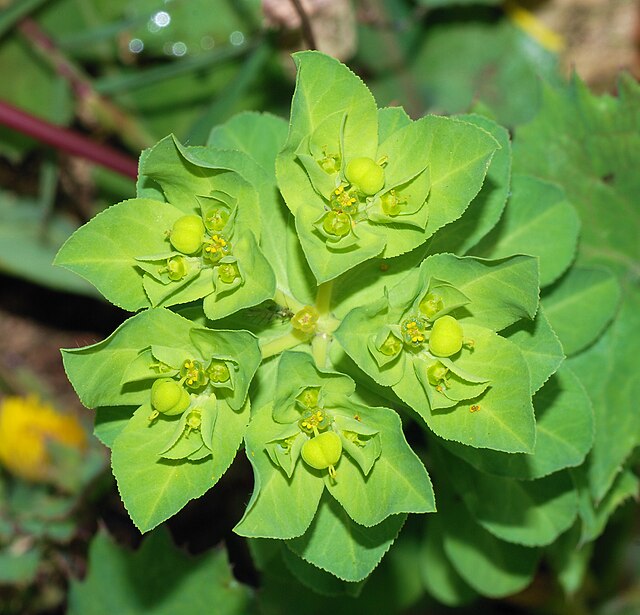
The defining characteristic of cacti is the areole (spiny node). This woolly tissue is present where spines emerge, and from here spines, flowers, and offsets develop. While other succulents like Euphorbia may have spines similar in appearance, they lack areoles and can thus be distinguished.
Differences in cultivation are also significant.
- Drought tolerance: Cacti are even more drought-tolerant than typical succulents and require less frequent watering.
- Sunlight: Many species prefer strong light, and those lacking sufficient sunlight tend to become leggy.
- Growth rate: Growth is more gradual than in most succulents, and some species with annual growth rates measured in just millimeters are not uncommon.
Their native range is concentrated on the American continents, and there are even species like Rhipsalis that inhabit rainforest canopies rather than just deserts. Understanding this environmental diversity helps clarify how to manage different species.
Watering Frequency and Methods | Seasonal Care Techniques
The golden rule for watering cacti is "allow the soil to dry completely, then water thoroughly." Rather than frequent, halfhearted watering, purposeful watering cycles promote healthy root growth.
Seasonal guidelines are as follows.
| Season | Period | Watering Frequency | Tips |
|---|---|---|---|
| Spring | Mar–May | Water thoroughly 2–3 days after the pot soil dries completely (approximately 2–3 times per month) | Begin regular watering once temperatures exceed 15°C (59°F) |
| Summer | Jun–Aug | Continue watering summer-type cacti (such as Echinocactus and Ferocactus) | Apply water in the evening or later, being careful to avoid moisture buildup. During the rainy season, protect from prolonged rainfall and ensure good air circulation |
| Autumn | Sep–Nov | Water at the same rate as spring | Gradually reduce watering frequency as temperatures begin to drop below 15°C |
| Winter | Dec–Feb | Once monthly, light misting is sufficient | In environments below 5°C (41°F), it is safer to cease watering entirely. If watering, do so on a sunny morning and ensure water does not accumulate in the pot |
Choosing Light and Placement
While cacti generally prefer strong light, the appropriate light intensity varies by species and season.
- Outdoor placement: From spring through autumn, direct sunlight is ideal. However, intense western sun during midsummer can cause sunscald, so east-facing or southeast-facing locations with sufficient morning sun are best. If shading is necessary, use shade cloth providing 30–50% shading.
- Indoor placement: A south-facing window is the standard. Even through glass, UV is filtered, so place the plant as close to the window as possible. In low-light environments, supplemental growth lights are effective, with 6–8 hours of daily illumination as a guideline.
- Winter windowsill care: Temperatures near windows drop sharply at night, so cold-sensitive species should be moved away from the window at night or protected with a foam insulation box. Most cacti can overwinter at 5°C (41°F) or above, but freezing risk increases below 0°C (32°F).
- Air circulation: Since cacti dislike humidity, stagnant air promotes root rot and fungal growth. Using a fan to circulate air creates a favorable indoor environment.
Repotting and Soil Mix Composition
Repot cacti every 1–2 years to prevent root-binding. The ideal time is March–April when growth begins; withhold water for one week before repotting to dry the roots.
Drainage is the top priority when choosing soil. The basic mix is as follows.
| Soil Component | Ratio |
|---|---|
| Akadama (fine) | 4 |
| Pumice (fine) | 3 |
| Kanuma soil | 2 |
| Horticultural charcoal | 1 |
Commercial cactus mixes are convenient, but if drainage seems inadequate, add pumice or perlite as needed.
Terracotta and slotted pots offer excellent drainage and are recommended. If using plastic pots, reduce watering frequency accordingly. Pot size should be only slightly larger than the plant's diameter; oversized pots retain moisture and increase root rot risk.
Repotting steps are as follows.
- Remove the plant from its pot and gently brush away old soil.
- Trim dead or blackened roots with scissors.
- Allow cut ends to dry for 2–3 days before planting in fresh soil.
- Withhold water for approximately one week after repotting, then resume normal care.
Frequently Asked Questions and Practical Advice
Q. Do cacti need repotting? A. Yes. Plan to repot every 2–3 years at the beginning of the growing season. Over time, soil particles break down and drainage deteriorates, suffocating the roots. The misconception that "stationary plants don't need repotting" is the most common cause of long-term decline.
Q. My cactus shriveled when I stopped watering in winter. A. In most cacti, this is a normal response. As cellular water decreases, cold tolerance increases, so mild wilting in winter is actually desirable. The plant will recover once you resume watering in spring. However, if the plant becomes brown, discolored, and soft, this indicates frostbite or rot and is a different problem.
Q. The spines aren't growing and the color is fading. A. This signals insufficient light. Even a windowsill indoors may not provide enough. Gradually move the plant to a brighter location or introduce a growth light. Sudden exposure to direct sun causes sunscald, so acclimate gradually over about two weeks.
Five Cacti Recommended for Beginners
If you're starting with cacti, begin with hardy, easy-to-grow species.
- Gymnocalycium: This genus adapts well to Japan's climate and tolerates shade better than most, making it suitable for indoor care. Kaio-maru and Hika-gyoku are popular varieties prized for their beautiful flowers.
- Mammillaria: Compact and space-efficient, these cacti charm with ring-shaped flowers. Hakusei and Tsukikage-maru are readily available, easy-to-grow classics.
- Echinopsis: Known for large, showy flowers, Echinopsis eyresii (short-haired ball) is a robust species long favored in Japan.
- Notocactus: These grow relatively quickly, making visible progress easy and helping beginners stay motivated.
- Astrophytum: Kabuto-maru is spine-free and safe to handle, with distinctive star-shaped markings that make it highly ornamental.
Purchase cacti from reliable growers for peace of mind. GrowerDirect connects you with specialist growers who sell healthy plants directly, providing accurate identification information and cultivation advice. Make use of the confidence that comes from direct dealings with producers.