Complete Guide to Growing Lithops | Tips on Shedding, Watering, and Summer Care
A detailed explanation of how to grow lithops, known as living stones. This guide covers the watering restriction period during shedding, summer dormancy management, light requirements, propagation by seed, and popular varieties.
Key Takeaways
A detailed explanation of how to grow lithops, known as living stones. This guide covers the watering restriction period during shedding, summer dormancy management, light requirements, propagation by seed, and popular varieties.
Related Species
What are Lithops? Fundamentals of Living Stones
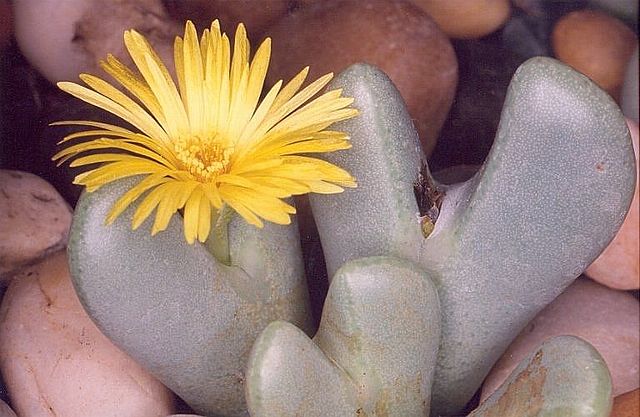
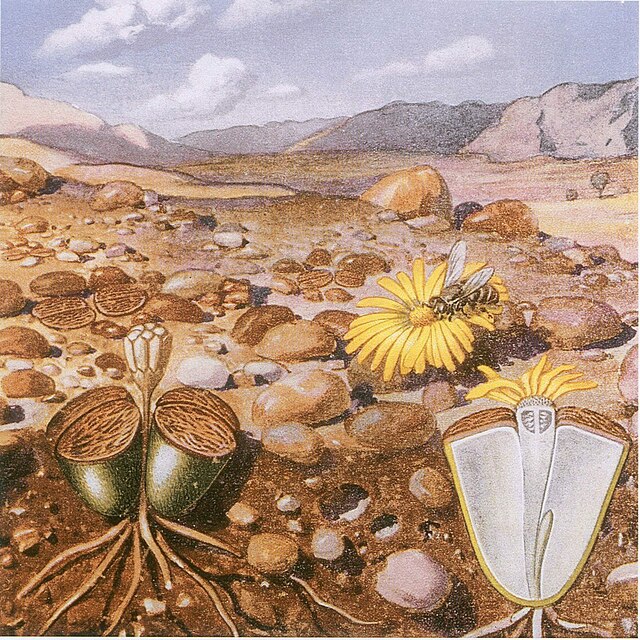
Lithops are succulents native to the desert regions of South Africa and Namibia, earning the name "Living Stones" because of their distinctive appearance. Their stone-like shape, roughly 2–3 cm in diameter, is a result of mimicry evolution—they evolved to blend in with surrounding rocks to avoid being eaten by herbivorous animals.
Classified in the Aizoaceae family, there are currently over 30 native species and numerous cultivars. The surface patterns are highly varied, featuring an array of colors—gray, brown, green, orange, and purple—that captivate collectors. In autumn, small flowers in yellow, white, or orange bloom from the center of the plant, and their charm is exceptional.
The related genus Conophytum is also part of the Aizoaceae family (commonly called mesems) and undergoes the same shedding cycle. These two are often cultivated together.
Cultivation requires several specific techniques, and understanding three key points—"shedding," "watering," and "summer survival"—makes a significant difference in growth outcomes.
---
The Shedding Mechanism and Proper Care
The most striking aspect of lithops care is the phenomenon of "shedding." Once a year, the old leaves split open and new leaves emerge from inside. This is a unique survival strategy for lithops—they translocate water and nutrients stored internally to the old leaves while forming new ones.
Timing and Signs of Shedding
Shedding primarily occurs in spring (March–May). When a slit appears in the center of the old leaves and you gradually see new leaves emerging, shedding has begun. The critical mistake during this period is excessive watering. Even if the old leaves appear to shrivel, watering will redirect the moisture that should be going to the new leaves back to the old leaves, inhibiting new leaf development.
The golden rule is to withhold all water during shedding. The old leaves naturally dry and shrivel, eventually becoming papery husks. You can remove completely dried husks by hand, but forcing them off risks damaging the new leaves—it's safer to wait for them to fall off naturally.
Once shedding is complete and the new leaves have fully emerged (around May–June), gradually resume watering.
---
The Golden Rule of Watering | Less is More
Most lithops failures stem from overwatering. Their native habitat receives less than 100 mm of rainfall annually—watering by typical Japanese standards causes root rot and death. Common overwatering issues for succulents in general are explained in detail in "Succulent Overwatering: Examples and Solutions"—reviewing this alongside our guide helps prevent failure.
Seasonal Watering Guide
| Season | Watering Frequency |
|---|---|
| Fall (September–November) | 2–3 times per month, water until it drains from the pot base |
| Winter (December–February) | Approximately once per month, minimal amount |
| Shedding period (March–May) | No watering (withhold completely) |
| Summer (June–August) | Principally no watering—at most, an extremely minimal amount once per month |
A clear indicator for watering timing is when wrinkles begin to appear on the leaves. However, during the summer dormancy period, withhold water even if wrinkles appear—the basic rule is to wait until autumn.
When watering, give plenty so water drains from the pot base, and immediately discard any water in the saucer. Avoid frequent small waterings, as they increase the risk of root rot. Ideally use room-temperature water with chlorine evaporated off—avoid pouring cold tap water directly on the plant.
---
Mastering Summer Survival | Successfully Navigating Dormancy
Japanese summers present a unique challenge for lithops. While summers in their native habitat are intensely sunny but extremely dry, Japanese summers combine heat and humidity—the worst scenario. Poor summer management can cause plants to rot within just a few weeks.
Three Keys to Summer Survival
① Strict Dormancy and Shading
Withhold water from mid-June through early September. Only if leaves become severely wrinkled should you lightly mist them in the evening. Cover from direct sun with shade cloth (30–50% shade), and especially avoid afternoon sun.
② Ensure Air Circulation
High humidity breeds root rot and disease. Create an environment where air is constantly moving—use a fan indoors or under an eave. Preventing heat stress is key to summer survival.
③ Choose Pot Material and Placement Wisely
Unglazed clay pots are recommended for their high breathability and reduced root rot risk. Avoid placing pots directly on the ground—heat builds up. Use a shelf or stand to ensure air circulation under the pot. Managing pots on concrete is risky—pot temperature can reach nearly 60°C.
---
Basics of Soil, Pots, and Repotting
Lithops develop a taproot that extends deeply and narrowly, so choosing a deep pot is essential. Shallow pots designed for typical succulents cause root binding and poor growth. A pot taller than it is wide—such as a slotted pot or tall unglazed clay pot—is ideal.
Recommended Soil Mix
Starting with commercial cactus/succulent soil as a base, aim for this ratio:
- Cactus/succulent soil: 3 parts
- Kanuma soil (fine grain): 3 parts
- Perlite: 2 parts
- River sand or Fuji sand: 2 parts
A sandy soil mix with enhanced drainage and aeration is ideal. Avoid soil high in leaf mold or organic matter.
Repotting Timing
The best time to repot is after shedding is complete but before autumn growth begins (September–October). Gently remove old soil without damaging roots. If fine roots are damaged, dry them for 2–3 days before planting in fresh soil. Withhold water for one week after repotting, then gradually resume. See "Complete Guide to Succulent Repotting | Timing, Procedure, Root Care, and Post-Repotting Management" for full repotting instructions.
---
Common Problems and Solutions
Leaves Melting or Rotting
Most often caused by overwatering or heat stress. Immediately cut away rotted portions with a clean blade, treat the cut surface with benomyl (fungicide), and move the plant to a dry location.
No Flowers
Often caused by insufficient light or excessive watering and fertilization. Ensure adequate fall and winter light (4+ hours direct sun daily) and maintain strict summer dormancy to promote flowering the following year.
Shedding Won't Complete / Old Leaves Persist
Usually caused by overwatering. Strictly withholding water during shedding helps accelerate the process. Occasionally, double shedding (two sets of new leaves emerge simultaneously) occurs, but this places heavy stress on the plant—practice proper care in subsequent years.
Once you master the basics, lithops are relatively hardy and long-lived plants. Having the courage to withhold water is the greatest secret to growing beautiful lithops.