Aquatic Plant Encyclopedia
Encyclopedia of popular aquatic plants with care guides, traits, and aquascaping tips.
Showing 40 of 127 species(25–40)
Ludwigia inclinata var. verticillata 'Cuba'
Ludwigia inclinata var. verticillata 'Cuba'
A large stem plant that forms whorls of narrow, linear leaves tinged red and orange under water. It is a locality form found on Cuba's Isla de la Juventud and is regarded as the easiest of the var. verticillata forms. Light and CO2 transform its colour and density.
 © Show ryu / CC BY-SA 3.0
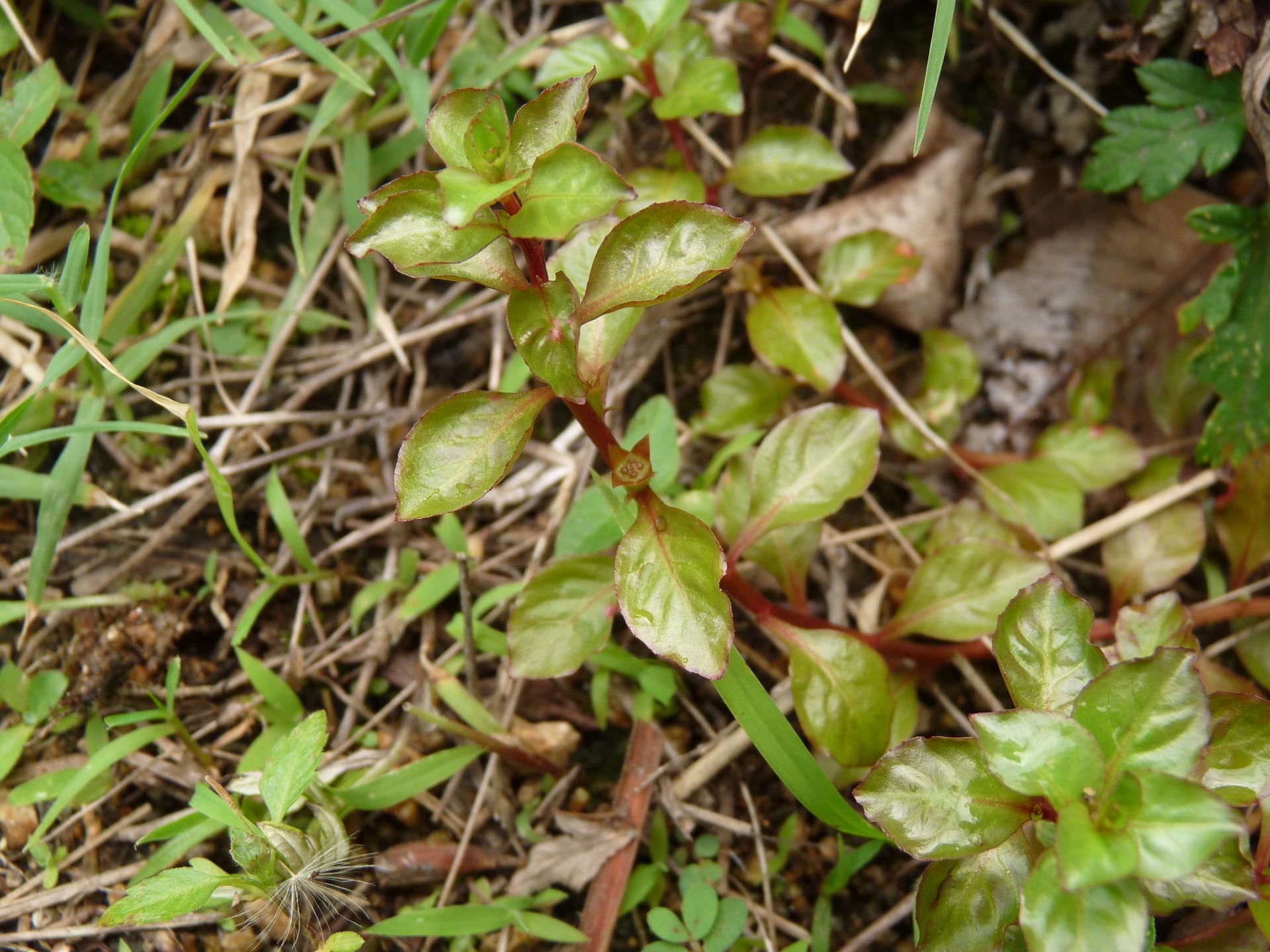
Ludwigia ovalis
Ludwigia ovalis
A stem plant native to Japan (Japanese name Mizuyukinoshita) whose rounded oval leaves turn pink to orange under water. Its leaves are alternate, one per node, which separates it from the similar Ludwigia repens and L. palustris.
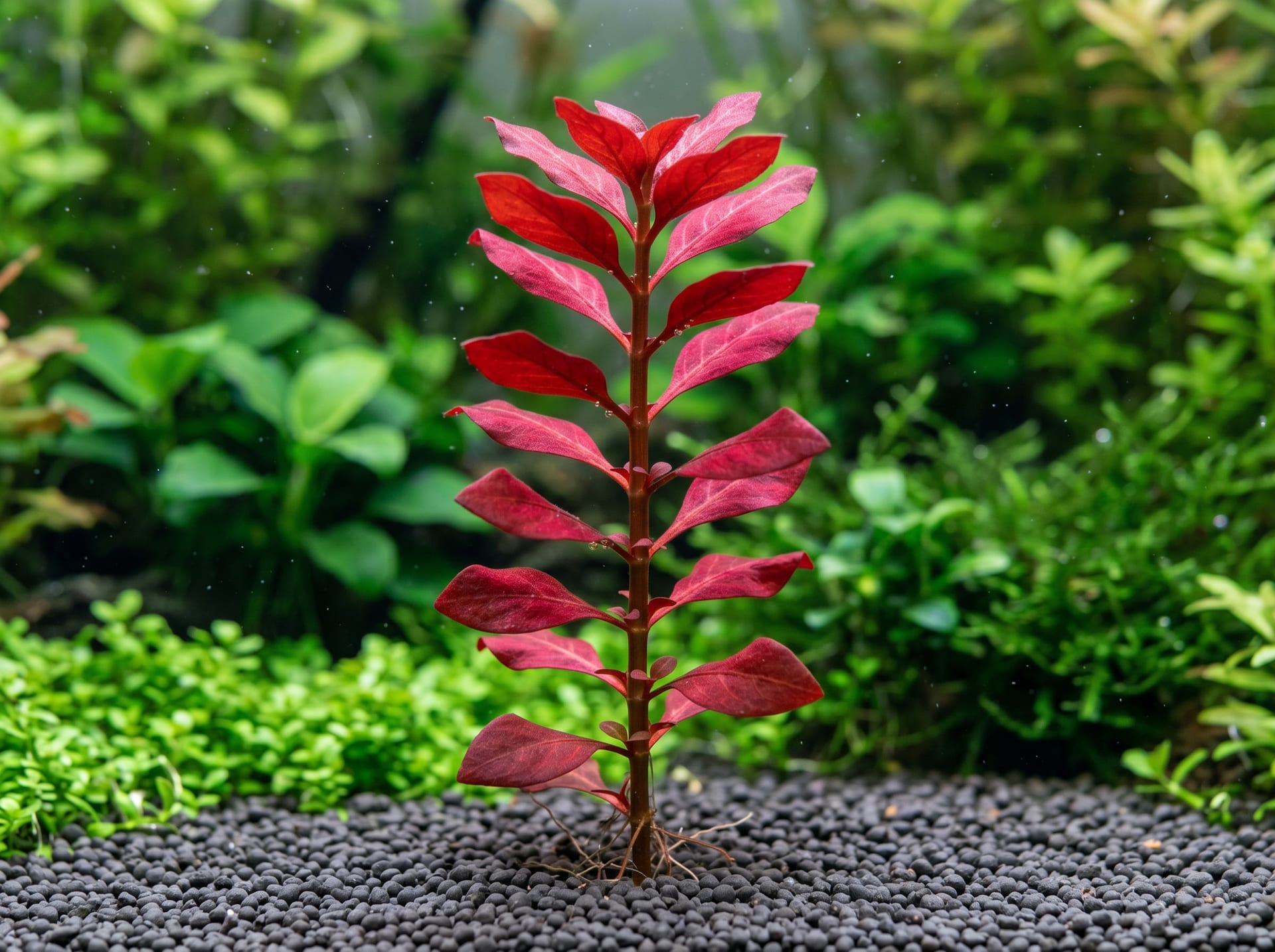
Ludwigia Super Red
Ludwigia palustris 'Super Red'
A beautiful ludwigia entirely dyed red. Maintains some redness even without CO2 injection.
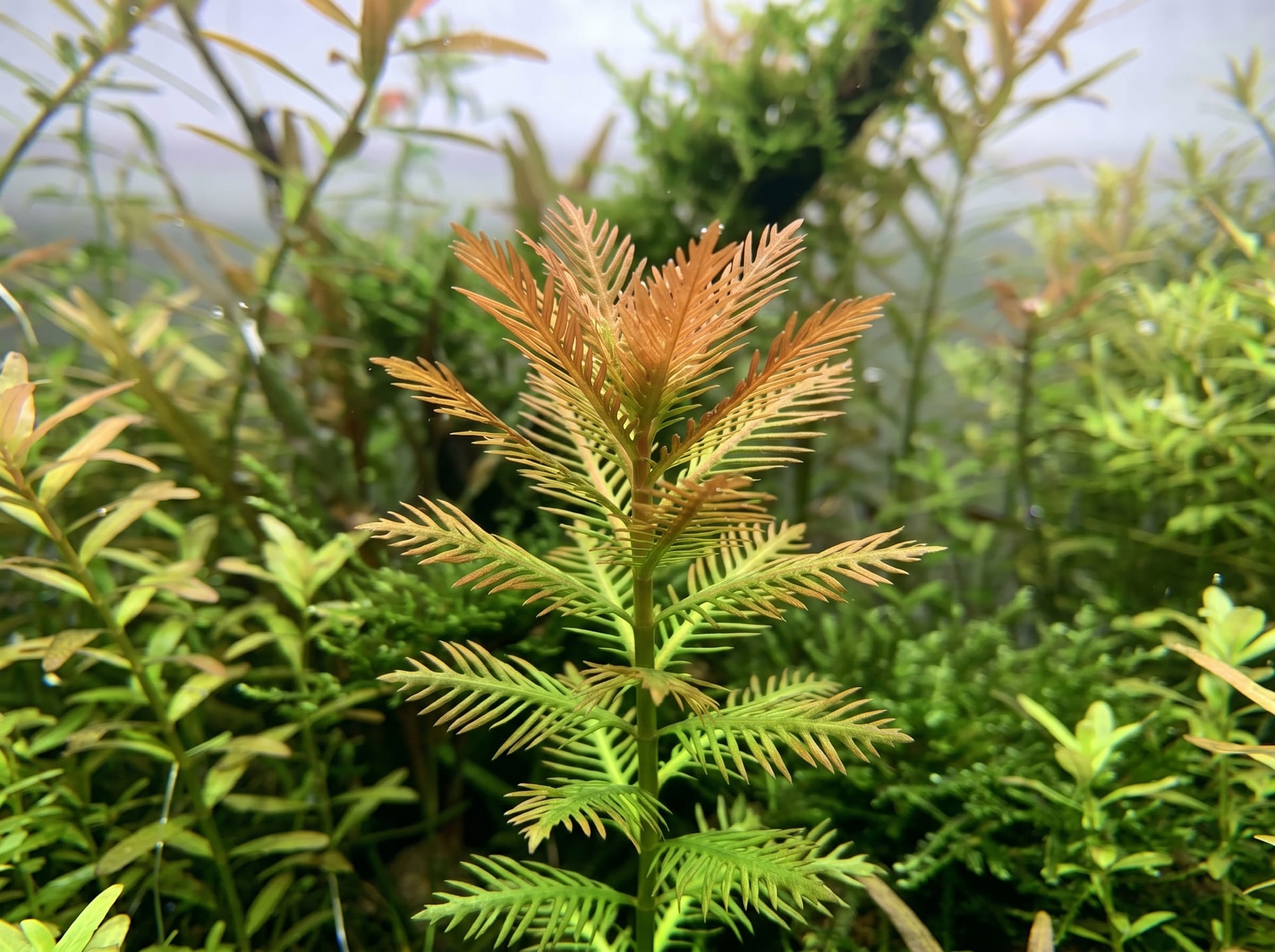
Mermaid Weed
Proserpinaca palustris
North American stem plant with unique serrated leaves. Turns golden to copper-red under strong light. Slow grower but adds unique texture to aquascapes.
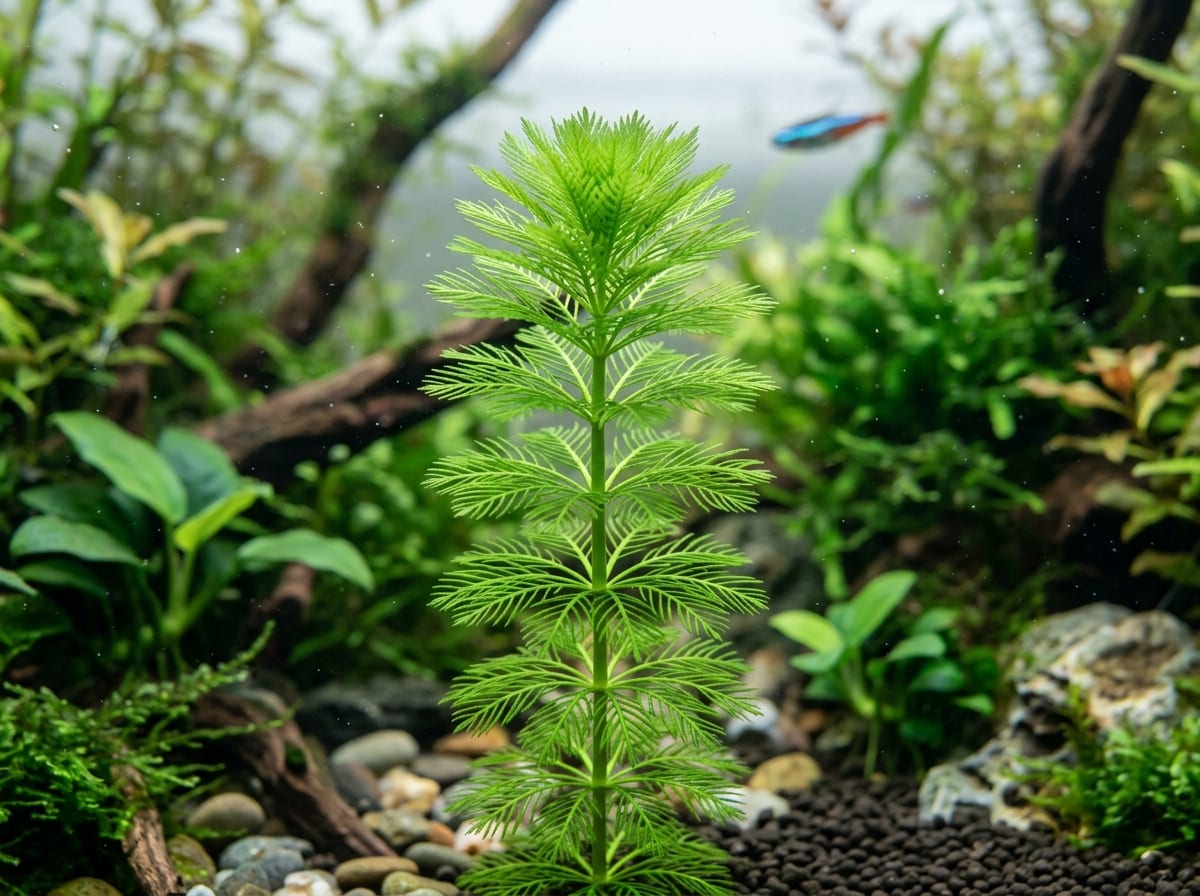
Myriophyllum (Water Milfoil)
Myriophyllum
Stem aquatic plants of the water-milfoil genus (Haloragaceae), with finely feathered leaves in whorls. Used as background plants; leaf color and difficulty vary by species. The related parrot's feather is a Specified Invasive Alien Species in Japan.
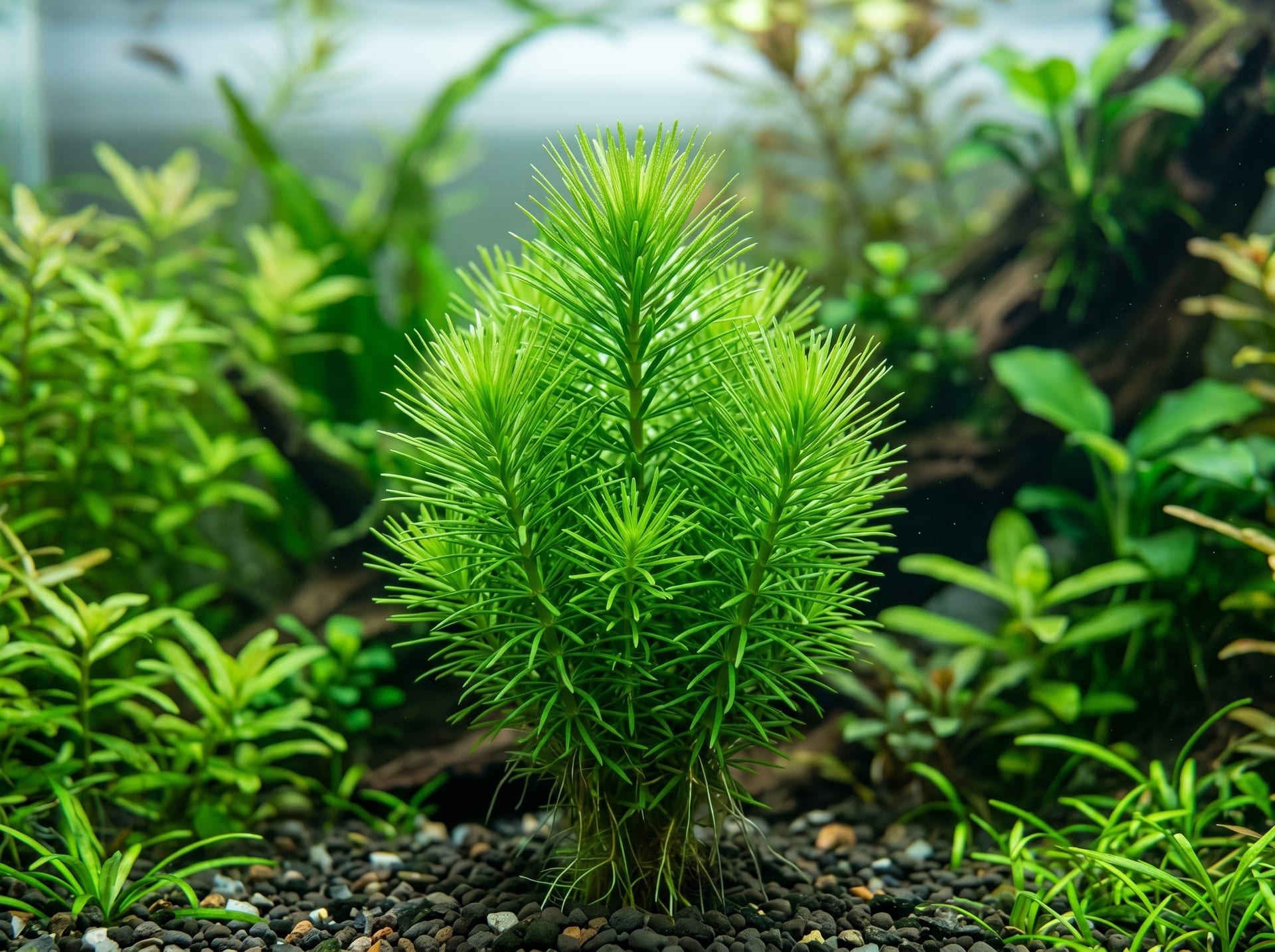
Pogostemon Erectus
Pogostemon erectus
Stem plant with a unique conifer-like silhouette. Beautiful lime-green foliage makes it a popular layout accent. Somewhat slow-growing but hardy.
 © Dinkun Chen / CC BY-SA 4.0
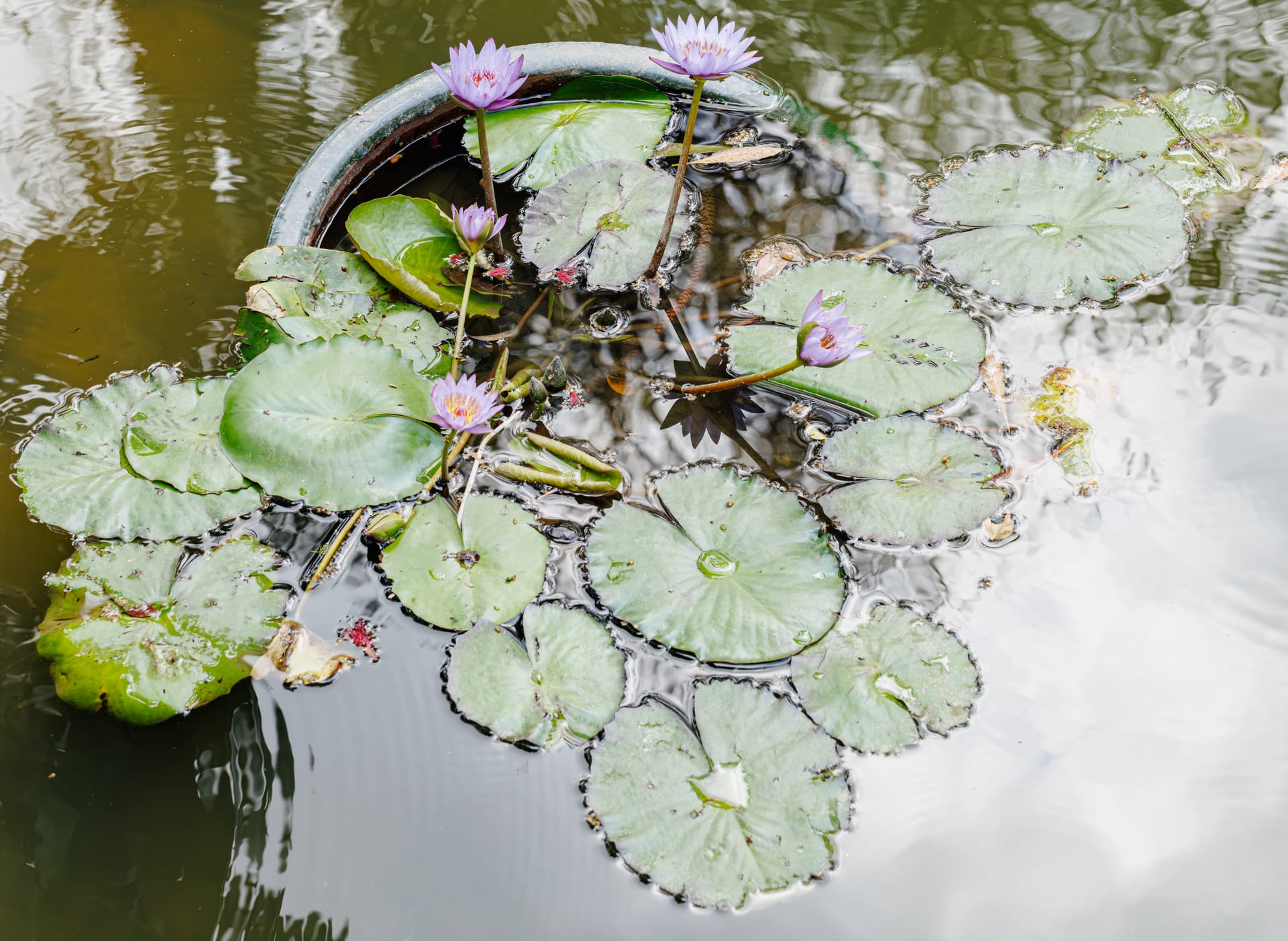
Pygmy water lily
Nymphaea tetragona
Japan's only native water lily, bearing small white flowers 3–7 cm across on the water surface, with red-purple leaf undersides. Its name refers to the 'hour of the sheep' (about 2 pm) when it is said to open. It has declined widely, so avoid wild-collected plants.
 © Show_ryu / CC BY-SA 3.0
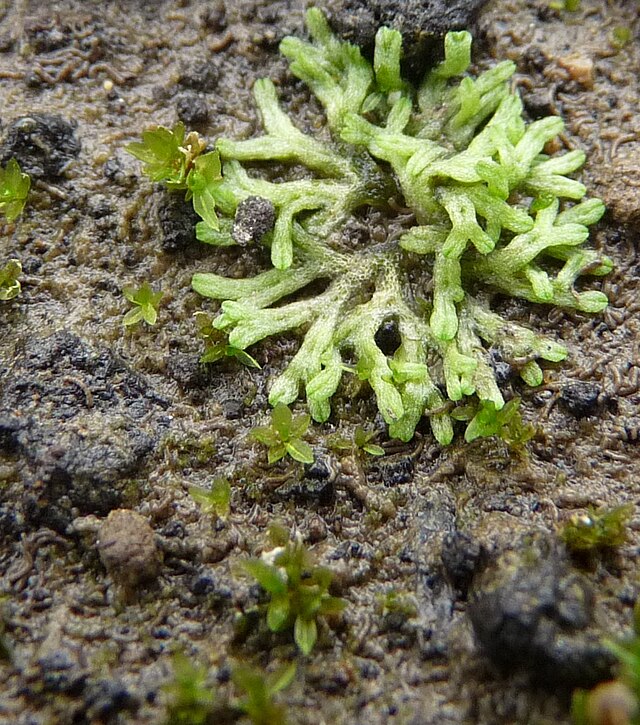
Riccia
Riccia fluitans
Floating liverwort often used submerged. Stunning appearance with oxygen bubbles attached. Can be the star of an aquascape.
 © Vinayaraj / CC BY-SA 3.0
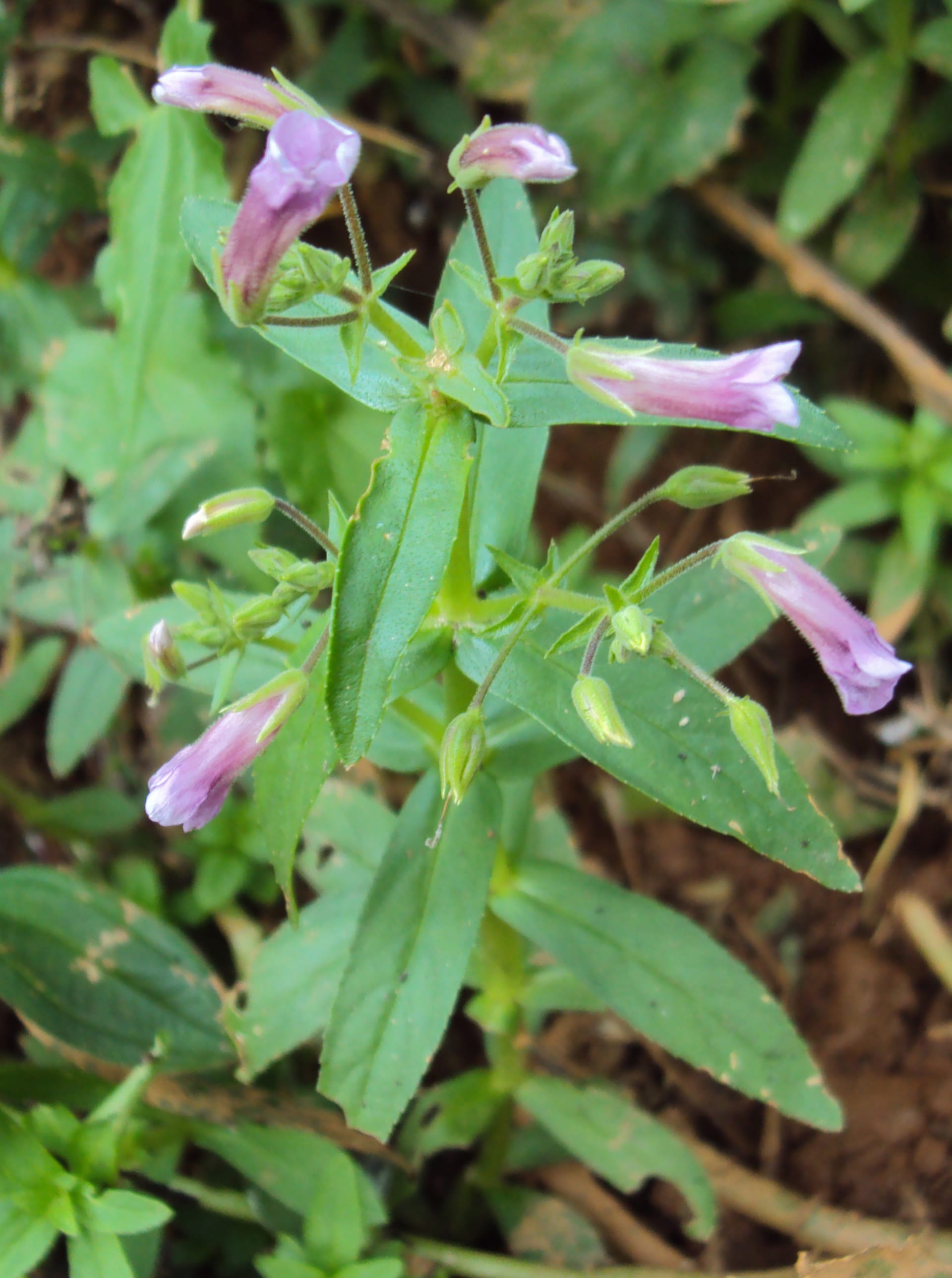
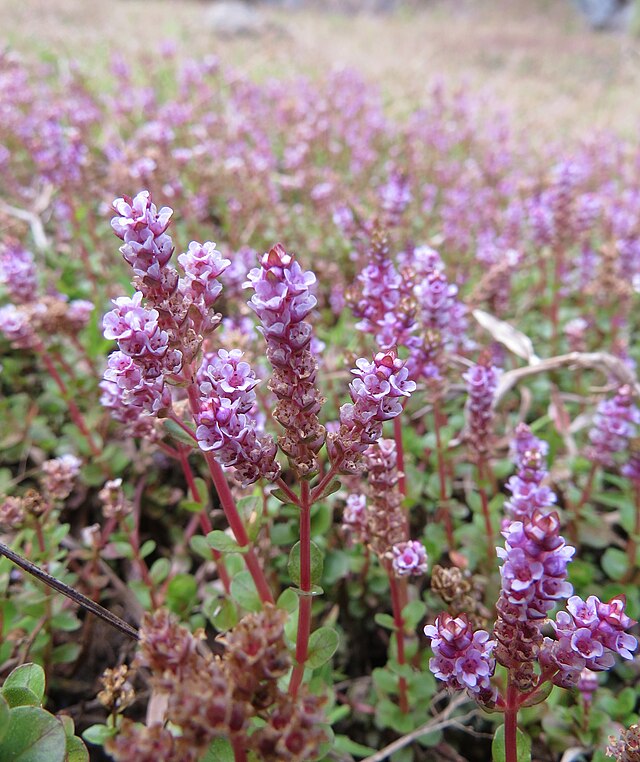
Rice paddy herb
Limnophila aromatica
A stem plant native to Japan (Japanese name Shisokusa) whose crushed leaves smell of citrus. Under water it has two or three leaves per node, in green or reddish forms. A deep red species with more leaves per whorl is often sold under this name.
 © Vinayaraj / CC BY-SA 3.0
Rotala Rotundifolia
Rotala rotundifolia
A popular stem plant that colors red to orange. Beautiful gradation with strong light and CO2.
Rotala rotundifolia 'H'ra'
Rotala rotundifolia 'H'ra'
A strain of Rotala rotundifolia with rather narrow leaves and overhanging or creeping stems. With strong light, good fertilisation and CO2 it grows almost entirely creeping and turns a warm orange, even forming an orange carpet.
Rotala sp. 'Nanjenshan'
Rotala sp. 'Nanjenshan'
A delicate stem plant with needle-fine leaves, only 0.5–1 mm wide, in whorls of three to six. It derives from plants found at a single site near Nanjenshan, Taiwan, and has not been identified to species. With enough light and iron its tips turn reddish.
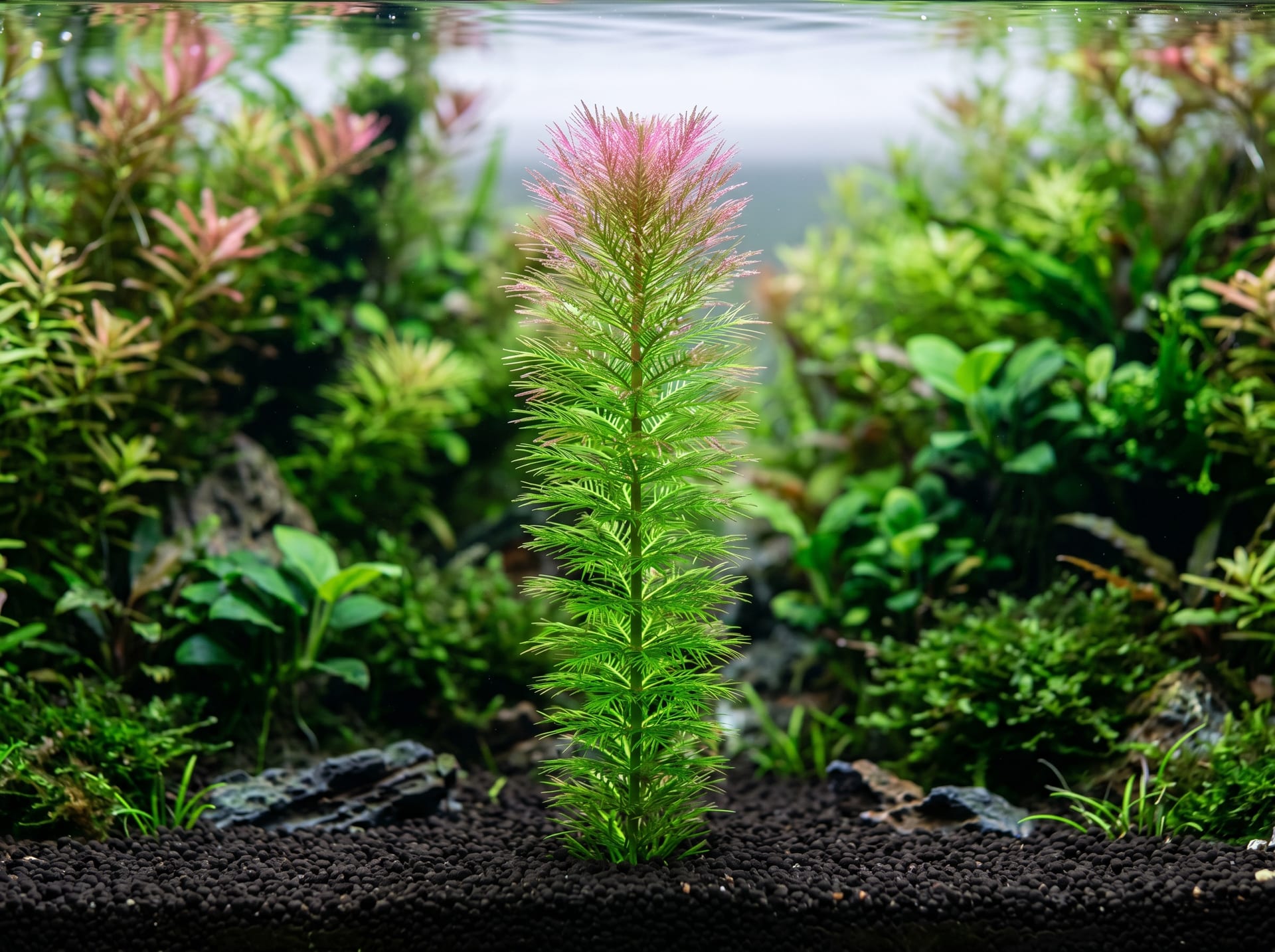
Rotala wallichii
Rotala wallichii
A beautiful Rotala with needle-like leaves spreading radially like a conifer. Turns pink to red with high light and CO2. Contrary to its delicate appearance, relatively easy to grow.
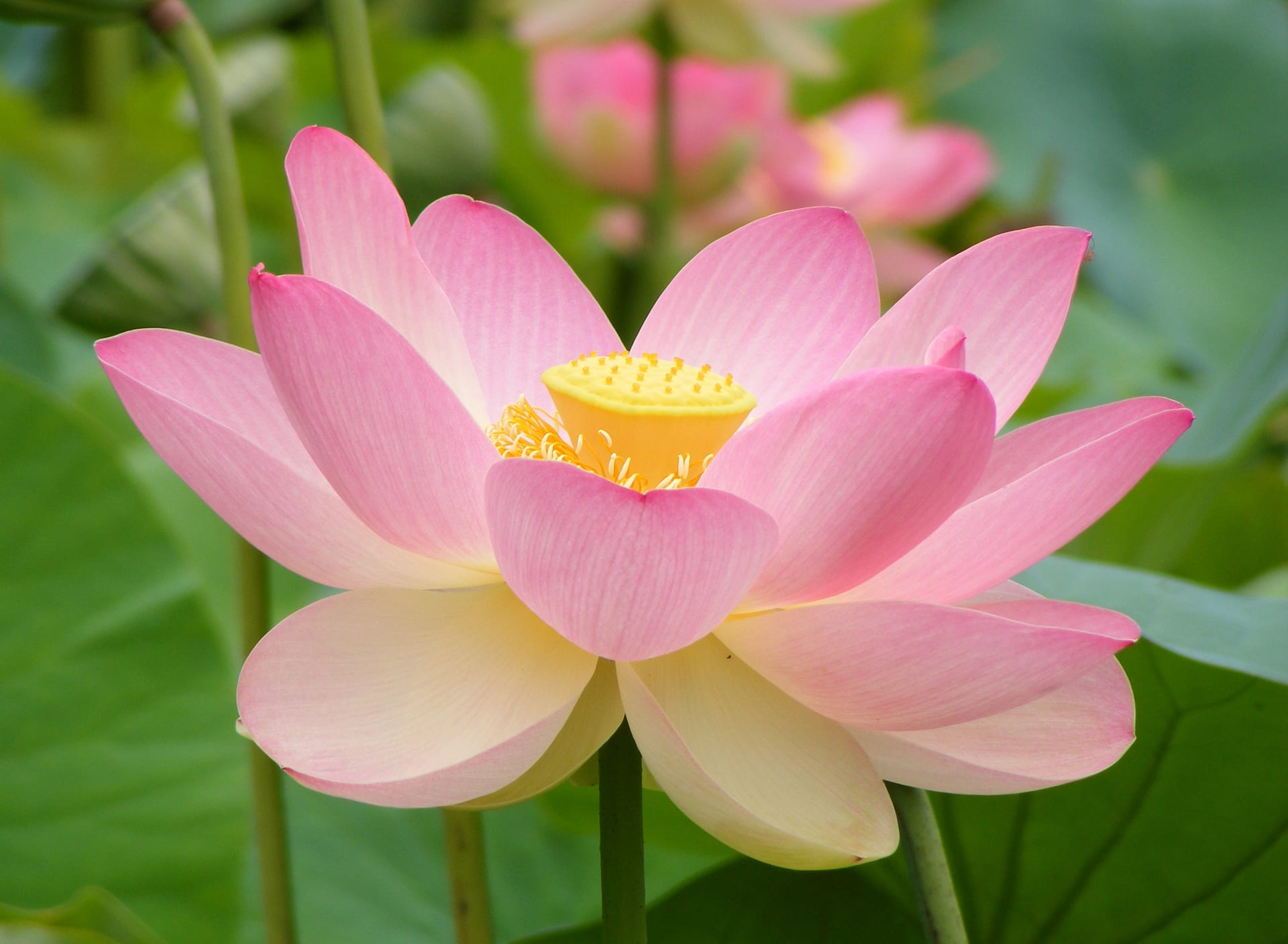 © Peripitus / CC BY-SA 4.0
Sacred lotus
Nelumbo nucifera
An aquatic plant that raises round, water-repellent leaves 40–50 cm across above the water and opens large white or pink flowers in summer. Its rhizome is the lotus root, and dwarf 'bowl lotus' cultivars can be grown in pots and jars.
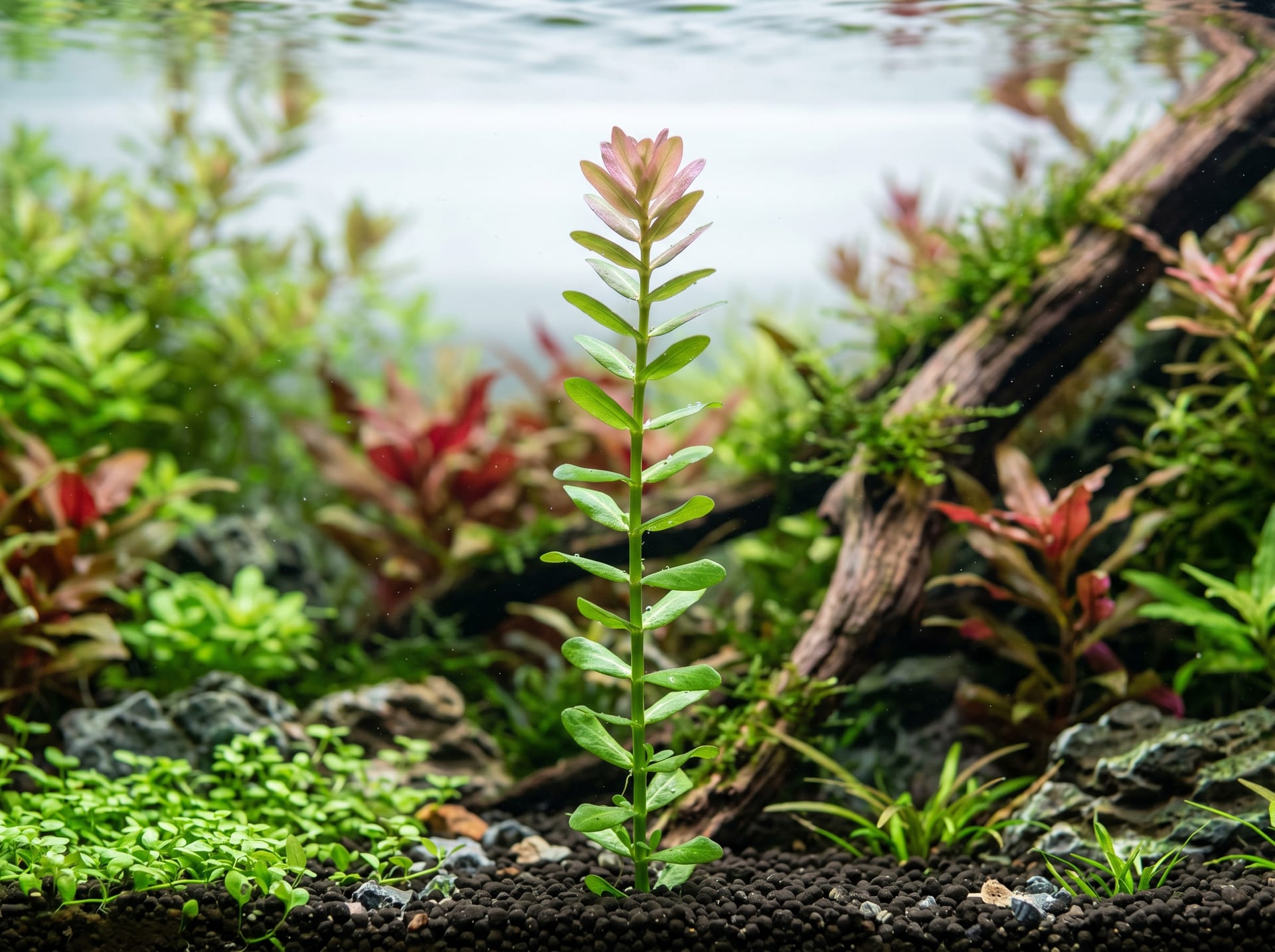
True Rotala indica
Rotala indica
Compact and delicate Rotala species. Submersed leaves are narrow and turn red to pink. Beautiful red under strong light and CO2. Perfect midground to background accent.
 © Daniel Schwen / CC BY-SA 3.0
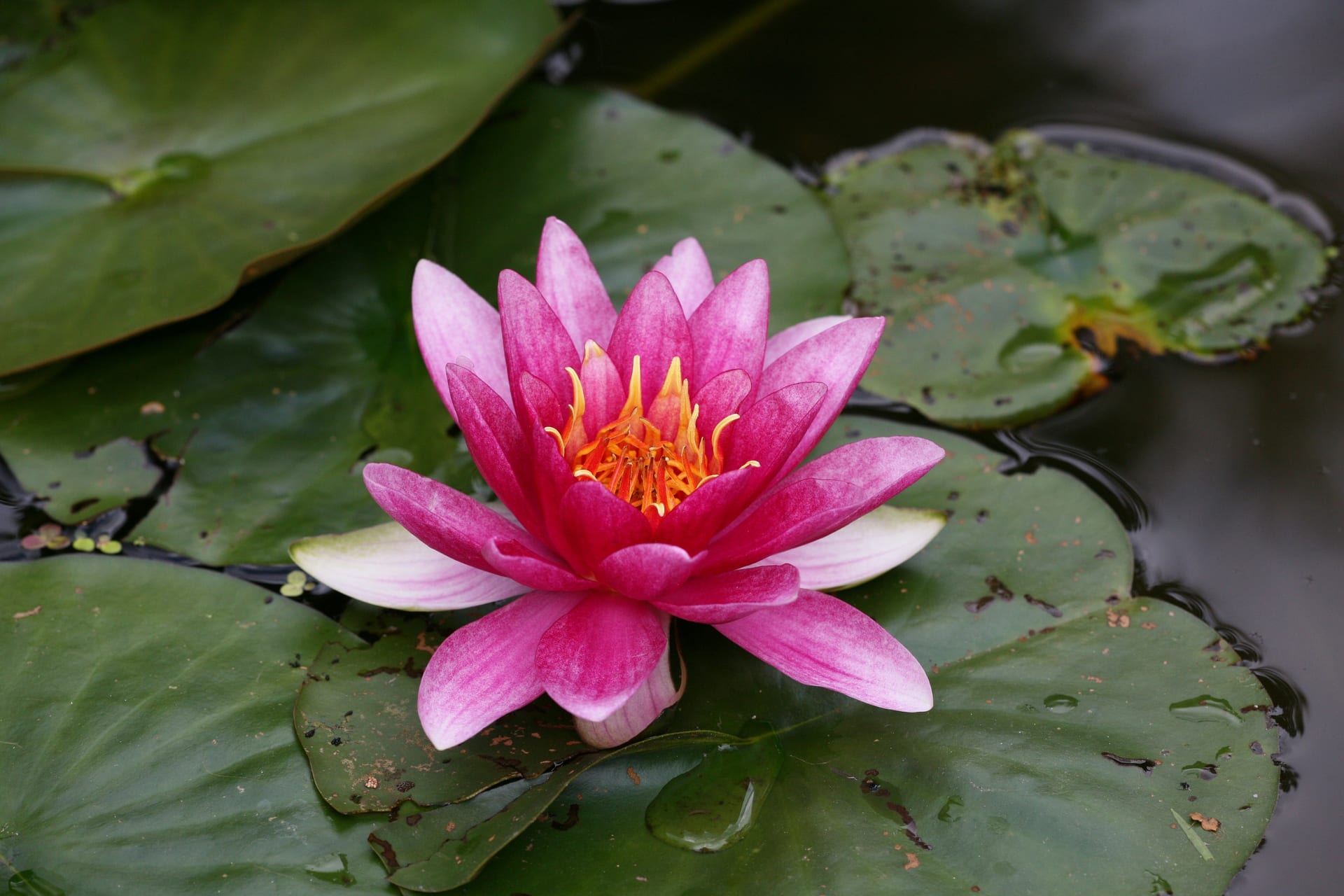
Water lily
Nymphaea spp.
The water lilies of the genus Nymphaea, with notched round leaves floating on the water and large flowers. They divide into cold-hardy temperate lilies and tropical lilies that hold blue or purple flowers above the water, with numerous hybrid cultivars.
Related Content
Aquatic Plant FAQ
- How much do aquatic plants cost?
- Common Rotala and Anubias cost 300-1,000 yen, Bucephalandra 1,000-5,000 yen, and rare wild-collected specimens 5,000-20,000+ yen depending on species.
- Can beginners grow aquatic plants?
- Anubias Nana and Java Moss require no CO2 injection and grow in low light, making them ideal for beginners. Start with hardy shade-loving plants.
- What equipment is needed for aquatic plants?
- A tank, LED light, filter, and aqua soil are the basics. For advanced layouts, CO2 injection and high-performance lighting significantly improve growth and coloration.
- What should I check when buying aquatic plants?
- Ensure leaves are green and healthy, not melting or dying, and free of snails or pests. Tissue-cultured cups are pest-free and reliable.
- Why do aquatic plants die?
- Insufficient light, CO2, or nutrients are the main causes. Each species has different requirements, so matching the environment to your specific plants is essential.