Bonsai Encyclopedia
Encyclopedia of popular bonsai species with care guides, traits, and styling tips.
Featured Bonsai
Showing 64 of 137 species(25–48)
 © KENPEI / CC BY-SA 3.0
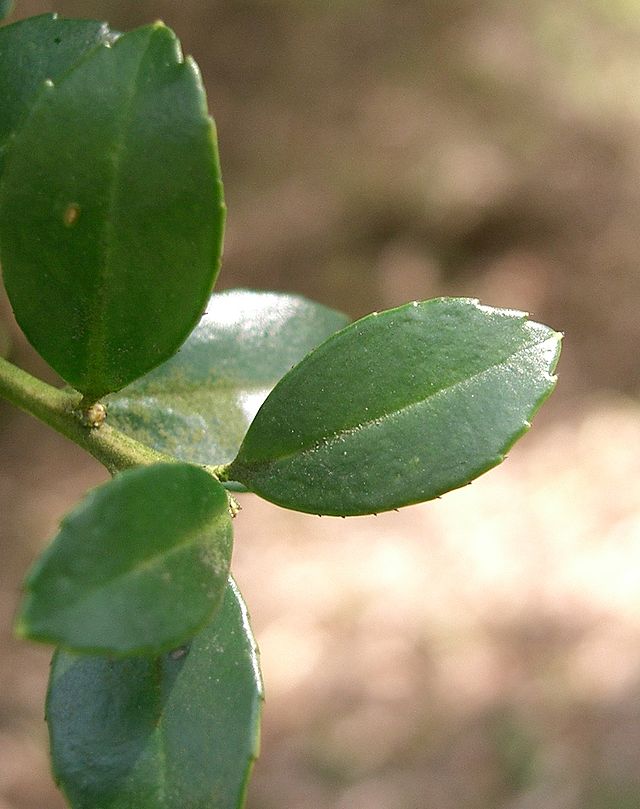
Japanese Holly
Ilex crenata
Evergreen bonsai with glossy dark green leaves and red berries. Autumn-winter berries are highly ornamental. Hardy and easy to grow, a representative Japanese tree.
 © KENPEI / CC BY-SA 3.0
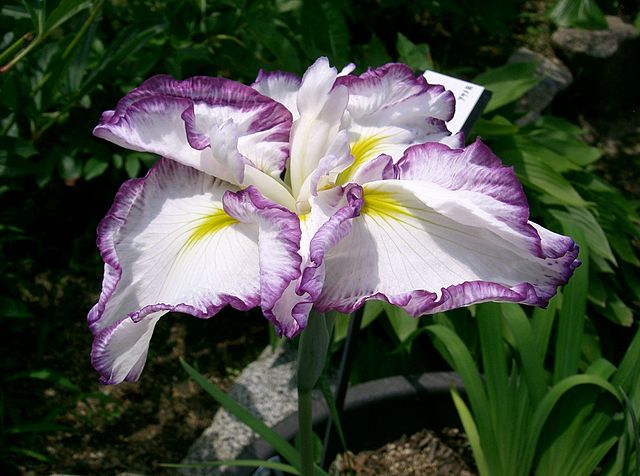
Japanese Iris Bonsai
Iris ensata
Popular grass-style bonsai. Large purple or white flowers capture waterside scenery in a small pot. Beautiful with moss, creating a seasonal display for early summer.
 © KENPEI / CC BY-SA 3.0
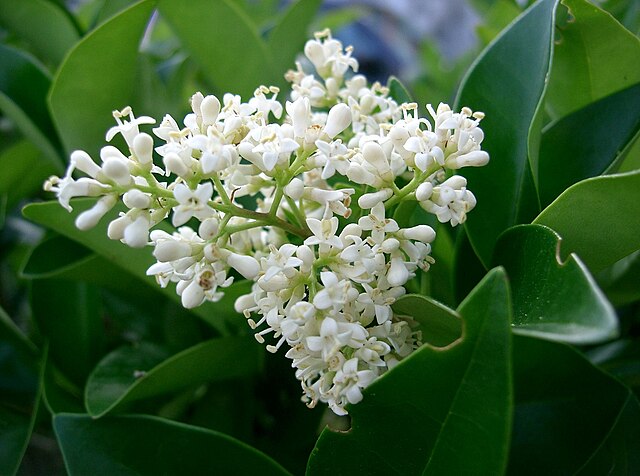
Japanese Privet
Ligustrum japonicum
Evergreen with small glossy leaves in dense clusters. White flowers and dark purple berries add interest. Extremely hardy and tolerant of pruning. Good root spread.
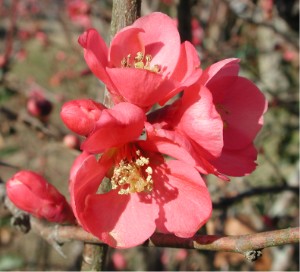
Japanese Quince
Chaenomeles speciosa
Flowering bonsai that covers branches with red, white, or pink blooms in early spring. Develops thick trunks and aged look easily. Fruits add secondary interest.
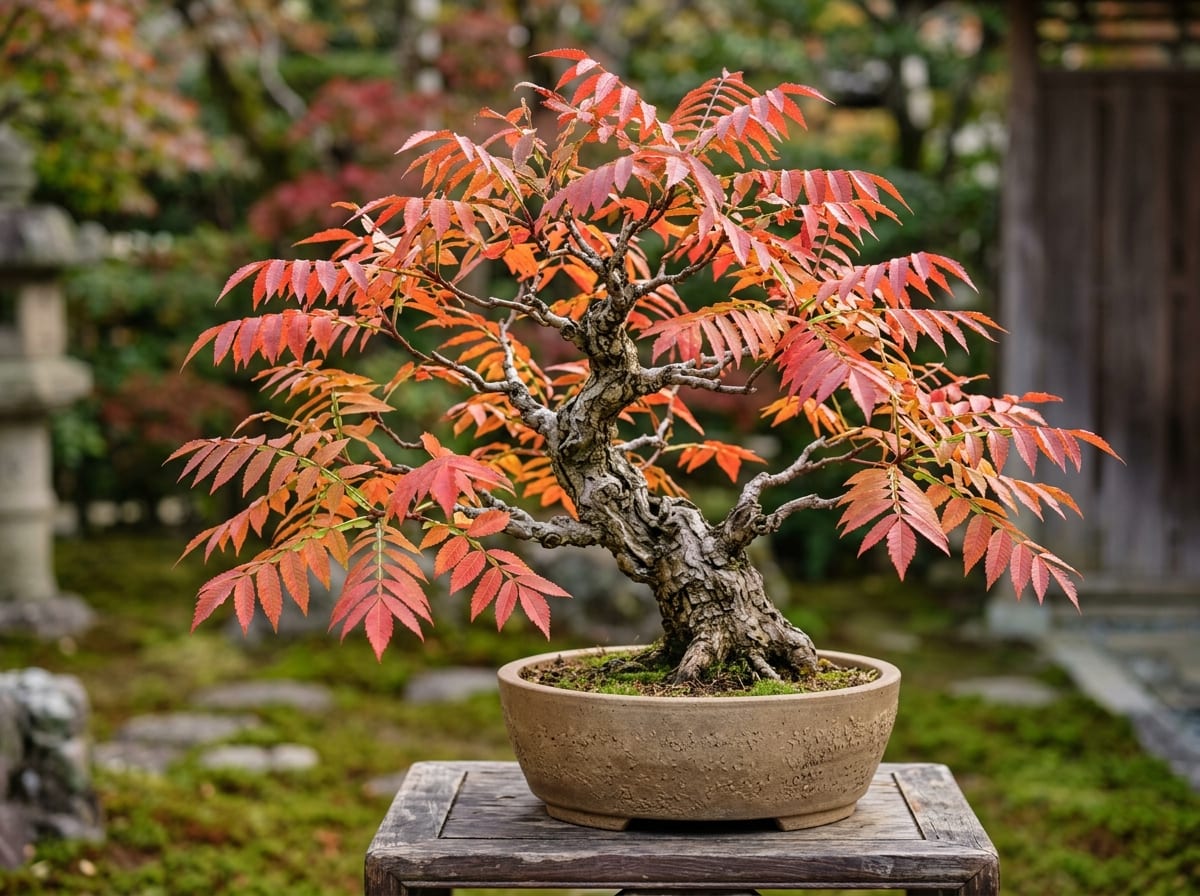
Japanese Sumac
Rhus chinensis
A small deciduous tree of the cashew family, recognized by the winged axis of its pinnate leaves. Grown as small bonsai for its vivid red autumn color and natural form.
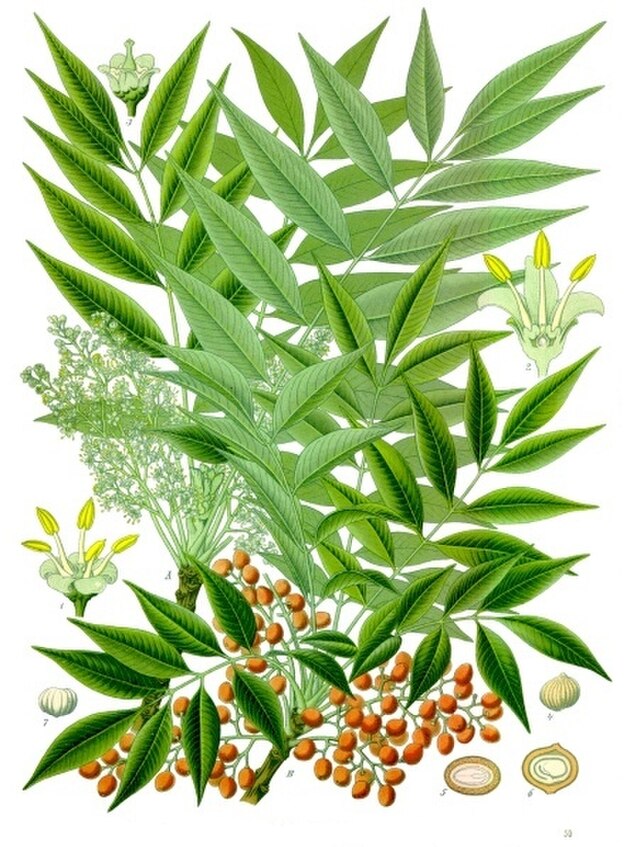 © Franz Eugen Köhler, Köhler's Medizinal-Pflanzen / Public domain
Japanese Wax Tree
Toxicodendron succedaneum
Deciduous bonsai with brilliant scarlet autumn color, among the finest in bonsai. Unique pinnate leaf silhouette. Cool summer greenery. Fast growing and easy to shape.
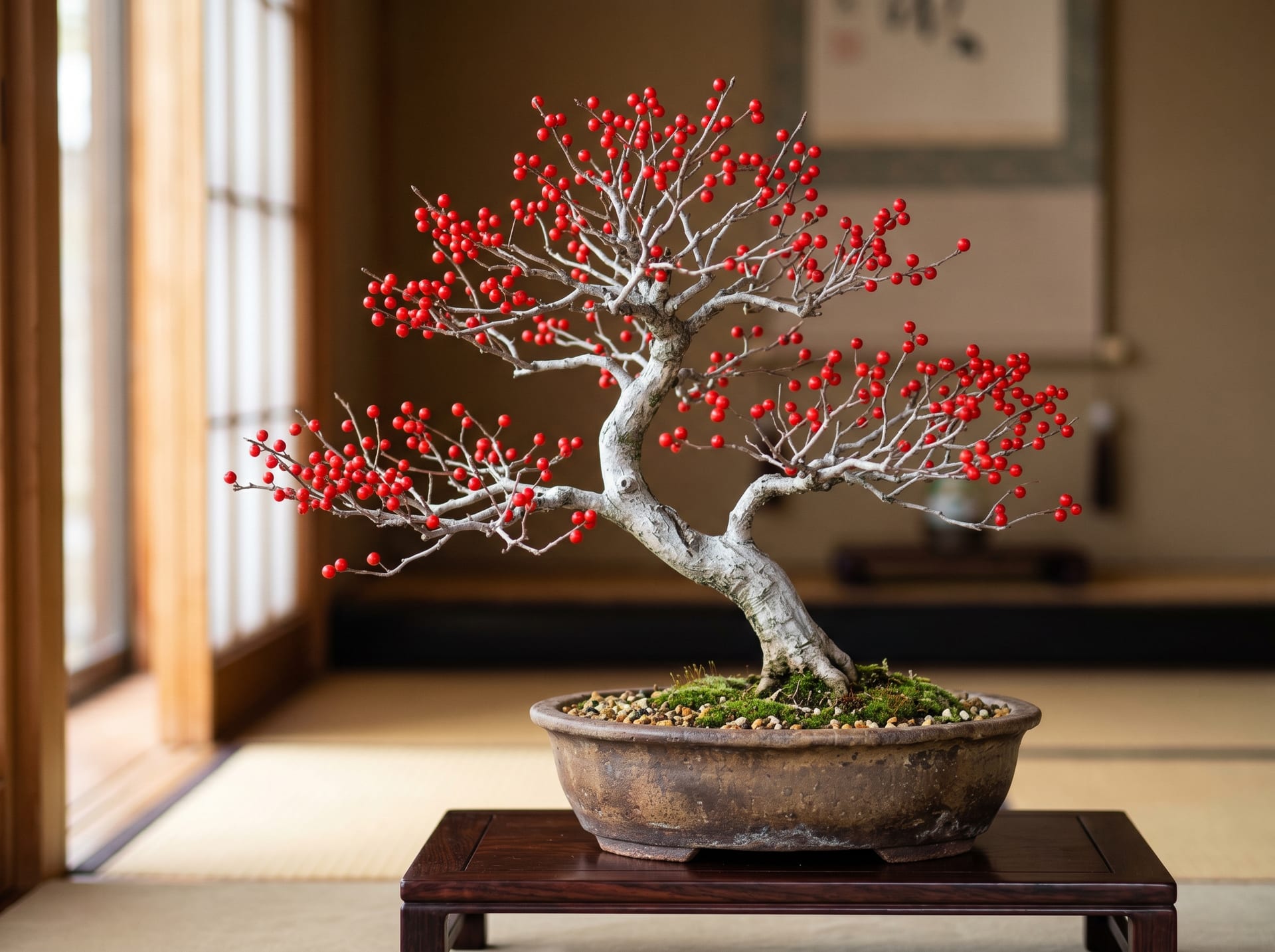
Japanese Winterberry
Ilex serrata
Fruiting bonsai with red berries autumn through winter. Berries persist on bare branches, adding color to winter scenery. Holly family despite ume in the name.
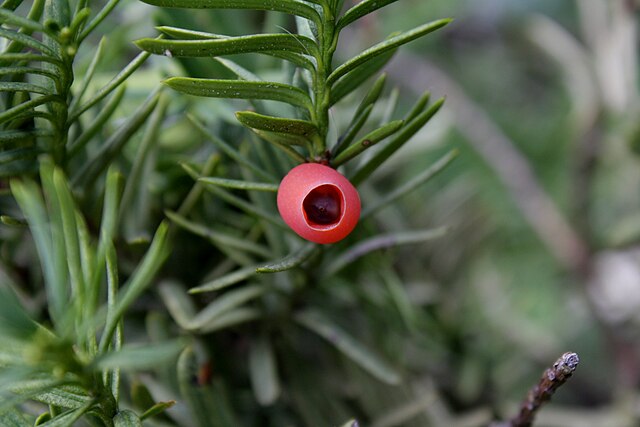 © Dalgial / CC BY-SA 3.0
Japanese Yew
Taxus cuspidata
Named after the highest court rank in Japan. Beautiful red berries and dark green needles. Hardy in cold climates with slow growth, ideal for long-term bonsai.
Kishu shimpaku juniper
Juniperus chinensis 'Kishu'
Shimpaku juniper sold under the Kishu (Wakayama/southern Mie) regional name. Its foliage is said to be slightly coarser and darker green than Itoigawa. A regional strain rather than a registered cultivar, now mostly propagated from cuttings.
Kokonoe Japanese white pine
Pinus parviflora 'Kokonoe'
A yatsubusa white pine cultivar ranked alongside Zuisho. Its spring candles barely extend, so the tree keeps its shape for years with little pinching or pruning. Short needles and fine buds make it ideal for shohin bonsai.
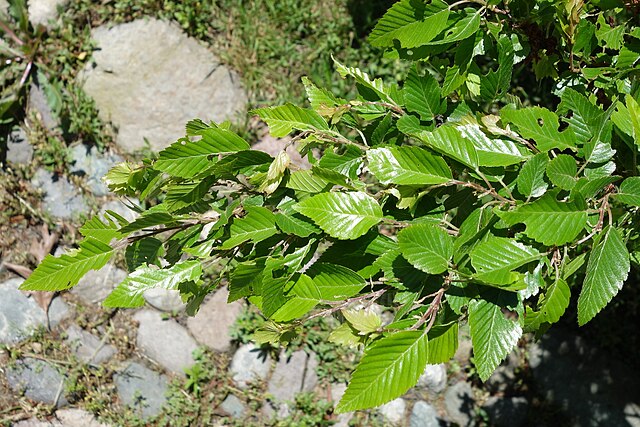 © Daderot / CC0
Korean Hornbeam
Carpinus turczaninowii
Deciduous tree with small leaves and fine branching. Easy to shape for bonsai with attractive brown-gold autumn color. Small leaf size makes it ideal for shohin.
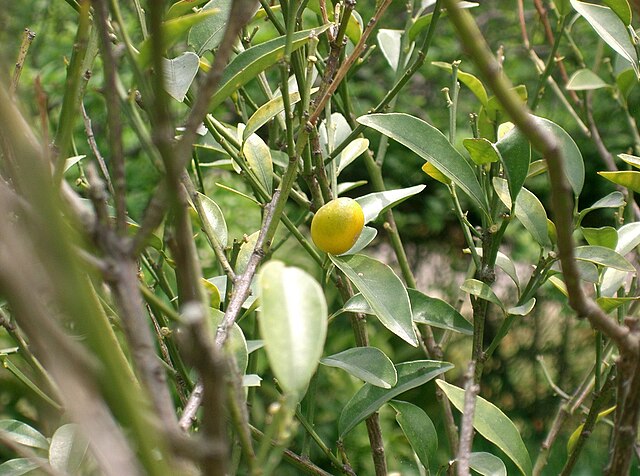 © KENPEI / CC BY-SA 3.0
Kumquat Bonsai
Citrus japonica
Charming citrus bonsai with clusters of small orange fruits. Fruits are edible whole. Relatively cold-hardy and easy to grow among citrus varieties.
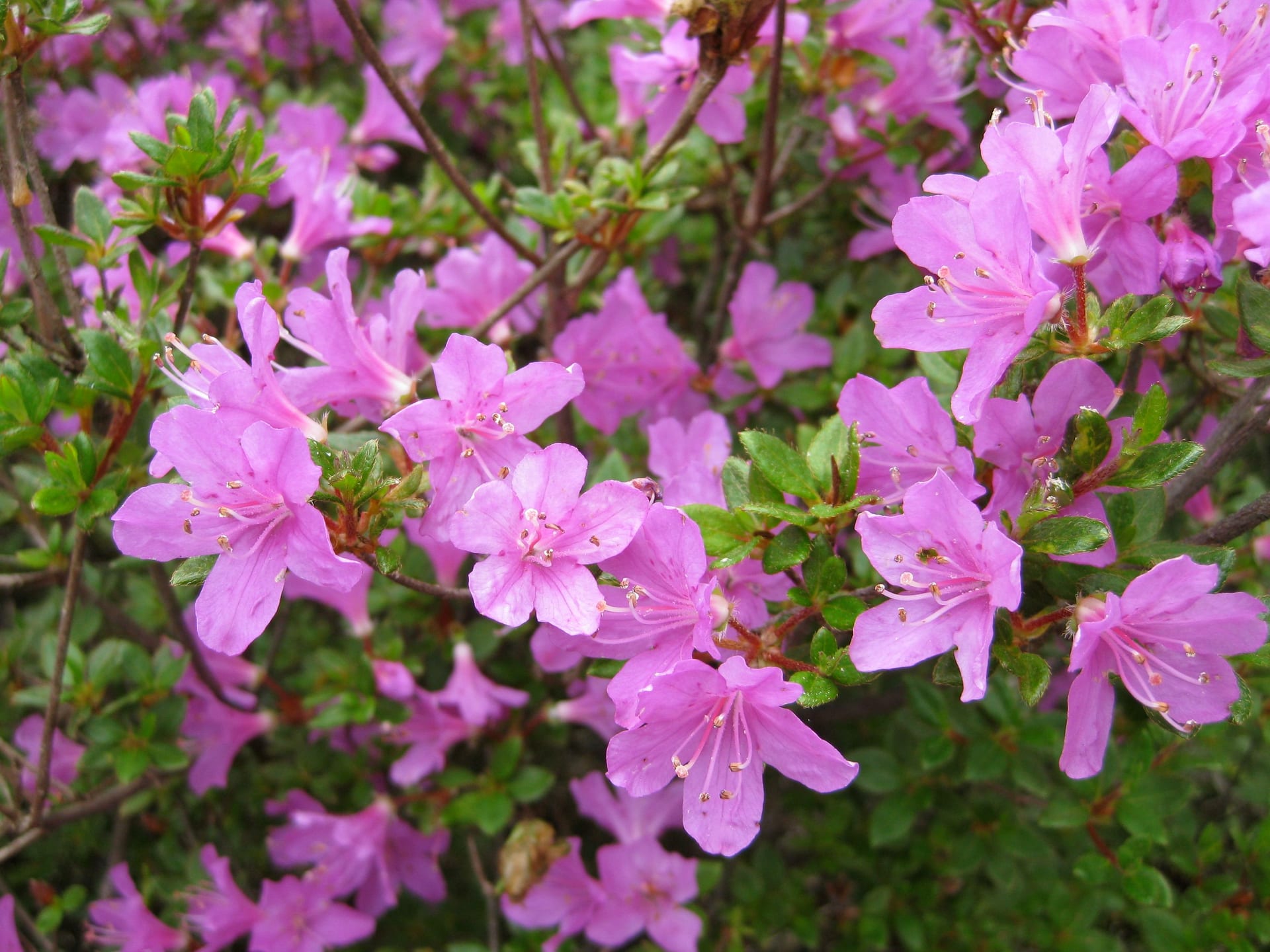 © Ray_go / CC BY-SA 3.0
Kyushu azalea
Rhododendron kiusianum
A small azalea that carpets volcanic uplands in Kyushu such as Kirishima, Aso and Kuju. With small leaves and dense branching, it covers its shoot tips with little flowers, mostly purple-red but also pink or white. Tough and ideal for shohin bonsai.
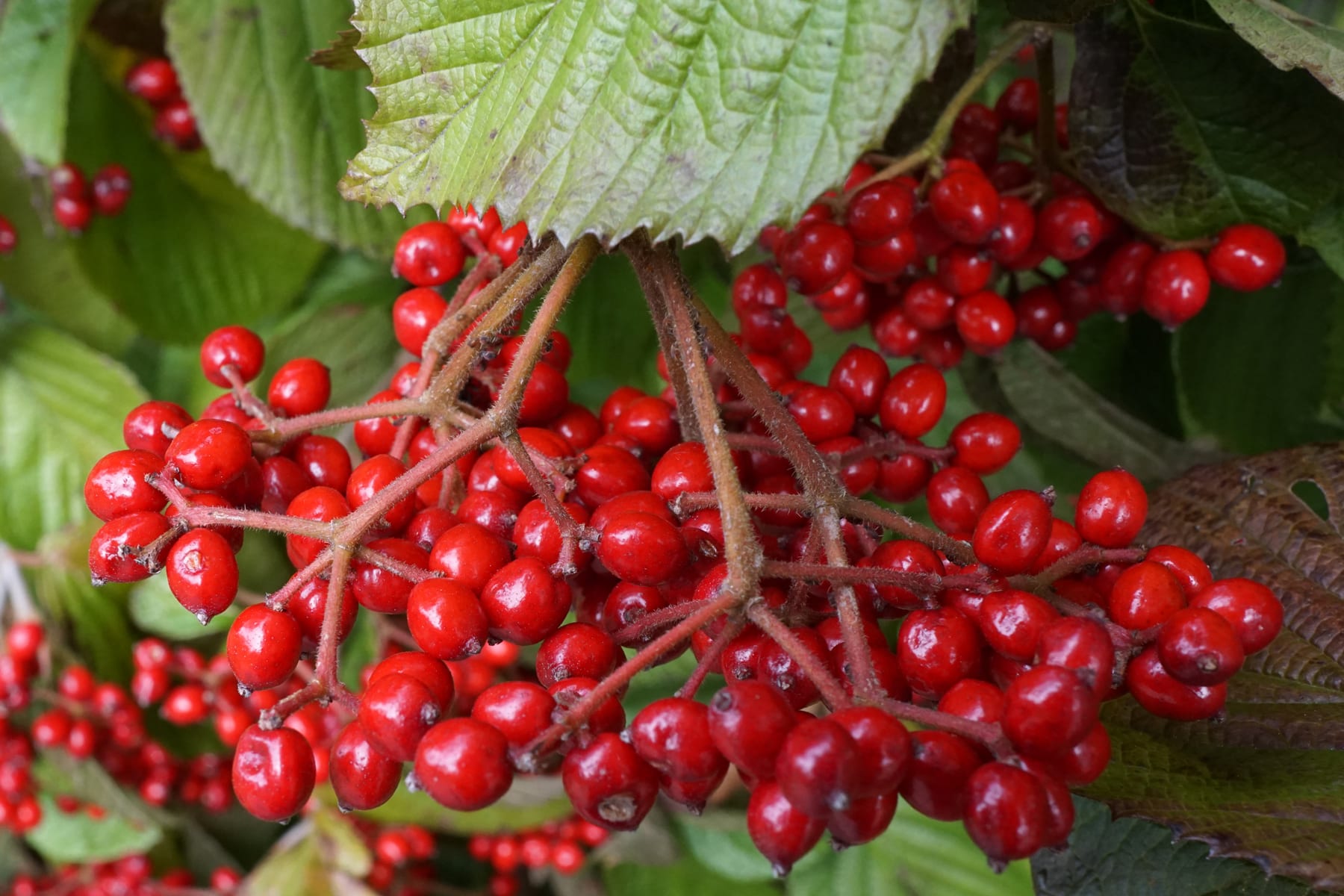 © Plant Image Library / CC BY-SA 2.0
Linden viburnum
Viburnum dilatatum
A deciduous shrub typical of Japanese coppice woods, bearing flat clusters of small white flowers in early summer and bunches of red berries about 6 mm across in autumn. In bonsai, small-leaved forms such as 'Kinkazan' are favoured.
 © Sanchezn / CC BY-SA 3.0
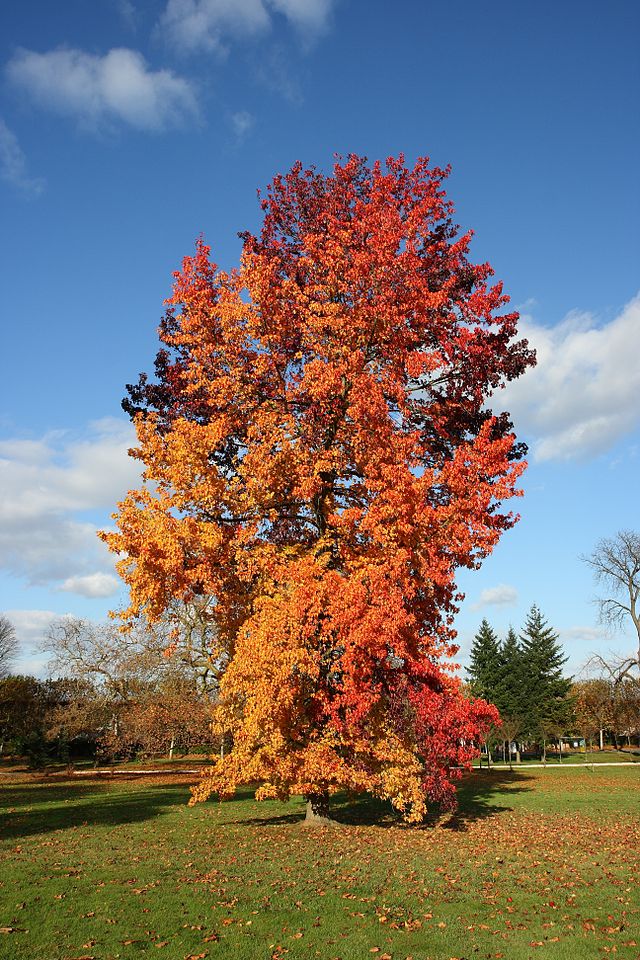
Liquidambar
Liquidambar formosana
Also called sweetgum. Star-shaped leaves with spectacular autumn color. Deep corky bark ridges are also attractive. Relatively fast-growing and beginner-friendly.
 © Daderot / CC0
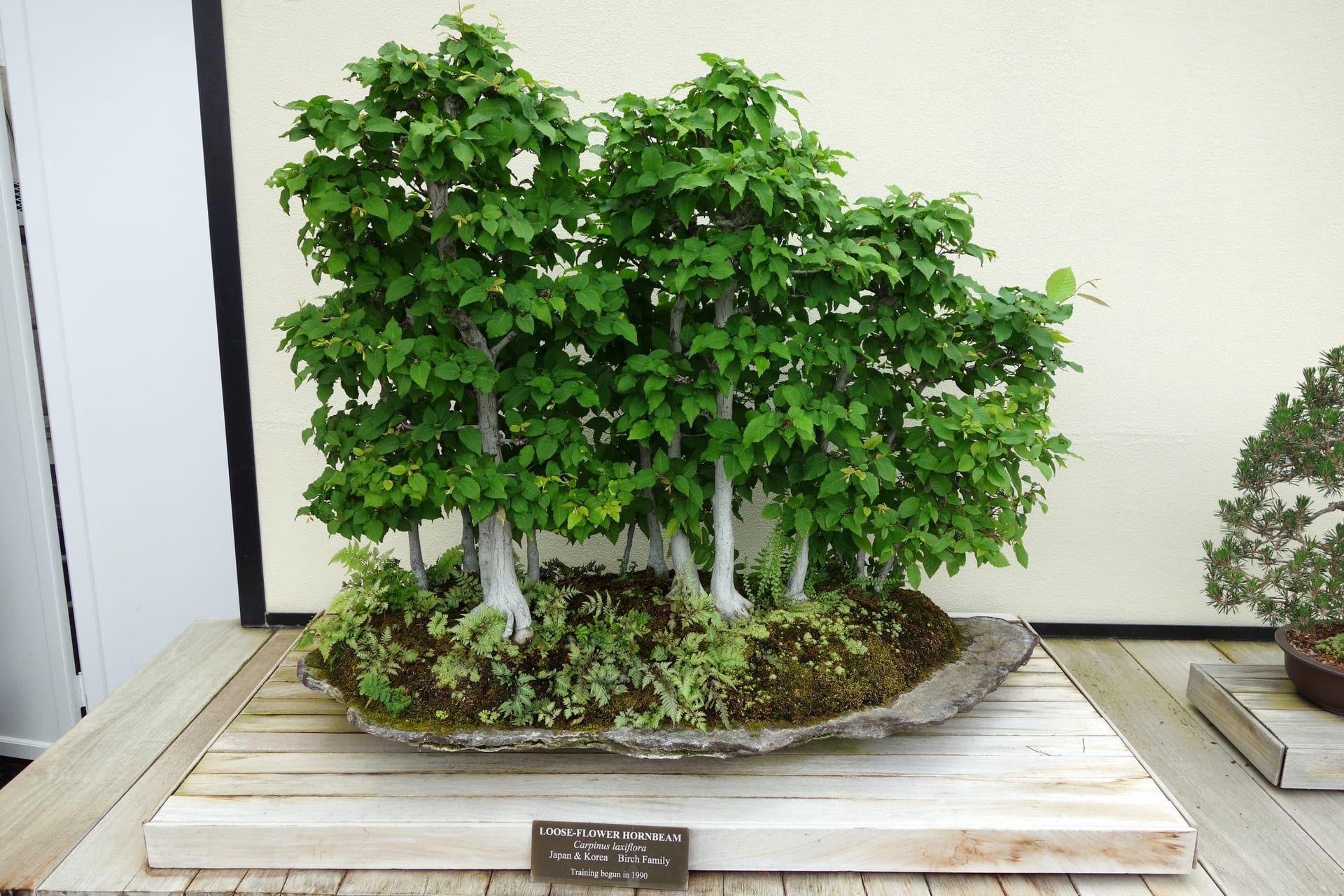
Loose-flower hornbeam
Carpinus laxiflora
A deciduous hornbeam whose new shoots, young leaves and autumn foliage flush red. Called 'aka-soro' in bonsai, it has the smallest leaves and finest twigs among the hornbeams, offering interest from spring budbreak to winter silhouette.
Mikawa Japanese black pine
Pinus thunbergii
A trade name for Japanese black pine produced in the Mikawa region around Okazaki, Aichi. Known in bonsai alongside Shikoku and Genkai black pine as a regional type said to have short needles, vigour and good bark. A regional strain, not a registered cultivar.
Miyasama trident maple
Acer buergerianum 'Miyasama'
Said to descend from a Taiwanese trident maple brought to the Fushimi-no-miya imperial household, and also called Taiwan kaede. It branches more densely and colours more brightly in autumn than ordinary trident maple, and is used for small bonsai and group plantings.
 © Jean-Pol GRANDMONT / CC BY 3.0
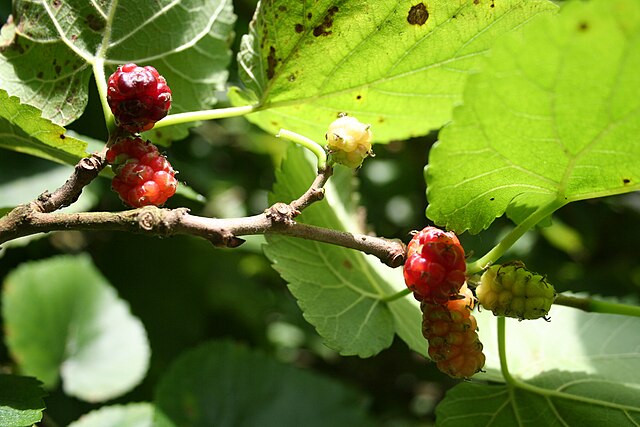
Mulberry
Morus
Deciduous tree known for silkworm farming. In bonsai, exposed roots and hollow trunks are highlights. Sweet berries are a bonus. Hardy and tolerant of pruning.
 © Alex Abair / CC BY 4.0
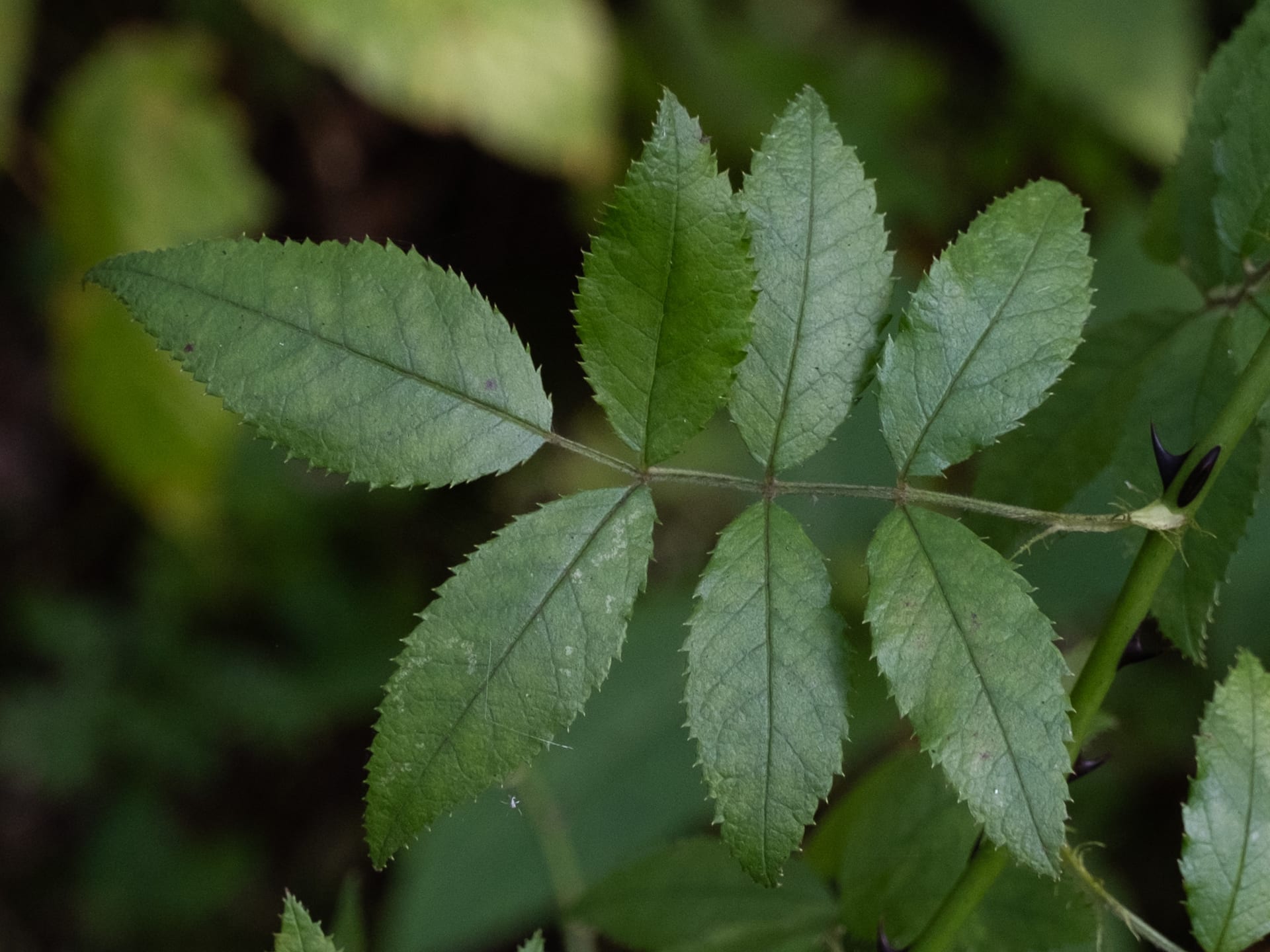
Multiflora rose
Rosa multiflora
Japan's typical wild rose, bearing sprays of small, strongly scented white flowers in early summer and red hips in autumn. One of the key species behind the world's garden roses, it is grown as bonsai for both flowers and hips.
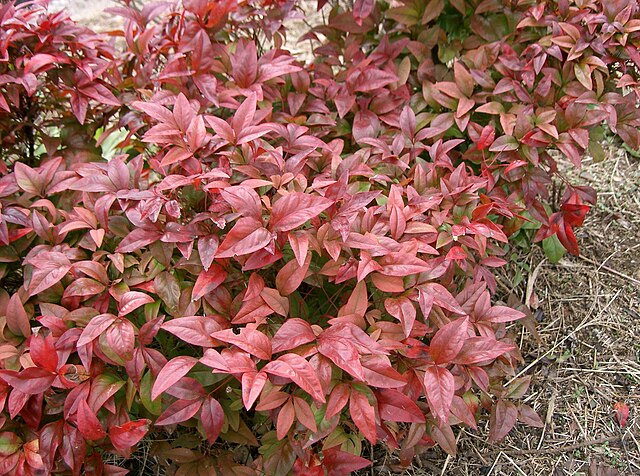 © KENPEI / CC BY-SA 3.0
Nandina
Nandina domestica
Auspicious plant whose name suggests turning misfortune away. Beautiful red berries and winter color. Used in New Year decorations. Hardy and beginner-friendly.
Nasu Japanese white pine
Pinus parviflora
A trade name for Japanese white pine from the Nasu area of Tochigi, counted with Azuma and Shikoku among Japan's three great goyomatsu. It is a regional strain, not a registered cultivar, and is common as mini and shohin bonsai.
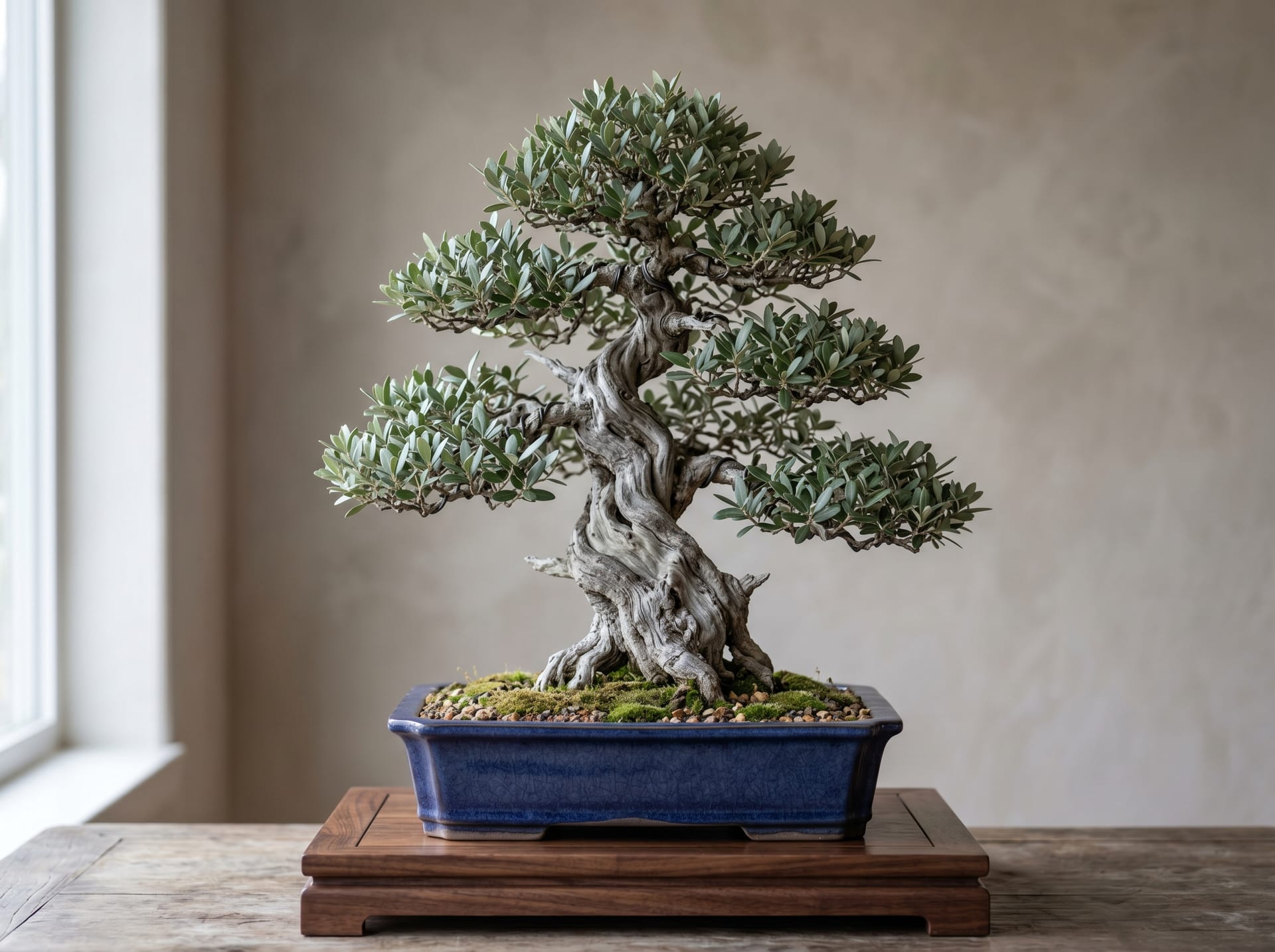
Olive Bonsai
Olea europaea
Mediterranean evergreen. Silver-gray leaves and twisted trunks create unique atmosphere. Rapidly gaining popularity as Western-style bonsai. Drought-tolerant with low watering risk.
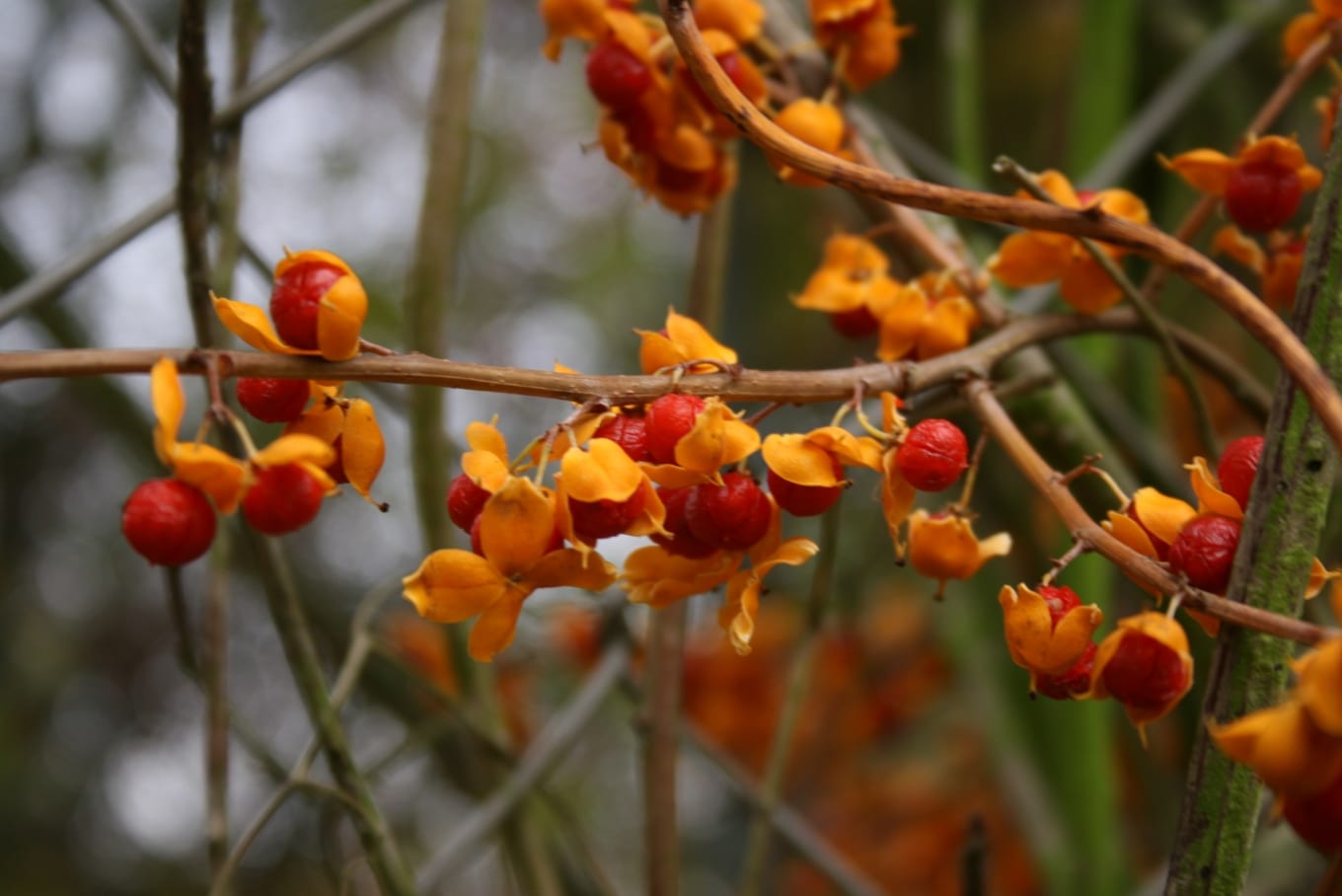 © Sten Porse / CC BY-SA 3.0
Oriental bittersweet
Celastrus orbiculatus
A deciduous climber of the spindle family whose yellow autumn fruits split in three to reveal orange-coated seeds, lasting from autumn into winter. Male and female plants are separate, so fruit needs a female plus a male pollinator.
Related Content
Bonsai FAQ
- How much do bonsai cost?
- Mini bonsai cost 1,000-5,000 yen, medium bonsai 5,000-50,000 yen, and masterpiece-class large bonsai hundreds of thousands to millions of yen depending on age, size, and form.
- Can beginners start bonsai?
- Starting with small Japanese maple, Shimpaku juniper, or Japanese white pine is recommended. With basic watering and 1-2 annual prunings, beginners can fully enjoy bonsai.
- How long do bonsai live?
- With proper care, bonsai can live for hundreds of years. Japan has many bonsai several centuries old, valued as art pieces passed down across generations.
- What should I check when buying bonsai?
- Look at root spread, trunk movement, and branch balance. Beginners may enjoy starting with affordable raw material trees and shaping them, rather than finished specimens.
- What's most important for bonsai care?
- Daily watering is the most important task. Water thoroughly when the soil surface dries, twice daily in summer (morning and evening). Keep outdoors in a spot with good airflow and sunlight.