Bonsai Encyclopedia
Encyclopedia of popular bonsai species with care guides, traits, and styling tips.
Featured Bonsai
Showing 62 of 137 species(49–62)
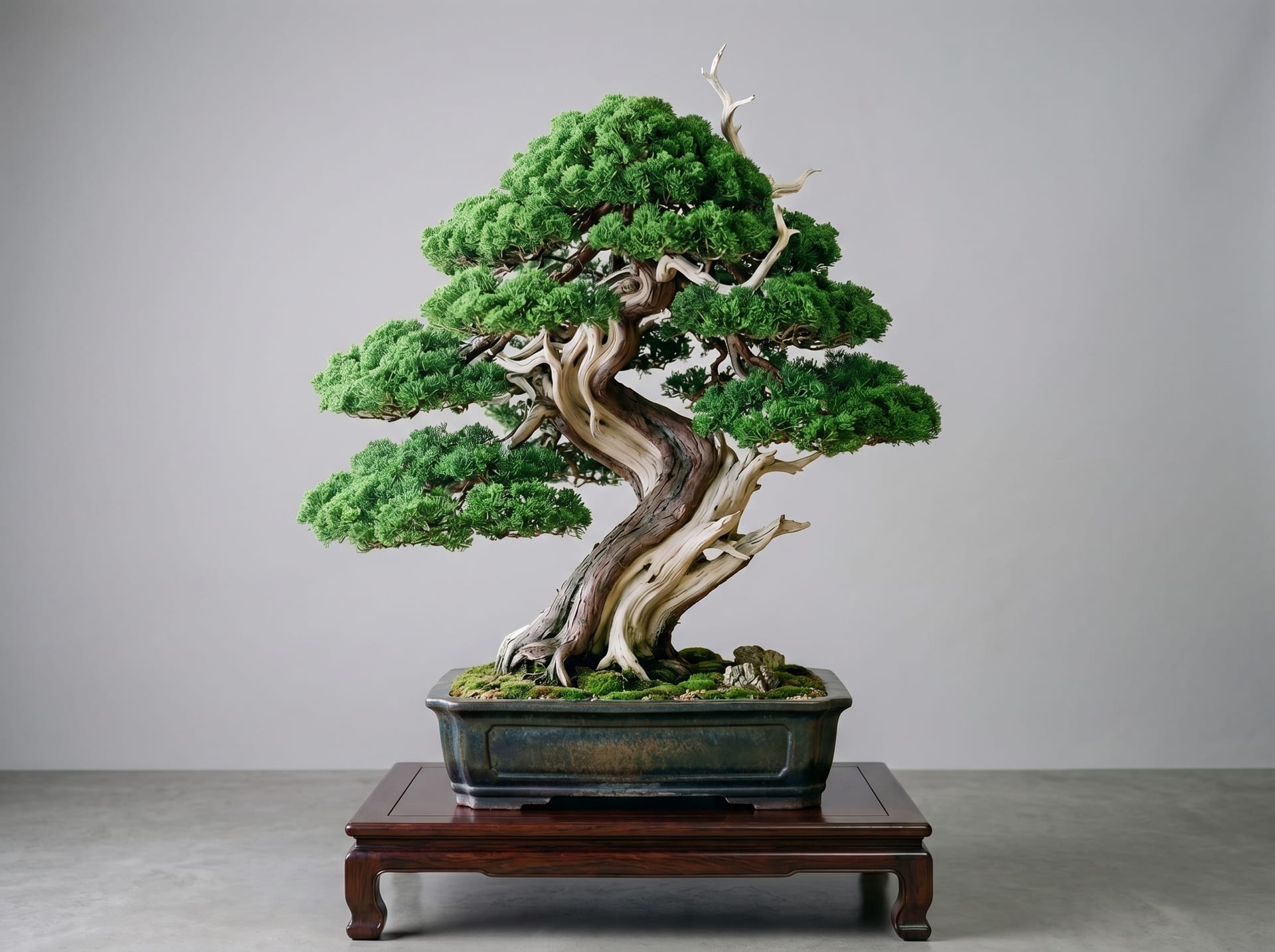
Shimpaku Juniper
Juniperus chinensis var. sargentii
The most prized juniper in bonsai. Known for jin and shari deadwood artistry. Grows wild on cliffs, creating twisted trunks that combine ruggedness and elegance.
 © Jonathan Billinger / CC BY-SA 2.0
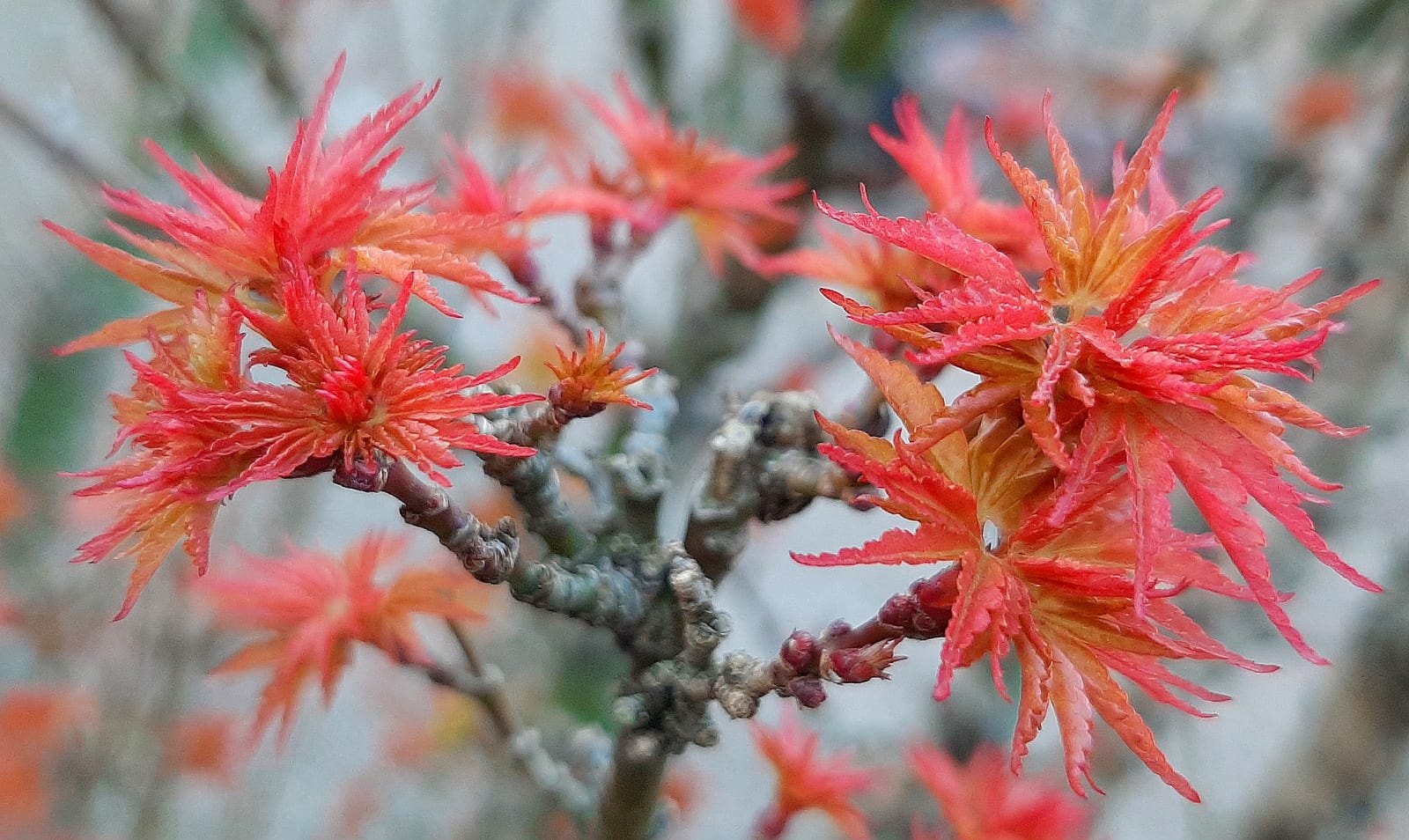
Shishigashira Japanese maple
Acer palmatum 'Shishigashira'
A yatsubusa maple famed for its leaf character: small, thick, crinkled leaves crowded at the shoot tips. Its unusual foliage sets it apart from ordinary Japanese maples at a glance.
 © Walter Siegmund / CC BY 2.5
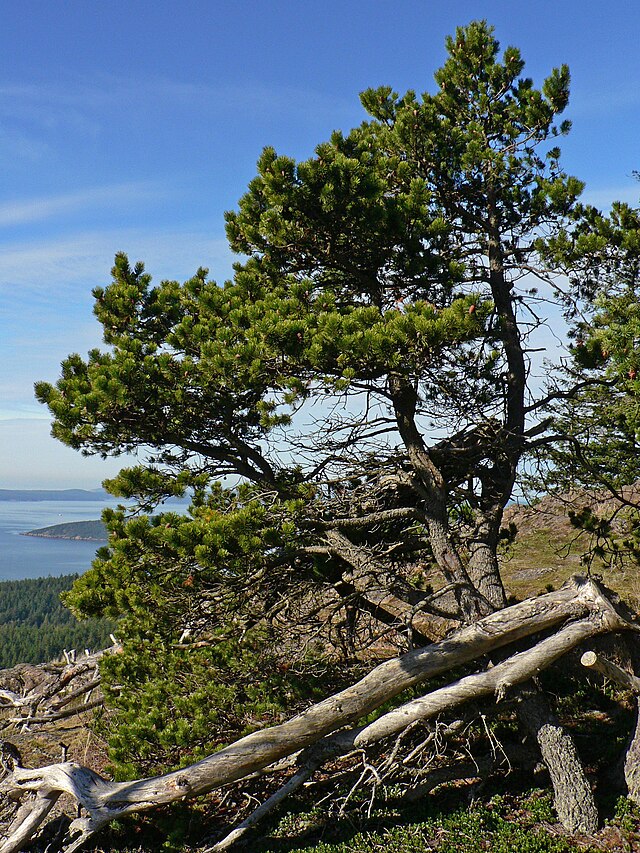
Shore Pine
Pinus contorta
Native to North American west coast. Known for resilience against sea winds and naturally curved trunks. Suits literati and windswept styles with distinctive wild charm.
 © by Reggaeman / CC BY-SA 3.0
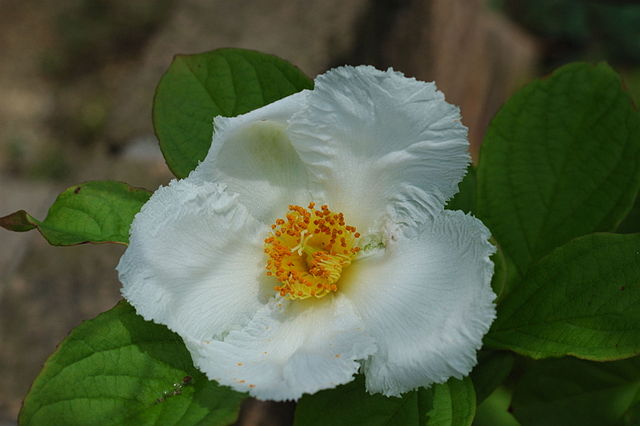
Stewartia
Stewartia pseudocamellia
Deciduous bonsai blooming with white camellia-like flowers in summer. Smooth bark develops beautiful mottled pattern with age. Triple appeal: flowers, bark, and autumn color.
 © Stickpen / CC0
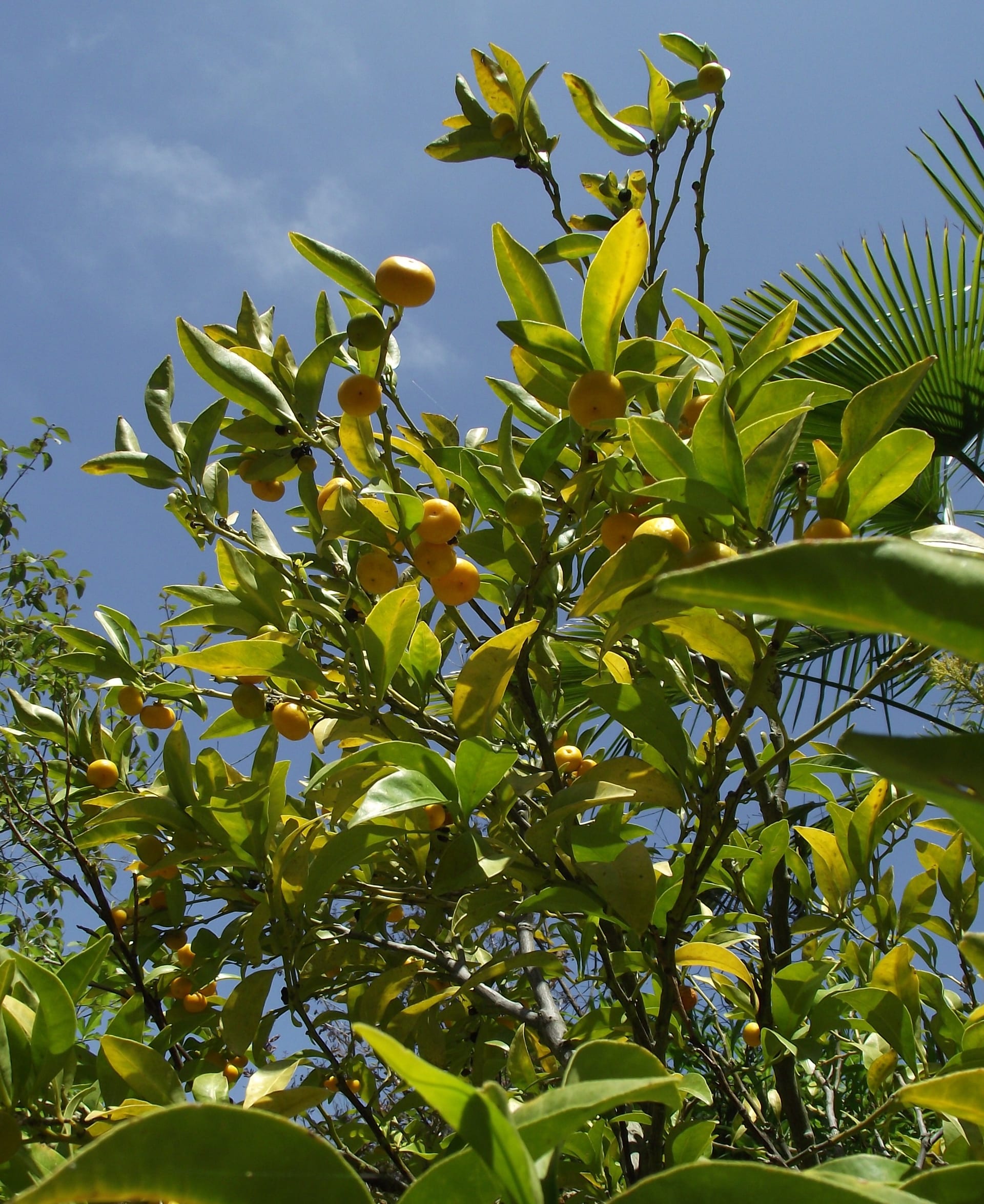
Tachibana orange
Citrus × tachibana
Japan's wild native citrus, an evergreen bearing fragrant white flowers in early summer and flattened yellow fruits 2.5–3 cm across in winter. Famous as the 'Ukon no tachibana' at the Kyoto Imperial Palace; wild plants are nationally Near Threatened.
 © Alpsdake / CC BY-SA 4.0
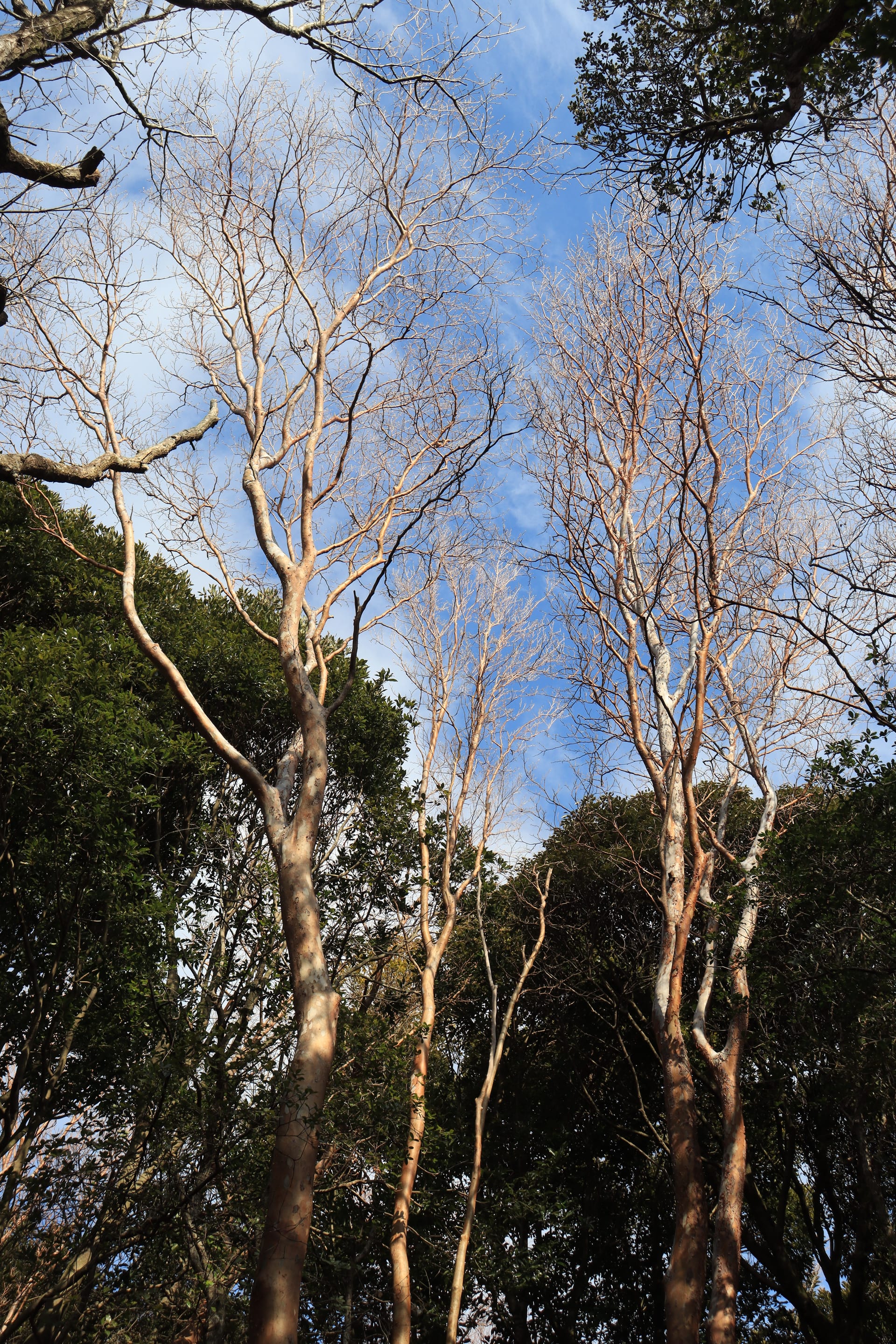
Tall stewartia
Stewartia monadelpha
A deciduous tree of the camellia family whose smooth, red-brown trunk is counted among Japan's three most beautiful barks. Small white flowers 1.5–2 cm across nod in early summer, and leaves turn red in autumn. Smaller in flower and leaf than Stewartia pseudocamellia.
 © KENPEI / CC BY-SA 3.0
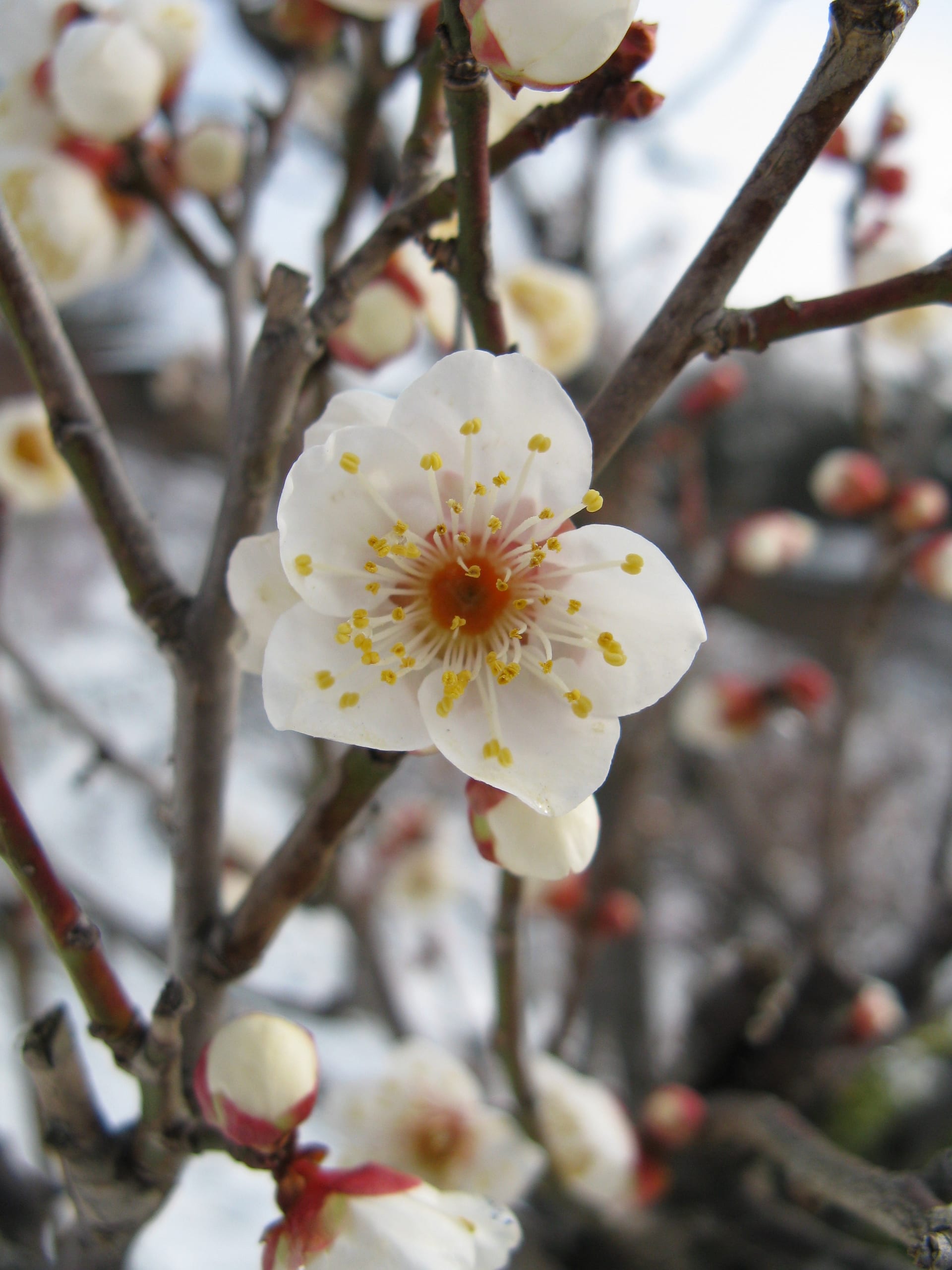
Toji Japanese apricot
Prunus mume 'Toji'
A white yabai-group ume named for starting to bloom around the winter solstice (toji). It bears single white medium flowers very early and in great numbers, and thickens its trunk well. Also called Toji-bai; a staple starter plant for ume bonsai.
 © Didier Descouens / CC BY-SA 4.0
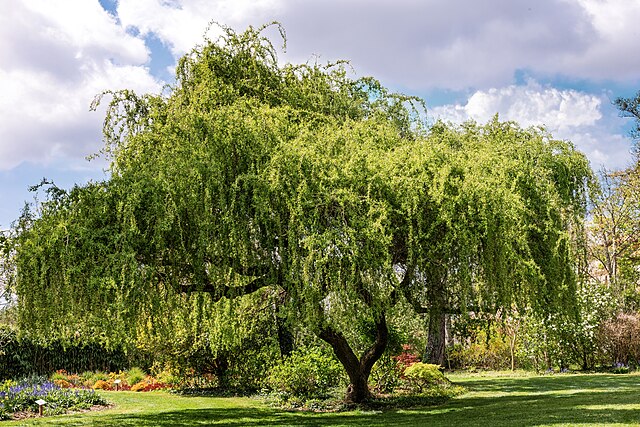
Weeping Willow
Salix babylonica
Deciduous tree with gracefully drooping branches full of atmosphere. Enjoy waterside scenery up close. Very fast growth requires frequent care, but unique form is unmatched.
 © 3268zauber / CC BY-SA 3.0
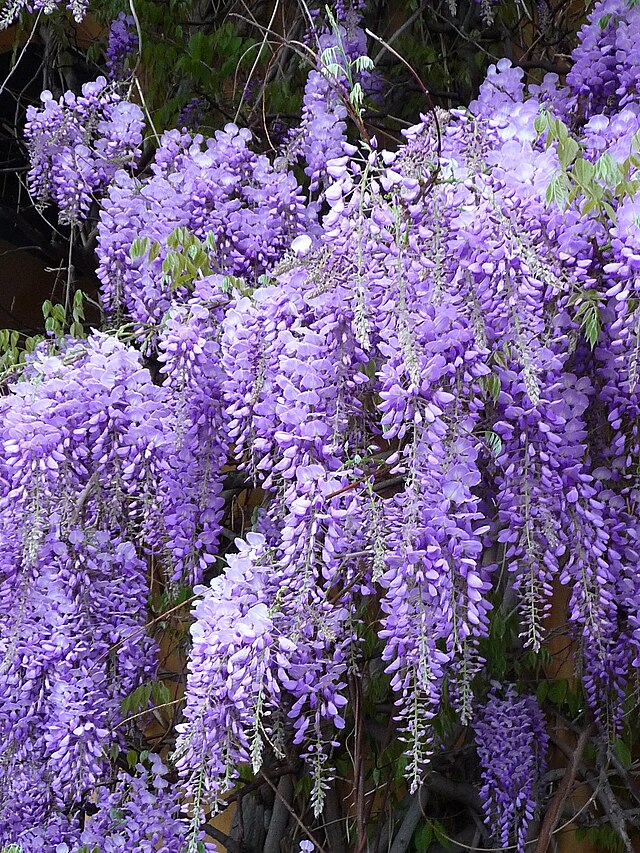
Wisteria
Wisteria floribunda
Elegant flowering bonsai with cascading purple flower clusters in spring. Cascade or display-shelf styles maximize bloom beauty. Flowering improves with age.
 © KENPEI / CC BY-SA 3.0
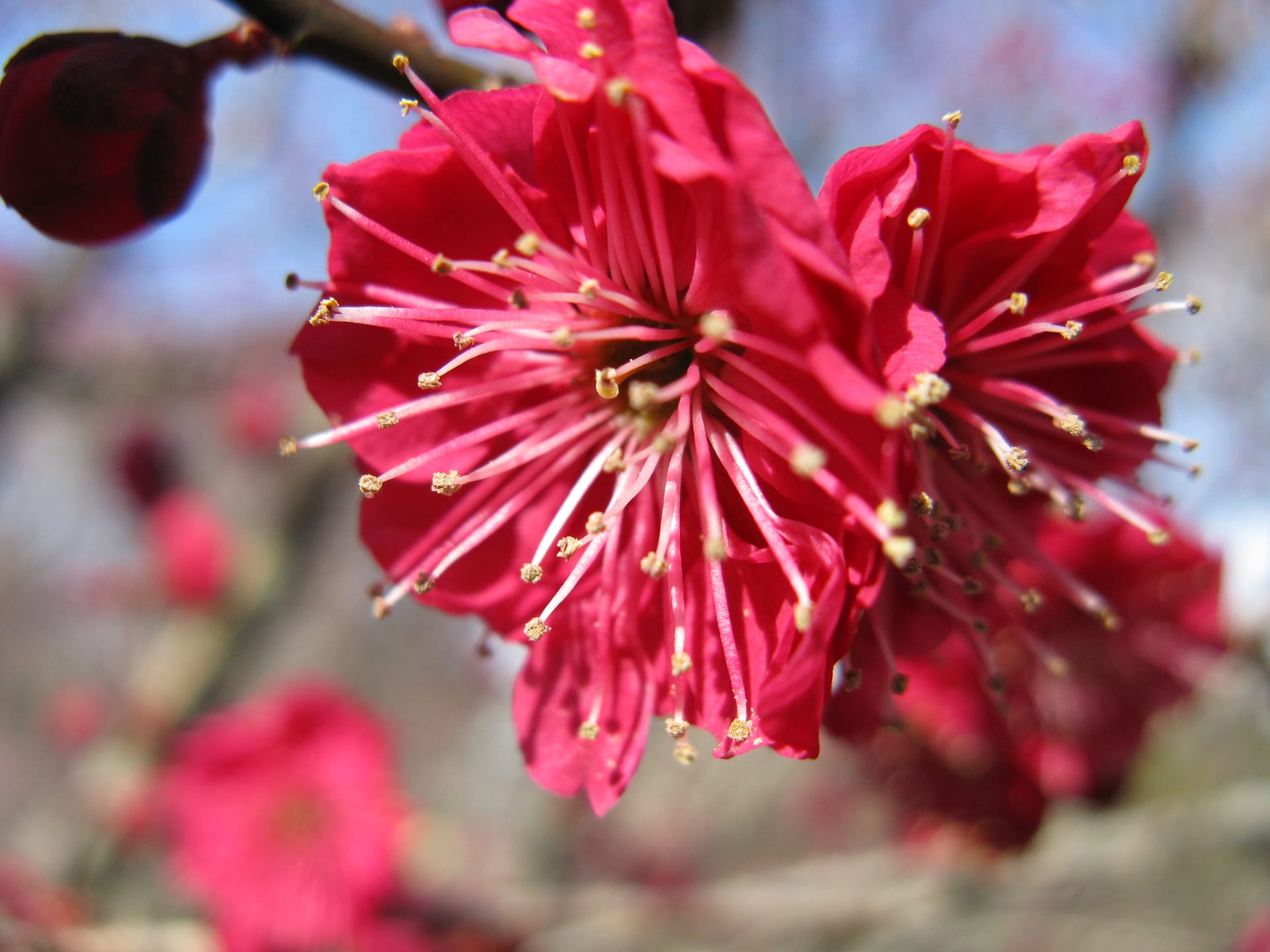
Yae-kanko Japanese apricot
Prunus mume 'Yae-kanko'
One of the kanbai ('winter ume') that bloom from early January to early February, bearing deep red double flowers very early. It was the earliest of seven cultivars to flower in a prefectural trial.
Yatsubusa Japanese cedar
Cryptomeria japonica 'Yatsubusa'
A general name for dwarf yatsubusa forms of Japanese cedar—almost all small cedar bonsai are this type. It buds vigorously and gains an aged look through pinching alone, but plants sold under the name vary in foliage.
 © Nikita from Russian Federation / CC BY 2.0
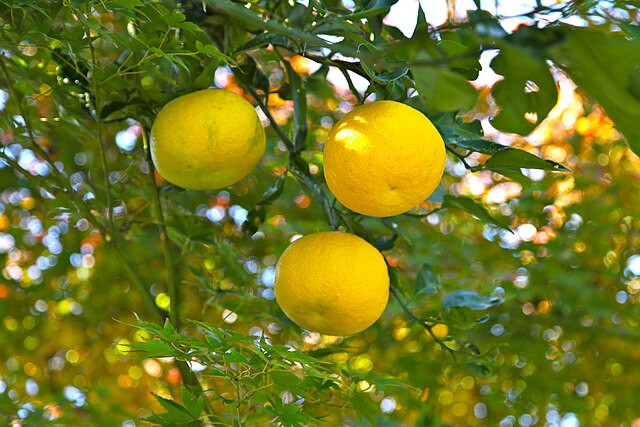
Yuzu Bonsai
Citrus junos
Indispensable citrus in Japanese cuisine. Takes long from seed but grafted stock fruits in a few years. Fragrant flowers and yellow fruits are enjoyable.
 © KENPEI / CC BY-SA 3.0
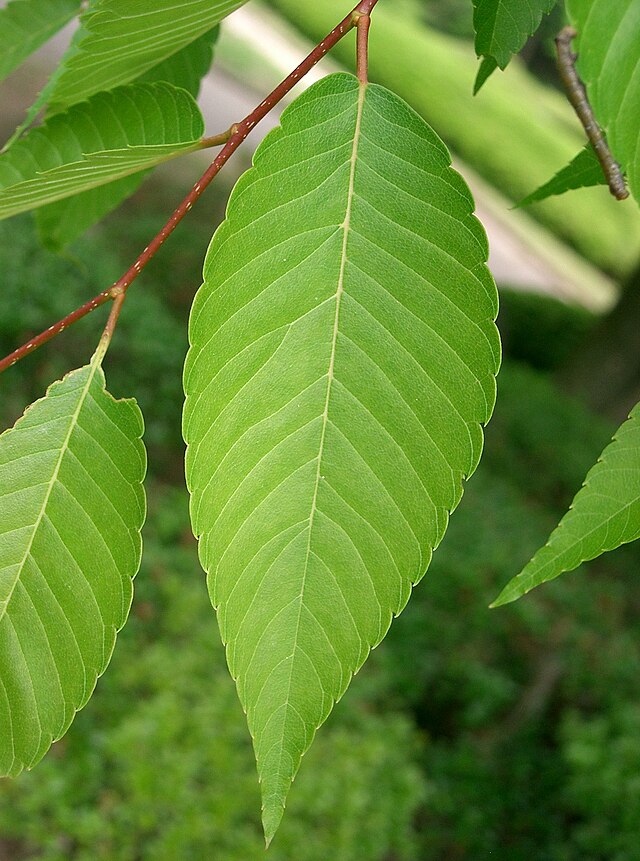
Zelkova
Zelkova serrata
The signature broom-style bonsai tree. Fan-shaped fine branching is its greatest charm. The winter silhouette after leaf drop is considered the pinnacle of bonsai aesthetics.
Zuisho Japanese white pine
Pinus parviflora 'Zuisho'
A leading yatsubusa (dwarf, densely budding) cultivar of Japanese white pine, propagated by cuttings, grafts and layers from a single mutant branch. Its foliage is fine and compact, yet it grows quickly for a white pine, so a tree takes shape fast.
Related Content
Bonsai FAQ
- How much do bonsai cost?
- Mini bonsai cost 1,000-5,000 yen, medium bonsai 5,000-50,000 yen, and masterpiece-class large bonsai hundreds of thousands to millions of yen depending on age, size, and form.
- Can beginners start bonsai?
- Starting with small Japanese maple, Shimpaku juniper, or Japanese white pine is recommended. With basic watering and 1-2 annual prunings, beginners can fully enjoy bonsai.
- How long do bonsai live?
- With proper care, bonsai can live for hundreds of years. Japan has many bonsai several centuries old, valued as art pieces passed down across generations.
- What should I check when buying bonsai?
- Look at root spread, trunk movement, and branch balance. Beginners may enjoy starting with affordable raw material trees and shaping them, rather than finished specimens.
- What's most important for bonsai care?
- Daily watering is the most important task. Water thoroughly when the soil surface dries, twice daily in summer (morning and evening). Keep outdoors in a spot with good airflow and sunlight.