跳转到主要内容
青锁龙

青锁龙

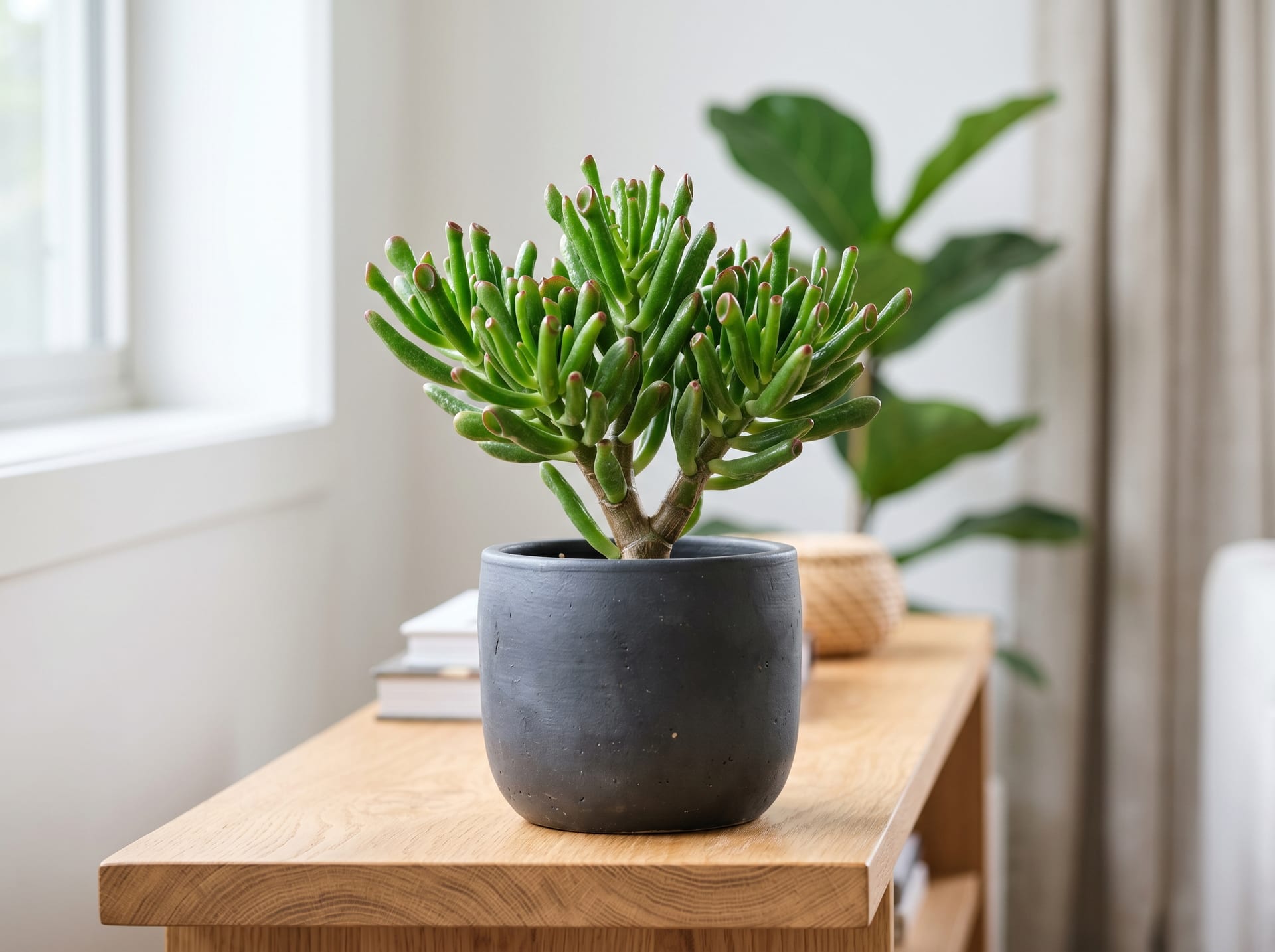
Crassula ovata (Jade Plant) is the representative. Thick round leaves are charming. Given as good luck gift.

View 青锁龙 encyclopedia →
限时活动

前3笔销售免佣金!在2026年8月31日前注册生产者账户 → 前3笔成交的手续费免费!

栽培者 招募中!

在BoTachoku上销售,直接面向全国客户销售吗?

免费注册无月费仅在成交时收取佣金
立即免费注册

ボタちょく的 6 项透明性承诺

栽培者在多肉植物与仙人掌上架时将明示以下信息。确保品种、产地、所需光照、栽培难度的透明性。

  • 品种明示
  • 实物照片
  • 色泽
  • 产地明示
  • 所需光照
  • 难度明示
0 items

多肉植物与仙人掌分类正在招募认证栽培者

栽培者正在陆续注册,即将上架。设置上架通知,不错过新商品。

「接收上架通知」需免费注册会员即可设置。当有符合您保存条件的新商品上架时,我们会通过邮件和站内通知提醒您。

查看其他分类

已注册的栽培者(抢先看)

想上架多肉植物与仙人掌吗?

注册成为栽培者,即可与买家直接联系。

申请成为栽培者

青锁龙的基本数据

养护难度
适合新手
寿命
20+ years
体型
10cm-1m
适宜温度
0〜35℃
Sunlight
Loves sunlight. Grows outdoors
Watering
2-3 times monthly. Drought-tolerant
Cold tolerance
About 0°C. Watch for frost
Pruning
Can be trained like bonsai
Notes
Gets top-heavy and may tip over as it grows
特征Good luckJade PlantLong-livedBeginner-friendly

关于青锁龙

Crassula is a large genus in the family Crassulaceae, comprising more than 200 recognized species. Native primarily to South Africa and Namibia, these plants grow wild on rocky outcrops and sandy soils where rainfall is sparse. The genus name derives from the Latin word for "thick," a nod to the fleshy, water-storing leaves that are the genus's hallmark. The most celebrated species, Crassula ovata — the "money tree" — bears rounded, jade-green leaves with reddish margins and has long been treasured as a symbol of good fortune in many cultures. Growth is slow to moderate, yet well-tended specimens can live for more than two decades. Beyond ovata, the genus offers remarkable variety: the geometric stacked leaves of Crassula perforata, the sculptural blades of C. falcata, and numerous compact rosette forms beloved by collectors. Because Crassula tolerates drought and forgives the occasional missed watering, it is equally rewarding for beginners discovering succulents and experienced growers seeking architectural plants.

开始养护青锁龙前需要了解的7件事

  1. 1Sunlight Comes First

    Crassula thrives with 4–6 or more hours of bright light daily, whether direct sun or strong indirect light. Insufficient light causes etiolation—stems stretch and become spindly, ruining the plant's compact shape. Indoors, a south-facing windowsill is the ideal spot.

  2. 2Water Sparingly

    Since leaves store moisture, water only after the soil has completely dried out—roughly every 2–3 weeks in spring through autumn, and once a month in winter. Root rot is the leading cause of Crassula decline, and it is almost always caused by overwatering.

  3. 3Use Well-Draining Soil

    A commercial cactus and succulent mix works well. Standard potting soil retains too much moisture and risks root rot; mixing in 20–30% perlite or coarse sand improves drainage considerably. Adding a layer of pumice or gravel at the pot's base further aids water flow.

  4. 4Protect from Cold and Frost

    Most Crassula varieties are frost-sensitive and begin to suffer below 5°C (41°F). Frost exposure causes leaves and stems to rot, so bring plants indoors before temperatures drop. They still need light in winter, so a warm, bright windowsill remains the best location.

  5. 5Fertilize Lightly

    A diluted liquid fertilizer applied once a month during the growing season (spring through autumn) is sufficient. Over-fertilizing promotes weak, stretched growth and can burn roots; use half to one-third of the recommended dose. Withhold fertilizer entirely during winter dormancy.

  6. 6Easy to Propagate

    Crassula propagates easily from stem or leaf cuttings. Let the cut end dry for 2–3 days before inserting it into clean, dry soil, and hold back on watering until roots form. Spring and autumn offer the best success rates for propagation.

  7. 7Size Varies by Variety

    Crassula species range enormously in size—from compact desktop varieties under 10 cm to C. ovata specimens exceeding 1 m outdoors. Check the mature size of your chosen variety before purchasing to ensure you have a suitable space. Repotting into a slightly larger container every 1–2 years helps prevent root-binding.

青锁龙的常见问题

Q.Is the "money tree" the same as other Crassula plants?
A.The "money tree" is a common name for Crassula ovata, one species within the large Crassula genus of over 200 species. Other Crassula plants can look quite different and may have slightly different care requirements, so it is worth checking which species you have.
Q.Why are my Crassula leaves shriveling?
A.Shriveled leaves most often signal underwatering — water thoroughly and the leaves usually plump back up within a few days. However, root rot can cause identical symptoms, so if the soil has been consistently wet, unpot the plant and inspect the roots before watering again.
Q.Does Crassula flower, and how can I encourage blooming?
A.Crassula ovata can produce small star-shaped white to pale-pink flowers in autumn and winter. To encourage blooming, reduce watering in autumn and expose the plant to cooler night temperatures around 10°C (50°F) for several weeks. Young plants and those lacking sufficient light are less likely to flower.
Q.Is Crassula toxic to pets or children?
A.Crassula ovata is reported to be toxic to dogs and cats, potentially causing vomiting and lethargy if ingested. It is advisable to place the plant out of reach of pets and small children as a precaution.

青锁龙种植的实用工具

Learn more about 青锁龙 in the encyclopedia

View 青锁龙 encyclopedia entry →

Care difficulty, size, origin and light needs — all basics covered.

同分类的更多品种