跳转到主要内容
大戟

大戟

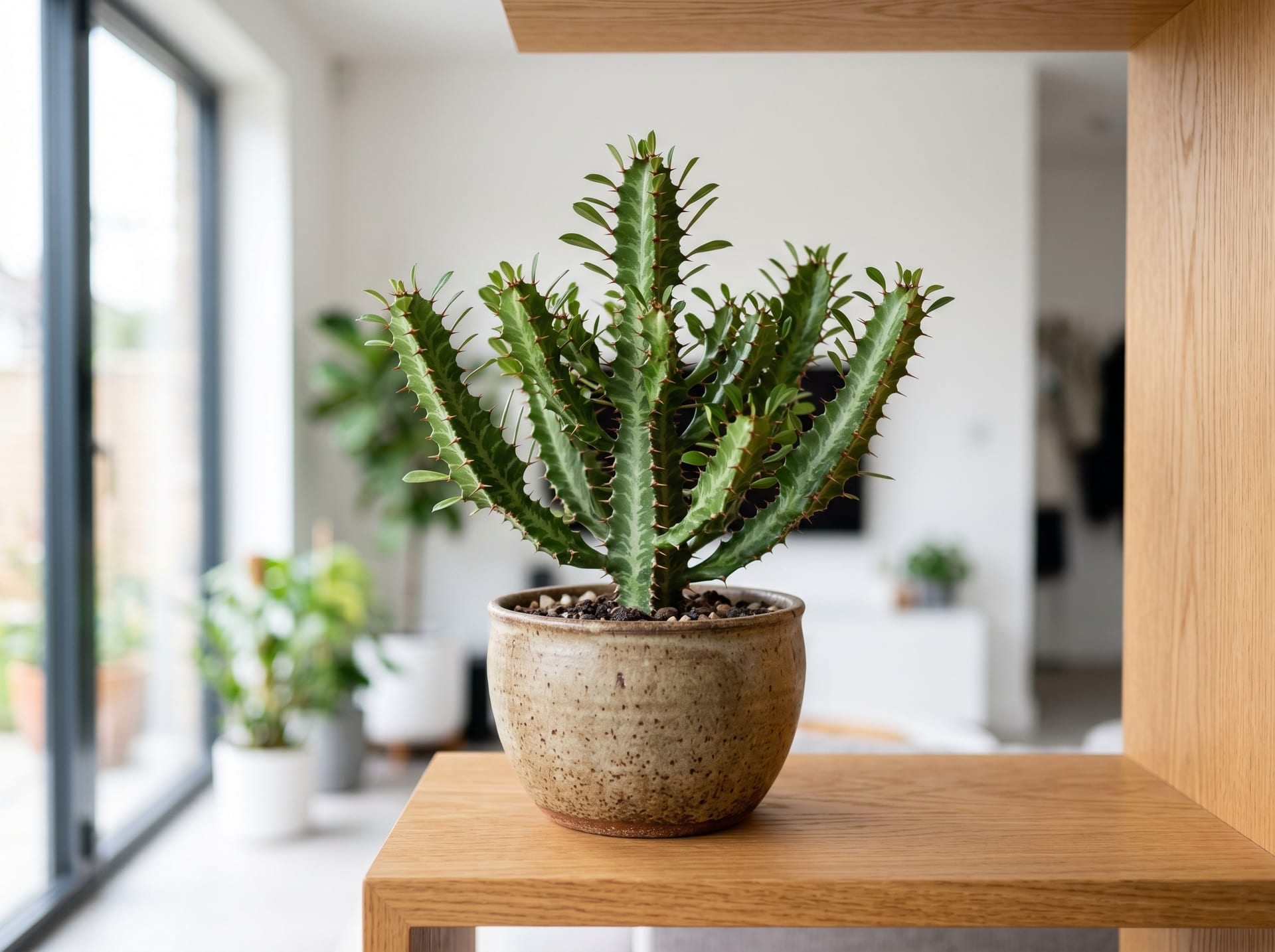
Many resemble cacti but are entirely different family. Obesa and Horrida popular. Toxic white latex requires careful handling.

View 大戟 encyclopedia →
限时活动

前3笔销售免佣金!在2026年8月31日前注册生产者账户 → 前3笔成交的手续费免费!

栽培者 招募中!

在BoTachoku上销售,直接面向全国客户销售吗?

免费注册无月费仅在成交时收取佣金
立即免费注册

ボタちょく的 6 项透明性承诺

栽培者在多肉植物与仙人掌上架时将明示以下信息。确保品种、产地、所需光照、栽培难度的透明性。

  • 品种明示
  • 实物照片
  • 色泽
  • 产地明示
  • 所需光照
  • 难度明示
0 items

多肉植物与仙人掌分类正在招募认证栽培者

栽培者正在陆续注册,即将上架。设置上架通知,不错过新商品。

「接收上架通知」需免费注册会员即可设置。当有符合您保存条件的新商品上架时,我们会通过邮件和站内通知提醒您。

查看其他分类

已注册的栽培者(抢先看)

想上架多肉植物与仙人掌吗?

注册成为栽培者,即可与买家直接联系。

申请成为栽培者

大戟的基本数据

养护难度
适合中级者
寿命
10+ years
体型
5cm-1m (varies by variety)
适宜温度
5〜35℃
Sunlight
Loves sunlight. Good ventilation important
Watering
Moderate. Sensitive to overwatering
Soil
Well-draining soil. Add extra pumice
Varieties
Obesa, Horrida, Daimyojin among many popular varieties
Notes
Toxic white latex — avoid skin contact
特征Cactus-likeToxic latexMany varietiesCollectible

关于大戟

Euphorbia is one of the largest and most diverse plant genera, with over 2,000 species distributed across Africa, Madagascar, and beyond. Many bear a striking resemblance to cacti—not through shared ancestry, but through convergent evolution in response to arid environments. The genus name honors Euphorbus, physician to an ancient Roman king, reflecting the long history of the plant's potent latex in medicine and as a poison. The visual diversity within the genus is remarkable: the spherical symmetry of E. obesa, the fierce spines of E. horrida, and the candelabra forms of E. lactea all belong to the same family. Their appeal to growers lies in a rewarding simplicity—minimal watering and bright light are all they truly need to maintain sculptural forms for years. Slow-growing and long-lived, Euphorbia rewards patience and offers a genuinely long-term relationship between plant and keeper.

开始养护大戟前需要了解的7件事

  1. 1Toxic Latex Warning

    Euphorbias exude a white latex sap when cut or damaged that can cause skin irritation and is harmful if it contacts the eyes. Always wear rubber gloves when pruning or repotting, and wash your hands thoroughly afterward. Keep plants out of reach of pets and small children.

  2. 2Water Sparingly

    Euphorbias are drought-tolerant and root rot from overwatering is the most common cause of failure. During the growing season (spring to autumn), water only after the soil has dried out completely; in winter, reduce watering to once a month or less. Never let the pot sit in standing water.

  3. 3Provide Plenty of Sunlight

    Euphorbias thrive in bright light and should be placed in the sunniest spot available year-round. A south-facing windowsill is ideal for indoor cultivation; insufficient light leads to etiolation and poor form. In peak summer, use shade cloth if direct midday sun is intense.

  4. 4Protect from Cold and Frost

    Most Euphorbias stop growing below 5–10°C and can be damaged or killed by frost. Bring outdoor plants inside before temperatures drop significantly. Cold hardiness varies considerably by species, so confirm the tolerance of your specific variety at the time of purchase.

  5. 5Wide Size Variation by Species

    Euphorbias vary enormously in mature size, from compact species just 5 cm across to columnar giants exceeding 1 metre tall. Before buying, check the expected mature size and plan your space and pot size accordingly. The popular Euphorbia obesa stays around 15 cm in diameter, making it well-suited for collections.

  6. 6Repot Every 2–3 Years

    When roots become pot-bound, growth slows, so repot into a slightly larger container every two to three years. Do this at the start of the growing season in spring, using a well-draining cactus or succulent mix. Always wear gloves during repotting to avoid contact with the latex sap.

  7. 7Fertilise Lightly

    Euphorbias are adapted to nutrient-poor soils, so over-fertilising causes weak, stretched growth and root damage. Apply a dilute balanced fertiliser or slow-release granules once a month during the growing season (spring to summer). Stop feeding from autumn onward to allow the plant to prepare for dormancy.

大戟的常见问题

Q.What should I do if sap gets on my skin?
A.Rinse the affected area immediately and thoroughly with soap and water. If sap enters the eyes, flush with clean water for at least 15 minutes and seek medical attention if irritation persists. The best prevention is to wear gloves and protective eyewear before handling the plant.
Q.How do I tell Euphorbia apart from a cactus?
A.The easiest way is to look at the sap: Euphorbia exudes milky white latex, while cacti produce clear watery sap. Euphorbia spines also tend to grow in pairs, and they lack the distinct areoles—the small cushion-like spots—from which cactus spines emerge.
Q.Can I leave Euphorbia outside in winter?
A.Most Euphorbia species suffer damage below 5°C, so they need to be brought indoors during winter in most parts of Japan. A few cold-hardy species like E. rigida can tolerate light frost, but as a general rule, move plants to a warm, bright indoor location before the first frost to be safe.
Q.Why are the leaves turning yellow and dropping?
A.Overwatering is the most common cause. Watering before the soil fully dries out leads to root rot, which manifests as yellowing and leaf drop. Cold temperatures and insufficient light are the next most frequent culprits. Review your watering schedule and check that the plant is getting adequate warmth and sunlight.
Q.Which Euphorbia varieties are best for beginners?
A.E. obesa, with its charming spherical form, and E. milii (Crown of Thorns), a sturdy columnar type, are commonly recommended for beginners. Both stay compact, grow slowly, and have a reasonable tolerance for minor watering mistakes. They are also widely available and affordably priced, making them great entry points into the genus.

大戟种植的实用工具

Learn more about 大戟 in the encyclopedia

View 大戟 encyclopedia entry →

Care difficulty, size, origin and light needs — all basics covered.

同分类的更多品种