跳转到主要内容
长生草

长生草

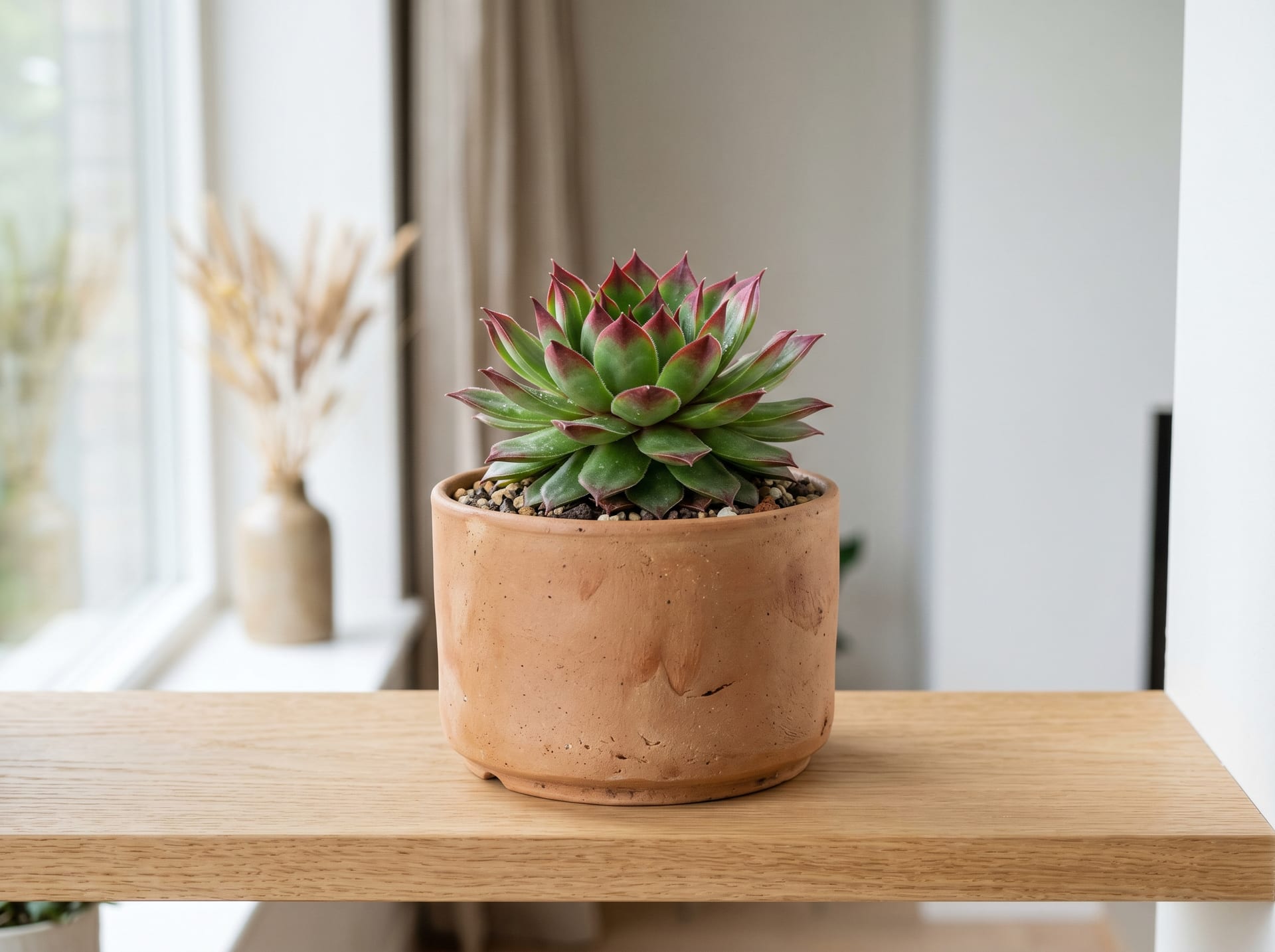
European succulent with extreme cold tolerance. Survives -20°C and grows outdoors year-round. Proliferates via offsets.

View 长生草 encyclopedia →
限时活动

前3笔销售免佣金!在2026年8月31日前注册生产者账户 → 前3笔成交的手续费免费!

栽培者 招募中!

在BoTachoku上销售,直接面向全国客户销售吗?

免费注册无月费仅在成交时收取佣金
立即免费注册

ボタちょく的 6 项透明性承诺

栽培者在多肉植物与仙人掌上架时将明示以下信息。确保品种、产地、所需光照、栽培难度的透明性。

  • 品种明示
  • 实物照片
  • 色泽
  • 产地明示
  • 所需光照
  • 难度明示
0 items

多肉植物与仙人掌分类正在招募认证栽培者

栽培者正在陆续注册,即将上架。设置上架通知,不错过新商品。

「接收上架通知」需免费注册会员即可设置。当有符合您保存条件的新商品上架时,我们会通过邮件和站内通知提醒您。

查看其他分类

已注册的栽培者(抢先看)

想上架多肉植物与仙人掌吗?

注册成为栽培者,即可与买家直接联系。

申请成为栽培者

长生草的基本数据

养护难度
适合新手
寿命
10+ years
体型
5-15cm
适宜温度
-20〜30℃
Sunlight
Loves sunlight. Outdoors ideal
Watering
Rainwater alone is fine (outdoors)
Cold tolerance
Tolerates -20°C+. Survives under snow
Propagation
Produces abundant offsets
Notes
Actually struggles with hot humid Japanese summers
特征Ultra cold-hardyOutdoor OKProlificEuropean origin

关于长生草

Sempervivum takes its name from the Latin for "always living," and true to that name, these remarkable succulents survive outdoors through winters as harsh as -20°C. Native to rocky slopes in the Alps and along the Mediterranean coast, they have a storied history in European folklore — farmers once planted them on rooftiles as protection against lightning and evil spirits. Each rosette measures 5–15 cm across, with tightly layered, fleshy leaves forming a precise geometric pattern. Exposure to intense sun or cold draws out stunning shades of red, purple, and copper, giving the plant a different character in each season. Mother rosettes continuously send out offsets on stolons, naturally spreading into dense colonies that look spectacular in rock gardens and mixed succulent arrangements. Care is nearly effortless — the cardinal rule is simply not to overwater — and fertilizer is rarely needed. Sempervivum is the ideal starting point for anyone new to growing succulents, combining rugged resilience with year-round visual appeal.

开始养护长生草前需要了解的7件事

  1. 1Survives Outdoors in Hard Frost

    Sempervivum can tolerate temperatures down to around -20°C, making year-round outdoor cultivation possible across most of Japan. It handles frost and snow well, eliminating the need to bring plants indoors for winter. However, watch for rot during the hot, humid rainy season and midsummer.

  2. 2Humidity Is the Biggest Threat

    The most vulnerable period for Sempervivum is the hot, humid summer. Use fast-draining soil and choose a well-ventilated spot; moving pots under eaves during the rainy season helps prevent rot. In summer, water sparingly and only after the soil has dried out completely.

  3. 3Spreads Naturally via Offsets

    Sempervivum spreads by sending out runners from the mother plant, each tipped with a new offset. Once offsets are large enough, simply detach and press them into soil — they root readily with no special treatment. Dense colonies are highly ornamental and popular for dish gardens and container arrangements.

  4. 4Mother Plant Dies After Flowering

    Sempervivum blooms just once in its lifetime; after flowering, the mother rosette dies — a natural process called monocarpy, not disease. Surrounding offsets continue growing and fill the gap. When a flower spike appears, enjoy the bloom and check that offsets are well established to carry on the colony.

  5. 5Full Sun Brings Out Rich Color

    Sempervivum thrives in full sun; many cultivars develop rich red or purple coloration when exposed to strong light. Plants tolerate partial shade but tend to etiolate and lose vibrancy. Aim for at least four hours of direct sunlight per day to maintain compact rosettes and vivid coloring.

  6. 6Choose Fast-Draining Soil

    Standard potting mix retains too much moisture for Sempervivum. Use a succulent/cactus mix, or blend akadama, pumice, and coarse sand for excellent drainage. Adding a layer of pumice or drainage stones at the pot base further improves water flow. Terracotta pots are recommended as they allow excess moisture to evaporate through the walls.

  7. 7Fertilize Lightly and Infrequently

    Sempervivum originates in poor mountain soils, so over-fertilizing causes leggy growth and can damage roots. If feeding, apply a diluted liquid fertilizer once a month during the spring and autumn growing seasons. Avoid nitrogen-heavy formulas; a fertilizer balanced toward phosphorus and potassium suits succulents best.

长生草的常见问题

Q.Should I bring Sempervivum indoors for winter?
A.Generally, no. Sempervivum is cold-hardy to -20°C and handles Japanese winters outdoors without issue. Heated indoor environments can actually cause problems, as they tend to be either too warm and dry or too humid for the plant's comfort.
Q.My rosette flowered and then died — is it diseased?
A.It is not diseased. Sempervivum is monocarpic — each rosette blooms only once in its lifetime and naturally dies after flowering. This is a completely normal part of its life cycle shared by all Sempervivum. The surrounding offsets will continue to grow in its place.
Q.Is it a problem that the leaves turned red?
A.Not at all. Sempervivum naturally changes color to red, purple, or copper in response to strong sunlight, cold temperatures, or mild drought stress. This is caused by increased anthocyanin pigments and is a normal, healthy response — often a sign the plant is thriving.
Q.How often does Sempervivum need to be watered?
A.During the growing seasons of spring and autumn, water once every one to two weeks, only after the soil has dried out completely. In summer and winter, when the plant is semi-dormant, reduce watering to two or three times a month. The key principle is to always err on the side of dryness.
Q.When and how should I separate the offsets?
A.Once an offset has grown to about 2–3 cm in diameter, simply cut the stolon connecting it to the mother plant with clean scissors. The best time is spring or autumn. Let the cut end dry for one to two days before placing it on well-draining soil, which helps it root successfully.

长生草种植的实用工具

Learn more about 长生草 in the encyclopedia

View 长生草 encyclopedia entry →

Care difficulty, size, origin and light needs — all basics covered.

同分类的更多品种