 © Abu Shawka / CC0
康普顿十二卷
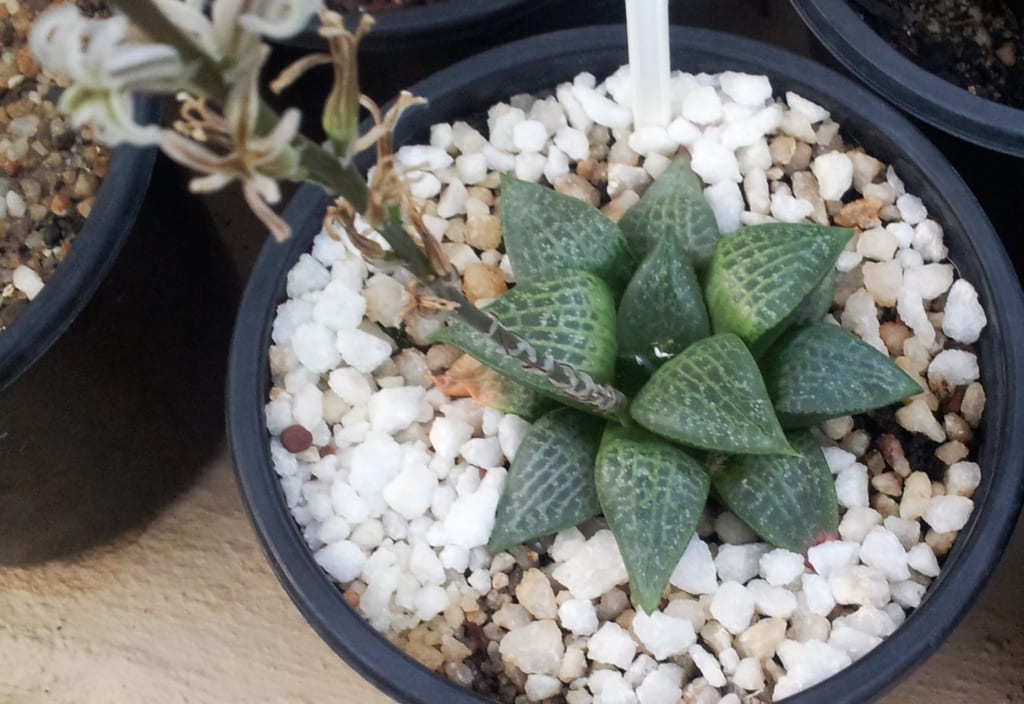
Haworthia comptoniana (Haworthia emelyae var. comptoniana) is a succulent whose triangular leaves end in a flat, smooth window crossed by a net-like pattern of white speckles. It is larger than its close relative emelyae and is basically green in color. Rosettes measure 5–9 cm across (up to about 12 cm in larger plants), with leaves 4–5 cm long. It is rated for intermediate growers because it dislikes stuffy, soggy conditions, but once you find the right spot and watering rhythm it makes a long-term companion. In habitat, plants are said to live roughly 15–20 years.
View 康普顿十二卷 encyclopedia →成交手续费0%!2026年9月30日前注册,前 2 株免佣金!
生产者 招募中!
在GrowerDirect上销售,直接面向全国客户销售吗?
GrowerDirect的 6 项透明性承诺
生产者在多肉植物与仙人掌上架时将明示以下信息。确保品种、产地、所需光照、栽培难度的透明性。
- 品种明示
- 实物照片
- 色泽
- 产地明示
- 所需光照
- 难度明示
查看全部131个品种
没有符合条件的商品
请调整筛选条件,或在有新商品时接收通知。
「接收上架通知」需免费注册会员即可设置。当有符合您保存条件的新商品上架时,我们会通过邮件和站内通知提醒您。
已注册的生产者(抢先看)
康普顿十二卷的基本数据
- 养护难度
- 适合中级者
- 寿命
- 自生地约15-20年
- 体型
- 莲座直径5-9(~12)厘米,叶长4-5厘米
- 浇水
- 春秋生长期施用少量缓释肥料或液肥
- 日照与位置
- 全年应在明亮的半阴环境中培养。强烈的直射日光会损伤窗口的颜色和饱满度。
- 浇水
- 这是春秋型植物,春季(3-6月)和秋季(9-11月)为生长期,需要定期浇水。当土壤表面干燥时充分浇水,夏季和冬季减少浇水使其休眠。
- 温度与越冬
- 安全培养的最低温度为5℃。土壤干燥的情况下可耐短期低温,但要避免霜冻。
- 基质与换盆
- 用排水性良好的土壤种植,在生长期开始前或初期进行换盆。
- 繁殖方法
- 由于产生子株较少,可通过叶插、根插或播种来繁殖。若要保持具有美丽图案的植株的相同形态,应采用叶插等从植株分离的繁殖方法。
- 病虫害与注意事项
- 花部可能会受到介壳虫或蚜虫的侵害,根部可能被根粉虱寄生。土壤过湿时还需注意蘑菇蝇幼虫的危害。
关于康普顿十二卷
Haworthia comptoniana is a succulent with flat leaf windows and a net-like pattern of white speckles. Rosettes reach 5–9 cm, leaves 4–5 cm, and it suits intermediate growers. Learn its features, care basics and how to choose a plant.
开始养护康普顿十二卷前需要了解的7件事
1Know the difficulty
This species is rated for intermediate growers. Its roots are easily damaged by stuffy air or too much water, so some experience with placement and watering helps. If you have grown a succulent before, you can start without much trouble.
2Bright shade is best
Soft light through a sheer curtain or bright shade suits it well. Strong direct sun can scorch the windows and leaf tips and leave marks, so shade it in summer. With too little light the leaves stretch and lose their compact shape.
3Water after it dries
Wait until the soil is fully dry, then water until it runs out of the drainage holes. Pour at the base of the plant, since water left in the center of the rosette can cause rot. Soil that stays constantly damp leads to root rot.
4Fast-draining soil
Mixing pumice or akadama-type grit into a succulent potting mix improves drainage and makes the plant easier to keep. Because it sends roots down deep, a slightly deeper pot works well. An unglazed terracotta pot, which breathes well, is another good option.
5Repot spring or fall
Repot about every one to two years in spring or fall, when the plant is actively growing. Shake off the old soil lightly, trim only damaged roots, and set it in fresh mix. Waiting a few days before the first watering helps prevent root damage.
6Getting through seasons
It grows best in spring and fall. In midsummer, keep it in airy, bright shade and water sparingly so it can rest. In winter, protect it from frost and freezing, and keep it fairly dry in a bright indoor spot.
7Choosing a plant
Look for a plant with clear windows, free of cloudiness or dents, and a well-defined net pattern. Check that the leaves are firm, the base does not wobble, and there is no discoloration where the leaves join the stem. If a photo is unclear, ask the seller about the plant's condition and how it has been grown.
康普顿十二卷的常见问题
- Q.Can a beginner grow it?
- A.It is rated for intermediate growers. Beginners may feel more comfortable after getting used to basic succulent care, such as placement and watering. If you keep to a fairly dry routine, it is still possible to give it a try.
- Q.How large does it get?
- A.The rosette is usually 5–9 cm across, up to about 12 cm in larger plants, with leaves 4–5 cm long. It is larger than its close relative emelyae.
- Q.How often should I water it?
- A.Go by the soil rather than the calendar: water thoroughly once it has dried out completely. Cut back in midsummer and in winter.
- Q.What is the leaf window?
- A.The window is the translucent area at the leaf tip, a feature seen across the Haworthia group. In this variety it is flat and smooth, crossed by a net pattern with white speckles. Sun damage tends to leave marks, so grow it with some shade.
- Q.How long can it live?
- A.In its natural habitat it is said to live about 15–20 years. Lifespan in a pot depends on conditions and care, so good drainage and airflow are the key to keeping it for a long time.
康普顿十二卷种植的实用工具
在图鉴中详细了解康普顿十二卷
查看康普顿十二卷的图鉴条目 →
收录栽培难度、尺寸、原产地、日照等基础数据。