跳转到主要内容
景天

景天

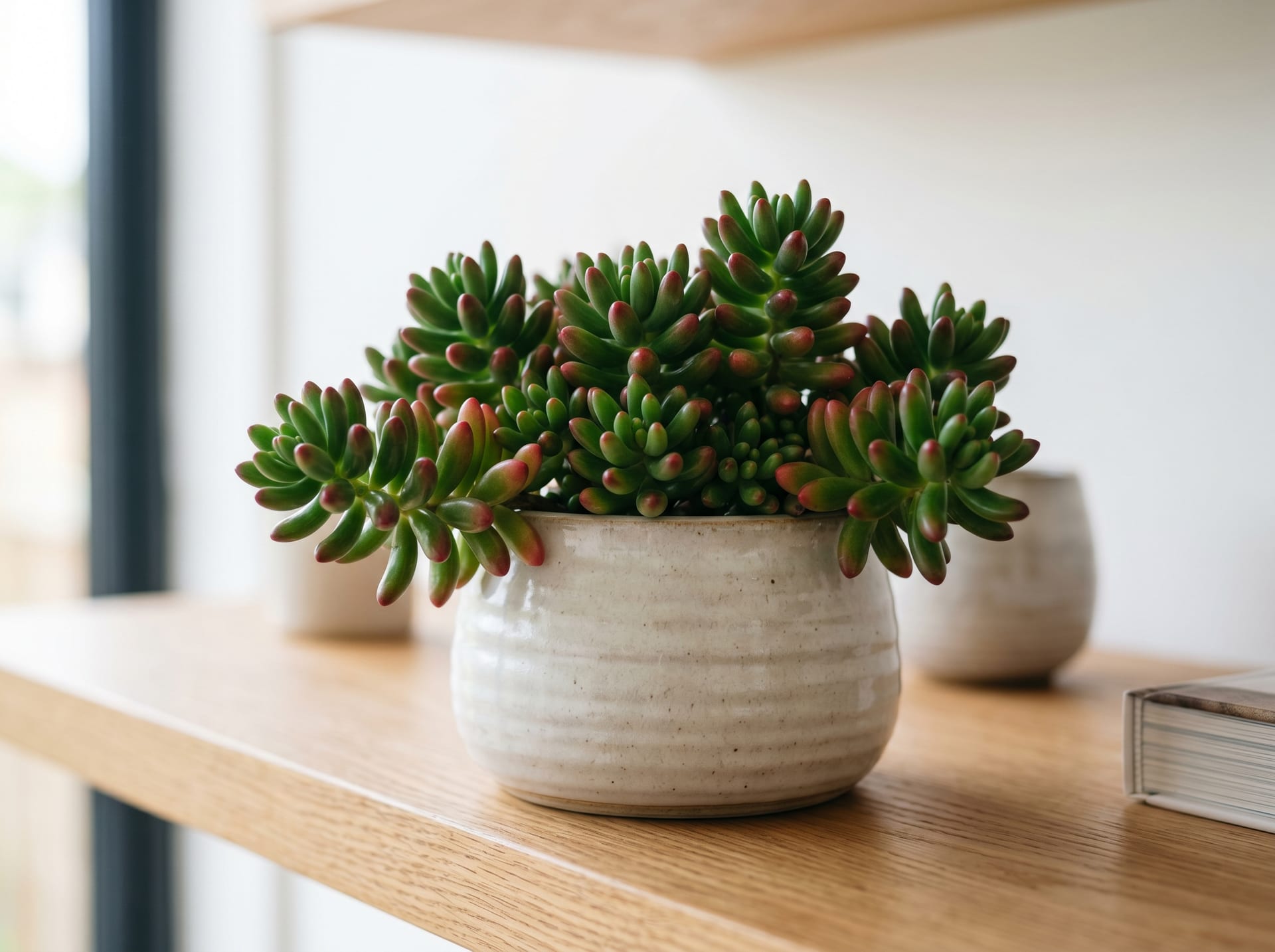
Most species-rich succulent genus. Hardy enough for ground cover. Jelly Bean and Aurora are popular varieties.

View 景天 encyclopedia →
限时活动

前3笔销售免佣金!在2026年8月31日前注册生产者账户 → 前3笔成交的手续费免费!

栽培者 招募中!

在BoTachoku上销售,直接面向全国客户销售吗?

免费注册无月费仅在成交时收取佣金
立即免费注册

ボタちょく的 6 项透明性承诺

栽培者在多肉植物与仙人掌上架时将明示以下信息。确保品种、产地、所需光照、栽培难度的透明性。

  • 品种明示
  • 实物照片
  • 色泽
  • 产地明示
  • 所需光照
  • 难度明示
0 items

没有符合条件的商品

请调整筛选条件,或在有新商品时接收通知。

「接收上架通知」需免费注册会员即可设置。当有符合您保存条件的新商品上架时,我们会通过邮件和站内通知提醒您。

查看其他分类

已注册的栽培者(抢先看)

想上架多肉植物与仙人掌吗?

注册成为栽培者,即可与买家直接联系。

申请成为栽培者

景天的基本数据

养护难度
适合新手
寿命
10+ years
体型
5-30cm (varies by variety)
适宜温度
-5〜35℃
Sunlight
Loves sunlight. Can grow outdoors
Watering
When soil fully dries. Less is fine
Cold tolerance
Some varieties tolerate down to -10°C
Propagation
Easy propagation by leaf or stem cuttings
Notes
Sensitive to overwatering — use well-draining soil
特征HardyMany varietiesEasy propagationGround cover

关于景天

Sedum is a large genus of succulents in the family Crassulaceae, with over 600 species distributed primarily across the Northern Hemisphere. Its name derives from the Latin "sedere" (to sit), reflecting how it settles into dry, rocky terrain and stone walls. Leaf shapes range from plump, bead-like forms to flat rosettes, and many varieties offer striking visual interest — Sedum rubrotinctum (Jelly Beans) blushes deep red in autumn, while Aurora blends soft pink and green year-round. As a group, Sedum is notably tough, tolerating drought and heat with ease, making it suitable both as outdoor ground cover and as a compact indoor plant. Given the right conditions, individual plants can live for over a decade, rewarding patient growers with steady, satisfying growth. The ease of leaf propagation is another draw, allowing collectors to multiply their plants and experiment with creative arrangements.

开始养护景天前需要了解的7件事

  1. 1Sunlight Is Key

    Sedums thrive with 4–6 or more hours of direct sunlight daily. Insufficient light causes etiolation—stems stretch and lose their compact form. Grow them outdoors or place them on a bright south-facing windowsill indoors.

  2. 2Avoid Overwatering

    Root rot in sedums is almost always caused by overwatering. Wait until the soil is fully dry for several days before watering thoroughly. In winter, when growth slows, reduce watering to once or twice a month.

  3. 3Use Well-Draining Soil

    Use a dedicated succulent mix or combine akadama with pumice for excellent drainage. Standard potting soil retains too much moisture for sedums. Always use a pot with drainage holes and add a layer of gravel at the bottom.

  4. 4Cold Hardiness Varies by Variety

    Cold tolerance varies significantly among sedum varieties. Some, like Rubrotinctum, can handle temperatures around 5°C, but many are vulnerable to frost and freezing. Move plants under eaves or indoors in winter according to each variety's needs.

  5. 5Easy Propagation by Leaf

    Sedums propagate easily from individual leaves or stem cuttings. Simply place a healthy leaf on dry soil and wait for roots and new growth to appear. The high success rate makes propagation an enjoyable part of growing sedums, even for beginners.

  6. 6Fertilize Sparingly

    Sedums grow well in low-nutrient conditions, so excessive fertilizing is counterproductive. A diluted liquid fertilizer formulated for succulents, applied once a month during the growing seasons of spring and autumn, is sufficient. Over-fertilizing can cause etiolation and increase disease risk.

  7. 7Explore a World of Varieties

    The Sedum genus encompasses hundreds of varieties with an enormous range of colors, shapes, and sizes. From compact accent plants perfect for mixed arrangements to creeping types ideal as ground cover, the options are vast. Many enthusiasts find themselves drawn deeper into collecting as they discover new varieties.

景天的常见问题

Q.Can Sedum be grown indoors?
A.Sedum can be grown indoors on a bright, sunny windowsill. However, insufficient light causes leggy growth, so place it in the brightest spot available and aim for at least a few hours of direct sunlight each week.
Q.How often should I water Sedum?
A.Water only after the soil has dried out completely — roughly every two weeks in spring and fall, and once a month in summer and winter. Since drying time varies by season and location, check the soil with your finger before watering rather than following a fixed schedule.
Q.How can I get my Sedum to turn red?
A.Varieties like Sedum rubrotinctum color up in autumn when exposed to strong sunlight combined with cool temperatures and wide day-to-night temperature swings. From September to November, move plants outdoors or to a sunny window and reduce watering slightly to encourage the best color.
Q.Why are my Sedum leaves shriveling?
A.Shriveling leaves usually signal underwatering when the soil has been dry for too long. However, the same symptom can appear when root rot has set in, so check the soil and inspect the roots as well before simply increasing watering.

景天种植的实用工具

Learn more about 景天 in the encyclopedia

View 景天 encyclopedia entry →

Care difficulty, size, origin and light needs — all basics covered.

同分类的更多品种