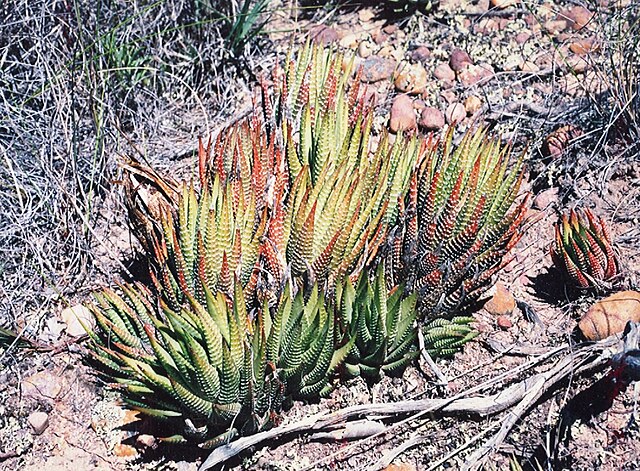
 © Abu Shawka / CC BY-SA 4.0
生产者 招募中!
在GrowerDirect上销售,直接面向全国客户销售吗?
GrowerDirect的 6 项透明性承诺
生产者在多肉植物与仙人掌上架时将明示以下信息。确保品种、产地、所需光照、栽培难度的透明性。
- 品种明示
- 实物照片
- 色泽
- 产地明示
- 所需光照
- 难度明示
查看全部131个品种
没有符合条件的商品
请调整筛选条件,或在有新商品时接收通知。
「接收上架通知」需免费注册会员即可设置。当有符合您保存条件的新商品上架时,我们会通过邮件和站内通知提醒您。
已注册的生产者(抢先看)
在品种图鉴中详细了解

关于多肉植物
在GrowerDirect的多肉植物分类中,您可以从生产者那里直接购买景天属、景天、十二卷属、伽蓝菜等个性十足的多肉植物。由于中间流通环节少,您可以在确认株形紧凑度、叶片状态和根部情况后再选择。多肉植物虽然耐干旱,但对浇水和光照管理需要一些技巧。建议了解其特性后再开始养护。
开始养护多肉植物前需要了解的7件事
1防止日照不足导致的徒长
多肉植物光照不足时,茎会细长,叶片间距增大,植株外形凌乱,形成徒长。一旦细长的部分形成后,无法恢复原状。基本原则是在光照充足的地方养护,室内时应放在最明亮的窗边等位置,确保充足的光照,这是保持紧凑、美观的原始形态的关键。
2节制浇水,留出干燥的时间
多肉植物的叶片和茎中储存着丰富的水分,因此不需要像其他植物那样频繁浇水。应该等到盆土完全干透后再浇水,然后等待下次干透的间隔。持续湿润的环境是导致烂根的最主要原因,所以要谨慎浇水,避免过量。
3使用排水性强的培养土
多肉植物需要排水性好的土壤。一般的观叶植物用土保水性太强,会导致根部长期保持湿润,容易烂根。使用市售的多肉植物专用土,或者用小粒赤玉土混合珍珠岩的高排水配方,可以让浇水后的多余水分快速排出,使根部健康生长。
4了解夏型、冬型等生长周期
多肉植物根据生长周期可分为春秋型、夏型和冬型。景天属和十二卷属于春秋型,伽蓝菜属于夏型等,不同种类各有不同。由于生长期和休眠期的浇水量差异很大,了解你所购多肉植物属于哪种生长类型,并根据生长期和休眠期调整管理方式,这是养护好多肉植物的关键。
5休眠期应进行少浇水管理
多肉植物在盛夏酷热和严冬时期会进入休眠状态,生长几乎停止。在这个时期如果像生长期一样浇水,根无法吸收水分,容易导致烂根。在休眠期应该大幅减少浇水,让植物在通风良好、凉爽或温暖的地方舒适度过,这是为下一个生长期做好准备的重要工作。
6警惕根腐烂和闷根的信号
叶片变得透明柔软、下层叶片脱落、茎基部发黑等现象都是根腐烂和闷根的信号。一旦发现,应尽早去除受损部分,将植物重新栽种在干燥清洁的土壤中,往往能够恢复。保持良好的通风环境,定期观察植物状态,可以帮助及时发现问题。
7向生产者确认植物株的状态和生长环境
Botachoku让您能够直接从生产者购买植物。您可以向卖家了解植物株的紧凑度、叶片是否受损、是否徒长、根系是否发达等情况。若了解植物之前的生长环境(室外或室内养护),将其带回家后就能更容易地调整光照和浇水,避免因环境骤变而导致的植物衰弱。
多肉植物的常见问题
- Q.初学者也能轻松养护的多肉植物有哪些?
- A.景天、风车草和部分易养的石莲花相对比较容易养护。建议先从容易入手的品种开始,掌握光照和浇水的技巧,之后再挑战养护难度较大的品种。
- Q.应该多久浇一次水?
- A.基本原则是等土壤完全干燥后再浇水。生育期干燥时浇足量,休眠期则大幅减少浇水。不要按固定天数浇水,而应根据土壤干燥程度和植物的生育周期来判断。
- Q.茎部伸长,植株显得疏散。
- A.这是光照不足引起的徒长现象,一旦植株伸长就无法恢复原来的株型。如果需要重新整形,可将伸长的部分剪掉,晾干切口后进行扦插繁殖,并在更明亮的环境中培育,即可长出紧凑的株型。
- Q.叶片呈半透明状且变得柔软。
- A.这往往是浇水过多或通风不良导致根部腐烂的信号。移除受损的叶片和根系,用干燥的培养土重新种植,并在通风良好的地方保持偏干,可能会逐步恢复。
- Q.夏季和冬季应如何管理?
- A.许多多肉植物在酷暑和严寒时期会进入休眠。休眠期间要大大减少浇水,夏季要注意通风和遮光,冬季要注意保暖,这样它们才能平稳度过,为生长期做好准备。
多肉植物种植的实用工具
多肉植物相关专栏
秋冬多肉红叶培养与着色策略|变红、紫、黑的变色机制与管理技巧
讲解引出多肉植物红叶的光照、温差、浇水管理技巧。介绍无法着色的原因、故障排除、红叶漂亮的品种选择。
生石花(活宝石)的培养与繁殖~季节管理与分球技巧完全版
在多肉植物中具有独特形态的生石花。需要独特的季节模式和高度的土壤与水分管理。详细解释按类别美化繁殖的专业技巧。
夏型多肉植物的秋季准备管理
介绍夏型多肉植物的秋季管理。包括9-11月植株的变化、逐步减少浇水的时机、从室外移至室内的放置位置和温度管理、秋季施肥和病虫害防治,以及品种特异性的检查要点,为冬季休眠做好准备。
月兔耳(景天科伽蓝菜·绒毛伽蓝菜)完整养护指南|保持绒毛和边缘斑点美观的诀窍
月兔耳(景天科伽蓝菜·绒毛伽蓝菜)因其叶片表面布满如兔耳般的柔软绒毛而受欢迎。本文详解了位置选择、浇水、土壤、繁殖方法等,帮助您保持绒毛和叶尖斑点的美观。
多肉植物粉蚧虫防治|早期发现、消除、预防的完整指南
粉蚧虫是一种容易隐藏在多肉植物叶基和新芽处的害虫。本文详细阐述了粉蚧虫的特征、发生环境、早期发现窍门、用棉签或酒精进行消除的方法,以及防止再发的管理习惯。
星球属的种植方法|通过断水管理和夏型休眠周期预防根腐
讲解仙人掌星球属的种植方法。介绍从生长期的浇水和光照管理、休眠期的断水、春季恢复浇水的时间等季节性管理。