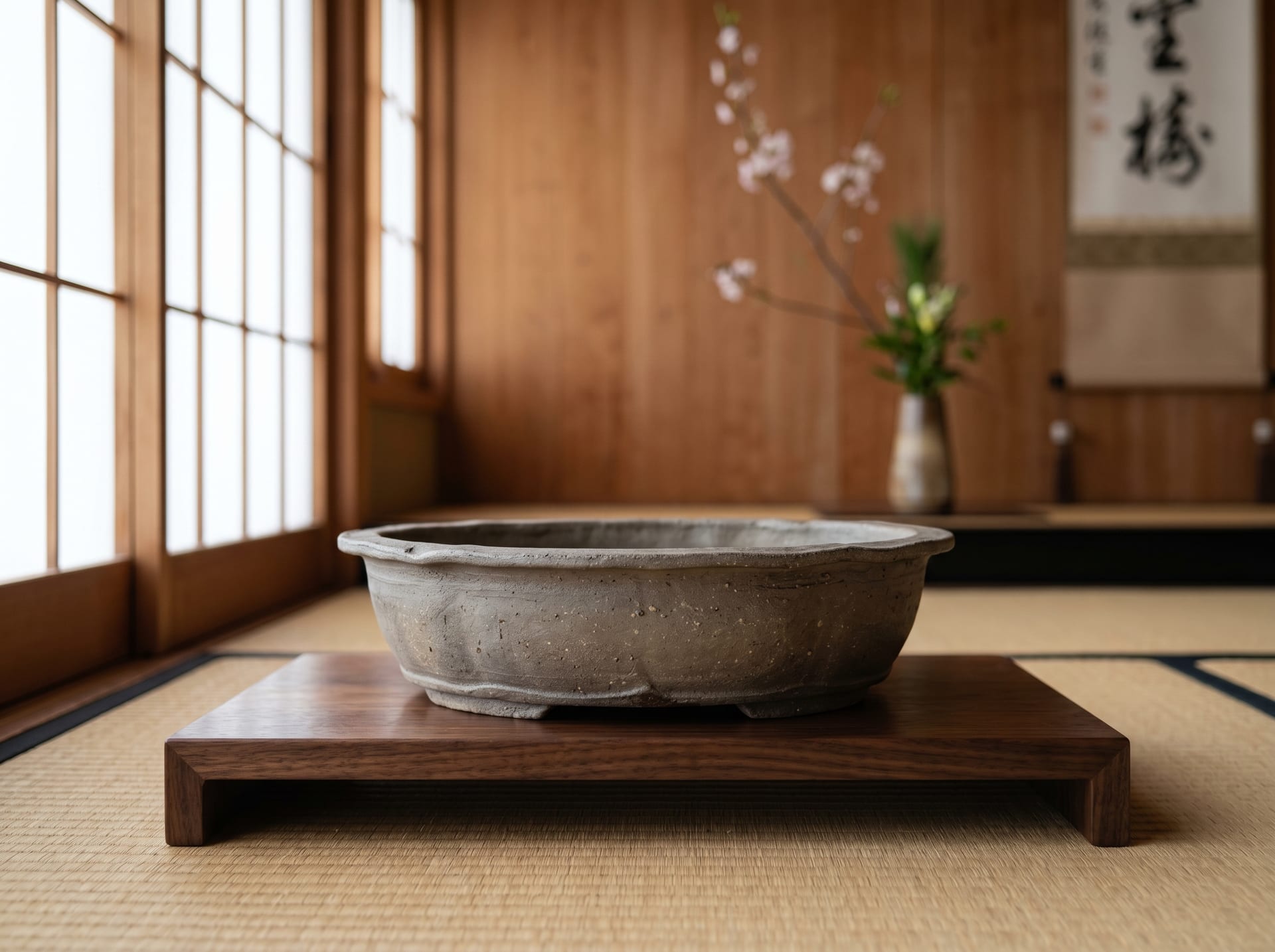
盆栽盆
Bonsai pots are an essential element of bonsai, directly affecting root development, drainage, and the overall aesthetic of the composition. The choice of pot material, shape, and size is considered part of the artistic expression itself. From unglazed stoneware and glazed ceramics to mud-fired and concrete pots, there is a wide variety to explore for beginners and experts alike.
前 3 筆銷售免佣金!於2026年8月31日前登記生產者→前3筆成交的手續費免費!
栽培者 招募中!
在 ボタちょく 上架,直接銷售給全國的客戶吧!
ボタちょく承諾的 6 項透明性重點
盆景的出品中,栽培者將明示以下資訊。確保樹種、產地、所需光照、栽培難度的透明度。
- 樹種明示
- 實物照片
- 色澤
- 產地明示
- 所需光照
- 難度明示
已註冊的栽培者(搶先看)
關於盆栽盆
The bonsai pot traces its origins to Chinese penjing culture and is believed to have arrived in Japan around the Kamakura period. Initially dominated by Chinese imports, domestic production flourished from the Edo period onward in regions such as Tokoname, Banko, and Shigaraki, giving rise to pots that reflect distinctly Japanese aesthetics. Visually, bonsai pots encompass an enormous range of forms—from the earthy, unassuming surface of unglazed stoneware to the vivid color and sheen of glazed ceramics. Functionally, a pot must balance breathability, drainage, and moisture retention, all of which directly affect root health. Because the ideal choice depends on the species, style, age, and display setting of the tree, pot selection becomes increasingly rewarding as experience grows. Signed pots by master craftspeople can carry antique value and are sought by collectors within the bonsai community.
開始照料盆栽盆前需要了解的7件事
1Material Matters
Unglazed stoneware offers excellent breathability and drainage, making it well-suited for woody bonsai species. Glazed pots retain more moisture and are better for herbaceous or delicate species. Matching pot material to your tree's needs directly affects how easy the plant is to maintain.
2Size to Match the Tree
Oversized pots can lead to poor drainage and root rot. As a general guideline, pot width should be about two-thirds of the tree's height, and depth roughly equal to the trunk's diameter. These ratios vary by species and style, so consulting a specialist is helpful when starting out.
3Check the Drainage Holes
Bonsai pots must have drainage holes, and too few or too small holes will cause waterlogging. It is common practice to cover holes with mesh to prevent soil washout while still allowing water to drain freely. Always check the number and size of drainage holes before purchasing a pot.
4Shape and Tree Style
Rectangular or oval pots complement formal upright and informal upright styles, while round or hexagonal shapes suit clump-style or literati trees. Shallow pots emphasize surface roots, while deeper pots accentuate the strength of upright trunks. Matching pot shape to tree style is a fundamental principle of bonsai aesthetics.
5Old vs. New Pot Pricing
Antique pots from renowned Chinese or Japanese kilns can cost tens of thousands of yen or more. Modern domestic or contemporary artist pots are available from a few thousand yen and are a practical choice for beginners. Starting with affordable practice pots to develop repotting skills is a sensible approach.
6Handling Pots at Repotting
At repotting time, inspect pots for cracks or chips, and clean and disinfect them before reuse if needed. Old roots and soil left in the pot can harbor disease, so thorough scrubbing with a brush is important. Using a cracked pot risks damaging the tree, so replace it promptly.
7Pots as Display Elements
When displaying bonsai in an alcove or exhibition, the pot's color, texture, and shape are evaluated for harmony with the tree's seasonal mood and character. Ornate glazed pots suit flowering or fruiting species, while subdued stoneware complements deciduous or conifer bonsai. There is also a tradition of appreciating pots as artistic objects in their own right.
盆栽盆的常見問題
- Q.What type of pot is recommended for beginners?
- A.Start with an affordable unglazed stoneware or practical domestic pot with adequate drainage holes. The common approach is to use a functional pot while learning, then select a display pot suited to the tree once you have gained some experience.
- Q.How do I choose the right pot size?
- A.Aim for a pot width of roughly two-thirds the tree's height and a depth similar to the trunk's diameter. Since the ideal size also depends on the tree's style and root spread, placing the tree beside candidate pots to check overall proportion is the most reliable method.
- Q.When should I use glazed versus unglazed pots?
- A.Unglazed pots excel in breathability and drainage, making them well suited to pines and junipers. Glazed pots retain more moisture and are a better match for deciduous trees, flowering species, and fruiting varieties such as maple, cherry, and plum.
- Q.What should I watch out for when buying used or antique pots?
- A.Always check for cracks, chips, and blocked drainage holes. If old soil or moss remains, scrub the pot thoroughly with a brush and water before use. Since counterfeits do circulate, it is safest to purchase expensive signed pots through reputable specialist dealers or established auctions.
- Q.How should I care for and store bonsai pots?
- A.After use, remove all soil, wash with water, and allow the pot to dry completely before storing. Unglazed pots can crack in freezing temperatures, so store them indoors or in a frost-free location during winter. Glazed pots may suffer glaze damage from sudden temperature changes, so avoid exposing them to rapid cooling during storage.