跳轉到主要內容
草物/山野草

草物/山野草

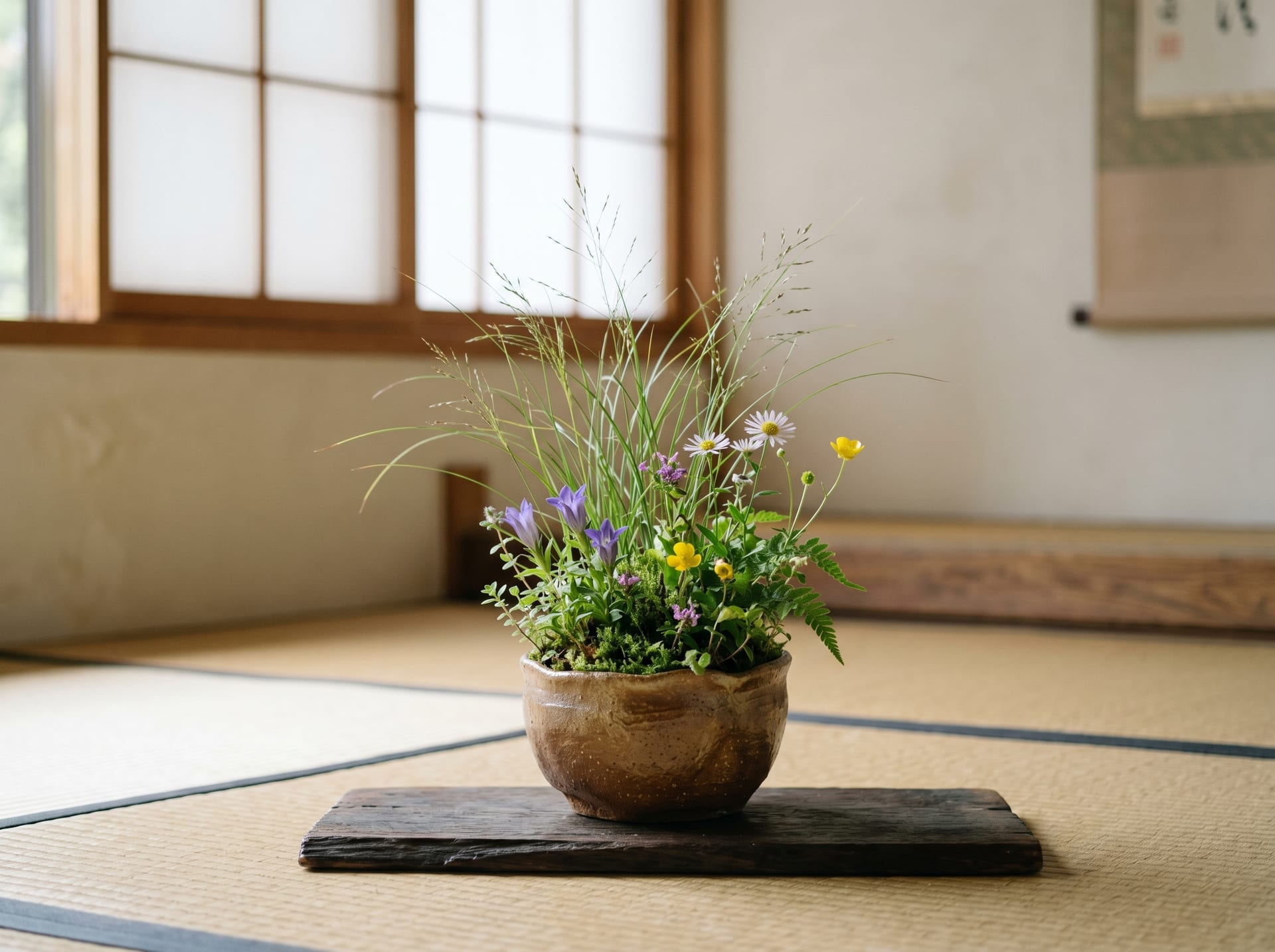
Kusamono and Sansousou (wild grass and mountain plants) is a genre of bonsai that displays native herbaceous plants—such as violets, geraniums, and bellflowers—in small pots or rustic containers, bringing the scenery of mountain fields to your fingertips. Each season reveals different flowers and foliage, offering a quiet connection to the rhythms of nature. More compact and accessible than tree bonsai, it is an ideal entry point for beginners.

限時優惠

前 3 筆銷售免佣金!於2026年8月31日前登記生產者→前3筆成交的手續費免費!

栽培者 招募中!

在 ボタちょく 上架,直接銷售給全國的客戶吧!

免費註冊無月費僅在銷售時收取佣金
立即免費註冊

ボタちょく承諾的 6 項透明性重點

盆景的出品中,栽培者將明示以下資訊。確保樹種、產地、所需光照、栽培難度的透明度。

  • 樹種明示
  • 實物照片
  • 色澤
  • 產地明示
  • 所需光照
  • 難度明示
0 items

沒有符合條件的商品

請調整篩選條件,或在有新商品時接收通知。

「接收上架通知」需免費註冊會員即可設定。當有符合您儲存條件的新商品上架時,我們會以郵件和站內通知提醒您。

查看其他分類

已註冊的栽培者(搶先看)

想上架盆景嗎?

註冊成為栽培者,即可與買家直接聯繫。

申請成為栽培者

關於草物/山野草

The tradition of kusamono bonsai traces back to the Edo period, when samurai families and townspeople began potting wild herbs and grasses collected from hillsides and riverbanks — a practice called kusamono kazari. In formal bonsai exhibitions, these compositions were displayed as companion pieces alongside tree bonsai, playing a supporting role that set the seasonal mood of the entire display. The plants used span a wide range: violets, campanulas, cranesbills, saxifrages, great burnets, and many other native wildflowers anchor the tradition. What unites them visually is a quality of rusticity and transience — a small pot that captures the essence of mountain and meadow. Even after flowering, the foliage, seed heads, and autumn color remain points of appreciation. Because kusamono grow and change rapidly compared to trees, they need repotting every one to two years, which also means mistakes are quickly corrected and growers can experiment freely. Today kusamono continue to attract quiet enthusiasm as living décor that draws the rhythms of nature directly into daily life.

開始照料草物/山野草前需要了解的7件事

  1. 1Keep Outdoors as a Rule

    Since these plants are adapted to natural outdoor conditions, they should generally be kept in a well-ventilated outdoor spot. Move them to partial shade during intense summer sun, and adjust placement with the seasons. Indoors, insufficient light and humidity often cause weak, leggy growth.

  2. 2Water with Clear Wet-Dry Cycles

    Water thoroughly once the topsoil dries out, and never let water pool in saucers. Root rot is the biggest threat to wild plants, and prolonged waterlogging causes rapid decline. In summer, water in the cool morning hours to prevent the pot from overheating.

  3. 3Choose Fast-Draining Soil

    Use dedicated sansousou soil, or a blend of akadama, Kiryu sand, and pumice for excellent drainage. Standard potting compost retains too much moisture and easily causes root rot. When repotting, trim old roots and refresh the soil to maintain healthy growth.

  4. 4Repot During Dormancy

    The best time to repot most wild plants is just before spring budding (February–March) or when growth slows in autumn (September–October). Repotting during active growth stresses the roots and can weaken the plant. Repotting every one to two years prevents root binding.

  5. 5Fertilize Lightly and Sparingly

    Wild plants naturally grow in nutrient-poor soil, so excess fertilizer causes leggy growth or root damage. During the growing season, apply liquid fertilizer diluted to half the recommended concentration once or twice a month. Stop fertilizing entirely during winter dormancy.

  6. 6Protect from Frost in Winter

    Most native species need a period of cool dormancy to form next spring's flower buds. However, hard frost and freezing can damage roots and buds, so move pots under eaves or into a simple cold frame to block frost while keeping them cool. Bringing them into a warm room disrupts dormancy and can reduce spring flowering.

  7. 7Know Each Plant's Bloom Season

    Bloom times vary widely among wild plant species—spring, summer, or autumn—so combining several varieties allows you to enjoy year-round interest. Regularly deadheading spent flowers prevents the plant from spending energy on seed production, prolonging the plant's vigour. Check the bloom season and preferred conditions of each variety at the time of purchase to make care easier.

草物/山野草的常見問題

Q.Can a complete beginner start with kusamono bonsai?
A.Yes. Kusamono grow and change faster than tree bonsai, so mistakes are easier to correct and the learning curve is gentler. Starting with hardy, readily available plants such as violets or saxifrages is a good way to build confidence before moving to more demanding species.
Q.Can I grow kusamono on an apartment balcony?
A.Many kusamono do well on a balcony that receives morning sun and has reasonable air circulation. Hot afternoon sun in summer and drying winter winds can stress the plants, so adjusting the position of your pots seasonally will make a significant difference.
Q.How should I care for kusamono after flowering ends?
A.Remove spent flower stems at the base to redirect the plant's energy into foliage and root development. Continue regular watering and fertilizing through autumn so the plant builds strength for next year's bloom. If you want to collect seeds, leave one or two flower stalks in place until the seed heads ripen.
Q.What is the difference between kusamono and sansoya (alpine wildflowers)?
A.The terms are often used interchangeably. Kusamono refers to the bonsai styling and display practice, while sansoya (mountain and field grasses) describes the plants themselves — native herbaceous species found in the wild. In practice, potting sansoya plants in a bonsai style is what most people mean by kusamono bonsai.
Q.How much does it cost to get started?
A.Starter plants typically cost a few hundred to a few thousand yen, and total setup costs including a pot and soil run roughly 2,000 to 5,000 yen per plant. You need little more than a pair of bonsai scissors and a narrow-spout watering can to begin. Rare species and mature specimens command higher prices, but as hobbies go, kusamono is relatively inexpensive to start.

草物/山野草栽培的實用工具

同分類的更多品種