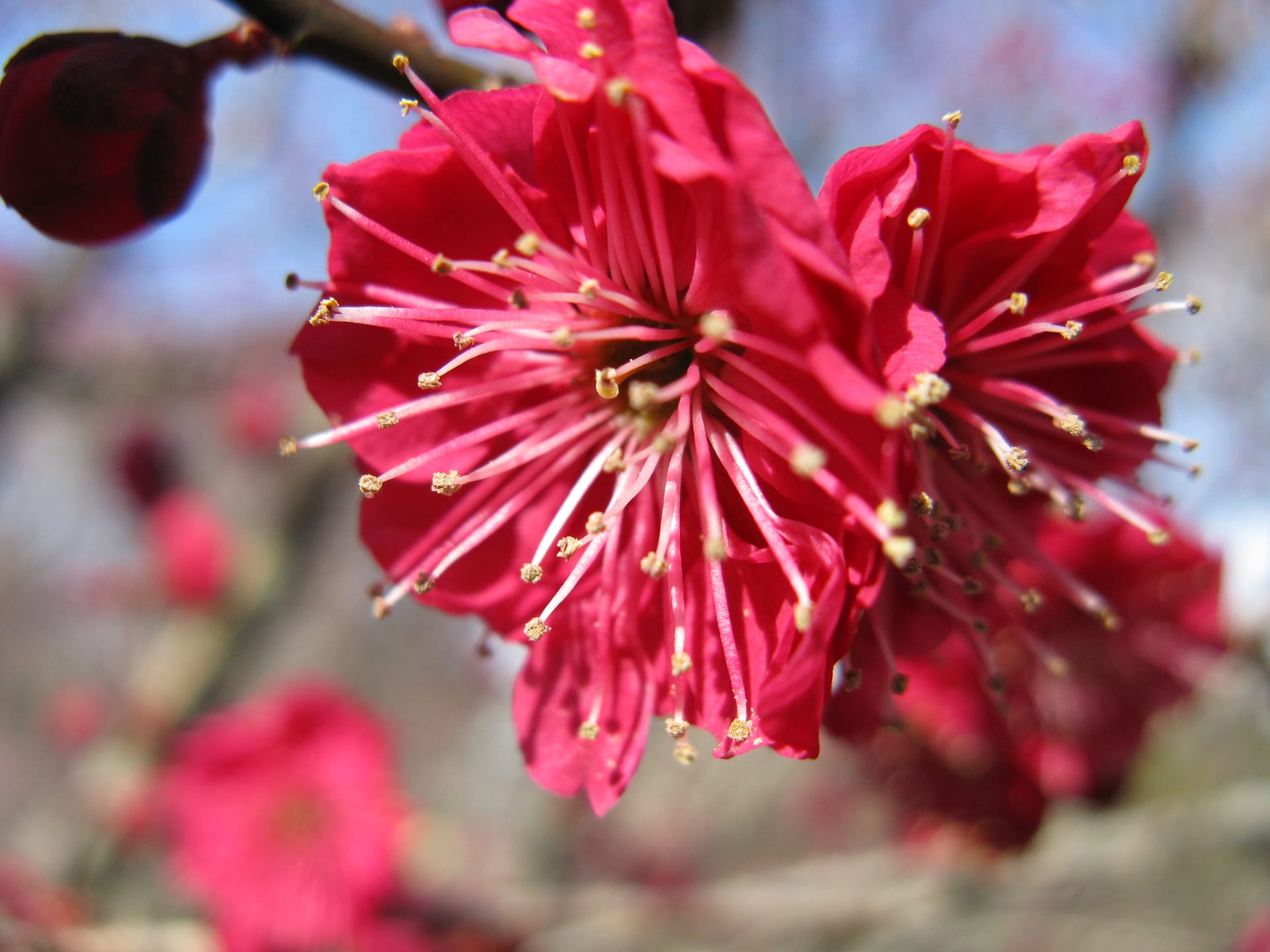
 © KENPEI / CC BY-SA 3.0
八重寒紅梅
Yae-kanko is a strikingly early-blooming Japanese apricot cultivar belonging to the "kanbai" (cold-season ume) group. Its deep red, double-layered blossoms open while winter cold still lingers, generally appearing between the start of the coldest season and early February. In a cultivar comparison trial at a Fukui Prefecture agricultural experiment station, Yae-kanko flowered earlier than the other varieties tested, making it a well-known representative of early-flowering ume. As a bonsai, it can be trained to suit the size of its pot, letting even a small planting show off vivid winter color. Because ume bonsai calls for some baseline pruning and care knowledge, this variety is generally considered better suited to growers with some prior experience, but the reward is a burst of rich red blossom at the coldest point of the year.
View 八重寒紅梅 encyclopedia →成交手續費 0%!2026年9月30日前註冊,前 2 株免佣金!
生產者 招募中!
在 GrowerDirect 上架,直接銷售給全國的客戶吧!
GrowerDirect承諾的 6 項透明性重點
盆景的出品中,生產者將明示以下資訊。確保樹種、產地、所需光照、栽培難度的透明度。
- 樹種明示
- 實物照片
- 色澤
- 產地明示
- 所需光照
- 難度明示
查看全部144個品種
已註冊的生產者(搶先看)
八重寒紅梅的基本資料
- 栽培難度
- 適合中級者
- 壽命
- 梅是長壽樹種,有樹齡400年的盆梅
- 體型
- 梅是高度3~10米的落葉小喬木。盆景中按鉢型修剪成形
- 澆水
- 肥料(花後的3~6月和9~11月。夏季停止)
- 日照與擺放位置
- 要開出花芽需從春季開始有充足的日照。放在日照充足、通風良好的地方,夏季因強光容易導致葉燒,應進行遮蔭
- 澆水
- 梅本性喜濕,有葉期間易乾燥。春秋每天1~2次,夏季2~3次,冬季每2~3天1次為目安,表土乾燥後澆透
- 溫度・越冬
- 冬季休眠。為防止盆土結凍或遲霜傷根,應在架下或室內等地保護
- 培養土・換盆
- 以赤玉土為主,混入約2成排水性良好的砂。換盆在萌芽前2月左右進行,與花後修剪同時進行。每1~2年1次,老樹每2~3年1次
- 施肥
- 喜肥樹種。花後3~6月持續少量施肥,形成花芽的夏季應停止,9~11月秋肥應充足。使用含磷較多的果花專用肥料較佳
- 修剪・整形
- 花開5~7分時摘除殘花,花後立即進行修剪。由於易生長長枝,5月左右摘除新梢以形成長有花芽的短枝(花芽於7~8月形成)
- 病蟲害・注意事項
- 蚜蟲、紅蜘蛛、介殼蟲、蛀幹的木蠹蛾(有樹脂流出)、白粉病・黑星病等應防範。花梅對潰瘍病敏感,應避免強風
關於八重寒紅梅
Yae-kanko is an extremely early-blooming Japanese apricot with deep red double flowers, opening in the coldest weeks of winter. It flowered earliest in a Fukui Prefecture cultivar trial and suits intermediate bonsai growers.
開始照料八重寒紅梅前需要了解的7件事
1Keep It Outdoors in Full Sun
Yae-kanko is a sun-loving ume, so it should be kept outdoors year-round in a spot with plenty of light and good air circulation. Even during its winter bloom, it does best outside, since exposure to cold helps its flower buds develop properly. Extended time indoors can weaken the tree, so limit indoor display to short viewing periods.
2Water Thoroughly When Dry
Because bonsai pots hold little soil, they dry out quickly, so the basic rule is to water thoroughly once the surface of the soil feels dry. Pay extra attention during the bloom period and the early spring growth spurt, when the tree can dry out fast. At the same time, avoid letting water sit in the saucer, since constantly soggy soil can lead to root rot.
3Use Free-Draining Soil
Ume dislike staying wet, so use a well-draining, well-aerated mix built around akadama soil. A bonsai blend or a potting mix formulated for ume and flowering trees makes upkeep easier. Soil breaks down and drains less well over time, which is another reason regular repotting matters.
4Repot Regularly
Repot around February, before the buds break, together with the post-bloom pruning, roughly once every one to two years (every two to three years for old trees). Use an akadama-based mix with about 20 percent free-draining sand; repotting is also a good chance to prune roots and refine the shape. Afterward, watch for drying out and keep the tree out of harsh direct sun while it recovers.
5Prune and Feed After Bloom
Once flowering finishes, prune back overly long shoots promptly and leave the short spurs where next year's flower buds will form. Apply a slow-release fertilizer regularly during the growing season, cutting back in summer so the tree isn't overtaxed. Exposure to cold during winter dormancy also helps the flower buds mature fully.
6Keep Airflow Good to Deter Pests
Ume can attract aphids and scale insects, so thinning out crowded branches to keep air moving is a useful preventive step. If you spot a problem, deal with it promptly before it spreads.
7Check Branch Shape and Buds When Choosing
When selecting a tree, look for one with vigorous overall growth and no severe damage or dieback on the trunk or branches. If flowering is your main interest, check that the short spurs are carrying well-formed flower buds, which gives a good sense of how it will look in bloom. For bonsai styling, it also helps to pick a tree whose branch arrangement is already close to the shape you want.
八重寒紅梅的常見問題
- Q.When does Yae-kanko bloom?
- A.It's an extremely early-flowering cultivar that blooms in the depths of winter, from the start of the cold season through early February. It flowers noticeably earlier than most other ume varieties.
- Q.Is Yae-kanko suitable for beginners?
- A.Yae-kanko is generally considered a variety for intermediate growers, since it helps to already know the basics of ume bonsai care such as watering, pruning, and repotting. It suits people with some prior experience growing ume.
- Q.How large does it get as a bonsai?
- A.As a bonsai it is trained to match the size of its pot, so it can be kept compact in a container. Its shoots tend to grow long, so pinch them back to create the short branches that carry flower buds.
- Q.How long can this tree live?
- A.With ongoing care such as repotting and pruning, Yae-kanko can be enjoyed for many years.
- Q.What do the flowers look like?
- A.It produces deep red, double flowers with many overlapping petals for a showy bloom. Among kanbai (cold-season ume), it stands out for both its rich color and its very early flowering.
八重寒紅梅栽培的實用工具
在圖鑑中詳細了解八重寒紅梅
查看八重寒紅梅的圖鑑條目 →
收錄栽培難度、尺寸、原產地、日照等基礎資料。