Agave Overwintering Management | Cold-Hardy Varieties and Winter Protection Guide
Introduction to cold-hardy agave varieties and detailed explanation of winter protection measures (water restriction, moving indoors, insulating materials) for overwintering.
Key Takeaways
Introduction to cold-hardy agave varieties and detailed explanation of winter protection measures (water restriction, moving indoors, insulating materials) for overwintering.
Related Species
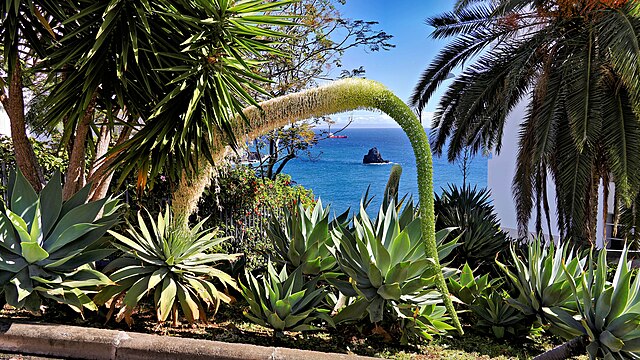
Agave Attenuata
View species details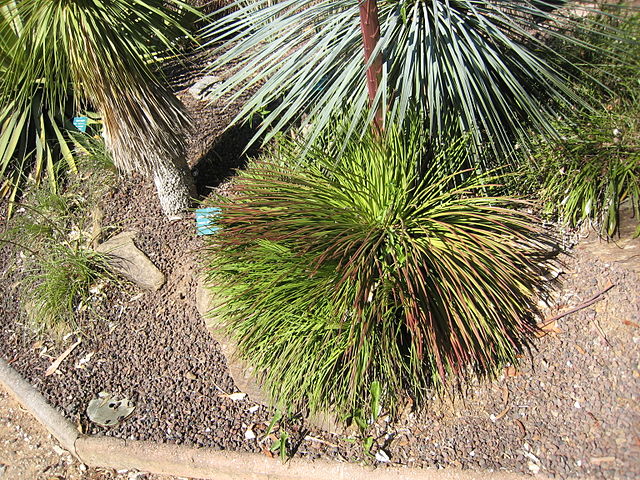
Twin Flower Agave
View species details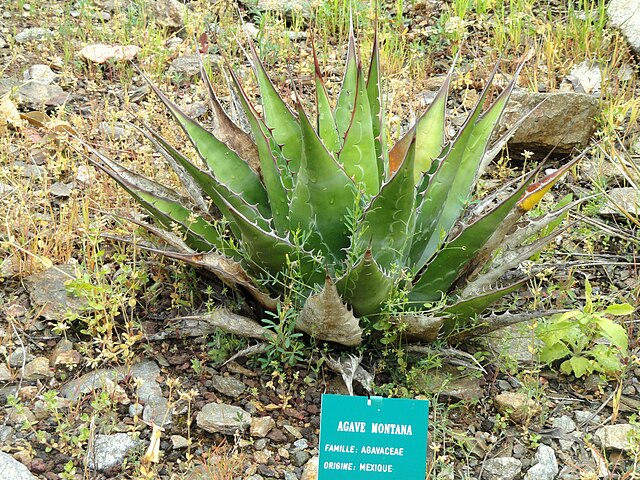
Mountain Agave
View species detailsAgave Neomexicana
View species details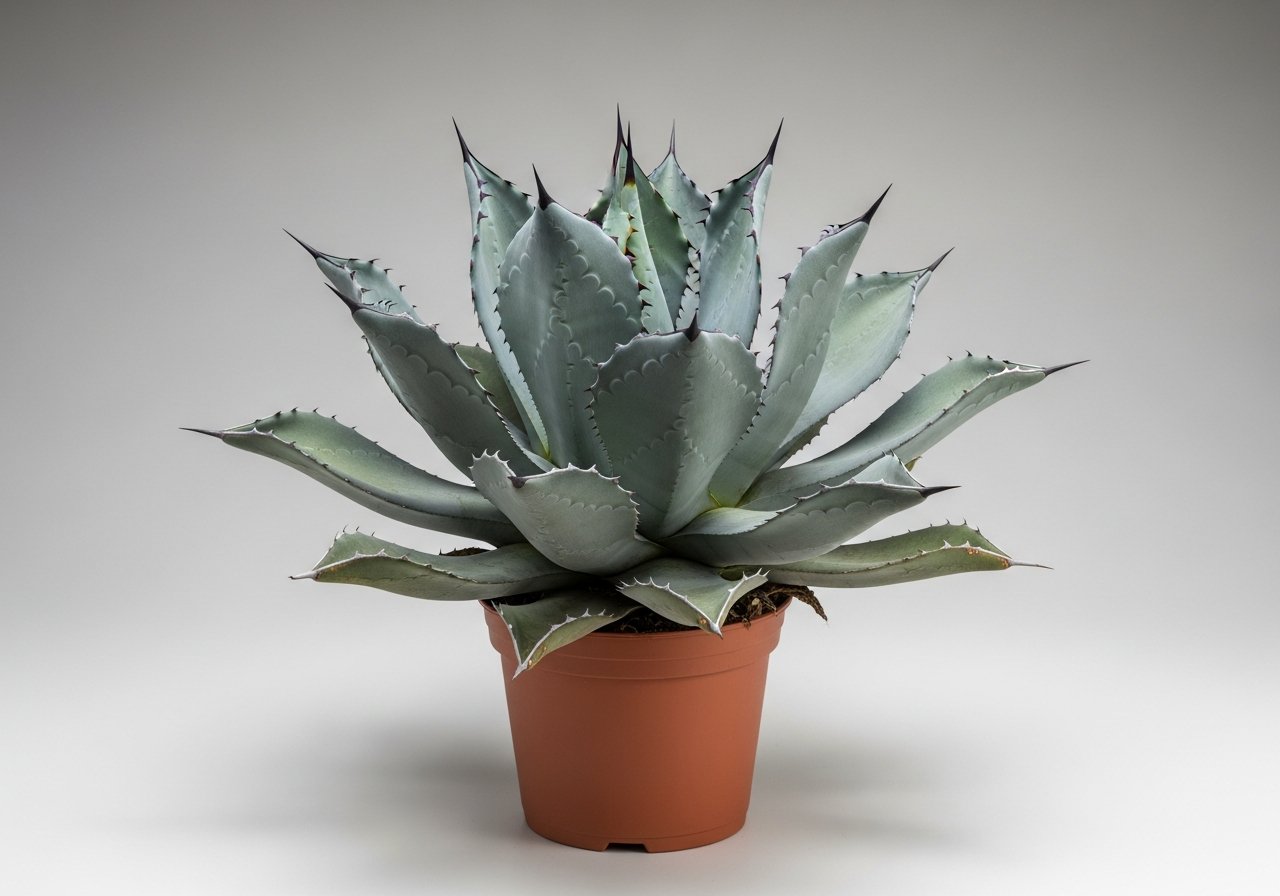
Whale's Tongue Agave
View species details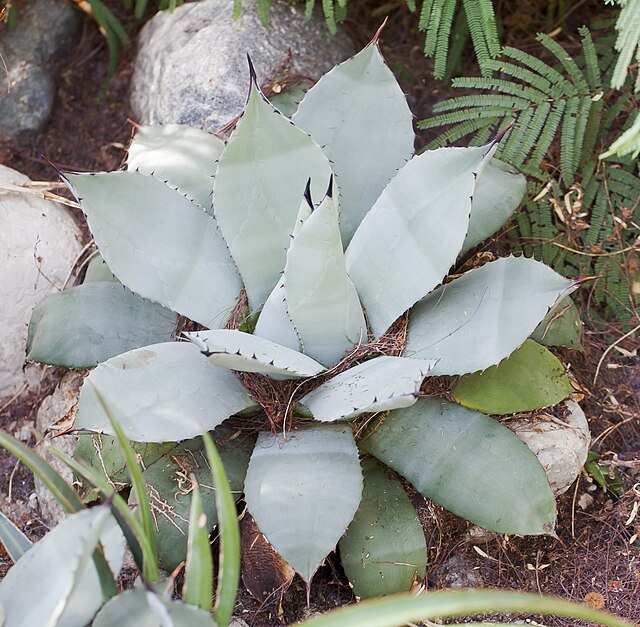
Agave Parryi
View species details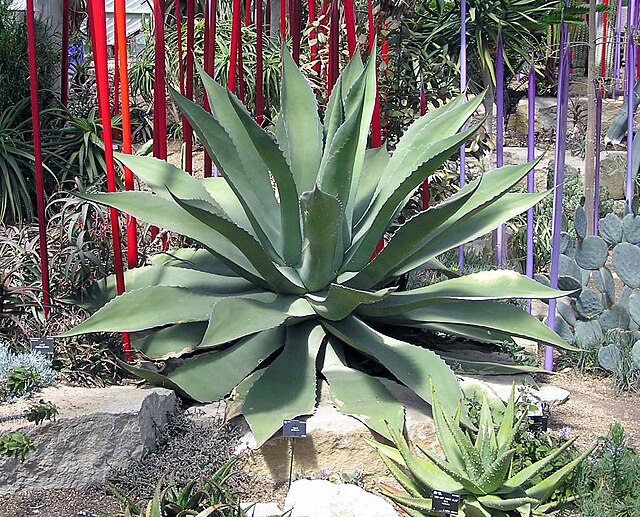
Agave Potatorum
View species detailsUtah Agave
View species detailsWhile agaves are often thought to be cold-sensitive due to their reputation as desert plants, in reality cold-hardiness varies greatly depending on the variety. Some varieties can tolerate temperatures below -10℃, while others suffer frost damage at 5℃. This article explains the cold-hardiness of each variety and effective overwintering measures.
Agave Cold-Hardiness Fundamentals
Agave cold-hardiness is greatly influenced by the altitude and climate of its native habitat. Species native to high-altitude regions of Mexico are cold-hardy because they are accustomed to cool nights, while species from low-altitude or tropical regions tend to be cold-sensitive.
Factors Affecting Cold-Hardiness
- Genetic cold-hardiness of each variety
- Plant size (larger specimens are more cold-hardy)
- Container vs. ground planting (container plants have roots that chill more easily)
- Humidity (cold damage is greater when plants are wet)
- Wind (cold wind significantly lowers perceived temperature)
Introduction to Cold-Hardy Varieties
Very Hardy (-15℃ and below)
- Agave parryi (A. parryi): One of the most cold-hardy agaves. Known for its beautiful blue-gray appearance and used for ground planting in cold regions.
- Agave neomexicana (A. neomexicana): Native to the American Southwest with exceptional cold-hardiness.
- Agave utahensis (A. utahensis): A small variety with high cold-hardiness that can overwinter under snow.
Hardy (-5℃ to -10℃)
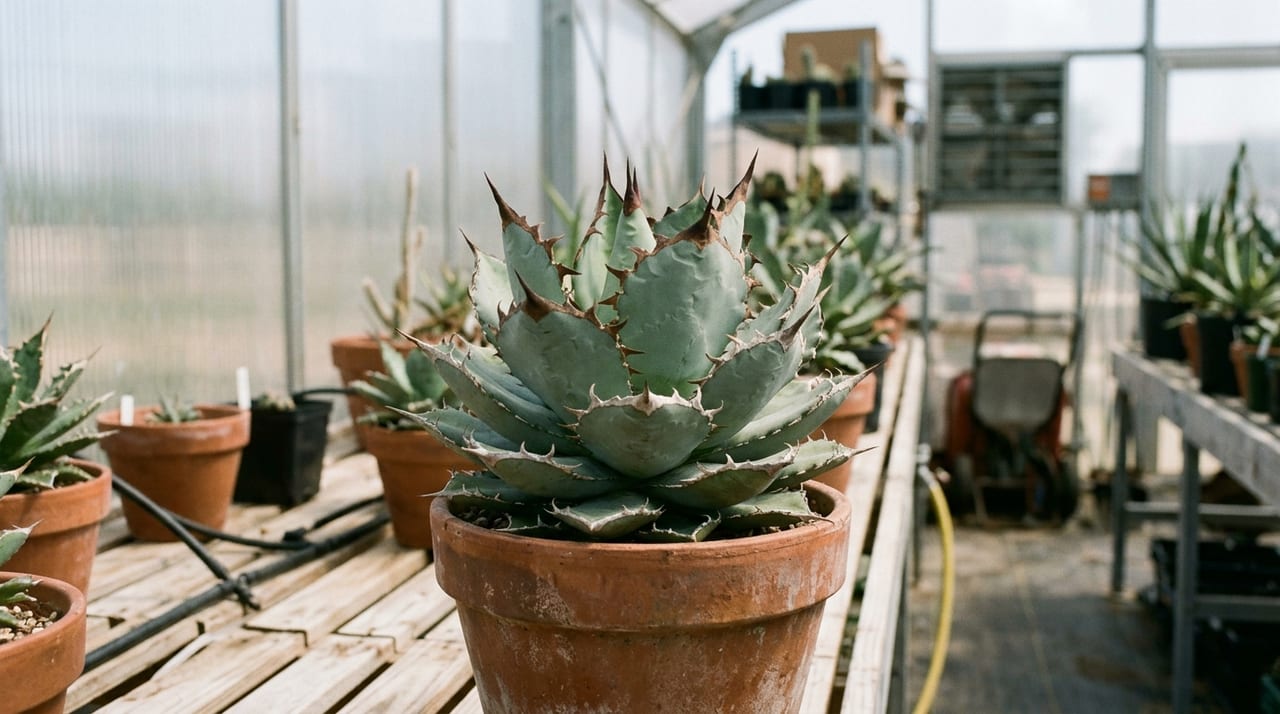
- Agave montana (A. montana): Native to high altitudes with good cold-hardiness. Characterized by broad leaves and red spines.
- Agave ovatifolia (A. ovatifolia): Popular for its beautiful blue-gray leaves and excellent cold-hardiness.
- Agave geminiflora (A. geminiflora): Distinctive for its thread-like leaf tips. Surprisingly cold-hardy.
Moderately Hardy (Hardy to 0–5℃)
- Agave titanota (A. titanota): Popular but not particularly cold-hardy. Best managed at 5℃ and above.
- Agave horrida (A. horrida): Beautiful spines but susceptible to frost damage.
Tender (Hardy to 5–10℃)
- Agave attenuata (A. attenuata): Popular for its thornless, soft appearance but cold-sensitive.
- Agave potatorum (Kisshoken, A. potatorum): Small and beautiful but with low cold-hardiness.
Basic Overwintering Measures
Water Restriction
During the winter dormancy period, reduce watering significantly or stop altogether. Agaves have higher cold-hardiness when kept dry. Lower internal water content makes plants less susceptible to freezing. From November through March, water lightly about once a month on warm mornings—that is sufficient.
Moving Indoors
Bring cold-tender varieties indoors before temperatures drop below 10℃. Place them in a bright, sunny spot near a window, avoiding direct exposure to heating vents.
Ensuring Adequate Light
It is important to provide as much sunlight as possible even in winter. Insufficient light weakens plants and affects spring growth. For indoor management, a south-facing windowsill is ideal.
Winter Protection Methods for Outdoor Overwintering
The following are winter protection methods for cold-hardy varieties overwintering outdoors.
Non-woven Fabric and Garden Insulation Cloth
Covering the entire plant with non-woven fabric blocks wind and reduces temperature drops. These materials are breathable, reducing rot, and can be left on for extended periods. Using 2–3 layers increases effectiveness.
Mulching
Apply bark mulch or rice hulls 5–10 cm thick around the plant base to prevent root freezing.
Insulating Containers
For container plants, place the pot in a polystyrene box or wrap it with bubble wrap for insulation. Burying the container partially in the ground is also effective.
Cold Frames
Plastic greenhouses and cold frames effectively protect from wind and frost. Ventilate on sunny days, as temperatures inside can rise significantly.
Rain and Snow Protection
Freezing while wet causes serious damage. Move plants under eaves or protect with corrugated panels or clear sheets.
Treatment for Frost Damage
Frost damage appears as leaves turning transparent to brown and becoming soft and mushy.
- Move to a warm location immediately (but avoid sudden temperature increases).
- Leave damaged leaves until they dry completely, then remove.
- If the growing point survives, new leaves may emerge and recovery is possible.
- Recovery may take several months, so manage patiently until spring.
Regional Overwintering Management Tips
Japan's north-south geography means overwintering difficulty varies significantly by region.
Kanto (Tokyo/Yokohama Area)
Minimum temperatures can drop to around -3 to -5℃. Parryi and Ovatifolia can overwinter outdoors with only non-woven fabric protection, but Titanota is safer brought indoors by early November. Urban areas are 2–3℃ warmer due to the heat island effect, so consider your specific location.
Kansai (Osaka/Kobe Area)
Slightly warmer than Kanto with minimum temperatures around -2 to -3℃. Cold-hardy varieties often overwinter under eaves. However, cold snaps can drop below -5℃, so monitor weather forecasts carefully.
Kyushu and Shikoku
A warm climate ideal for ground planting cold-hardy varieties. Parryi and Montana can overwinter without protection, and Titanota often overwinters under eaves. However, inland and mountainous areas are colder, so check your specific regional climate.
Tohoku and Hokkaido
Even the hardiest Parryi is risky for ground planting. Container growing with winter indoors is the standard approach.
Learning from Success and Failure Cases in Overwintering
Learn success and failure points from real overwintering cases.
Success Case: Parryi Ground Planting in the Kanto Region
A Parryi planted in a south-facing garden in Tokyo survived a -5℃ cold snap with only non-woven fabric protection. The keys to success were complete water restriction from November and 10 cm of gravel mulching at the base. When the non-woven fabric was removed in spring, the leaf tips had browned slightly, but the growing point was healthy and new leaves emerged by April.
Failure Case: Titanota Left Outdoors
It is not uncommon for Titanota to suffer frost damage when left outdoors even in November due to the false assumption that agaves are hardy. Titanota should be brought indoors before temperatures drop below 5℃. If leaves turn transparent the morning after frost, it is a sign of frost damage; if it progresses, the entire plant will rot.
The golden rule of overwintering is not to overestimate a variety's cold-hardiness. Catalog specifications are only guidelines; actual cold tolerance varies with plant size, health, moisture, wind conditions, and other factors. For safety, consider the catalog minimum temperature plus 5℃ as your real limit.
Find Cold-Hardy Agaves on GrowerDirect
On GrowerDirect, you can select cold-hardy varieties suited to your regional climate with guidance from growers. Whether considering ground planting or container growing, GrowerDirect's strength is expert advice based on grower experience.