Agave Ground Planting & Outdoor Cultivation Guide | Cold Hardiness & Overwintering
Explains agave ground planting and outdoor cultivation methods. Covers hardy variety selection, planting procedures, overwintering measures, and frost protection techniques in detail.
Key Takeaways
Explains agave ground planting and outdoor cultivation methods. Covers hardy variety selection, planting procedures, overwintering measures, and frost protection techniques in detail.
Related Species
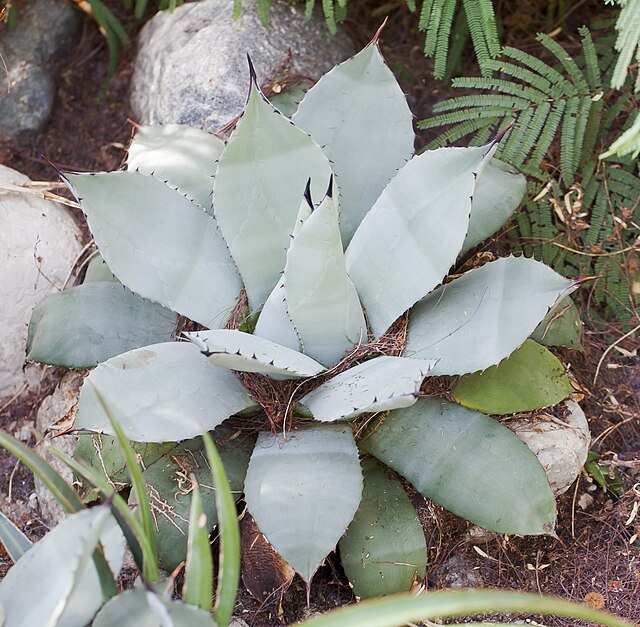
Want to plant agave in your garden! Fundamentals of ground planting & outdoor cultivation and overwintering
Agave is a succulent native to the arid regions of Mexico and the southwestern United States. Its dynamic form with sharp spines and low-maintenance toughness have made it increasingly popular in Japan in recent years. Many fans are thinking, "I've been growing it in pots, but I'd like to try planting it directly in the garden."
In fact, there are several cold-hardy agave varieties that can survive Japanese winters outdoors. However, if you make mistakes in variety selection, site choice, or winter care, the plants may disappear by spring. This guide will walk you through everything you need for success, from choosing the right varieties to soil preparation and year-round management.
Distinguishing varieties suited for ground planting from those that aren't
Before planting agave in your garden, the first thing to check is "cold hardiness." Even within the same species, agave varieties differ greatly in their minimum temperature tolerance. If you want to compare cold hardiness temperatures by variety, also refer to Agave cold hardiness: what temperature? | Hardida, Titanota, and variety-specific guidelines.
Particularly cold-hardy varieties (can tolerate -10℃ or below)
- Agave Parry (Agave parryi): Said to withstand around -15℃—among the hardiest. The blue-tinged rosette is beautiful and popular as a garden feature plant.
- Agave Neomexicana (A. neomexicana): Handles around -12℃. Relatively compact form makes it easy to fit into small gardens.
- Agave Havardiana (A. havardiana): Around -10℃. Broad leaves give volume and visual impact.
Moderately cold-hardy varieties (around -5 to -8℃)
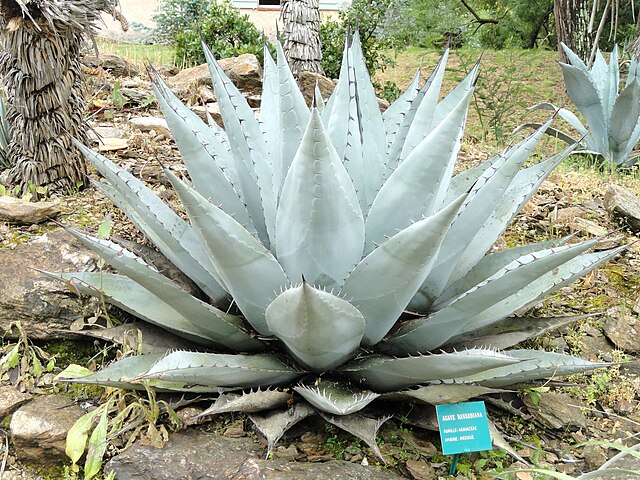
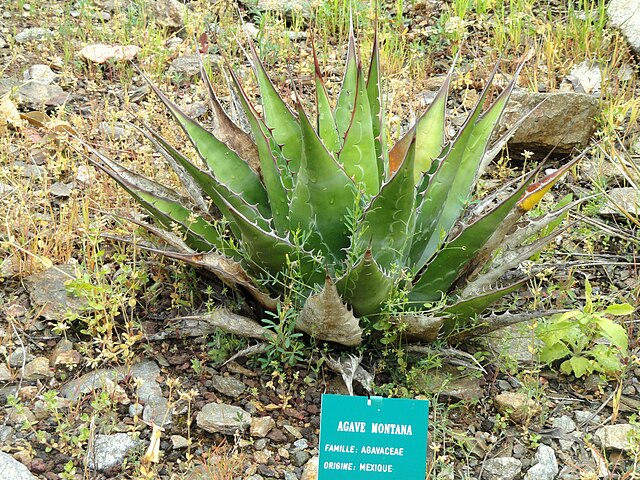
- Agave Montana (A. montana): Around -8℃. Characterized by wavy leaf margins and bright coloring. Recovers relatively well even if snow accumulates.
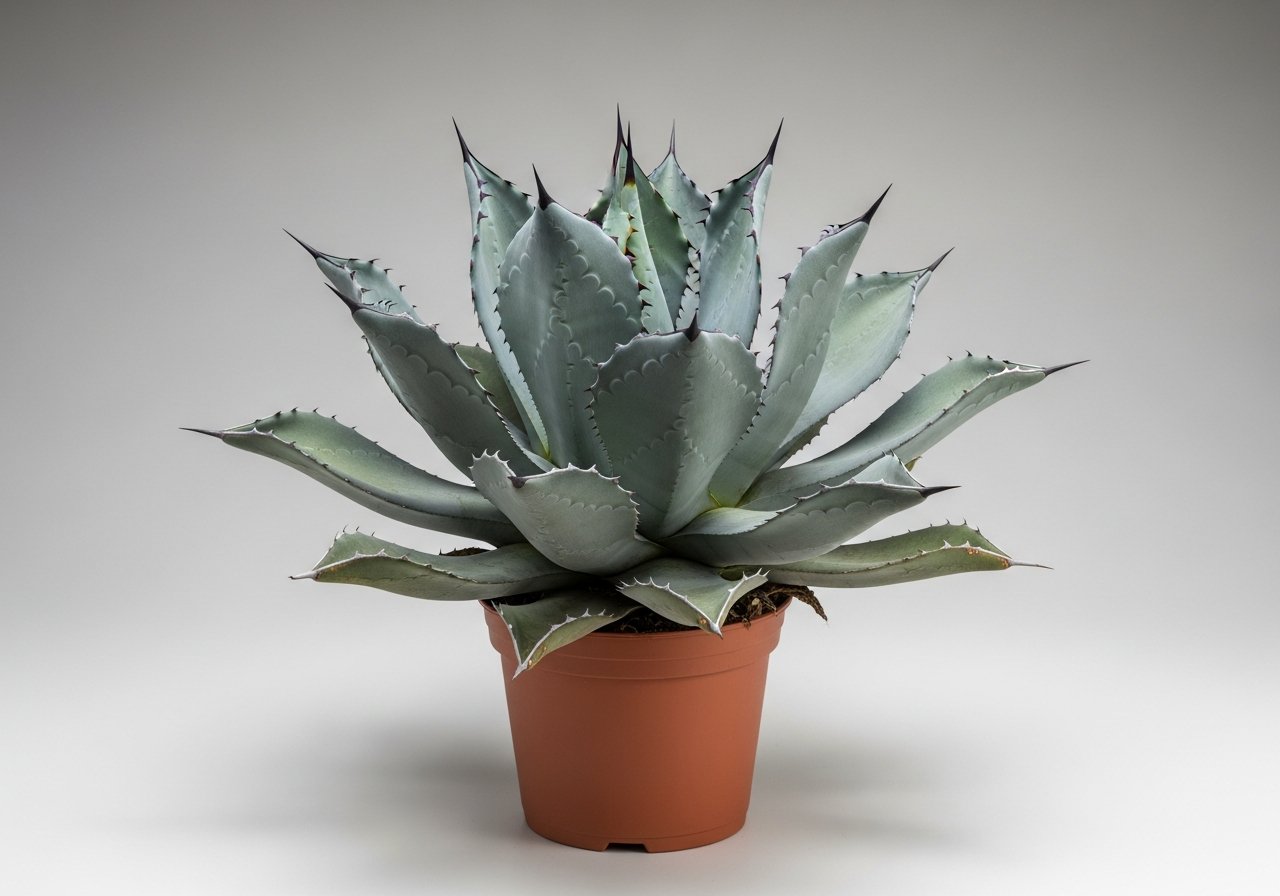
- Agave Ovatifolia (A. ovatifolia): Around -7℃. Distinctive broad, flat leaves. In cold climates, frost protection is recommended.
Varieties unsuitable for ground planting
Popular varieties like Titanota (A. titanota), Horrida (A. horrida), and Attenuata (A. attenuata) have low cold hardiness and risk damage even around 0℃. These are best managed in pots and brought indoors or into a greenhouse over winter. For specific indoor management methods, refer to Complete Agave Indoor Overwintering Guide | Safe overwintering with LED and heat mats.
Selecting planting location and soil preparation
Even if you choose a cold-hardy variety, poor site selection and soil will lead to failure. The two most critical factors for successful agave ground planting are "drainage" and "sunlight."
Ideal planting location conditions
- South-facing with excellent sun exposure: Ideally 6+ hours of direct sunlight daily.
- South side of buildings or along walls and fences: Walls radiate stored heat and moderate nighttime temperature drops. In cold climates, leveraging this "microclimate" significantly improves overwintering success.
- Under eaves where rain doesn't directly hit: Prevents rot even during rainy summer seasons. Complete rain exclusion isn't necessary, but avoid areas with prolonged rainfall.
Soil amendment methods
Agave develops root rot in poorly-draining soil. Prepare the planting hole following these steps:
- Dig a hole 50–60 cm deep and 40–50 cm wide: Creates space for root expansion and establishes a drainage layer.
- Spread 10 cm of gravel at the bottom: Establishes a drainage layer so excess moisture doesn't pool.
- Mix the excavated soil with 30–40% gravel and perlite, then backfill: Creates sandy-soil conditions. Commercial "cactus and succulent potting soil" can substitute if mixed with original soil.
- Plant slightly high at the base: Mound the planting area 5–10 cm above ground level to prevent water pooling around the crown.
Optimal planting season
May–June is ideal. Planting before the rainy season allows roots to establish well during summer growth, improving winter hardiness for the following season. Fall planting is possible but risks insufficient root development before winter, so it's not recommended for beginners. If you're unsure which plant to choose, see Agave buying guide | Differences and selection tips for seedlings, imports, and offsets.
Overwintering measures: Protecting plants from cold and moisture
Most agave losses during outdoor overwintering are caused not by cold alone, but by the combination of "cold + excess moisture." Pay attention to these key management points during winter.
Water and fertilizer management
- Stop watering completely from November: Keeping soil dry reduces cellular water content, making plants less susceptible to frost damage.
- End fertilizing by September: Applying nitrogen after fall softens tissue and reduces cold tolerance.
Mulching and frost protection materials
- Mulch around the plant base: Apply 5–10 cm of bark chips, straw, or rice husks. This moderates ground temperature drop and prevents frost heave from lifting roots.
- Covering the entire plant with nonwoven fabric: On cold nights when temperatures are forecast to drop below -8℃, drape nonwoven fabric loosely and secure with tape or string. Plastic bags trap moisture and should not be used.
- Installing rain covers: In regions with heavy winter rain or snow, clear corrugated panels or simple vinyl roofs effectively cut off water supply to plants.
If frost damage occurs
If leaves show brown discoloration from freezing, resist the urge to trim them immediately. Damaged leaves can actually protect the plant. After temperatures stabilize in spring (April and beyond), remove damaged leaves at the base. If the plant's center (growing point) survives, new leaves will emerge.
Year-round management calendar
Ground-planted agave's chief appeal is that it requires minimal intervention, but staying aware of seasonal tasks keeps the plant in better condition.
| Season | Main tasks |
|---|---|
| Spring (Mar–May) | Remove frost protection materials. Trim damaged leaves. Apply a small amount of slow-release fertilizer. |
| Early summer (May–Jun) | Optimal time to plant new specimens. Roots expand rapidly. |
| Summer (Jul–Aug) | Peak growth period. Natural rainfall usually suffices. Monitor if extreme heat or prolonged rain occurs. |
| Fall (Sep–Oct) | End fertilizing. Gradually reduce watering. |
| Winter (Nov–Feb) | Complete cessation of watering. Apply frost-protection mulch. Install nonwoven fabric and rain covers as needed. |
Summary: Ground-planted agave success depends on three elements—variety, location, and winter drought management
Keys to successful agave ground cultivation are: selecting cold-hardy varieties, preparing well-draining soil in a good location, and keeping plants dry over winter. Meet these conditions and agave will grow into an impressive specimen within a few years, becoming a landmark in your garden.
At GrowerDirect, you can purchase a variety of cold-hardy agave species, including Agave Parry and Ovatifolia, directly from growers. Obtain healthy specimens carefully cultivated by growers and take the first step in your ground-planting adventure.