How to Create Biotope-Style Aquascapes | Recreating Natural Waterside Habitats in Tanks
A guide to creating biotope-style aquascapes that recreate specific natural environments. Learn layout tips for replicating Asian, South American, and African waterside habitats, plus suitable aquatic plants.
Key Takeaways
A guide to creating biotope-style aquascapes that recreate specific natural environments. Learn layout tips for replicating Asian, South American, and African waterside habitats, plus suitable aquatic plants.
Related Species
Madagascar Lace Plant
View species details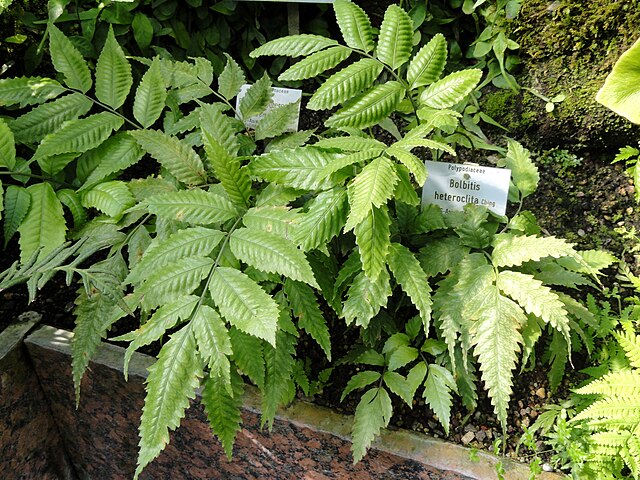
Bolbitis
View species details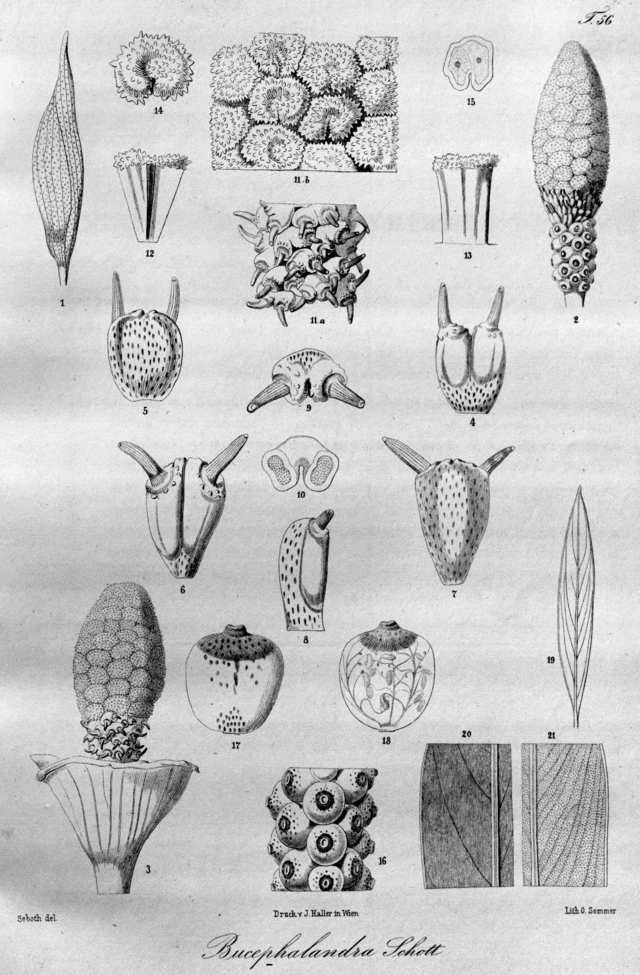
Bucephalandra
View species details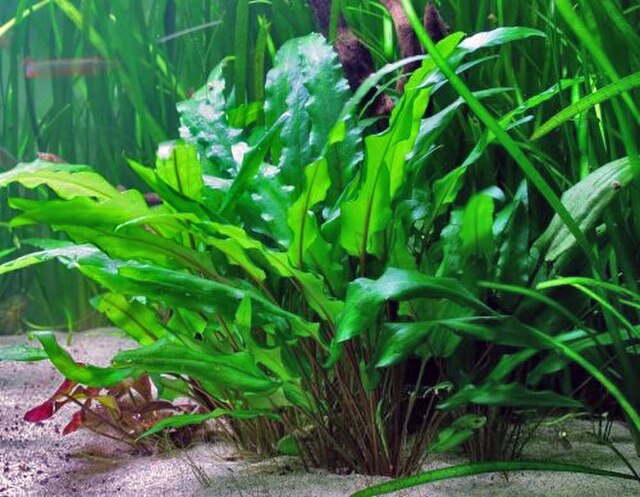
Cryptocoryne
View species details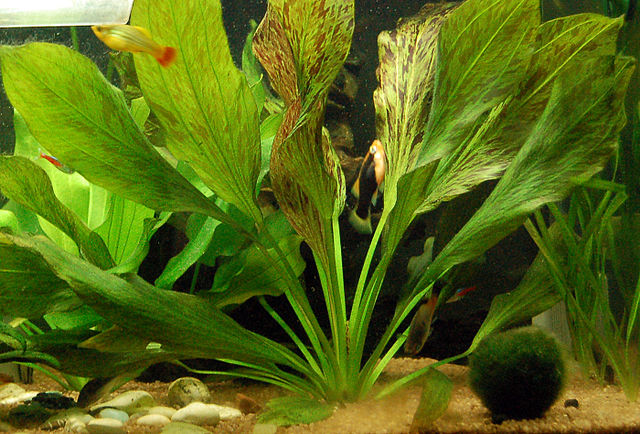
Echinodorus (Amazon Sword)
View species detailsAmazon Sword
View species details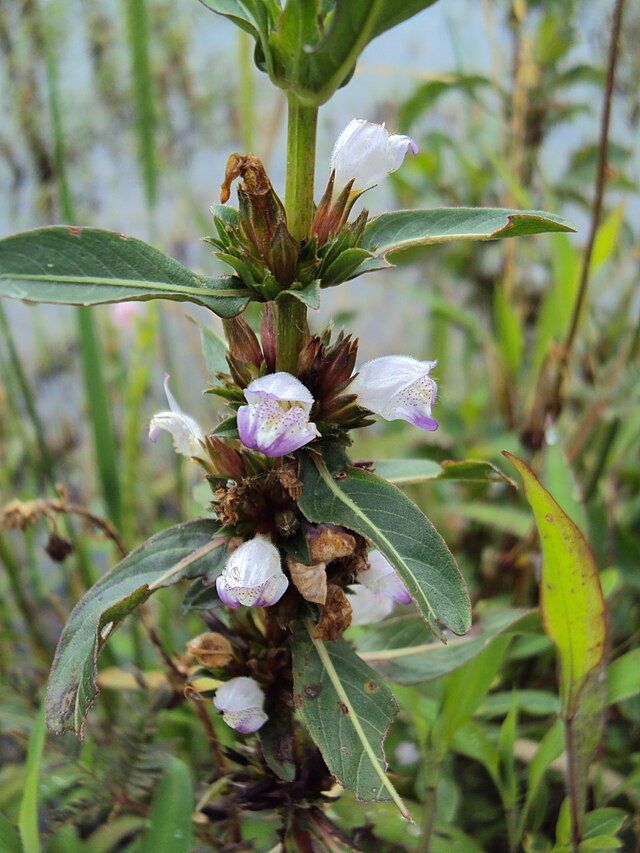
Hygrophila
View species details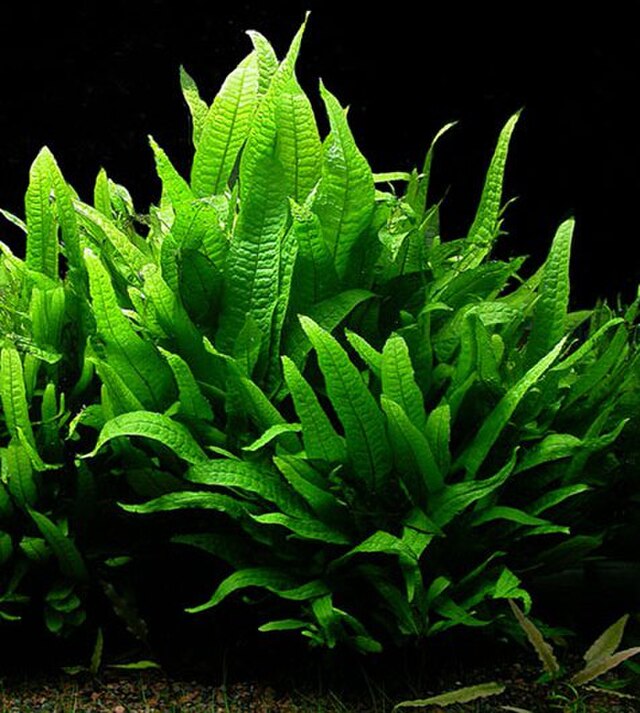
Java Fern
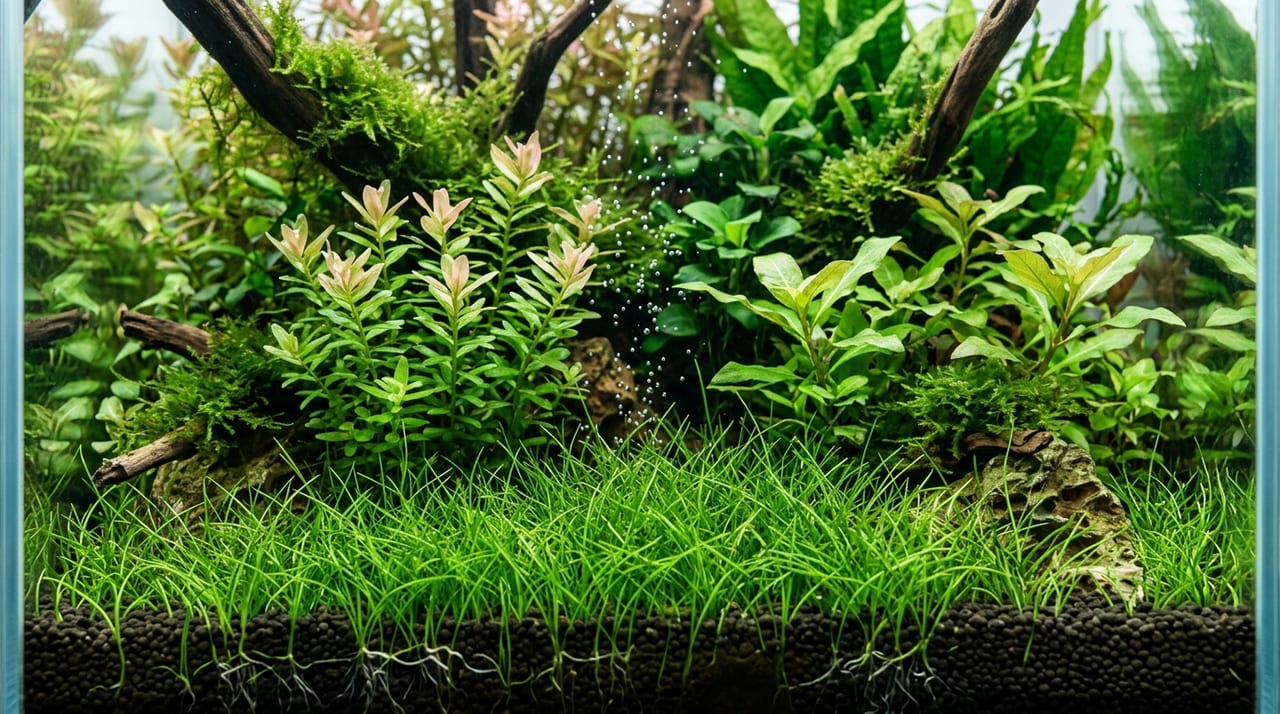
View species detailsBiotope-style aquascapes are layouts that recreate the natural waterside environment of a specific region within an aquarium tank. Unlike competition-oriented aquascapes designed for artificial beauty, they pursue the atmosphere of "nature itself." By using aquatic plants and fish that actually inhabit that region, the tank gains authenticity as an ecosystem and becomes interesting both as a display and from an academic perspective. Here, we explain the concept and practical methods of biotope-style aquascaping.
Basic Concepts of Biotope Aquascaping
Biotope is a German word meaning "habitat of living organisms." In the context of aquariums, it refers to a tank designed to mimic a specific region or environment. The important principle is to use only the organisms that actually coexist in that environment.
For example, in a South American Amazon biotope, you combine Amazon-origin aquatic plants (such as Echinodorus and Tonina) with South American fish (such as cardinal tetras and Apistogramma). Mixing Southeast Asian aquatic plants or African fish contradicts biotope philosophy.
The appeal of biotope aquascaping also lies in recreating the water chemistry of that region. You can create blackwater (dark water) environments or match pH and hardness to the origin location, making water chemistry design part of the layout enjoyment.
International aquascaping contests increasingly feature biotope categories, where accurate environmental recreation is evaluated alongside visual aesthetics. The intellectual hobby aspect—combining research and investigation—is a major attraction of biotope aquascaping.
Recreating Southeast Asian Waterside Habitats
Southeast Asia is a diverse source of aquatic plants and offers the most abundant materials for biotope aquascaping. Representative layouts are as follows.
| Layout | Environment to Recreate | Main Plants & Materials | Water Chemistry & Characteristics |
|---|---|---|---|
| Cryptocoryne Biotope | Rivers of Borneo and Sri Lanka, shaded forest streams with dappled light | Cryptocoryne (main feature), driftwood, fine substrate | Slightly acidic, soft water (pH 5.5–6.5), subdued lighting for a shade-adapted atmosphere |
| Bucephalandra Biotope | Mountain streams of Borneo, clear-running rocky areas | Bucephalandra (attached to lava stone or river rock), Microsorum, Willow moss | Set moderate to strong water current to recreate mountain-stream ambiance |
| Rice Field and Wetland Recreation | Southeast Asian rice fields and wetlands | Rotala, Hygrophila (densely planted), Vallisneria (background) | Naturally pairs with killifish-family species (such as Rasbora) |
Recreating South American Blackwater Environments
South American blackwater environments are among the most popular styles in biotope aquascaping.
Blackwater refers to water stained tea-brown by fallen leaves and humic acids. The Negro River in the Amazon basin is the most famous example, characterized by unique water chemistry: highly acidic (pH 4–6) and extremely soft. To recreate this, submerge magic leaves (from the Indian almond tree) or alder seeds in the tank to release tannins. Adding peat moss to the filter is also effective.
Authentic blackwater uses light sand or a bare tank bottom, with fallen leaves scattered across the substrate. Use driftwood abundantly to create an atmosphere of exposed root systems underwater. While small Echinodorus species and Amazon sword are suitable plants, true blackwater environments naturally have sparse aquatic plant growth.
Standard fish choices include cardinal tetras, rummy-nose tetras, and Apistogramma. These fish display their true brilliant colors in slightly acidic, soft water.
Set lighting to a low level, creating an atmosphere where light filters through gaps in floating fallen leaves. This produces a landscape that closely resembles authentic blackwater.
Recreating African River Habitats
African rivers and lakes are also distinctive subjects for biotope aquascaping.
In West African river biotopes, Anubias and Bolbitis are the star plants. These two genera are representative African aquatic plants that attach to driftwood or stone. Use gravel as substrate and set a moderate to strong water current. Suitable fish include African tetras (such as Congo tetras) and killifish.
The layout key is using abundant driftwood to express submerged fallen trees. Position Anubias to peek out from between driftwood gaps, and arrange Bolbitis with large leaves flowing with the current. Wrapping moss around driftwood creates a natural, weathered appearance.
Madagascar biotopes are for advanced aquascapers, but successfully growing lace plants (Aponogeton madagascariensis) creates a strikingly impressive aquascape. Madagascar-endemic aquatic plants are difficult to source and cultivate, but the challenge is well worth pursuing.
Maintaining Biotope Aquascapes
Maintaining biotope-style layouts follows basic aquascaping principles but has several unique considerations.
- For water chemistry maintenance, regularly replace magic leaves or alder seeds to sustain the pH decline characteristic of blackwater environments, and keep water-change frequency low (approximately 20–30% every two weeks) to avoid drastically altering the established water chemistry.
- Fallen leaf management is a characteristic task in blackwater biotopes: remove decomposed leaves and add fresh ones. Because fully decomposed leaves degrade water quality, replace old leaves every two to three weeks.
- Aquatic plant trimming should be kept minimal to enjoy natural growth patterns—the biotope style—but when a single species grows excessively and risks overwhelming others, thin selectively while observing balance.
Wild-type aquatic plants for biotope aquascaping are difficult to find at general retailers. On GrowerDirect, specialized growers offer Cryptocoryne strains by locality and rare Bucephalandra varieties. When searching for plants matching your biotope theme, the ability to verify origin information directly with the grower is a major advantage.