Emersed Leaf Propagation Techniques for Aquatic Plants | Advanced Methods for Efficient Cultivation
Exploring efficient propagation methods for aquatic plants using emersed leaves. Introducing the mist method, pot-based cultivation, and substrate selection.
Key Takeaways
Exploring efficient propagation methods for aquatic plants using emersed leaves. Introducing the mist method, pot-based cultivation, and substrate selection.
Related Species
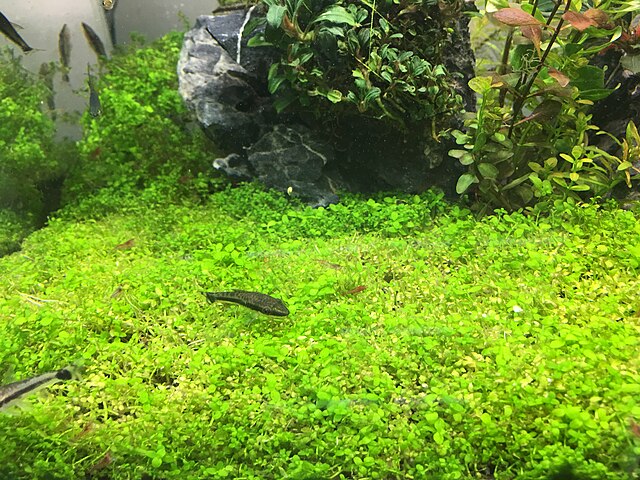
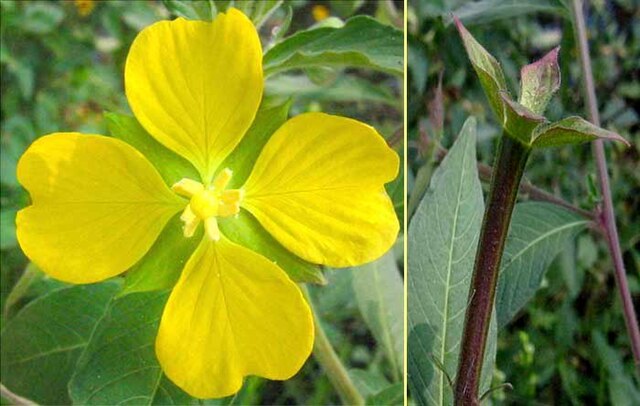
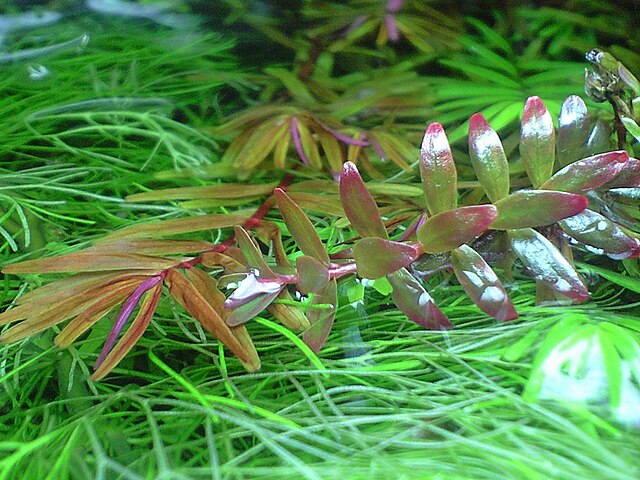
Learning about "emersed leaves" opens up new possibilities for aquatic plant cultivation. Emersed leaves are leaves that develop as aquatic plants adapt to air above the water surface, and they may differ in shape and color from submerged leaves. Emersed leaf cultivation offers faster growth than submerged cultivation and carries lower risks of disease and algae, making it a propagation technique widely used by both beginners and advanced growers. This article provides a clear explanation of representative emersed cultivation methods and key points for transitioning to submerged cultivation.
Benefits of Emersed Leaf Cultivation
Growing aquatic plants intentionally outside of water offers numerous benefits.
- Faster Growth:Because plants can absorb CO2 needed for photosynthesis directly from the air, growth is significantly faster than submerged cultivation.
- Easier Maintenance:Algae is less likely to occur, and water quality management is unnecessary, requiring minimal effort. The causes of algae growth and solutions for algae that has already appeared are detailed in The Complete Guide to Controlling Algae in Aquatic Plant Tanks.
- Ideal for Mass Propagation:Because large quantities of stock can be obtained in a short period, trimmed aquatic plants can be regrown without waste.
- Less Shipping Damage:Emersed leaves are relatively resistant to drying and temperature fluctuations, and are said to be less prone to problems during shipping or transfer.
This is why growers and aquatic plant enthusiasts prefer emersed leaves. Healthy, well-cultivated emersed leaf stocks establish well after purchase.
Mist Method (Dry Start Method)
The mist method involves planting aquatic plants in a tank without water and growing them in a sealed, high-humidity environment. It is particularly known as an extremely effective technique for creating beautiful carpets of foreground plants.
Preparation and Steps
- Lay Down Substrate:Lay aquatic soil 2–3 cm thick on the tank bottom and thoroughly moisten it with a spray bottle. An ideally moist surface is key.
- Plant Aquatic Plants:Densely plant fine-leaved foreground plants such as HC (Cuba Pearl Grass) and Monte Carlo. Planting with tight spacing promotes early carpet formation. If you want to carpet Monte Carlo without CO2, How to Grow Monte Carlo Without CO2 is also helpful.
- Seal the Tank:Seal the tank with plastic wrap or a specialized lid to maintain high humidity. Ventilate for a few minutes about once a day to prevent mold growth.
- Provide Lighting:Standard aquarium LED lighting for 8–10 hours per day is recommended. Excessively bright light is not necessary.
- Timeline:Within 4–8 weeks, plants spread across the entire surface, and a dense carpet is complete.
- Add Water:Slowly introduce water, then begin CO2 supplementation. Avoid sudden environmental changes.
The mist method is particularly recommended for those who want to maintain beautiful layouts from the beginning of setup and create high-quality aquascapes. For layout composition after setup, Basic Aquascaping Techniques is also worth consulting.
Emersed Cultivation Using Horticultural Pots
For convenient large-scale propagation of aquatic plants, emersed cultivation using horticultural pots is practical. Since no tank is required, you can set it up in any space.
Management
- Substrate:Place aquatic plant soil or akadama clay in plastic pots.
- Planting:Simply plant trimmed aquatic plants or submerged leaf cuttings as they are.
- Sump Water Management:Place pots on a tray and keep water constantly in the tray. The key is maintaining constant moisture at the base of the plants.
- Location:A bright spot near a window or a partially shaded outdoor area is ideal. Be careful not to expose plants to excessive direct sunlight, as this can cause leaf scorch.
- Timeline:Within 1–2 months, emersed leaves develop rapidly and abundant stock is obtained.
Stem plants (such as Rotala and Ludwigia) propagate particularly well using this method. By taking cuttings each time you trim, you can maintain and propagate them indefinitely. If you want to increase Rotala while improving its coloration, Rotala Care and Coloration Tips is also worth reviewing.
Transitioning from Emersed to Submerged Leaves
When moving aquatic plants raised as emersed leaves to a tank, keeping a few key points in mind ensures a smooth transition.
Common Issues During Transition
When emersed leaves are moved to a submerged environment, old emersed leaves may melt or wither. This phenomenon, called "emersed leaf melt," is not a failure but a normal response: the plant is shedding old tissue to adapt to the submerged environment while developing new submerged leaves.
Tips for Successful Transition
- CO2 Supplementation:Adding CO2 supports photosynthesis in water and promotes faster, more stable transition. The relationship between hardness, pH, and CO2 supplementation is detailed in Aquarium Water Chemistry Adjustment and CO2 Fertilization.
- Appropriate Lighting:Light is necessary for submerged leaf development. Aim for approximately 8 hours of lighting per day.
- Stable Water Conditions:Managing plants in stable pH, hardness, and temperature minimizes stress.
- Be Patient:Even if melt occurs, do not remove it immediately. The key is to wait for new growth before pruning.
With proper conditions in place, most aquatic plants begin developing submerged leaves within 2–3 weeks.
Summary | Make Your Aquatic Plant Hobby More Enjoyable with Emersed Leaf Cultivation
Emersed leaf cultivation is a powerful tool for growing aquatic plants more efficiently and healthily. The satisfaction of creating beautiful carpets with the mist method and the joy of watching plants multiply rapidly with pot cultivation are unique pleasures of the aquatic plant hobby.
On GrowerDirect, growers with expertise in emersed leaf management sell high-quality aquatic plants directly. Stocks managed as emersed leaves have robust root systems and are easy to introduce into a tank immediately upon arrival—that's the appeal. When you're unsure about plant selection or searching for rare varieties, be sure to check out GrowerDirect's lineup. The peace of mind that comes from purchasing directly from trusted growers will surely be a source of strength as you continue your aquatic plant hobby for years to come.