Complete Guide to Low-Tech Aquatic Plant Tanks Without CO2|Recommended Aquatic Plants and Setup Methods
Introduces 10 aquatic plant species that thrive without CO2 and under weak lighting. Covers selection of shade-loving species like Willow Moss, Anubias, and Cryptocoryne, species to avoid that demand high light, substrate and equipment selection, setup procedures, and algae control strategies.
Key Takeaways
Introduces 10 aquatic plant species that thrive without CO2 and under weak lighting. Covers selection of shade-loving species like Willow Moss, Anubias, and Cryptocoryne, species to avoid that demand high light, substrate and equipment selection, setup procedures, and algae control strategies.
Related Species
Why "Low-Tech Aquatic Plant Tanks" Are Popular
"High-tech aquatic plant tanks" that require CO2 injection systems, high-performance LED lights, and soil management are beautiful but come with high initial costs and significant daily maintenance burdens. In contrast, "low-tech aquatic plant tanks (NO CO2 TANK)" are an approach to enjoying aquatic plants with minimal equipment, and in recent years have become increasingly popular, especially among beginners.
The three main characteristics of low-tech tanks are "slow growth," "minimal algae," and "easy maintenance." Because aquatic plant growth is slower, pruning is needed less frequently, and since CO2 injection systems don't need to be purchased or maintained (no cylinder or regulator costs), total costs can be significantly reduced. Additionally, because aquatic plant growth is gentler, water parameter changes are also more gradual, making it easier to provide a stable environment for fish and shrimp.
The appeal of low-tech tanks is that they match a wide range of people, from beginners to returning enthusiasts, who want to easily enjoy the beauty of aquatic plants. For the overall setup flow, also see Aquatic Plant Tank Startup Schedule.
How to Choose Aquatic Plants Suited to Low-Tech Environments
Common traits of aquatic plants suited to CO2-free, low-light environments include the following:
- Low CO2 tolerance: Can photosynthesize using CO2 from the air or bicarbonate in water
- Low-light compatibility: Does not require high-powered aquatic plant LEDs; can be maintained with a single standard small LED lit for 8–10 hours daily
- Slow growth rate: Infrequent pruning needed
Conversely, species that demand "high light and high CO2," such as Rotala and Glossostigma, tend to become leggy or develop yellowing leaves in low-tech tanks and are difficult to maintain, so it's best to avoid them.
To clarify one common misconception: "thrives under low light" does not mean "thrives without light." All the plants introduced here rely on photosynthesis, so in places without lighting or in complete shade, they will gradually weaken and decay regardless of CO2 presence. The realistic answer if you're looking for plants that grow without light is to grow the shade-loving species with the lowest light requirements (Willow Moss, Anubias, Microsorum) under lighting that is on daily, even if dim. Conversely, as long as lighting is provided, CO2 supplementation is truly unnecessary.
10 Recommended Aquatic Plants
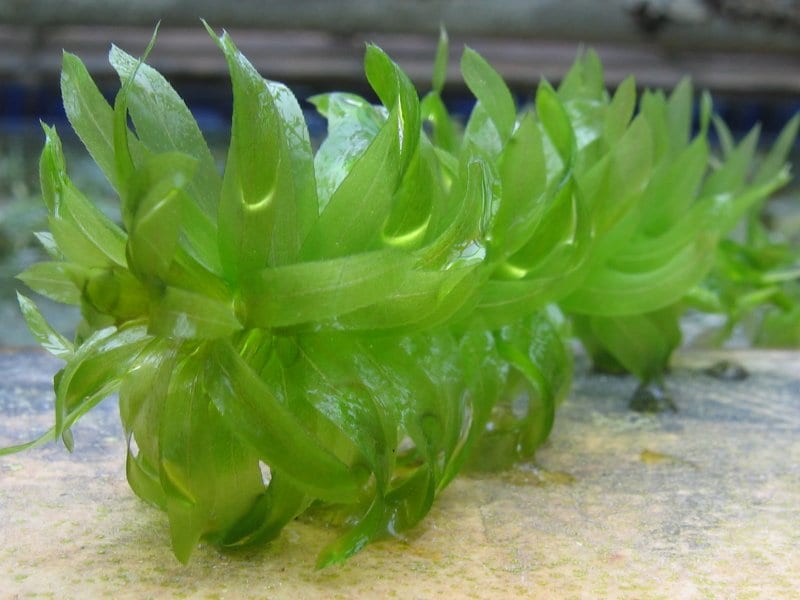
Willow Moss (South American, Triangular, Weeping) A classic moss-type plant that excels at attaching to rocks and driftwood. Grows reliably with zero CO2 and low light, providing hiding places and breeding substrate for shrimp and fry. When its shape deteriorates, simply trim as needed—it is unmatched in ease of care.
Anubias (Nana, Barteri, Petite, etc.) Characterized by hard, thick leaves and excellent at attaching to driftwood and rocks. An extremely hardy plant that grows even in shade. It tends to accumulate algae, so regularly wiping the leaves maintains its appearance. The rhizome will rot if buried in substrate, so always keep it attached or exposed.
Microsorum (Pteropus, Trident, etc.) A fern that excels at attaching to driftwood. Grows slowly even without CO2 and has distinctive leaf shapes with visual presence. It is prone to brush algae, so make algae removal a regular habit.
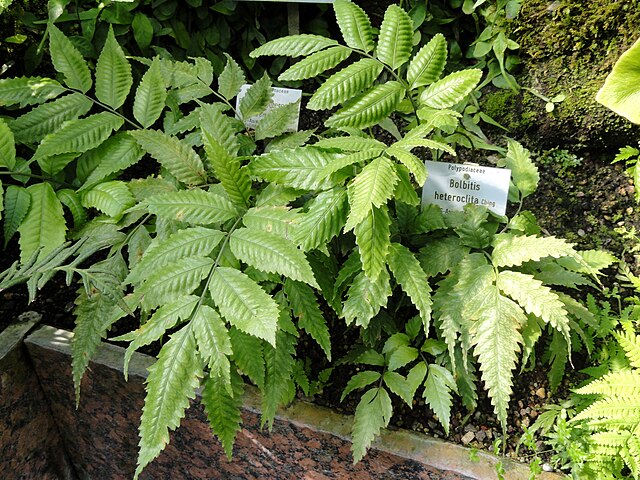
Bolbitis Heudelotii A fern-type plant with delicate, beautiful leaf forms. When attached to driftwood, it evokes a natural stream-like atmosphere. It prefers slightly dim conditions and soft water, so be aware that growth may slow in hard-water tanks.
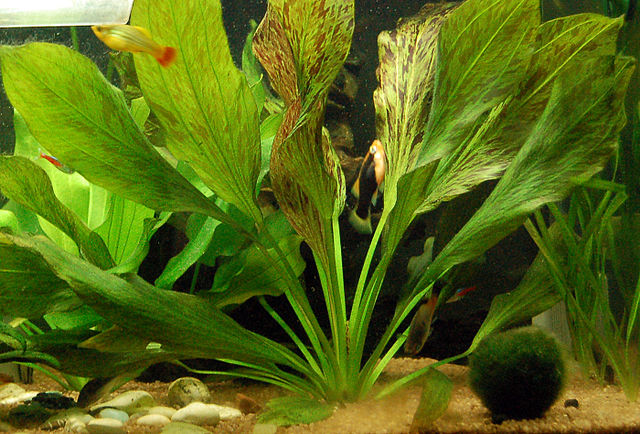
Amazon Sword (Various Echinodorus species) A large rosette-forming plant suited for the background. It has strong roots that anchor deep in the substrate, and inserting solid fertilizer at the base promotes growth. When leaves reach the water surface, trim the older outer leaves in sequence.
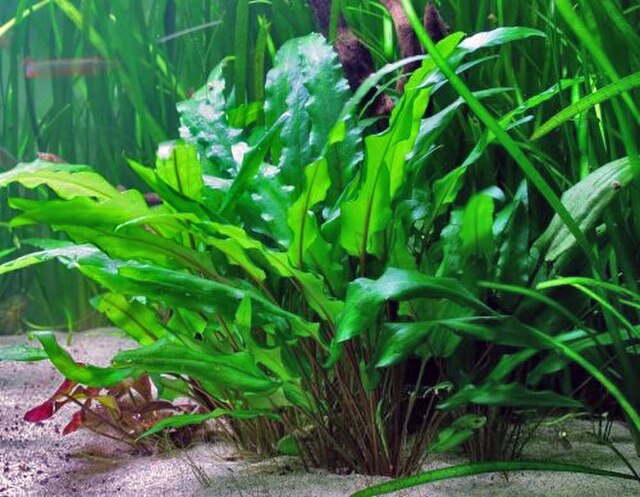
Cryptocoryne (Wendtii, Balansae, etc.) One of the most reliably growing plants even without CO2 and in low light. After transplanting, "Cryptocoryne melt" may occur where leaves dissolve, but if roots remain, new shoots will regenerate in 2–3 weeks. The key is to wait patiently without panicking.
Bacopa Caroliniana A stem-type plant with upright stems suited for mid-ground to background. It has simple leaf forms with a clean appearance and pairs well with other plants. Growth is slow, but it can be maintained without CO2.
Coontail A rootless floating plant that can drift anywhere. It is highly effective at suppressing algae by absorbing excess nitrogen and phosphate from the water and aids in water parameter stabilization during initial setup. Thin it out if it proliferates excessively.
Anacharis (Brazilian Waterweed) A stem-type plant that has been sold as goldfish weed for ages and is among the most hardy. It grows well even without CO2 and low light, suppresses algae by absorbing excess nutrients like Coontail, and can be propagated simply by cutting to desired length and replanting the cutting. It is also cold-tolerant and can be used in unheated tanks or paludariums.
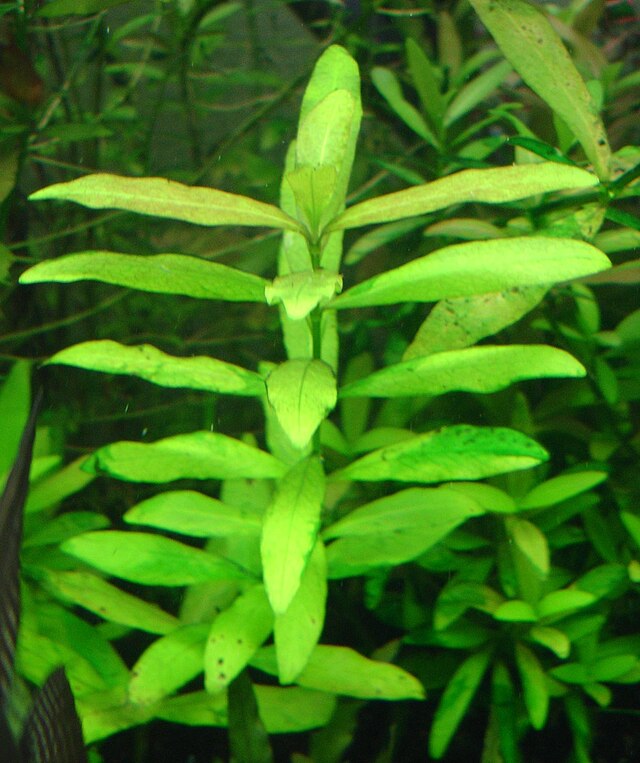
Hygrophila Polysperma A stem-type plant with dense, bright yellow-green leaves and one of the few vigorous stem plants that grow without CO2. It is invaluable when you want to create a dynamic background in a low-tech tank. Because it grows quickly, it also consumes more nutrients, so if its leaves pale before other plants, consider it a sign to add liquid fertilizer.
Choosing Substrate and Equipment
Substrate In low-tech tanks, coarse sand, pool sand, or gravel may be easier to manage than nutrient-rich soil. If using soil, adsorptive soil is better for water stability; nutrient-rich soil can cause algae blooms from excess nutrients during initial setup, so caution is needed. If combining driftwood and rocks with attaching-type plants, you can enjoy the tank regardless of substrate type.
Lighting Choose an LED light labeled "suitable for aquatic plant growth." Aim for around 1W per liter. 8–10 hours of lighting daily is practical; 12 hours or more increases algae risk. Timer control stabilizes both plant and algae management.
Filtration External, hang-on, and sponge filters all work, but external filters allow better water-flow control and are better suited to aquatic plants. Since low-tech tanks don't require concern about retaining CO2, flow strength can simply be adjusted to match fish species.
Liquid Fertilizer Supplementing iron, potassium, and trace elements is effective even in CO2-free tanks. However, overdosing can cause algae, so start at half the recommended dose and gradually increase while monitoring plant condition. Signs of nutrient deficiency are explained in detail in How to Identify and Treat Nutrient Deficiencies in Aquatic Plants.
Setup Procedure and Initial Management
- Tank setup: Install substrate, filter, and lighting, then add dechlorinated water
- Plant aquatic plants: Fix attaching types to driftwood and rocks with cotton thread; press rooting types gently into substrate
- Introduce pilot fish: After 1–2 weeks, add a few hardy small fish (such as White Cloud Minnows) to establish beneficial bacteria
- Check water parameters: Test for nitrite and ammonia; once safe levels are reached, introduce target fish and shrimp
- Add algae-eating organisms: Introduce Yamato shrimp, dwarf shrimp, and Otocinclus to prevent algae
Algae Control and Long-Term Maintenance Tips
Although low-tech tanks are said to resist algae, it develops under excessive light or nutrient-rich conditions. The three core algae-control principles are "lighting management (8–10 hours daily)," "regular water changes (10–20% weekly)," and "introducing algae-eating organisms."
Yamato shrimp in particular are highly effective against filament algae and brush algae. Dwarf shrimp are small and can be bred, making shrimp-tank setups one of the pleasures of low-tech tank keeping.
Low-tech tanks are "easy to manage," not "maintenance-free." Weekly water changes and daily observation are the only way to maintain a beautiful tank over the long term. With simple equipment and consistent care, you can create a verdant landscape that rivals professional tanks. Troubleshooting steps are compiled in Aquatic Plant Troubleshooting, Causes of Decline, and Solutions—reviewing it beforehand offers peace of mind. Hardy aquatic plants can also be obtained directly from growers at GrowerDirect's aquatic plant category.