Advanced Aquatic Plant Trimming Techniques | Pruning Methods to Maintain Beautiful Layouts
Explaining advanced aquatic plant trimming techniques. Introduction to pinch cutting, replanting, and foreground plant trimming.
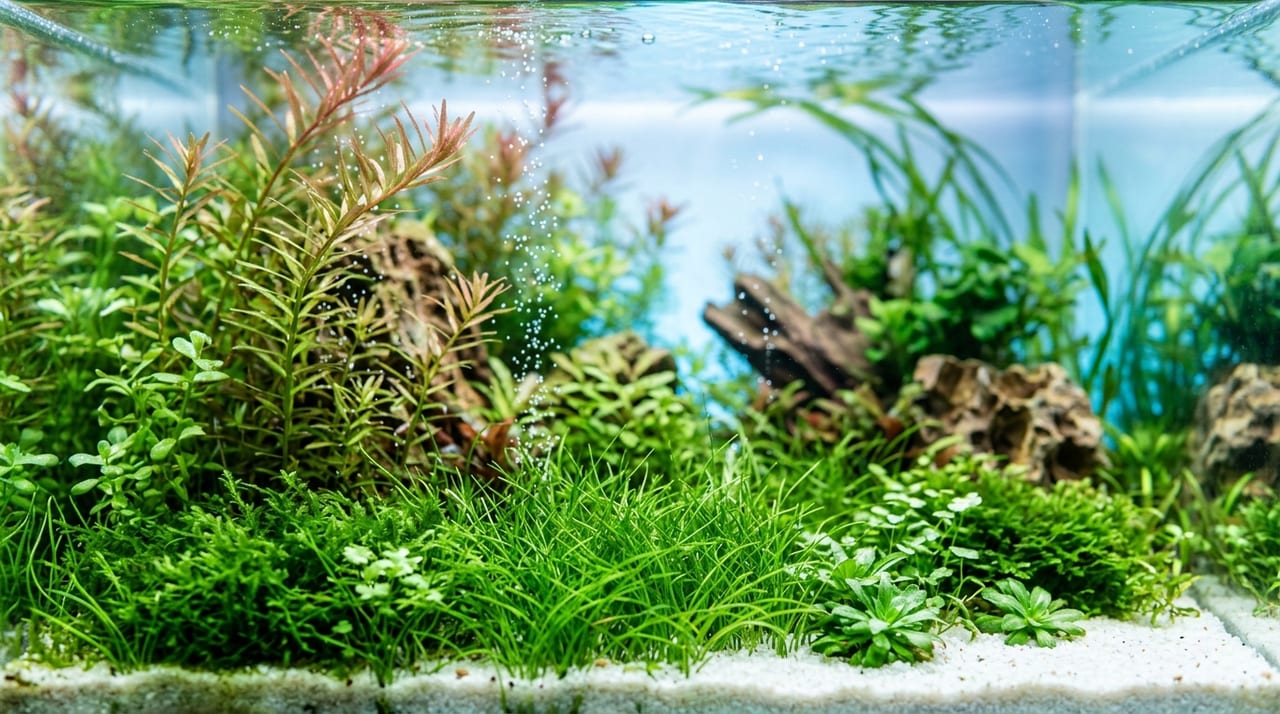
Key Takeaways
Explaining advanced aquatic plant trimming techniques. Introduction to pinch cutting, replanting, and foreground plant trimming.
Related Species
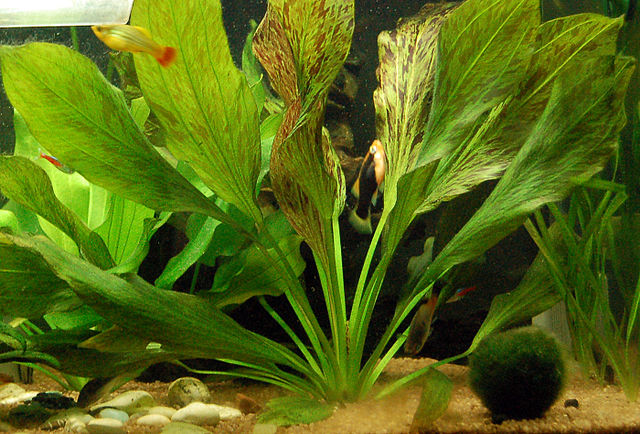
Echinodorus (Amazon Sword)
View species details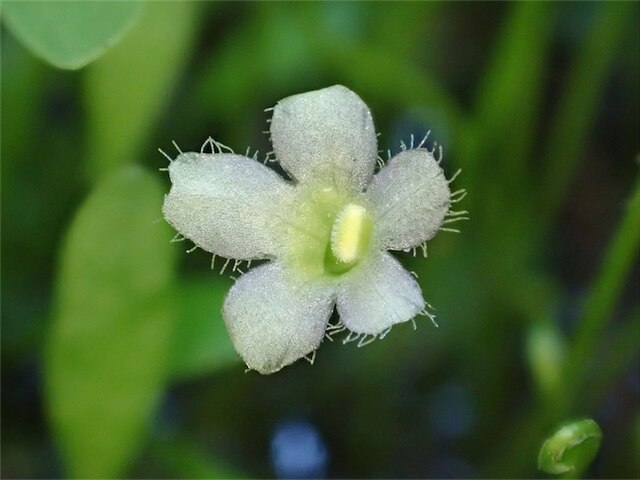
Glossostigma
View species details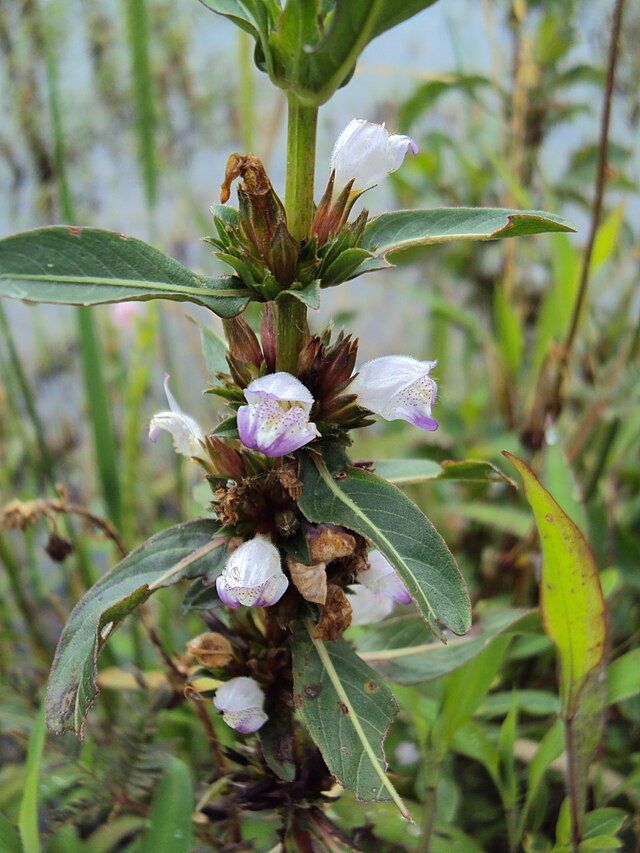
Hygrophila
View species details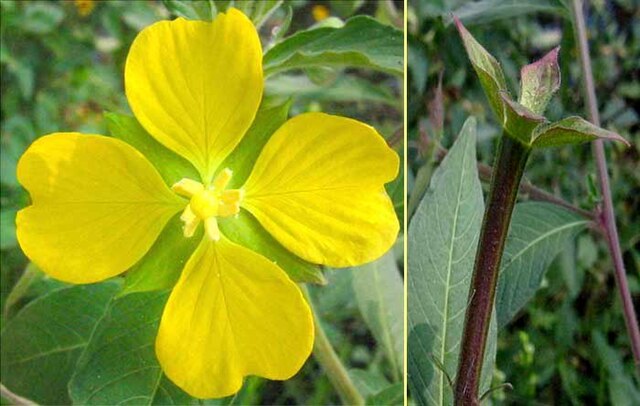
Ludwigia
View species detailsNew Large Pearl Grass
View species detailsPearl Grass
View species details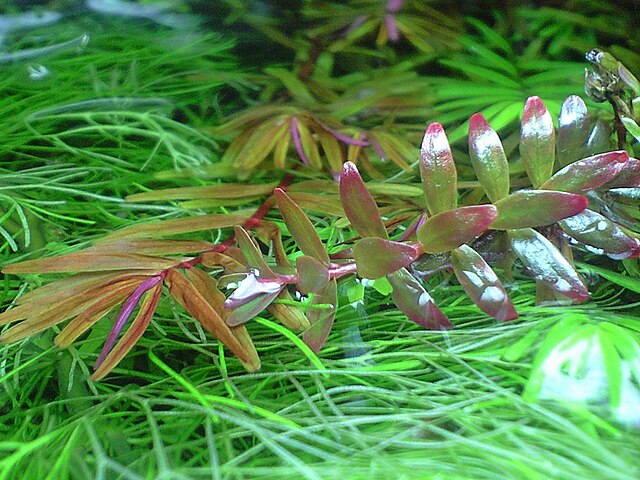
Rotala
View species detailsGreen Rotala
View species detailsFundamental Principles of Aquatic Plant Trimming
Aquatic plant trimming is not merely a matter of "cutting when it grows." To maintain beautiful layouts in aquatic plant tanks, you must understand plant growth habits and exercise "design sense" to intentionally decide what and how to cut. If you haven't yet systematically mastered basic trimming methods, first understanding the big picture through Aquatic Plant Trimming Complete Guide will help you learn faster.
Trimming has two major purposes. One is aesthetic maintenance—shaping the plants so the layout composition is not disrupted. The other is plant health management—controlling density so light reaches all the aquatic plants. Only when you can achieve both simultaneously can you call yourself an "advanced trimmer."
As a prerequisite for advanced techniques, start by reconsidering your scissors choice. Using two types in combination—curved aquatic plant scissors with fine tips that can cut curves, and straight scissors for straight cuts—will significantly improve work precision. Dull scissors crush the cut surface of aquatic plants, leading to rot and algae growth. Don't forget regular maintenance of your tools.
Mastering Two Major Trimming Techniques
There are two representative trimming methods for aquatic plants. It is important to understand the characteristics of each and use them appropriately depending on the plant type and layout phase.
Pinch Cutting (Trimming)
This method involves cutting the stem midway to encourage new side shoots to emerge from the nodes below. Repeating this process increases branching, resulting in a full, natural appearance.
- Suitable plants: Rotala species, pearl grass, hygrophila, bacopa, and similar
- Advantages: Creates fullness easily and is relatively simple to perform
- Disadvantages: With repetition, the lower stems become woody and yellow, degrading appearance
- Tip: Intentionally cutting at uneven heights creates a more natural look. Trimming in straight lines tends to appear artificial.
Cut & Plant (Replanting)
This method involves cutting off the upper stem, uprooting the entire plant, and replanting the cut upper portion. By constantly updating growth points, you can keep your aquatic plants in a fresh state. This technique shares concepts with stem cutting covered in Aquatic Plant Propagation Complete Guide.
- Suitable plants: Ludwigia, alternanthera, green rotala, and similar
- Advantages: Prevents aging and woodiness of lower stems, keeping plants perpetually youthful
- Disadvantages: Labor-intensive; appearance tends to be disorganized immediately after replanting
- Tip: Avoid strong water flow for 2–3 days after replanting. If plants are swept away before roots establish, they will float.
Trimming Points for Foreground, Midground, and Background Plants
Aquarium layouts are structured in three layers: foreground, midground, and background. Since each has different growth habits, trimming methods vary accordingly.
Foreground Plants (Glossostigma, New Large Pearl Grass, and similar)
Carpet-forming foreground plants, if left untended, become too thick, causing the lower layer to rot. Basics for growing carpet-type aquatic plants are explained in detail in Tips for Creating Foreground Plant Carpets.
- When grass height exceeds 2 cm, it's time to trim
- Trim at a height of 1–1.5 cm above the substrate, keeping the cut level and even
- Carefully collect trimmed leaves with a net (leaving them becomes a nutrient source for algae)
- After trimming, supply a small amount of liquid fertilizer to promote growth
- Within 1–2 weeks, new growth appears uniformly and the beautiful carpet returns
Midground and Stem Plants (Rotala, Ludwigia, and similar)
The midground is the "face" of the aquarium. Cutting with curved silhouettes in mind creates depth. Rather than trimming everything at once, varying heights front to back and side to side creates natural three-dimensionality. Additionally, when density becomes too high, light doesn't reach the interior and lower leaves yellow and drop. Regularly adjust density with thinning in mind.
Background and Large Stem Plants (Echinodorus, Crinum, and similar)
For rosette-type and large aquatic plants, carefully cut away aged outer leaves at the base, always keeping central new growth prominent. If plants become too large, divide them; take care not to damage roots during this process.
Post-Trimming Care Determines the Finish
Neglecting post-trimming care can lead to algae blooms and slow plant recovery. Rigorous adherence to the following care will help restore beauty smoothly. Responses to different algae patterns are compiled in Aquatic Plant Tank Algae Control Complete Guide.
- Water change: Perform a 30–50% water change the day after trimming. Remove organic matter leached from cut surfaces
- Liquid fertilizer supplementation: Add 1.5–2 times the normal amount to promote new growth
- CO2 addition: Maintain the dosage while reducing lighting duration by 1–2 hours to prevent algae explosion
- After 1 week: Once plant recovery is confirmed, return to normal management schedule
Additionally, fine leaf fragments easily clog the filter intake immediately after trimming, so don't forget to check the intake sponge.
How Professionals Organize Trimming Schedules
To maintain beautiful layouts long-term, you need planned schedule management, not just "trimming when you feel like it."
| Plant type | Trimming frequency guide |
|---|---|
| Foreground plants (glossostigma, etc.) | Every 2–4 weeks |
| Midground stem plants | Every 3–6 weeks |
| Background large stem plants | Every 4–8 weeks |
| Rhizome-attaching plants (anubias, etc.) | Thin every 2–3 months |
The key is to stagger cycles by plant type. Trimming everything on the same day makes the tank look too sparse and concentrates stress on plants. Staggering the schedule by 1–2 weeks (foreground, then midground, then background) keeps the tank looking well-maintained at all times.
GrowerDirect's Safety and Reliability System
As you repeat trimming, your plant stock may diminish, or you may want to try a new layout. At such times, we recommend purchasing directly from GrowerDirect growers.
GrowerDirect is a direct-sales platform connecting aquatic plant growers with buyers. Unlike retail products, you can obtain healthy aquatic plants carefully grown by producers, along with information about pesticide treatment and growing conditions. Support systems are in place for any issues, making it safe for first-time buyers to use.
Combine advanced trimming skills with high-quality aquatic plants from GrowerDirect to take your aquarium to new heights.