Aquatic Plant Tank Water Quality Management Guide | Balancing CO2, Fertilizer, and Light
This guide explains how to manage water quality parameters for healthy aquatic plant growth. We cover types of CO2 injection systems and their settings, how to choose between liquid and solid fertilizers, and techniques for maintaining the right balance to prevent algae overgrowth.
Key Takeaways
This guide explains how to manage water quality parameters for healthy aquatic plant growth. We cover types of CO2 injection systems and their settings, how to choose between liquid and solid fertilizers, and techniques for maintaining the right balance to prevent algae overgrowth.
Related Species
Three Essential Elements for a Successful Aquatic Plant Tank
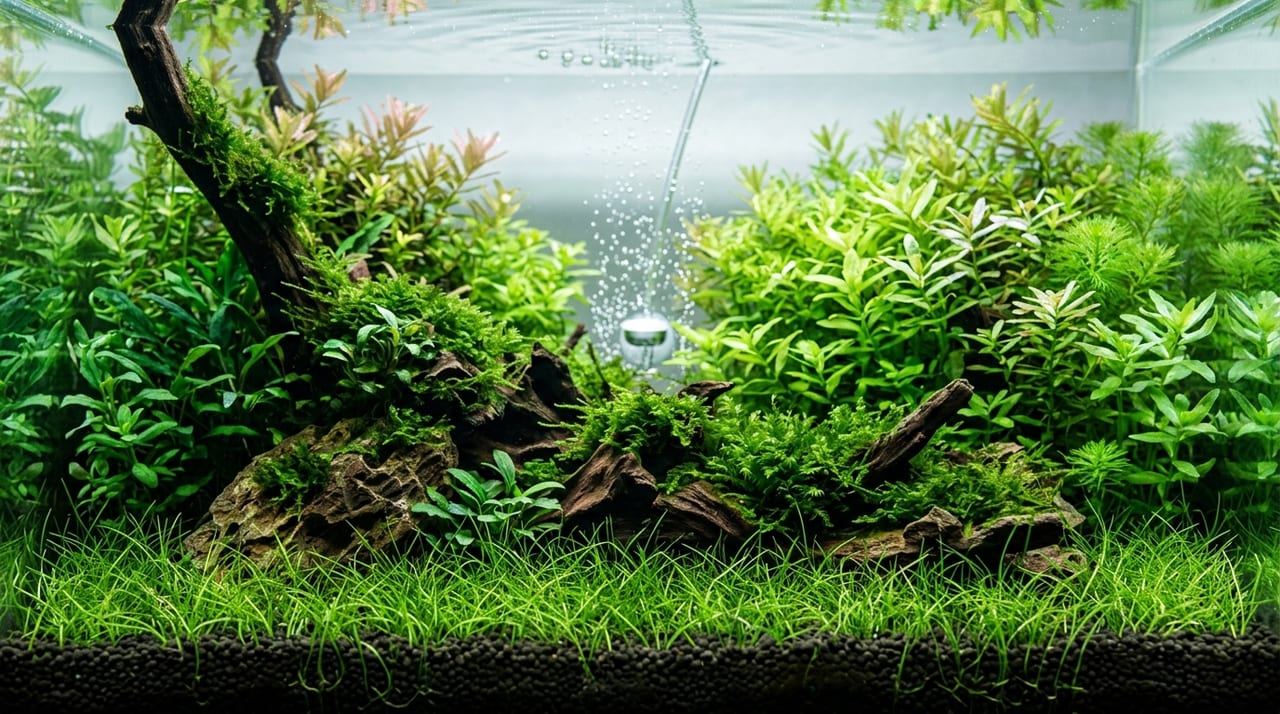
To maintain the beauty of an aquatic plant tank over the long term, it is essential to properly balance three elements: CO2, fertilizer, and light. These three elements are closely interconnected, and a surplus or deficiency in just one leads directly to problems such as "algae blooming explosively" or "aquatic plants losing color and declining."
For example, even if you increase light intensity, if CO2 is insufficient, algae will benefit more than aquatic plants. Similarly, adding more fertilizer without sufficient light won't help plants absorb it—the water will only become overly nutrient-rich. The golden rule is to keep all three elements in balance simultaneously, with neither excess nor deficiency. In this guide, we explain the role of each element and practical management methods in an easy-to-understand way for beginners.
CO2 Injection: The Most Critical Element for Aquatic Plant Growth
Aquatic plants require CO2 (carbon dioxide) as a material for photosynthesis. However, the amount of CO2 naturally dissolved in a tank's water is very small, and for many aquatic plants, the level is insufficient for proper photosynthesis. Adding CO2 from an external source dramatically improves growth speed, coloration, and leaf vigor. For more detailed equipment selection, see our guide Getting Started with CO2 Injection for Aquatic Plants.
Methods of CO2 Injection
| Method | Features | Best For |
|---|---|---|
| Fermentation Method | Low-cost method using yeast and sugar to generate CO2 | Beginners and small tanks |
| Small Cartridge Method | Easy to start with disposable cartridges | Those wanting to try it out |
| Large Cylinder Method | Stable injection using large cylinder + solenoid valve + timer. Good long-term value | Serious hobbyists and tanks 60cm or larger |
While the fermentation method has low initial cost, CO2 generation varies with temperature and lacks stability. If you aim for a serious aquascaped tank, we recommend considering a switch to the large cylinder method earlier rather than later.
How to Determine the Proper Injection Rate
- When aquatic plants release bubbles (the pearl grass phenomenon), the injection rate is sufficient
- If fish are gasping at the water surface, it signals excess CO2. Reduce the injection rate.
- Synchronize with the lighting schedule and stop CO2 injection when lights are off (at night, CO2 accumulates and can cause oxygen depletion).
- The ideal pH range is 6.5–7.0. Since CO2 injection lowers pH, managing it together with KH (carbonate hardness) improves precision.
Choosing and Applying Fertilizer: Understanding Macronutrients and Micronutrients
Nutrients needed by aquatic plants are divided into macronutrients (nitrogen, phosphorus, potassium) and micronutrients (iron, manganese, zinc, and others). Deficiency in either category stunts plant growth. For detailed guidance on fertilizer types and their uses, see our complete guide Complete Guide to Aquatic Plant Fertilizers.
Liquid Fertilizer: Rapid Supply to the Water
Liquid fertilizer is added directly to the tank dissolved in water. It is absorbed quickly and shows results readily, but it is lost with each water change, so regular addition once or twice weekly is standard practice.
- Particularly effective for supplementing micronutrients such as iron and manganese
- Also effective in correcting potassium deficiency (holes in leaves, yellowing)
- Excessive addition leads to overly nutrient-rich water and promotes algae, so follow the recommended dose.
Solid Fertilizer (Substrate Fertilizer): Slow Absorption Through Roots
This slow-release fertilizer is buried in soil or gravel. It is particularly effective for foreground plants and stem plants with good root development.
- Well-suited for long-term supply of macronutrients such as nitrogen, phosphorus, and potassium
- Effects last several months, requiring less maintenance
- Excessive accumulation in the substrate creates anaerobic zones that cause algae and odors, so use in moderation.
Reading Signs of Nutrient Deficiency and Excess
| Symptom | Possible Cause |
|---|---|
| Entire leaf yellows | Nitrogen deficiency / Iron deficiency |
| New shoots alone turn yellowish-white | Iron deficiency |
| Small holes appear in leaves | Potassium deficiency |
| Algae increases rapidly | Excess phosphorus/nitrogen |
| Leaf tips dissolve and wither | Sudden water quality change / Micronutrient deficiency |
Lighting Duration and Intensity: Controlling the Balance with Algae
Light is both the energy source for aquatic plant photosynthesis and the primary trigger for algae growth. Managing light intensity and duration is key to maintaining a beautiful tank. For guidance on choosing lighting equipment, see Aquatic Plant Lighting Selection Guide.
Lighting Duration Basics
- 8–10 hours daily is standard. Extending beyond this promotes algae growth.
- Always use a timer and turn lights on and off at the same time each day (to stabilize the plants' rhythm).
- During the initial setup period (1–2 months), shorten lighting to 6–8 hours, then extend it once the balance is established for safer results.
Light Intensity Guide by Plant Type
| Light Intensity | Suitable Aquatic Plants |
|---|---|
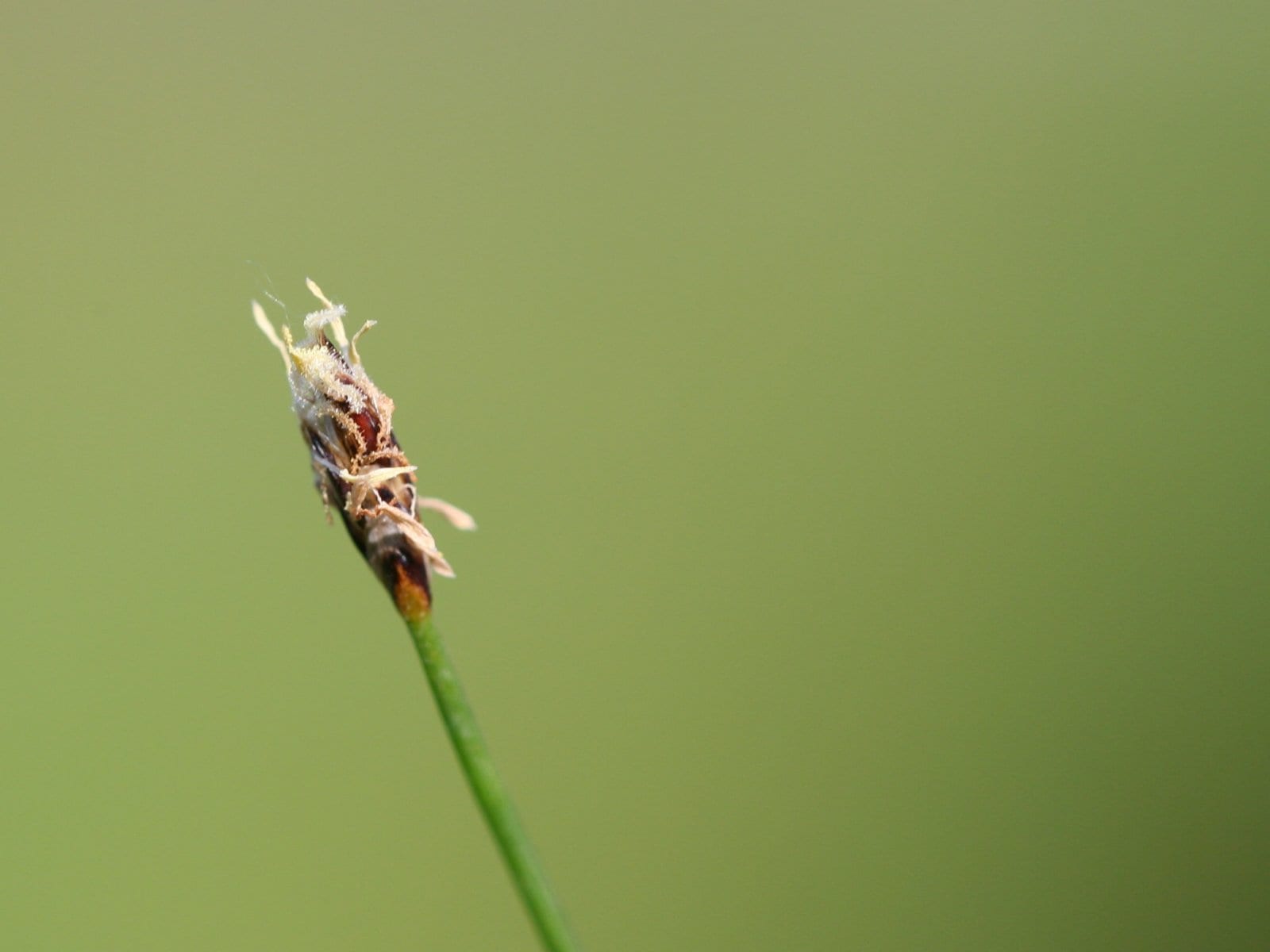
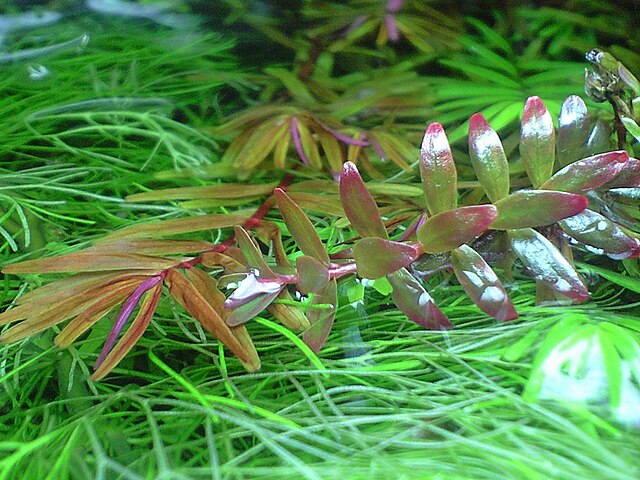
| High intensity | Glossostigma, Hair Grass (foreground carpeting), red stem plants |
| Medium to high intensity | Rotala, Hygrophila, Pearl Grass and other background stem plants |
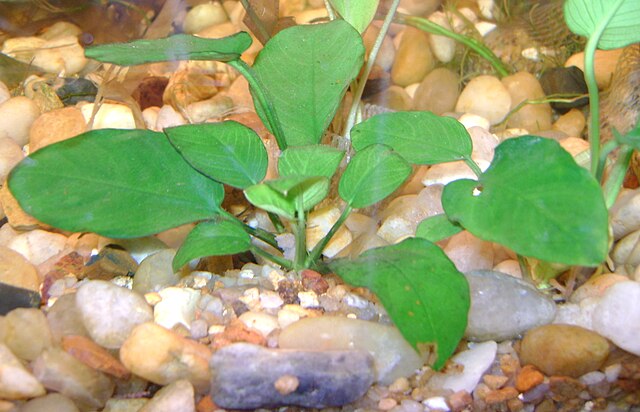
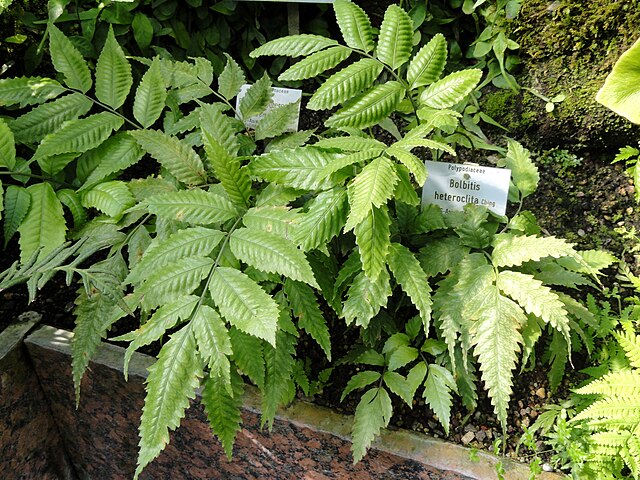
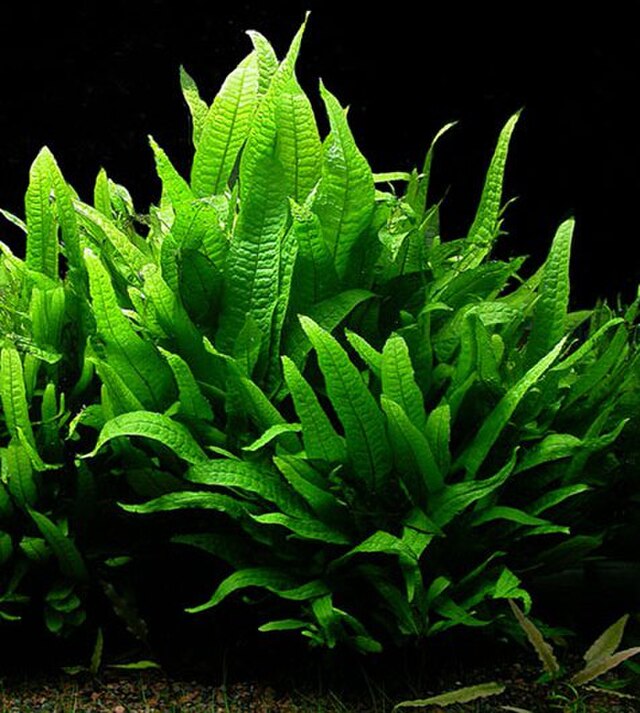
| Low to medium intensity | Anubias Nana, Microsorum, Bolbitis |
If you want to grow high-light foreground plants as a carpet, you must increase CO2 and fertilizer simultaneously with lighting intensity. It is important to raise light levels without disrupting the balance of all three elements.
Common Early Setup Mistakes and Solutions
Most aquatic plant tank problems stem from management mistakes during the initial setup.
Algae Blooms
This is the most common problem. The main causes are "excessive light," "too much fertilizer," and "insufficient water changes." Since bacteria are sparse and water is unstable right after setup, increasing water change frequency and managing with a reset-like approach is effective.
Aquatic Plants Dissolve and Disappear
Leaf dissolution during the transition from emersed leaves to submersed leaves is normal. However, it can also result from root rot or sudden water quality changes. Ensuring substrate permeability and avoiding compacting the soil are effective preventive measures.
Growth Stalls or Poor Coloration
One of the three elements—CO2, light, or fertilizer—is acting as the "limiting factor (the most deficient element)." The most efficient approach is to first check CO2 injection, then light intensity, and finally fertilizer.
GrowerDirect's Safety and Trust Features
On GrowerDirect, growers are encouraged to include detailed information about the growing environment (whether CO2 is used, lighting equipment, fertilizer types, water quality parameters, etc.) when listing aquatic plants. By choosing plants grown in similar conditions, new tanks adapt more smoothly, and early setup problems are significantly reduced.
Additionally, the direct messaging feature with growers lets you ask about their growing environment before purchase. Questions like "Can I grow this in my tank without CO2?" or "What fertilizer did you use?" can be answered, allowing even beginners to confidently obtain healthy aquatic plants.
Rare species, trimmed specimens, and beautiful foreground plants for carpeting—aquatic plants rarely found in shops can often be discovered on GrowerDirect. For the next step in your aquatic plant tank hobby, please make use of GrowerDirect.