[2026 Edition] 10 Common Mistakes with Succulents and How to Fix Them
A thorough guide to 10 common mistakes beginners make with succulents—overwatering, insufficient light, poor air circulation—plus care tips for popular species like Echeveria, Haworthia, and Sedum, with practical strategies to keep your plants alive.
![[2026 Edition] 10 Common Mistakes with Succulents and How to Fix Them](https://img.botachoku.com/column-images/succulent-leaf-propagation-guide/hero-1783665214075.jpg)
Key Takeaways
A thorough guide to 10 common mistakes beginners make with succulents—overwatering, insufficient light, poor air circulation—plus care tips for popular species like Echeveria, Haworthia, and Sedum, with practical strategies to keep your plants alive.
Related Species
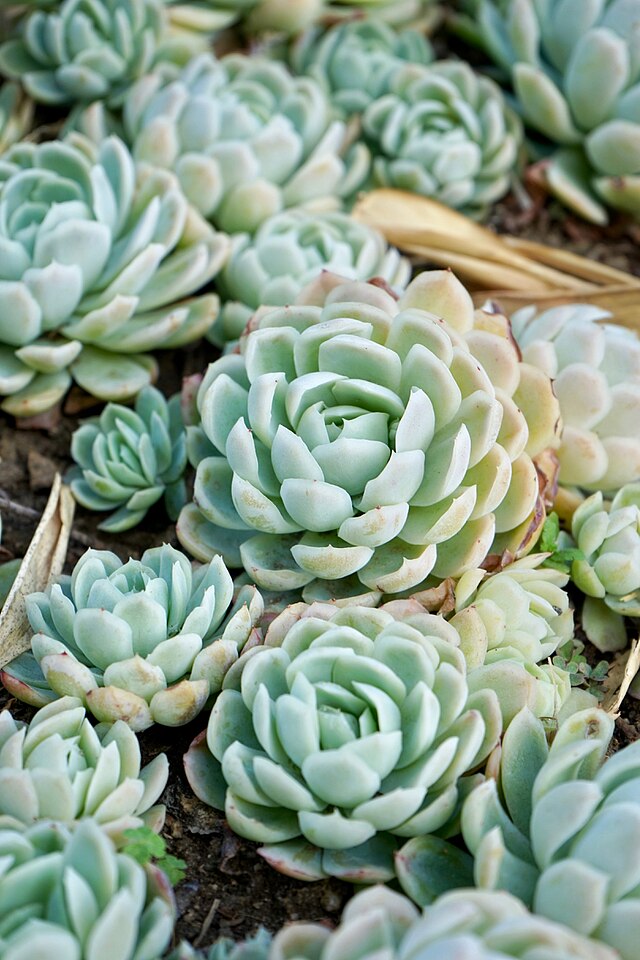
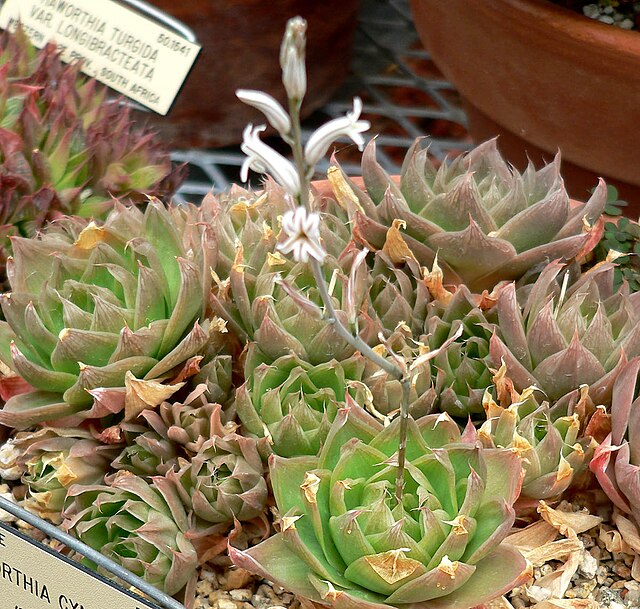
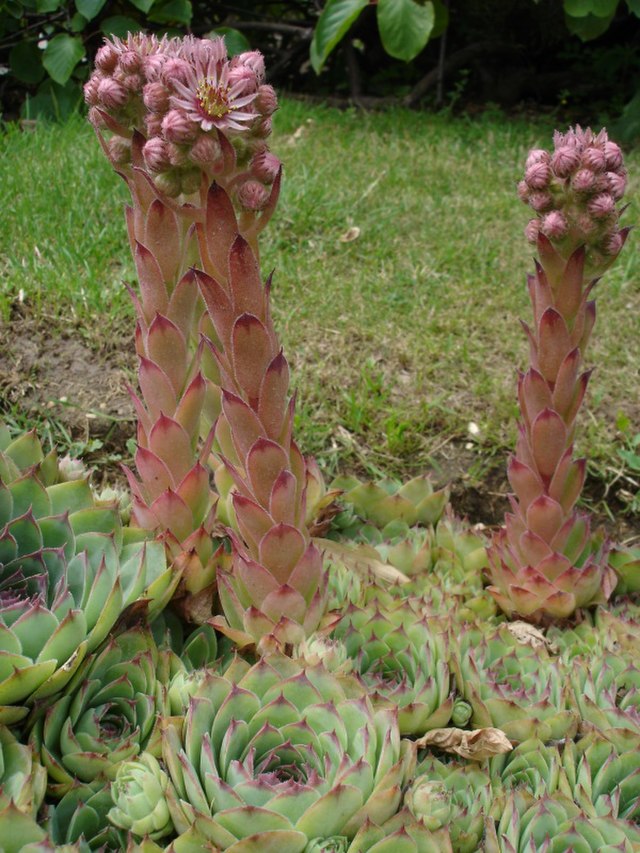
Succulents have a reputation for being hard to kill, but in reality many people end up killing them through improper care. Succulents are "drought-tolerant," not "able to thrive in any environment." This article explains the 10 most common mistakes beginners make with succulents and offers concrete solutions.
Mistake 1. Overwatering (Excess Moisture)
What's the mistake? Watering every day or watering before the soil has fully dried out.
Why is it dangerous? Succulent roots are weak when kept constantly wet and will rot. Once root rot takes hold, it spreads from the roots to the stem and eventually the entire plant—and by the time you notice, it may be too late. Leaves that become mushy and translucent before dropping are a sign of overwatering. If you suspect root rot, check How to Recover Succulents from Root Rot for early warning signs and recovery steps.
How to fix it
- Water thoroughly only after the soil is completely dry. Water until it flows from the drainage hole
- Growing season (spring and fall): about once every 7–10 days
- Summer dormancy (hot weather): 1–2 times per month, in the evening
- Winter dormancy: about once per month, or withhold water entirely
- When in doubt, don't water. Succulents are surprisingly drought-tolerant
Mistake 2. Insufficient Light
What's the mistake? Placing plants in dark indoor spots or by a north-facing window for extended periods.
Why is it dangerous? Without enough light, succulents stretch upward searching for light, becoming tall and spindly with wide gaps between leaves (etiolation). Once etiolated, the stretched parts don't recover, the leaves lose their color, and the overall plant becomes weak.
How to fix it
- Outdoors in partial shade to full sun is best. At minimum, 4–6 hours of direct sunlight daily
- For indoor care, place by a south-facing window. In winter, supplement with an LED grow light
- If etiolation has already occurred, recovery is possible with Succulent Stem Cutting Technique (cutting the stem to reshape the plant)
- Avoid sudden exposure to direct sunlight, which causes sunburn—gradually acclimate over a week
Mistake 3. Using Pots Without Drainage Holes
What's the mistake? Planting in cute glasses, mugs, or decorative pots that lack drainage holes.
Why is it dangerous? Without drainage holes, excess water pools at the bottom of the pot after watering, keeping roots constantly wet. This causes root rot and also allows anaerobic bacteria to proliferate, leading to mold and foul odors.
How to fix it
- Always use pots with drainage holes
- If you want to use a decorative pot, use it as a cache pot and place a plastic pot inside
- Terracotta pots offer excellent drainage and are ideal for succulents
- Plastic pots retain moisture longer, so reduce watering frequency accordingly
Mistake 4. Leaving Water in the Saucer
What's the mistake? Leaving water pooled in the saucer after watering.
Why is it dangerous? When water sits in the saucer below the pot, the bottom stays constantly wet, causing root rot. Especially during the rainy season when humidity is already high, even a few hours of pooled water can be fatal.
How to fix it
- Empty saucers within 30 minutes of watering
- Skip saucers entirely and water outdoors or on a balcony so water drains away
- Use pot risers or stands to elevate pots slightly and improve air circulation
Mistake 5. Using Standard Garden Soil
What's the mistake? Using potting soil intended for flowers or vegetables directly for succulents.
Why is it dangerous? Standard potting mix retains too much moisture for succulents. Soil high in leaf mold or peat moss drains slowly, drastically increasing the risk of root rot.
How to fix it
- Use succulent-specific potting mix for simplicity and reliability
- To make your own, aim for: small pebble pumice 3 parts : perlite 2 parts : lava rock 2 parts : charcoal 1 part (for detailed mixing examples, see Succulent Soil and Soil Selection Guide)
- Prioritize drainage. Layering coarse gravel at the pot bottom further improves drainage
- Haworthia benefits from slightly more water retention in the soil (higher ratio of pumice)
Mistake 6. Leaf Scorch from Peak Summer Sun
What's the mistake? Exposing plants to unshaded direct sunlight during peak summer (July–August) heat.
Why is it dangerous? Succulents love sunlight, but direct sun when temperatures exceed 35°C causes leaf scorch. Leaves turn white or brown and appear burnt. Once scorched, leaves cannot recover.
How to fix it
- In peak summer, use shade cloth (30–50% blockage) to soften direct rays
- Allow soft morning light, then move to partial shade in the afternoon
- Red-hued Echeveria and similar varieties are particularly prone to scorching—take extra care
- Haworthia naturally prefers partial shade, so provide particularly thorough shade during peak summer
Mistake 7. Leaving Plants Outside in Winter
What's the mistake? Leaving plants outdoors as frost arrives.
Why is it dangerous? Most succulents are native to southern Africa or Mexico and cannot survive freezing. When exposed to frost, cells freeze and die. Echeveria is damaged below 5°C and suffers fatal damage at 0°C or below.
How to fix it
- Move plants indoors before temperatures drop below 5°C
- Even indoors, watch for cold air from windows at night—move plants away from windows after dark
- Some species like Sedum and Sempervivum can survive winter outdoors (check your variety)
- A simple makeshift greenhouse with horticultural fleece or plastic sheeting also works
Mistake 8. Watering the Center of Rosette-Shaped Plants
What's the mistake? Watering from above with a watering can, allowing water to pool in the center of rosette-shaped plants like Echeveria.
Why is it dangerous? Water pooling in the rosette center triggers rot from that point outward. During hot, humid weather, decay can begin within hours. If the growing point rots, the entire plant dies.
How to fix it
- Water directly at the base of the plant using a narrow watering can or dropper
- If water accidentally gets into the center, use compressed air to blow it out
- If plants are outdoors and exposed to rain, move them under an eave
Mistake 9. Not Repotting
What's the mistake? Growing plants in the same pot and soil for years without repotting.
Why is it dangerous? When roots fill the pot completely (root-bound), they cannot absorb water and nutrients efficiently, and growth stalls. Old soil breaks down and loses drainage properties, increasing root rot risk.
How to fix it
- Repot every 1–2 years. The best times are spring (March–May) and fall (September–November)
- During repotting, trim old roots and remove damaged ones
- After repotting, hold off watering for 3–5 days to allow cut root ends to dry
- Move to a pot one size larger, or prune roots and return to the same size pot (see Complete Succulent Repotting Guide for detailed steps)
Mistake 10. Overfertilizing
What's the mistake? Fertilizing frequently because you want the plant to grow faster.
Why is it dangerous? Succulents are adapted to nutrient-poor environments. Too much fertilizer causes etiolation (excessive growth) and weak, soft plants that are vulnerable to pests and disease. Excess nitrogen is particularly harmful.
How to fix it
- Go light on fertilizer—succulents can thrive without any
- If you do fertilize, apply diluted liquid fertilizer (1/2 to 1/4 strength) once per month during the growing season only
- During repotting, mix a small amount of slow-release fertilizer (a little Magamp K) into the soil—that's often enough
- Don't fertilize during summer and winter dormancy
Summary: Three Principles to Keep Succulents Alive
- Water thoroughly only when soil is dry. When in doubt, hold off
- Ensure adequate light, but provide shade during peak summer heat
- Use well-draining soil and pots with drainage holes
Frequently Asked Questions (FAQ)
Q. Where's the best place to buy succulents? A. GrowerDirect connects you directly with specialist succulent growers, so you get accurate species names and healthy plants.
Q. Can an etiolated succulent be restored to normal shape? A. The stretched portion won't shrink back, but you can revive the plant to a compact form by stem cutting and reshaping.
Q. Can I grow succulents indoors only? A. Yes, with an LED grow light. However, natural sunlight is irreplaceable, so use window light as much as possible.
Q. How do I propagate succulents? A. Common methods are leaf propagation, stem cutting, and division. Echeveria is particularly easy to propagate from a single leaf.
GrowerDirect lets you buy rare varieties and quality seedlings directly from specialist growers. You can also ask growers directly about species characteristics and care tips.