[2026 Edition] 15 Recommended Succulents for Beginners | How to Choose & Growing Tips
For beginners looking to start growing succulents, we've carefully selected 15 fail-proof varieties. Complete growing guide for Echeveria, Sedum, Haworthia, and more.
![[2026 Edition] 15 Recommended Succulents for Beginners | How to Choose & Growing Tips](https://img.botachoku.com/column-images/succulent-leaf-propagation-guide/hero-1783665214075.jpg)
Key Takeaways
For beginners looking to start growing succulents, we've carefully selected 15 fail-proof varieties. Complete growing guide for Echeveria, Sedum, Haworthia, and more.
Related Species
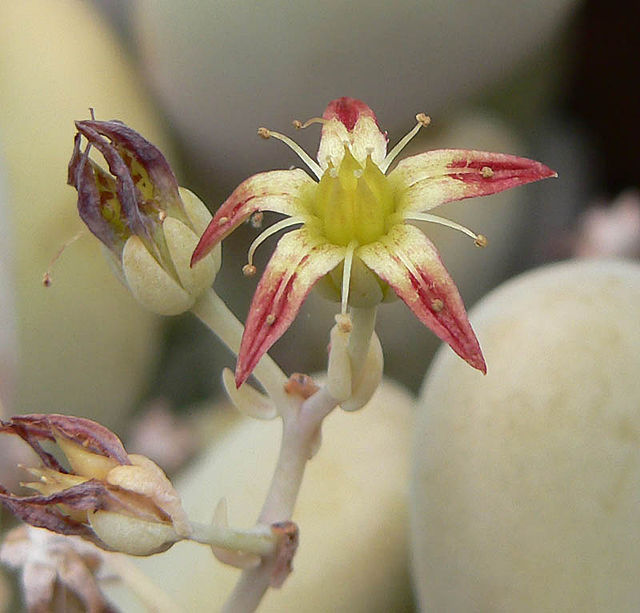
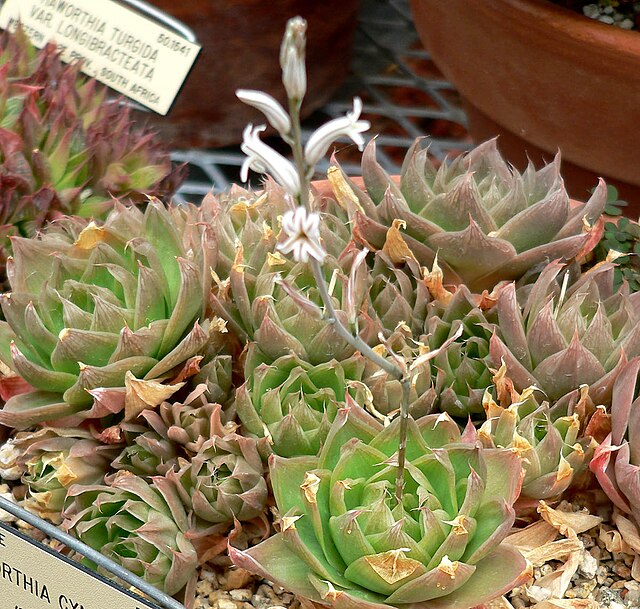
Succulents are prized for their plump leaves and unique forms, and are popular as interior décor. With infrequent watering, they're perfect for busy people, and offer abundant variety in arrangement and display options. We've carefully selected 15 varieties that are easy to grow even for beginners.
Tips for Choosing Succulents as a Beginner
- Heat and Cold Tolerance: Most important is whether they can survive summer and winter
- Light Requirements: Whether they can grow under indoor light or need outdoor conditions
- Growth Type: Management methods vary depending on spring/autumn type, summer type, or winter type
- Ease of Propagation: Varieties that increase through leaf propagation and division are rewarding
15 Recommended Succulents
1. Echeveria 'Momotaro'
- Difficulty: ★☆☆☆☆ / Price: ¥300–¥1,000 / Growth Type: Spring/autumn type / Cold Tolerance: Around 0℃
Pros: A classic rosette-forming Echeveria with beautiful shape. Leaf tips turn pink when it reddens in autumn. Robust and easy to grow. Cons: Sensitive to summer humidity and rot. Prone to etiolation (stretching). Growing Tips: Manage outdoors in bright sunlight. Avoid rain during the rainy season and summer. Water only after soil dries completely.
2. Haworthia obtusa
- Difficulty: ★☆☆☆☆ / Price: ¥500–¥3,000 / Growth Type: Spring/autumn type / Cold Tolerance: Around 3℃
Pros: A beautiful variety with translucent "windows" that allow light to pass through. Easy to grow in bright indoor spaces. Dislikes direct sunlight and suits indoor settings. Cons: Prone to leaf burn in strong sunlight. Growing Tips: Bright shade is ideal. Filtered light through sheer curtains. Can water slightly more frequently than other succulents.
3. Sedum 'Niji-no-Tama'
- Difficulty: ★☆☆☆☆ / Price: ¥200–¥500 / Growth Type: Spring/autumn type / Cold Tolerance: Around -3℃
Pros: Cute, bumpy leaves. Turns bright red when it reddens. Extremely hardy and grows even with neglect. Easy to propagate via leaf propagation. Cons: Prone to etiolation (stretching). Growing Tips: Manage outdoors in bright sunlight. Propagate from dropped leaves using leaf propagation.
4. Graptopetalum 'Oborozuki'
- Difficulty: ★☆☆☆☆ / Price: ¥200–¥500 / Growth Type: Spring/autumn type / Cold Tolerance: Around -3℃
Pros: One of the hardiest succulents. Gray leaves have subtle appeal. Grows vigorously even with neglect. Easy to propagate. Cons: Becomes leggy and sprawling as it matures. Growing Tips: Cut back when stretched to reshape. Propagate from cuttings.
5. Echeveria 'Lola'
- Difficulty: ★★☆☆☆ / Price: ¥500–¥1,500 / Growth Type: Spring/autumn type / Cold Tolerance: Around 0℃
Pros: Beautiful pastel pink rosette. Compact and small. Hybrid variety combines hardiness with beauty. Cons: Watch out for summer humidity and rot. Growing Tips: Keep in a well-ventilated location. Colors intensify in cool autumn and winter temperatures.
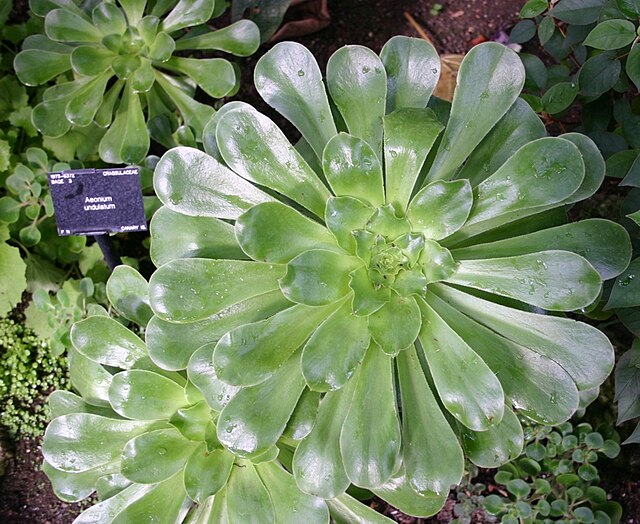
6. Aeonium 'Zwartkop'
- Difficulty: ★★☆☆☆ / Price: ¥500–¥2,000 / Growth Type: Winter type / Cold Tolerance: Around 3℃
Pros: Black rosette leaves with striking presence. Forms a tree-like appearance with a stem. Looks excellent as décor. Cons: Summer dormancy causes leaf drop (normal). Winter type has a different management cycle than others. Growing Tips: Active growth from autumn through spring. Provide shade and drought conditions in summer.
7. Senecio rowleyanus (String of Pearls)
- Difficulty: ★★☆☆☆ / Price: ¥300–¥800 / Growth Type: Spring/autumn type / Cold Tolerance: Around 3℃
Pros: Round leaves like green peas strung together. Ideal for hanging displays. Cons: Sensitive to overwatering; prone to root rot. Growing Tips: Use well-draining soil. Looks beautiful when hung and cascading. Water sparingly.
8. Kalanchoe tomentosa (Pussy Ears)
- Difficulty: ★☆☆☆☆ / Price: ¥300–¥800 / Growth Type: Summer type / Cold Tolerance: Around 5℃
Pros: Adorable leaves covered in soft fuzz. Pleasant to the touch. Robust and easy to grow. Cons: Somewhat sensitive to cold. Growing Tips: Bring indoors during winter. Keep in a bright location. Water sparingly.
9. Lithops (Living Stones)
- Difficulty: ★★★☆☆ / Price: ¥500–¥2,000 / Growth Type: Winter type / Cold Tolerance: Around 0℃
Pros: Fascinating stone-like form. Known as "living stones." Interesting to observe the shedding process. Cons: Watering is tricky. Overwatering leads to rot. Growing Tips: Keep completely dry during shedding. Water once or twice monthly during active growth (autumn through spring).
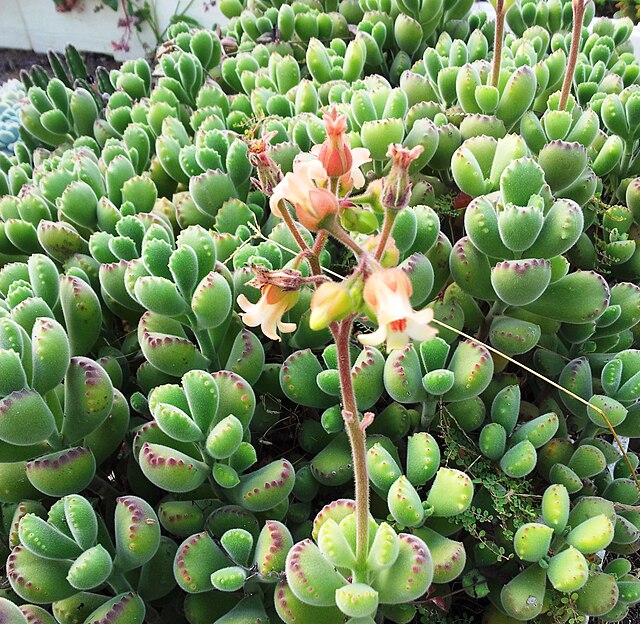
10. Cotyledon tomentosa (Bear's Paw)
- Difficulty: ★★☆☆☆ / Price: ¥300–¥1,000 / Growth Type: Spring/autumn type / Cold Tolerance: Around 3℃
Pros: Adorably thick leaves resembling bear paws. Popular on social media. Cons: Sensitive to overwatering. Leaves are fragile and drop easily. Growing Tips: Water sparingly. Keep in a well-ventilated location.
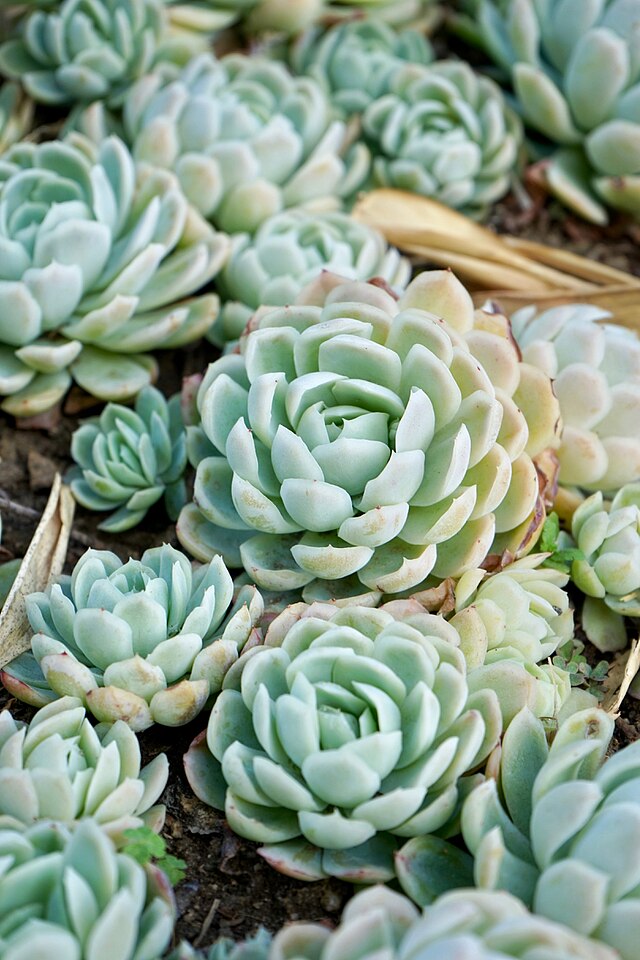
11. Pachyphytum oviferum (Moonstones)
- Difficulty: ★☆☆☆☆ / Price: ¥300–¥800 / Growth Type: Spring/autumn type / Cold Tolerance: Around 0℃
Pros: Adorable plump, egg-shaped leaves. Beautiful powdery white coating. Robust and easy to grow. Cons: White powder washes off when touched. Growing Tips: Avoid excessive handling. Keep in bright sunlight.
12. Sedum pachyphyllum (Jelly Bean Plant)
- Difficulty: ★☆☆☆☆ / Price: ¥200–¥500 / Growth Type: Spring/autumn type / Cold Tolerance: Around -3℃
Pros: Charming variety with pink-tipped leaves when it reddens. Extremely hardy. Similar to Niji-no-Tama but with pointed leaf tips. Cons: Prone to etiolation (stretching). Growing Tips: Expose to bright light to encourage autumn coloring. Excessive watering causes stretching.
13. Echeveria 'Shichifukujin'
- Difficulty: ★★☆☆☆ / Price: ¥300–¥1,000 / Growth Type: Spring/autumn type / Cold Tolerance: Around -3℃
Pros: A long-loved Echeveria in Japan. Produces many offsets and forms colonies. Robust and cold-hardy. Cons: Watch out for summer humidity and rot. Growing Tips: Outdoor management is fine. Use a larger pot to enjoy the clustered growth.
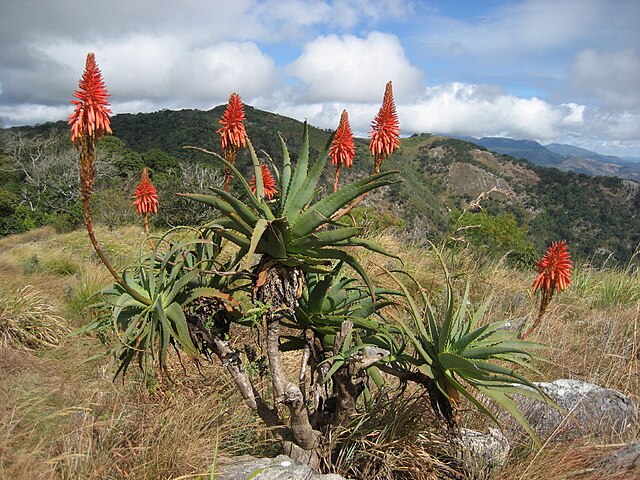
14. Aloe 'Funyajo'
- Difficulty: ★☆☆☆☆ / Price: ¥300–¥800 / Growth Type: Summer type / Cold Tolerance: Around 0℃
Pros: Compact aloe. Hardy and grows indoors. Easy to propagate from offsets. Cons: Becomes leggy in insufficient light. Growing Tips: Place by a bright window. Water only after soil dries completely.
15. Echeveria 'Hanaharara'
- Difficulty: ★★☆☆☆ / Price: ¥300–¥1,000 / Growth Type: Spring/autumn type / Cold Tolerance: Around 0℃
Pros: Beautiful Echeveria with red-edged leaf tips. Especially vibrant during autumn color. Easy to grow. Cons: Watch out for summer humidity and rot. Growing Tips: Keep in bright, well-ventilated location. Autumn coloring intensifies in cool autumn and winter temperatures.
Basic Succulent Care for Beginners
| Item | Budget Guide | Tips |
|---|---|---|
| Pot (terracotta or plastic) | ¥100–¥500 | Drainage holes required |
| Succulent soil | ¥300–¥800 | Commercial mix is fine |
| Pot shards/gravel | ¥200–¥300 | Improves drainage |
| Total | Around ¥600–¥1,600 | Plant cost separate |
Basic Watering Rules
- Water thoroughly only after soil is completely dry
- Empty water that collects in saucers
- Winter: once or twice monthly. Summer: depends on growth type
- Wrinkled leaves indicate insufficient water
- For details on different watering techniques (bottom watering, semi-submerged watering, misting), see Succulent Watering Techniques
Frequently Asked Questions (FAQ)
Q. Which succulents can I grow indoors?
A. Haworthia is best suited for indoors. Since it dislikes direct sunlight, bright shade is fine.
Q. What if my succulent becomes leggy/etiolated?
A. The cause is insufficient light. Cut and propagate from cuttings to reshape, and move to a brighter location.
Q. How do I propagate from leaves?
A. Gently remove a leaf and place it on dry soil. Roots appear in 1–2 weeks. Water only after roots form.
Q. How do I manage them in winter?
A. Bring indoors if frost occurs in your area. Reduce watering to build cold tolerance.
Q. What do I do when the pot becomes root-bound?
A. When you see signs of root-binding, it's time to repot. For timing and steps, see Complete Guide to Repotting Succulents.
Related Content
GrowerDirect works with specialist growers who carefully cultivate succulents. Find your favorite plant in our Succulent category.