Carnivorous Plant Dormancy Management Guide | How Temperate and Tropical Species Spend Winter
A guide to winter dormancy management for carnivorous plants, divided into temperate and tropical species. This article introduces the cold periods necessary for Venus flytrap and pitcher plant dormancy, heat retention management for Nepenthes, and the risks and long-term effects of skipping dormancy.
Key Takeaways
A guide to winter dormancy management for carnivorous plants, divided into temperate and tropical species. This article introduces the cold periods necessary for Venus flytrap and pitcher plant dormancy, heat retention management for Nepenthes, and the risks and long-term effects of skipping dormancy.
Related Species
What is Dormancy in Carnivorous Plants?
When growing carnivorous plants, you'll notice that from autumn into winter, the leaves begin to wither and growth stops. This is "dormancy." Many beginners mistake this phenomenon for disease or death and over-manage, but dormancy is a normal physiological process that the plant chooses as part of its survival strategy.
The key point is that not all carnivorous plants enter dormancy in the same way. Depending on the climate of their native habitat, "temperate species" and "tropical species" differ completely in their dormancy requirements, depth, and management methods. Without understanding this difference, uniform management can weaken plants or, in the worst case, cause them to die.
Temperate Species Dormancy Management | The Key is Proper Cooling
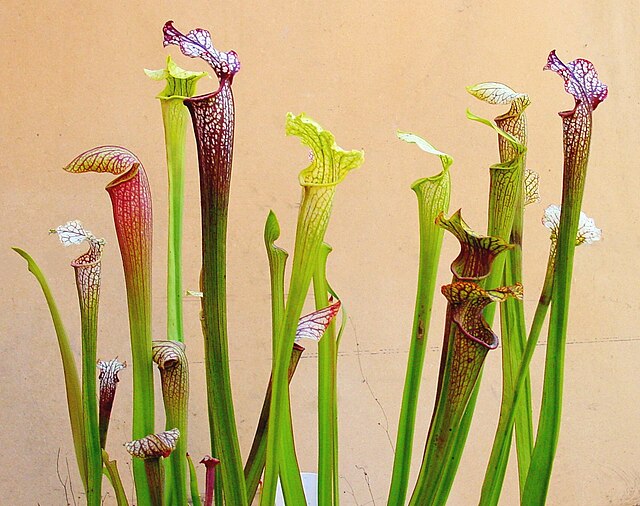
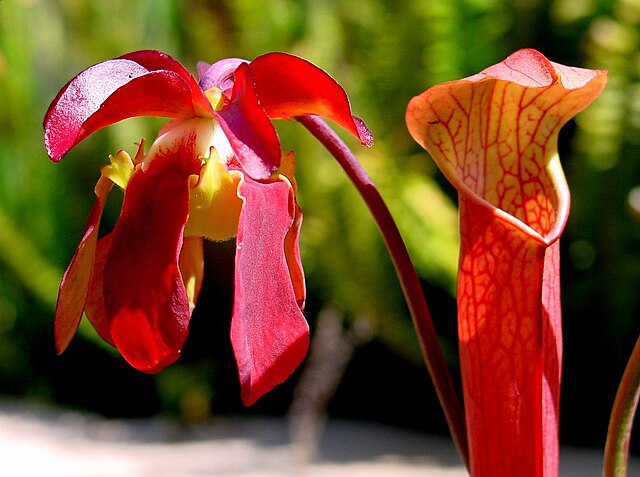
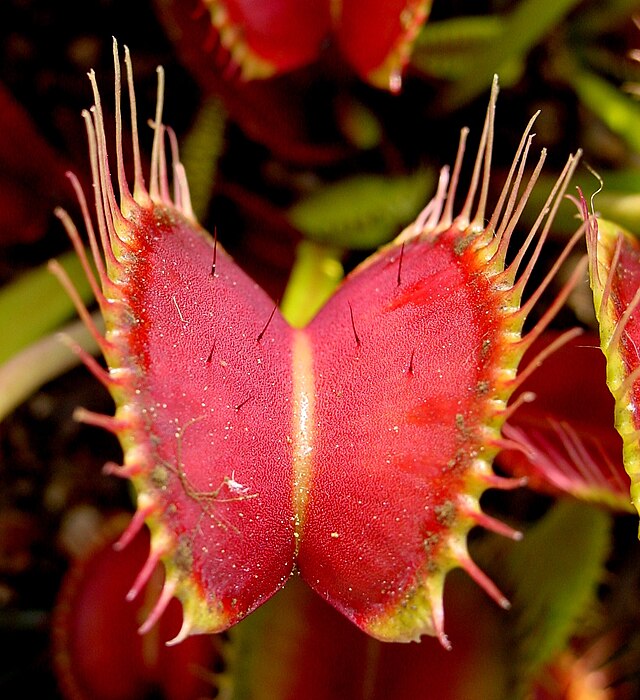
Representative temperate species include temperate Sundew varieties (Drosera), Pitcher Plants (Sarracenia), and Venus Flytraps (Dionaea muscipula). These grow wild in eastern North America and temperate regions of the Northern Hemisphere, where winter temperatures drop to around 0–5°C.
Depth of Dormancy
Temperate species require "deep dormancy." Venus Flytraps in particular experience significantly reduced growth the following year if not exposed to a cold period during winter. Many plants lose most of their above-ground parts, leaving only bulbous winter buds. Even popular varieties like Venus Flytrap Red Dragon should not be considered abnormal for this.
Specific Management Methods
- Temperature range: Ideally maintain 0–10°C for 2–4 months. Use an eaves area protected from frost, an unheated greenhouse, or a refrigerator vegetable crisper (around 5°C).
- Watering: During dormancy, metabolism slows, so water sparingly, keeping the soil from drying out completely. Continue bottom watering, but keep the water level lower than usual (around 1–2 cm).
- Light: Dormant plants need little light. Though they tolerate complete shade, some weak light is preferable.
- Fertilizer and insects: Neither are needed during dormancy. Feeding insects can cause decay since the plant cannot digest them.
Even when Pitcher Plant's above-ground tubular leaves die, the underground rhizome survives. Hardy varieties like Sarracenia rubra can be managed outdoors without heating, but dead leaves become a breeding ground for mold, so proper management is to trim them at the base in early winter. For more detailed Venus Flytrap dormancy management, see "Venus Flytrap Dormancy Management Complete Guide | How to Safely Navigate the Winter Dormancy Period."
Tropical Species Dormancy Management | Not Inducing Dormancy is Key
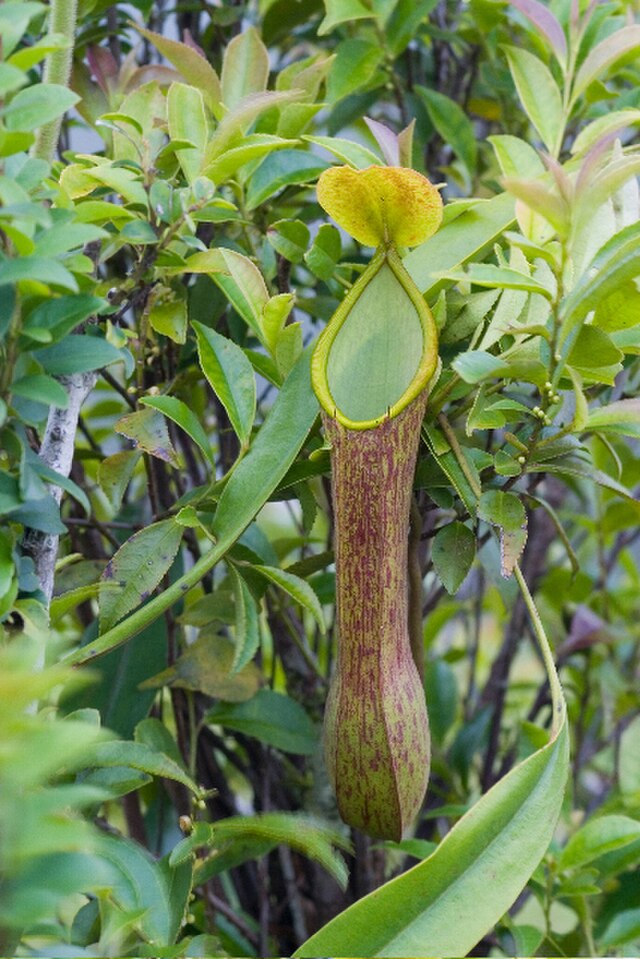
Most Nepenthes (Tropical Pitcher Plants) and Heliamphora are tropical or subtropical natives. These species are adapted to warm, humid conditions year-round, so cold like Japan's winter is merely "stress."
Tropical Species Don't Need Dormancy
Cooling tropical species in winter is counterproductive. Lowland Nepenthes species (N. rafflesiana, the hardy and widely available N. alata) stop growing below 15°C and begin tissue necrosis at 10°C or below. Highland species (N. lowii, N. rajah, etc.) are relatively cold-tolerant, but below 5°C is still dangerous. For detailed comparison of lowland and highland species, see "The Difference Between Nepenthes Highland and Lowland Species | Complete Temperature Management Guide."
Specific Management Methods
- Temperature range: Lowland species require a minimum of 15°C; highland species need a 10–20°C day/night temperature difference. Use heating equipment like panel heaters or greenhouse heaters.
- Watering: Even in winter, never let the soil dry out. Water generously when the surface begins to dry. Be careful not to overwater and cause root rot.
- Humidity: Maintain 60–80% humidity. Use a humidifier or enclosed case (terrarium) in dry indoor spaces.
- Light: Winter daylight is short, so running a grow light for 12–14 hours daily helps maintain growth.
Handling Intermediate Species | Diversity in Sundews and Butterworts
Sundew (Drosera) and Butterwort (Pinguicula) genera are extremely diverse, with temperate and tropical species mixed within them.
In the Case of Sundews
- Temperate species (D. rotundifolia, D. anglica): Require cold dormancy like Venus Flytraps.
- Tropical species (D. capensis, D. aliciae): South African natives that can grow year-round if kept above 5°C. However, winter growth slows, so reduce watering slightly.
- Australian tuberous species (D. tuberosa group): Have unique ecology with summer dormancy. Require drying and storage.
In the Case of Butterworts
- Mexican highland species (P. moranensis, P. ehlersiae): Transform into small, fleshy leaves called "dormancy leaves" in winter. Reduce watering extremely—only about once per week during this period.
- Temperate species (P. vulgaris): Require cold dormancy.
It's essential to research each species' native habitat before deciding on management methods.
Post-Dormancy Management | Successfully Encouraging Spring Awakening
Handling plants after dormancy is just as important as dormancy management itself. Sudden environmental changes harm plants.
Spring Management of Temperate Species
From late February through March, as temperatures exceed 10°C, Venus Flytraps and Pitcher Plants begin to develop new growth. Pay attention to the following:
- Gradually increase light: Sudden direct sun causes sunburn. Start with gentle morning light, then gradually move to brighter locations over 2–3 weeks.
- Gradually increase watering: Once new growth appears, return bottom-watering levels to normal.
- No fertilizer: This applies to all carnivorous plants—fertilizer harms roots. Prioritize natural nutrition from insect capture.
Transition Management of Tropical Species
If moving tropical species from indoor winter care to outdoors in spring, gradually acclimate them through a "hardening" process. Continue indoor management until the minimum temperature consistently stays above 15°C.
Common Mistakes and Solutions
Mistake 1: Keeping Temperate Species in Warm Indoors Over Winter
Out of sympathy, some manage plants in warm spaces, preventing dormancy and exhausting the plant's reserves. When spring arrives, the plant awakens weakened. Temperate species need cold.
Mistake 2: Leaving Tropical Species in Unheated Locations
Leaving tropical species in unheated rooms or entryways to save energy results in cold damage: blackened, rotting leaves. As an investment in tropical species care, a small panel heater (around ¥1,000–3,000) is essential.
Mistake 3: Cutting Off Water During Dormancy
Complete water deprivation harms roots. As a principle, never let soil humidity reach zero, even for temperate species.
Mistake 4: Managing Without Confirming Species Identity
Assuming "all carnivorous plants need the same care" is the biggest mistake. Simply confirming the scientific name or group (temperate/tropical) at purchase and adjusting management accordingly dramatically improves survival rates.
Carnivorous plant dormancy management may look complex at first glance, but following the basic principle of mimicking the plant's native habitat makes the answers clear. Success in long-term cultivation depends on observing the signals plants send and continuing management that respects each species' natural rhythm.