How to Choose Pots for Caudex Plants | Material, Size, and Design Considerations
Learn how to select pots suitable for caudex plants. This guide covers the differences in drainage and water retention between terracotta, plastic, and ceramic pots, how to choose pot diameter based on caudex size, and how to coordinate pots with appealing aesthetics.
Key Takeaways
Learn how to select pots suitable for caudex plants. This guide covers the differences in drainage and water retention between terracotta, plastic, and ceramic pots, how to choose pot diameter based on caudex size, and how to coordinate pots with appealing aesthetics.
Related Species
Why Pot Selection Matters for Caudex Plants
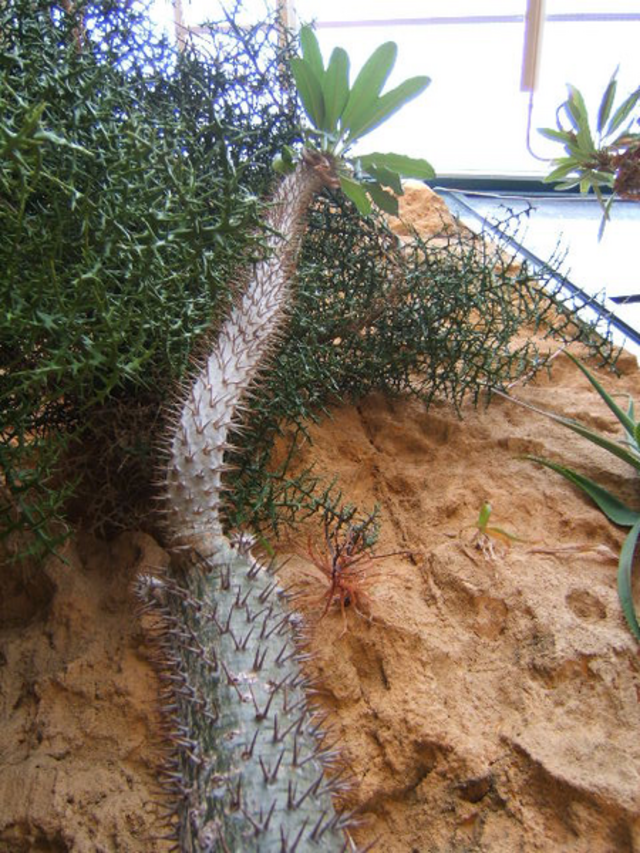
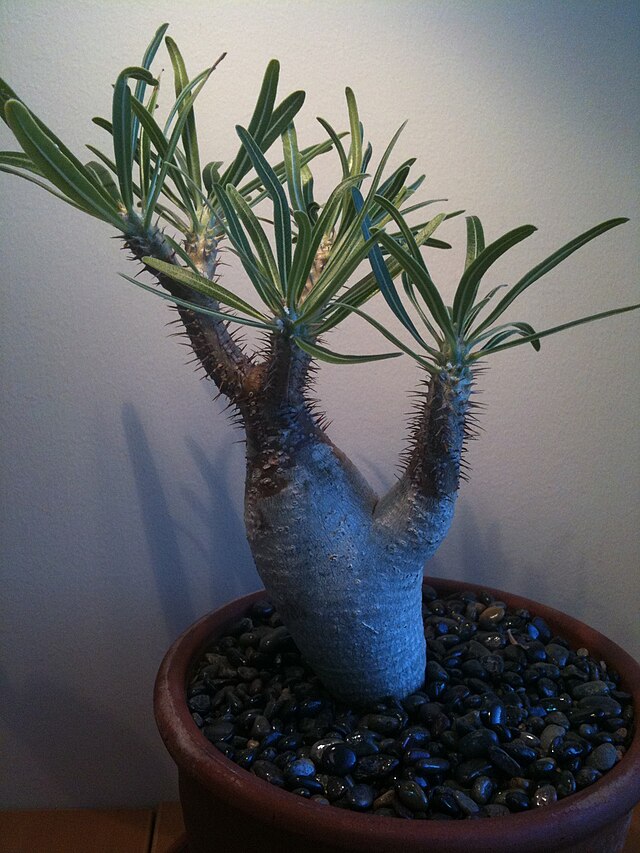
Caudex plants (also called caudiforms) are a group of plants with the unique ability to store water and nutrients in their stems and roots. Popular species such as Pachypodium, Adenium, Operculicarya, and gracilius share a critical sensitivity to excessive moisture. Root rot can develop unexpectedly, and delayed detection often makes recovery difficult.
For this reason, pot selection is not merely an aesthetic choice—it directly determines whether your plant will thrive or decline. Material, size, shape, and design each have a significant impact on air circulation, drainage, and root development. Selecting the right pot reduces watering mistakes and promotes healthy root growth.
Understanding Material Properties
Terracotta (Unglazed Pots)
Terracotta is one of the most suitable materials for caudex plants. Unglazed pots allow water and air to pass through the sidewalls, making it easy to prevent excess moisture at the base. The entire pot facilitates air circulation, and soil dries quickly after watering.
The drawbacks are weight and fragility. When growing large Pachypodium outdoors and moving pots frequently, care is needed. Additionally, prolonged use of hard tap water containing mineral deposits can leave white residue on the pot's exterior. While harmless, this can be wiped away periodically if appearance is a concern.
Plastic Pots (Including Slit Pots)
Plastic pots are lightweight, easy to handle, and affordable. Slit-designed plastic pots feature multiple grooves on the sides and bottom, which promote root branching through air-pruning—root tips naturally die back and branch out. This reduces root-binding and makes roots easier to untangle during repotting.
However, plastic retains more moisture than terracotta, so you must actively monitor soil moisture. The surface often dries while the interior remains wet. The standard approach is to assess dryness by the pot's weight or by inserting your finger into the soil.
Ceramic and Glazed Pots
Ceramic pots have excellent decorative appeal and beautifully showcase the caudex's form. However, glazed ceramic has virtually no air permeability, and managing it like terracotta will likely result in root rot.
When using ceramic pots, ensure the drainage hole is sufficiently large, and place a thicker layer of stones (pumice or gravel) at the bottom to guarantee drainage. It's safest to water less frequently than you would with plastic pots.
Concrete and Cement Pots
Concrete has gained popularity in the interior plant market in recent years. While less breathable than terracotta, it offers adequate air circulation and pairs well with caudex plants. Its weight provides excellent stability for larger specimens. Since it may leach alkaline compounds, it's safe to soak the pot in water before first use.
Basic Principles for Sizing
The belief that "larger pots promote better root growth" is a misconception. When a pot is oversized for a caudex plant, water that roots cannot absorb lingers in the soil, dramatically increasing the risk of rot. Here are sizing guidelines:
- Pot diameter: 1 to 1.5 times the stem width is standard. Wide-rooted plants or actively growing young specimens may tolerate up to 2 times, but anything larger makes humidity control overly difficult.
- Pot depth: Most caudex plants spread roots laterally rather than deeply; species such as Pachypodium gracilius and Adenium can thrive in shallow pots (depth around 0.7–0.8 times the pot diameter). In fact, deep pots trap water at the base and increase rot risk.
- Upsizing at repotting: Choose a pot one size larger (2–3 cm wider) than the previous one. Gradually increasing size with annual repotting makes it easier to adjust root condition.
Pot Size for Gracilius—Quick Reference Chart by Caudex Width
The most common question about "recommended pots for caudex plants" is which pot size to use for Pachypodium gracilius. Converting the earlier guideline of "1 to 1.5 times stem width" into pot sizes (1 size = 3 cm diameter) yields the following:
| Specimen status (caudex width) | Recommended pot size | Notes |
|---|---|---|
| Seedling, less than 1 year old (1–2 cm) | Size 2–2.5 (6–7.5 cm diameter) | Use deeper plastic pots to encourage downward root growth |
| Seedling, 2–3 years old (3–5 cm) | Size 3–3.5 (9–10.5 cm diameter) | Slit pots are easiest to manage |
| Caudex 5–8 cm | Size 3.5–4 (10.5–12 cm diameter) | Aim for 1.2–1.5 times stem width |
| Field specimen, caudex around 10 cm | Size 4–5 (12–15 cm diameter) | Caudex width plus 2–4 cm |
| Caudex 15 cm or larger | Size 5–6 (15–18 cm diameter) | Depth of 0.7–0.8 times pot diameter is sufficient |
Signs the pot is too large: soil remains wet more than a week after watering. Signs the pot is too small: the caudex touches the pot rim, roots emerge from the drainage hole, or water drains so quickly that leaves wilt easily. Repot from April to June once new growth appears. See Complete Guide to Repotting Caudex Plants for procedure and soil type, and How to Grow Pachypodium Gracilius for overall gracilius care.
Recommended Pot Types by Purpose
| Purpose | Suitable pots | Reason |
|---|---|---|
| Seedling cultivation (germination to 2 years) | Black plastic pots, slit pots | High heat retention, lightweight, affordable to purchase in quantity |
| Managing roots of field specimens | Deep slit pots, terracotta | Dry quickly; easy to lift and inspect roots |
| Group management outdoors | Slit pots | Uniform drying when arranged in matching sizes |
| Indoor display, raised-root style | Shallow ceramic pots, concrete pots | Prioritize aesthetics; water conservatively |
For detailed guidance on coordinating display pots with caudex plants, see Complete Guide to Pot Selection and Display for Caudex Plants.
The Importance of Drainage Holes and Bottom Drainage Material
Even the finest pot material cannot function without drainage holes. Always select pots with drainage holes at the base. If the hole is too small, drilling it larger is effective. Because terracotta and ceramic are fragile, use a tile bit and drill slowly.
While opinion varies on using bottom drainage material, we recommend it for caudex plants. Placing 2–3 cm of pumice, gravel, or large akadama pellets at the base prevents the drainage hole from clogging and improves bottom-level air circulation. Placing a drainage screen over the hole before adding bottom material also prevents soil from washing out.
Balancing Design and Aesthetics in Pot Selection
Caudex plants are often called "living sculptures," and their form has inherent aesthetic value. The pot is the pedestal; it should play a supporting role that highlights the plant.
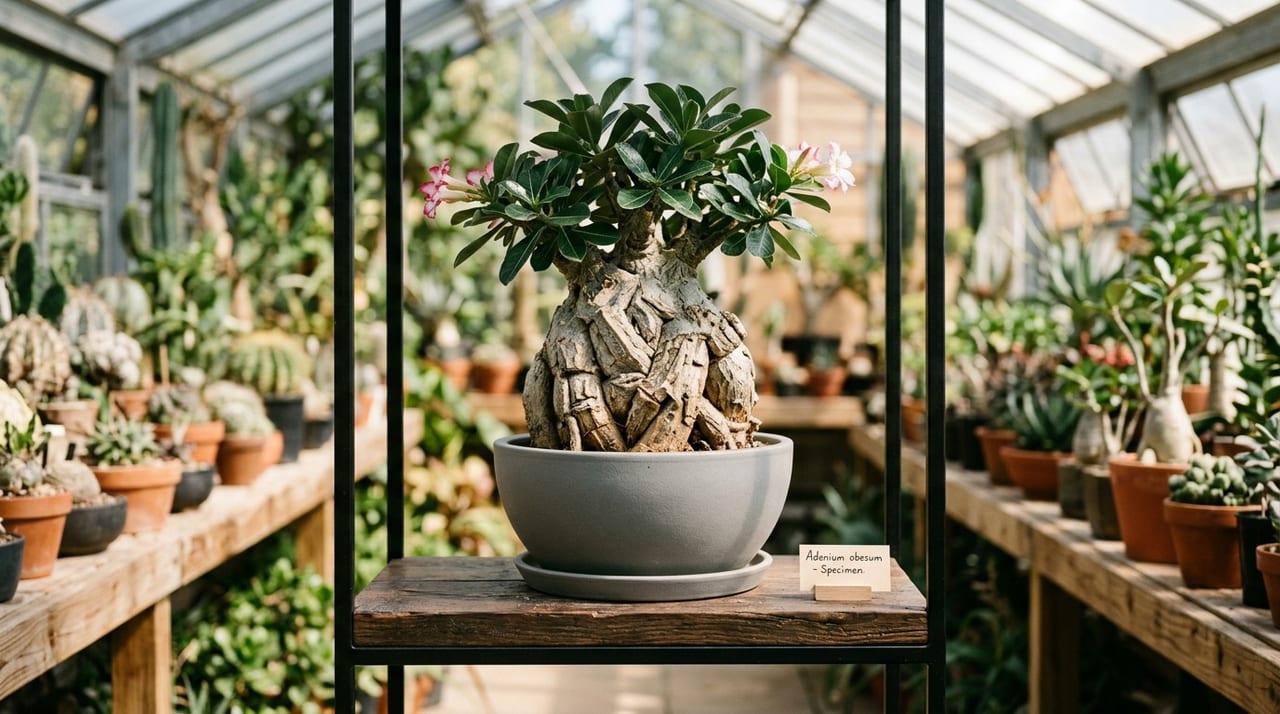
As for color: light-green to gray stems like gracilius are enhanced by terracotta's warm tones or concrete's gray. The vibrant flowers of Adenium obesum are complemented by simple white or black ceramic pots that function as a background.
In terms of form, the raised-root style—where the caudex projects above the pot—has gained popularity. By burying only the lower portion of the caudex and exposing the upper part, you emphasize its characteristic form. In this style, choosing a shallow pot rim ensures the entire plant's shape stands out.
Japanese aesthetic materials (bonsai pots) also pair beautifully with caudex plants. Planting Operculicarya parasioides in a shallow rectangular pot evokes the quiet beauty of bonsai aesthetics.
Selection Guidelines by Season and Management Style
The ideal pot depends on your management environment and season as follows:
| Environment / Season | Suitable pots | Key points |
|---|---|---|
| Full-sun outdoor environment (typical for summer-growing caudex) | Terracotta, slit pots | Favorable for promoting dryness; air permeability supports management even during humid rainy seasons |
| Indoor aesthetic management | Ceramic pots, concrete pots | Prioritize appearance while reducing watering frequency. Because light is often limited and evaporation is slow, watering "several days after soil dries" is the safest approach |
| Winter dormancy (most African and Malagasy species) | Terracotta | Placement and warmth matter more than pot material. The drying effect helps prevent rot from excess moisture |
Ultimately, pot selection should be based on the environment where your plant will grow and your management approach. By matching the pot's material, size, and form to your specific care style, you can significantly reduce the difficulty of growing caudex plants.