Complete Guide to Making Terrariums | Differences Between Sealed and Open Types and Care
We explain container selection, base and potting soil, layout, suitable plants, water circulation in sealed terrariums, and care for open terrariums.
Key Takeaways
We explain container selection, base and potting soil, layout, suitable plants, water circulation in sealed terrariums, and care for open terrariums.
Related Species
A terrarium recreates a miniature natural world inside a glass container. With its appeal as an interior decoration and the ability to enjoy it in limited space, terrariums are becoming increasingly popular in 2026. This article provides a detailed explanation from the fundamentals of terrariums to creation procedures and long-term care tips. Even beginners can easily get started with the content here.
Types and Characteristics of Terrariums
Terrariums are broadly divided into two types: "sealed" and "open." Understand the characteristics of each and choose the type that suits your lifestyle.
- Sealed terrariums: Made in a glass container with a lid. Inside the container, water evaporates and condenses repeatedly, creating a "water circulation cycle," so watering is almost unnecessary. Perfect for moss and tropical plants that prefer high humidity. Requires the least maintenance
- Open terrariums: Made in a glass container without a lid. Good air circulation makes them suitable for succulents and air plants that prefer dryness. Regular watering is required, but the risk of mold from moisture buildup is low
- Semi-sealed terrariums: Made with a lid slightly ajar or in a narrow-mouthed container. Creates a humidity environment between sealed and open types. Ideal for plants like ferns and fittonia that prefer moderate humidity
How to Choose a Container
Container selection greatly influences the appearance of your terrarium.
- Glass bottles (for sealed terrariums): Bottles with cork or glass lids. Items like plum wine bottles or reagent bottles available at craft stores work fine. A wider opening makes planting easier
- Glass domes (for sealed terrariums): A type where a glass dome sits on a wooden or cork base. High visual appeal, ideal for display
- Glass bowls and glasses (for open terrariums): Containers with wide openings like wine glasses or fishbowls. Easy to work with and beginner-friendly
- Geometric terrariums (for open terrariums): A modern design with glass panes set into brass or black frames. Makes a striking accent for interior decor
- Tips for selection: Choose glass with high transparency. Plastic tends to cloud and is not suitable for long-term use. A diameter of 15cm or larger is easy to work with and looks better
Preparing the Base and Potting Soil
The base layer of a terrarium is created with layers that consider both drainage and appearance.
- Layer 1 - Drainage layer (1–2cm): Lay down hydro balls or small-grain pumice stone. Since terrariums lack drainage holes, this layer provides an escape route for excess water
- Layer 2 - Activated charcoal (thin layer): A thin layer of activated charcoal purifies water and prevents odors. Granular activated charcoal for gardening is easy to use
- Layer 3 - Sphagnum moss or mesh (thin layer): A divider to prevent soil from falling into the drainage layer. Either lay down dried sphagnum moss thinly or cut and use pot-bottom mesh
- Layer 4 - Potting soil (2–4cm): For moss terrariums, use soil (dark soil-based), for foliage plants use peat moss-based light soil. For succulents, use well-draining soil with a higher proportion of sand
- Decorative sand and pebbles: Using white sand or colored gravel as layout accents creates a beautiful finish
Recommended Plants for Terrariums
Choosing plants that match your container type is key to success.
Plants recommended for sealed terrariums are as follows:
- Japanese holly fern moss and narrow-leaved old man moss: Classics for moss terrariums. Beautiful like a green carpet. Prefer high humidity and are ideal for sealed types
- Fittonia (net plant): A small plant with beautiful white or red leaf veins. Prefers humidity and pairs excellently with terrariums
- Selaginella (spikemoss family): Delicate fern-like leaves. Grows beautifully in high-humidity environments
- Mini foliage plants (such as mini Monstera and pumila): Small varieties grow compactly even inside sealed containers
Plants recommended for open terrariums are as follows:
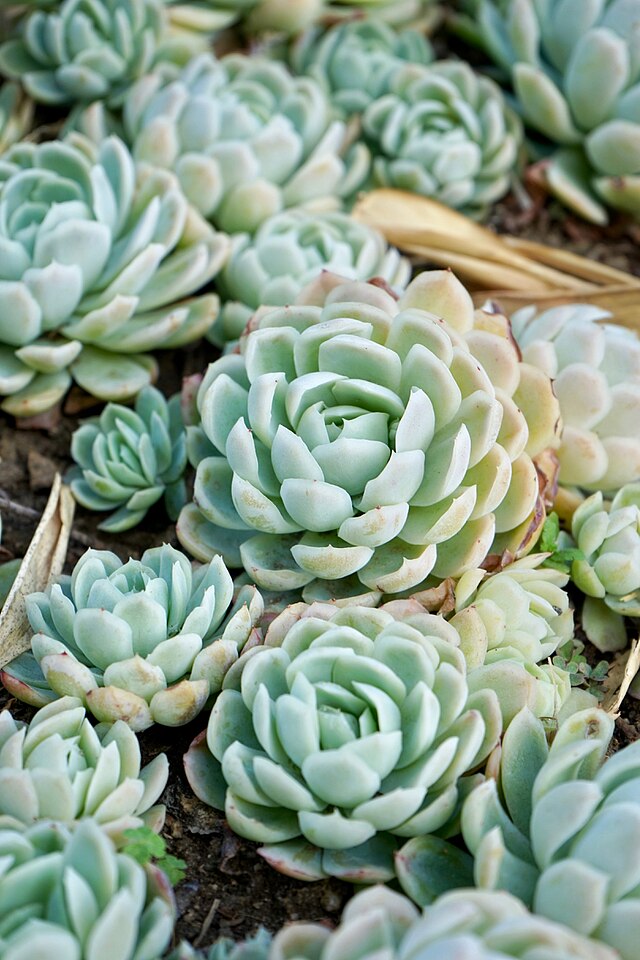
- Succulents (such as echeveria and sedum): Prefer dryness, making them ideal for open types. Combining colorful varieties creates a vibrant display
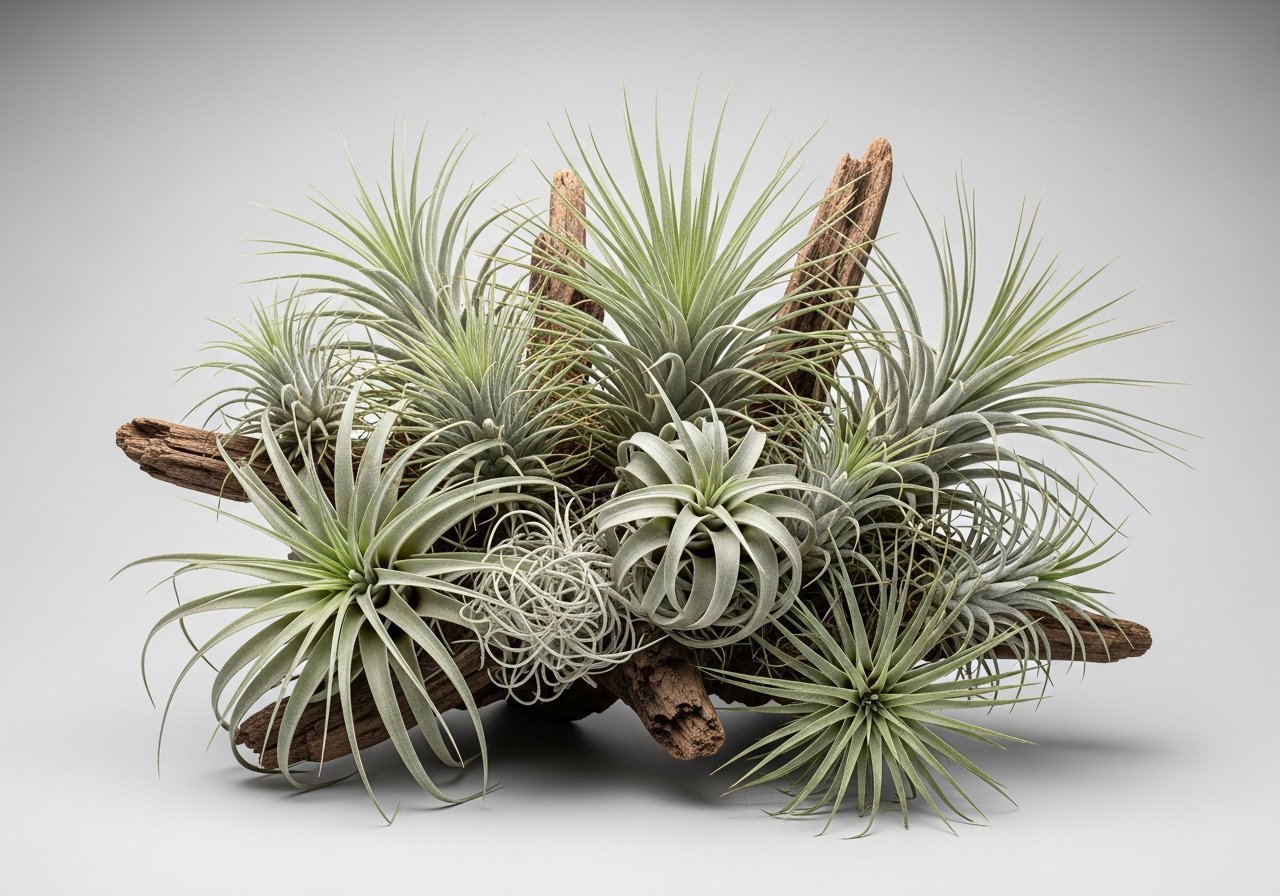
- Air plants (tillandsia): Require no soil; attach them to stones or driftwood. Prefer environments with good air circulation
- Mini cacti: Small cacti as accents. Use well-draining sandy soil
Layout Tips
Tips for drawing out the full appeal of your terrarium through layout:
- Consider depth: Place tall plants in the back and short plants in front. Creating ups and downs with stones and driftwood to form "peaks" and "valleys" creates dimension
- Use triangular composition as your foundation: Position main elements off to one side to create a triangular silhouette. This creates more movement than centering everything
- Make use of stones and driftwood: Express rocky terrain with terrarium stones like lava rock or weathered mountain stone. Small pieces of driftwood can create the sense of scale of an ancient fallen tree
- Leave empty space: Avoid overcrowding plants; showing empty space like "sand-only ground" or "spreading moss" enhances the overall beauty
- Figurines and small objects: Adding small animal figurines or house miniatures creates narrative. Too many, however, becomes counterproductive
What to Do When Light is Insufficient
When placing a terrarium on a shelf or desk away from a window, natural light alone often results in insufficient light. Sealed types in particular need to avoid leaf burn, but if too dark, etiolation or moss browning occurs. Using a small plant grow light provides much greater flexibility in placement options. For more detailed information on selecting lights, see How to Choose Plant Grow Lights.
Long-Term Care Tips
Methods for maintaining your terrarium in beautiful condition over the long term:
- Watering sealed terrariums: Basically unnecessary. If condensation disappears from the glass inner wall, add a small amount of water with a mist bottle. Adding too much causes root rot and mold
- Watering open terrariums: Water with a mist bottle when the soil surface dries. Since the container has no drainage holes, use small amounts. Be careful water does not accumulate at the bottom
- Placement: Avoid direct sunlight (the glass interior heats up and plants become overheated). Bright shade or light through lace curtains is ideal
- If mold appears: Gently remove with a cotton swab and open the lid to ventilate. If it recurs, it signals too much moisture
- If plants grow too tall: Trim with small scissors. Remove cut stems to prevent decay
- Glass clouding: Wipe interior water droplets with a stick wrapped in paper towel. For the outside, regularly polish with glass cleaner
Frequently Asked Questions and Practical Advice
A collection of frequently asked questions from beginners and practical advice in response:
Q. If I'm growing one for the first time, what should I start with? A. I recommend beginning with hardy, easy-to-care-for standard varieties. Popular varieties have abundant information available, making it easier to find solutions when problems arise. Challenge rare expensive varieties once you have gained experience.
Q. I'm unsure about the right time to water. A. When in doubt, "don't water" is the right answer. Most plant problems stem from overwatering. If the pot feels light when you pick it up, that's a sign of dehydration; if still heavy, no watering is needed. Insert a bamboo stick into the soil and withdraw it; if there's no moisture, it's time to water.
Q. Is it better to grow them indoors or outdoors? A. It depends on the plant type and your home's environment. If you can ensure sufficient sunlight outdoors, most varieties grow healthier with outdoor care. For indoor care, consider installing a plant grow light. In either case, ensuring air circulation is important.
Q. I let mine die, but I can't figure out why. A. The most common cause is "root rot from excess moisture." Next is "weakening from insufficient light," followed by "cold damage in winter." Next time, use well-draining potting soil and make sure to allow sufficient intervals between watering. For guidance on repotting when moving plants from a terrarium to a pot, see also Complete Guide to Repotting Houseplants.
Finding Terrarium Materials on GrowerDirect
A terrarium is a fascinating hobby that lets you create your own world inside a small container. Once you master the basic steps, even beginners can create beautiful pieces. On GrowerDirect, you can purchase directly from trusted growers plants suitable for terrariums, such as moss and mini foliage plants. Why not create a one-of-a-kind terrarium with quality materials?