Enjoying Succulent Color Changes — Conditions & Care for Vivid Hues
How to bring out vibrant colors in succulents: temperature differentials, sun exposure, water restriction, and care techniques.
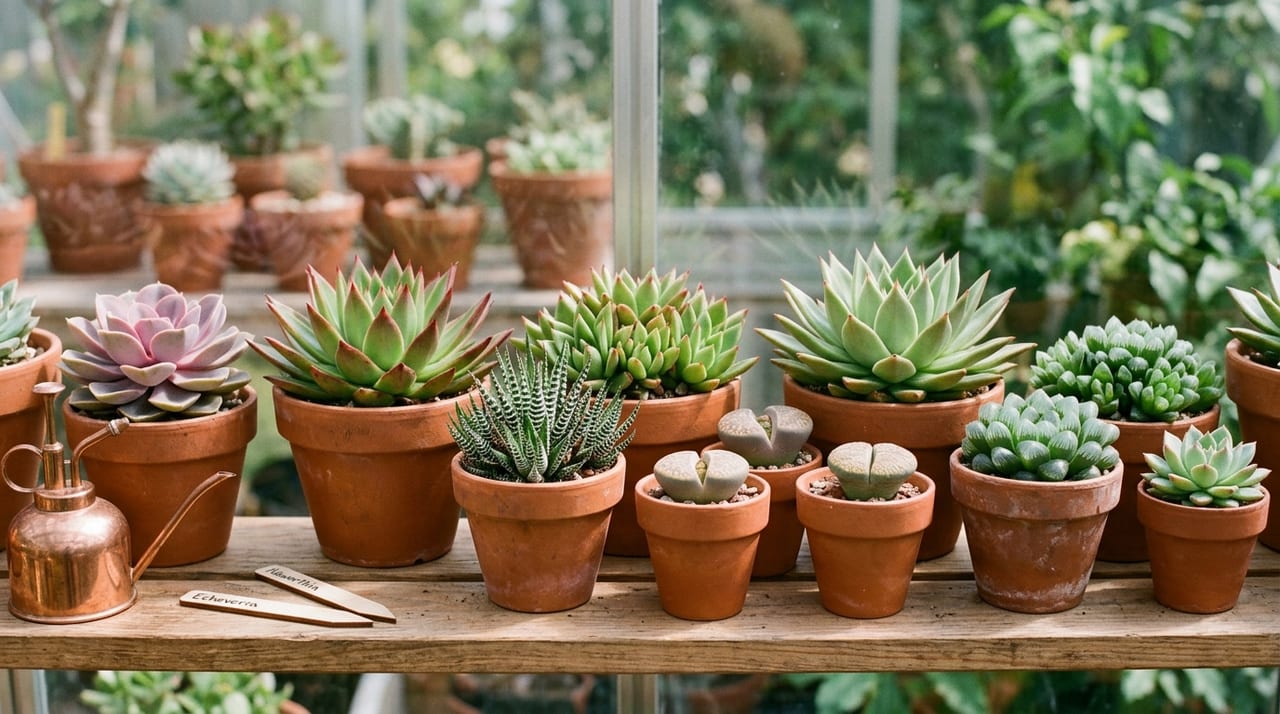
Key Takeaways
How to bring out vibrant colors in succulents: temperature differentials, sun exposure, water restriction, and care techniques.
Related Species
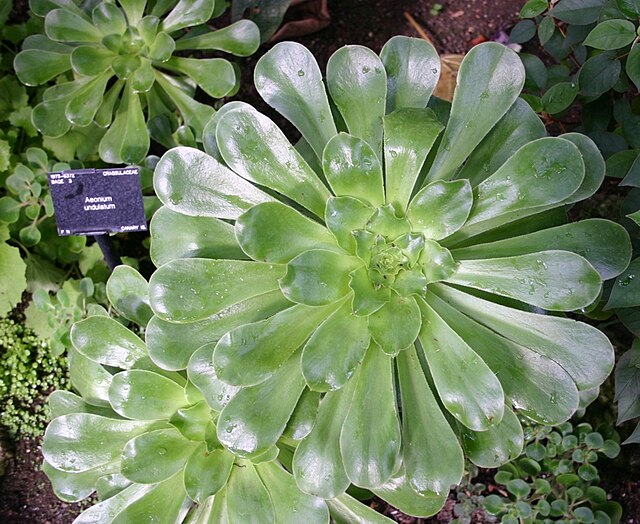
Aeonium
View species detailsBlack Rose Aeonium
View species details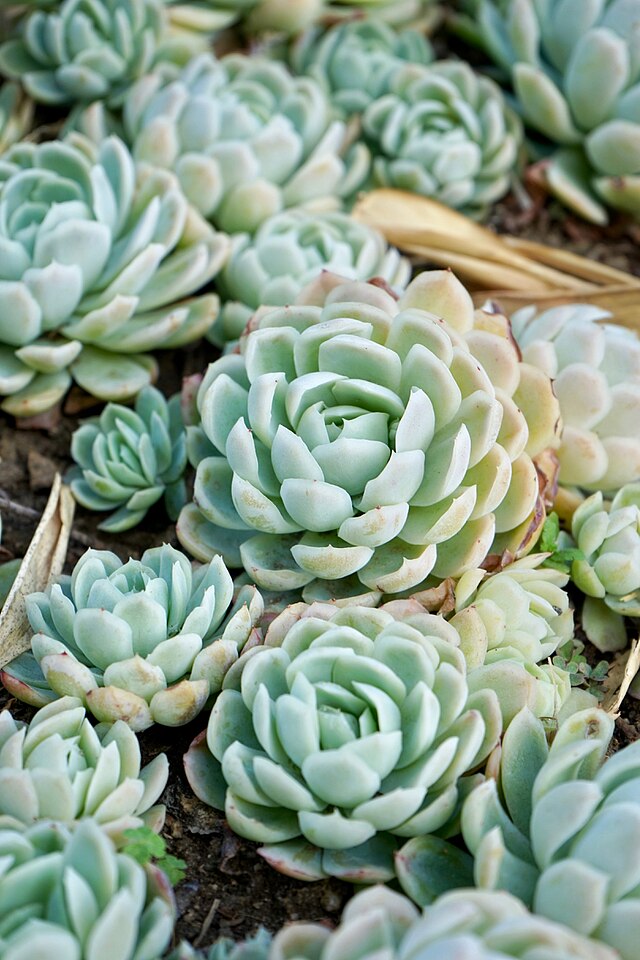
Echeveria
View species detailsEcheveria ‘Laurinze’
View species details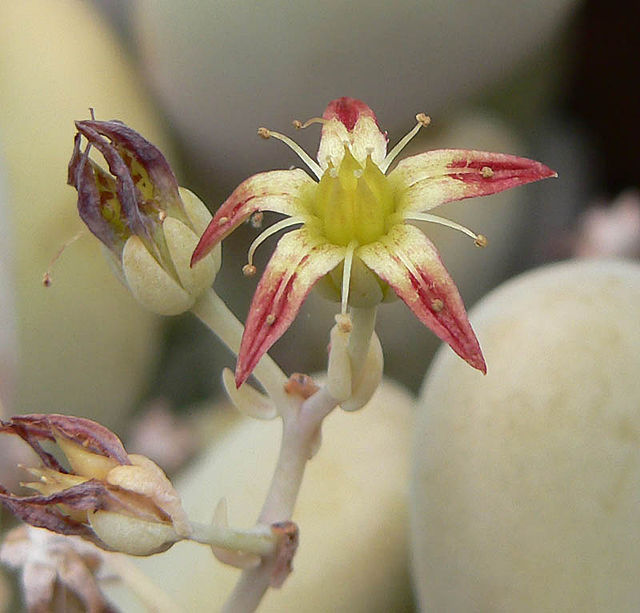
Graptopetlum
View species details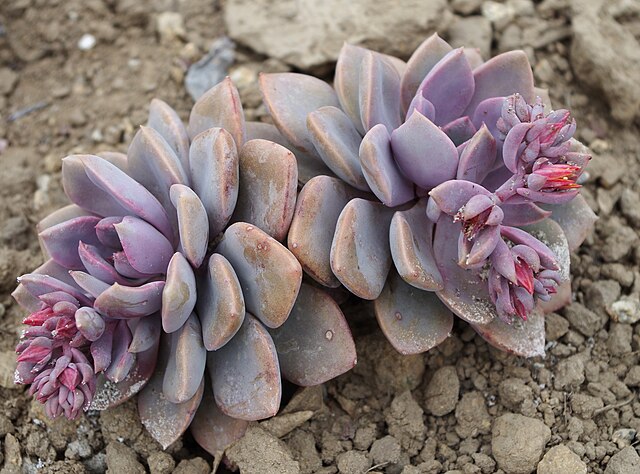
Graptoveria
View species detailsGraptoveria Debbie
View species details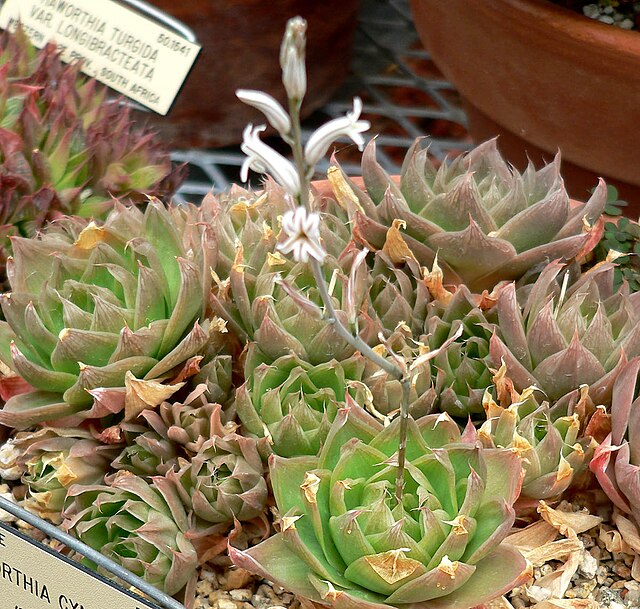
Haworthia
View species detailsMany succulents display vibrant colors ranging from deep reds and purples to blues and oranges. Understanding what triggers color expression helps maximize succulent beauty.
Causes of Succulent Coloring
Primary Color Factors - Pigment types in leaf cells (anthocyanins, carotenoids, chlorophyll) - Genetic expression determines potential colors - Environmental conditions unlock color potential - Stress (light, temperature, water) triggers pigmentation - Not all color expression requires plant stress
Light's Role in Coloring
Light Intensity Effects - Bright, intense light: Maximum color expression - Inadequate light: Pale, greenish color - 6+ hours direct sunlight daily: Optimal - Partial shade: Reduced color saturation - Insufficient light: Plant loses all coloring
Seasonal Light Changes - Winter: Shorter days reduce light intensity - Succulents naturally pale in winter - Spring arrival of intense light: Renewed coloring - Indoor plants: May not achieve full color - Rotation helpful for even light exposure
Light Duration Effects - Long day length: Intensifies colors - Summer intensity: Brightest colors - Gradual intensity changes: Natural color shifts - Artificial light: Generally insufficient for coloring - Full spectrum growing lights help indoors
Temperature Influence on Color
Cool Temperature Triggering - Temperature drops trigger pigment production - Fall cooling: Initiates color change - Temperatures 10-15°C lower at night: Optimal - Consistent warmth: Prevents some coloring - Some varieties require cold nights for color
Diurnal Temperature Swing - Day/night temperature difference important - Warm days, cool nights: Maximum color - Consistent temperature: Muted colors - Desert plants naturally experience swings - Greenhouse often too warm for full color
Seasonal Temperature Effects - Winter cool: Dormancy and color development - Spring warming: Growth resumes - Summer heat: Some plants bleach out - Fall cooling: Return to rich coloring - Timing affects color intensity
Water and Stress-Related Coloring
Mild Drought Stress - Some color expression triggered by water stress - Not the same as severe dehydration - Proper watering schedule achieves balance - Overwatered plants: Pale and weak - Underwatered plants: May brown/bleach
Watering Schedule Effects - Consistent moisture: Reduced coloring - Dry periods: Some pigment expression - Natural watering pattern: Mimics wild cycles - Moderate moisture: Generally sufficient - Avoid extremes for best results
Seasonal Water Reduction - Winter dormancy watering: Minimal - Reduced water naturally triggers color - Spring growth begins: Resume normal watering - This mimics natural conditions - Colors deepen during winter dormancy
Nutrient Availability
Soil Fertility Effects - Rich soil: Green vegetative growth - Lean soil: Better color expression sometimes - Well-draining mix adequate: Prevents excess - Minimal fertilizer: Often better for color - Over-fertilization: Lush green, reduced color
Fertilizer Timing - Growing season (spring/summer): Standard feeding - Fall/winter: Reduced or no fertilizer - This timing encourages dormancy-related coloring - Spring growth begins: Resume nutrition - Appropriate seasonality enhances color cycles
Phosphorus and Potassium - P and K influence color development - Specialized succulent formulas helpful - General fertilizers often higher in nitrogen - Nitrogen encourages growth over color - Balanced feeding with timing more important
Species-Specific Coloring
Deep Red/Purple Varieties - Echeveria species: Deep red edges with cool nights - Aeonium arboreum 'Zwartkop': Black-purple - Sedum spurium: Red coloring in cold - Sempervivum: Deep burgundy in cool season - These require light and cool temperature
Blue-Gray Tones - Echeveria lilacina: Natural blue-gray - Sedum multiceps: Blue-green coloring - Graptoveria hybrids: Blue-tinged - Lighting and watering affect intensity - Genetic expression of existing pigments
Orange and Yellow - Aeonium 'Sunburst': Yellow and red striped - Some Sedum: Orange tones - Kalanchoe: Yellow and orange varieties - Heat and light trigger expression - Cool nights deepen some shades
Green with Red Tips - Aloe species: Red-tipped in bright light - Haworthia hybrids: Red coloring develops - Many hybrid succulents: Light-dependent - Insufficient light: Completely green - Bright conditions: Red expression peaks
Achieving Maximum Color Indoors
Light Supplementation - Grow lights (full spectrum preferred) - 12-16 hours daily beneficial - Place near light source - Rotate plants for even exposure - Supplement winter light for maintenance
Temperature Management - Cool location possible indoors - Basement or cool room helpful - Unheated room in winter: Optimal - Cool windowsill: Better than warm - Don't expose to freezing directly
Strategic Watering Indoors - Reduce water in winter (natural dormancy) - Bright conditions during growing season - Proper drainage essential - This combination maximizes color potential - Consistent care yields good results
Color Loss Troubleshooting
Plant Turning Green Despite Conditions - Genetics: Not all varieties color equally - Age: Juvenile plants may not color fully - Individual variation: Plant-specific factors - Some varieties have low color expression - Incorrect identification possible
Sudden Color Loss - Inadequate light: Most common cause - Temperature change: Too warm usually - Overwatering: Causes pale appearance - Nutrient issues: Rare but possible - Check light first, then temperature
Partial Coloring - Light exposure uneven in area - Rotation helps: Turn plant regularly - Some areas naturally receive less light - Supplemental light helps - Move plant to brighter location
Seasonal Color Calendar
Spring (March-May) - Colors brighten with increasing light - Temperature warming: Color slightly reduces - Growth resumes: Green vegetative growth - Mixed colors common during transition - Cooler springs: Longer color maintenance
Summer (June-August) - Intense light: Deepest color expression possible - Heat: Can cause bleaching in some plants - Afternoon shade beneficial in extreme heat - Some plants fade in summer heat - Watering increases: Growth > color production
Fall (September-November) - Cooling temperatures: Renewed color - Reduced day length: Natural timing - Beautiful deep colors develop - Peak color period for most succulents - Photographers' favorite season
Winter (December-February) - Cool conditions: Sustained color - Minimal watering: Stress-induced pigments - Short days: Natural dormancy - Peak color expression period - Most vivid colors occur in winter
Color and Plant Health
Color as Health Indicator - Vibrant color: Generally indicates health - Pale or dull color: May signal problems - But color preference varies by species - Some naturally pale varieties - Assess changes from normal appearance
When Color Change Signals Problems - Sudden dramatic color change: Investigate - Brown or black: Potential rot - Excessive yellowing: Light or nitrogen excess - Transparent appearance: Overwatering likely - White patches: Potential pest or disease
Enjoying Succulent Colors
Display Optimization - Group colorful varieties together - Arrange by color for visual impact - Seasonal color displays possible - Rotation through seasons: Changing displays - Photography captures seasonal beauty
Color Appreciation Timeline - Patient observation of color changes - Documentation through photos - Seasonal color cycle enjoyment - Learning individual plant preferences - Rewarding long-term interest
Color in succulents results from the interplay of genetics, light, temperature, and care. With proper conditions, even modest succulents can display stunning colors. The most beautiful succulents are those grown with attention to these factors, revealing their full genetic potential.