How to Choose Shade Cloth for Succulents and Summer Care
This guide explains the types of shade cloth for protecting succulents from intense summer light and heat, how to choose shading percentages, installation methods, and summer watering management.
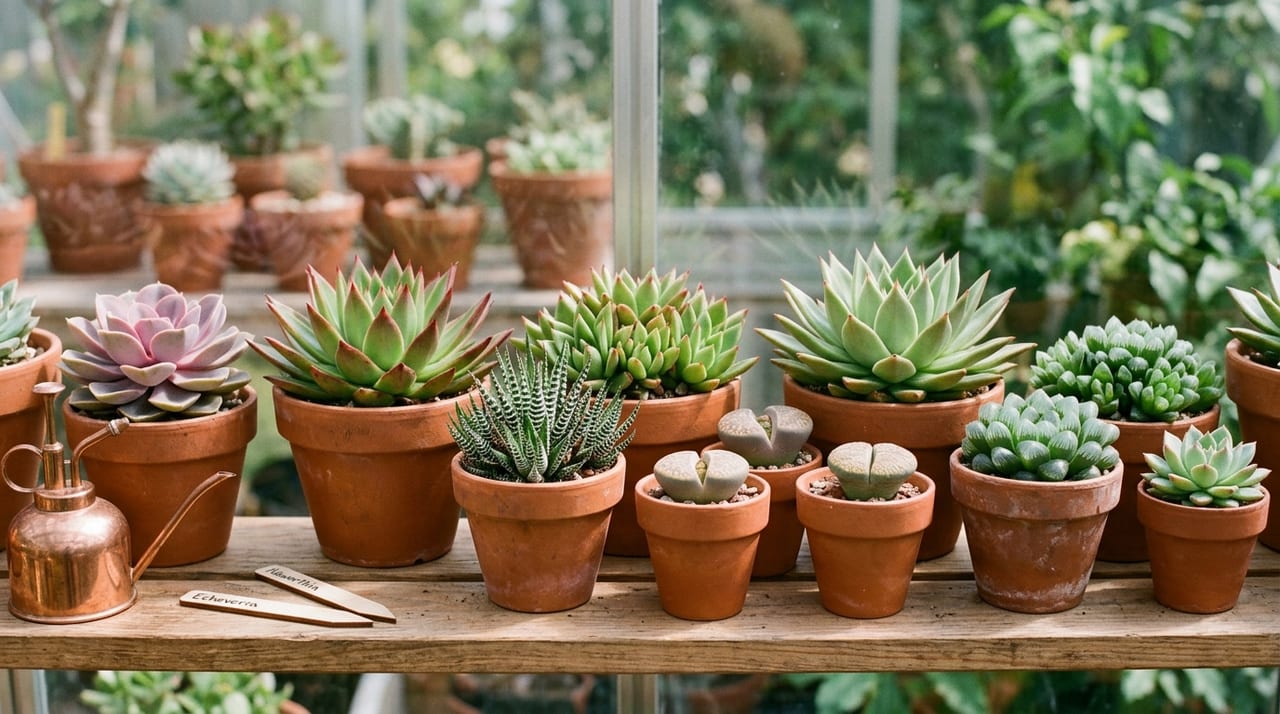
Key Takeaways
This guide explains the types of shade cloth for protecting succulents from intense summer light and heat, how to choose shading percentages, installation methods, and summer watering management.
Related Species
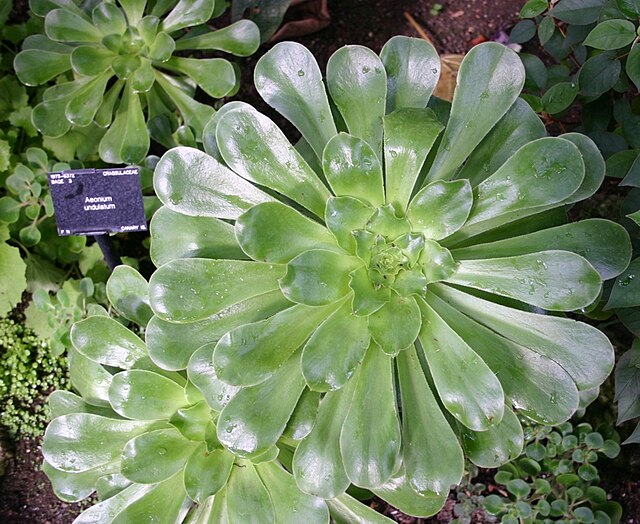
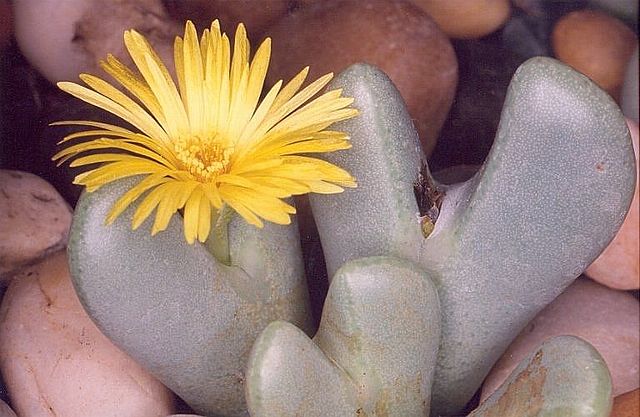
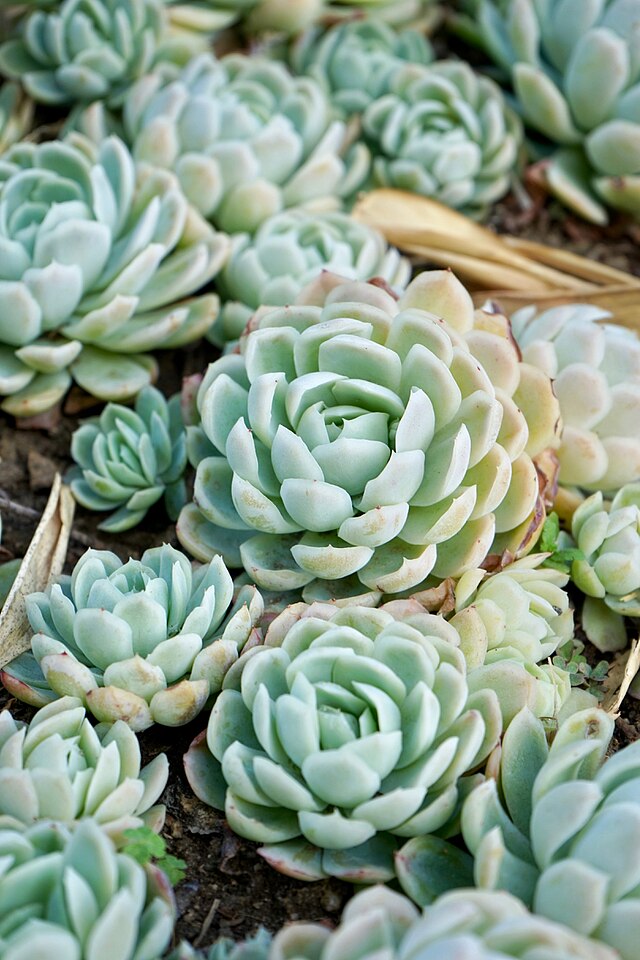
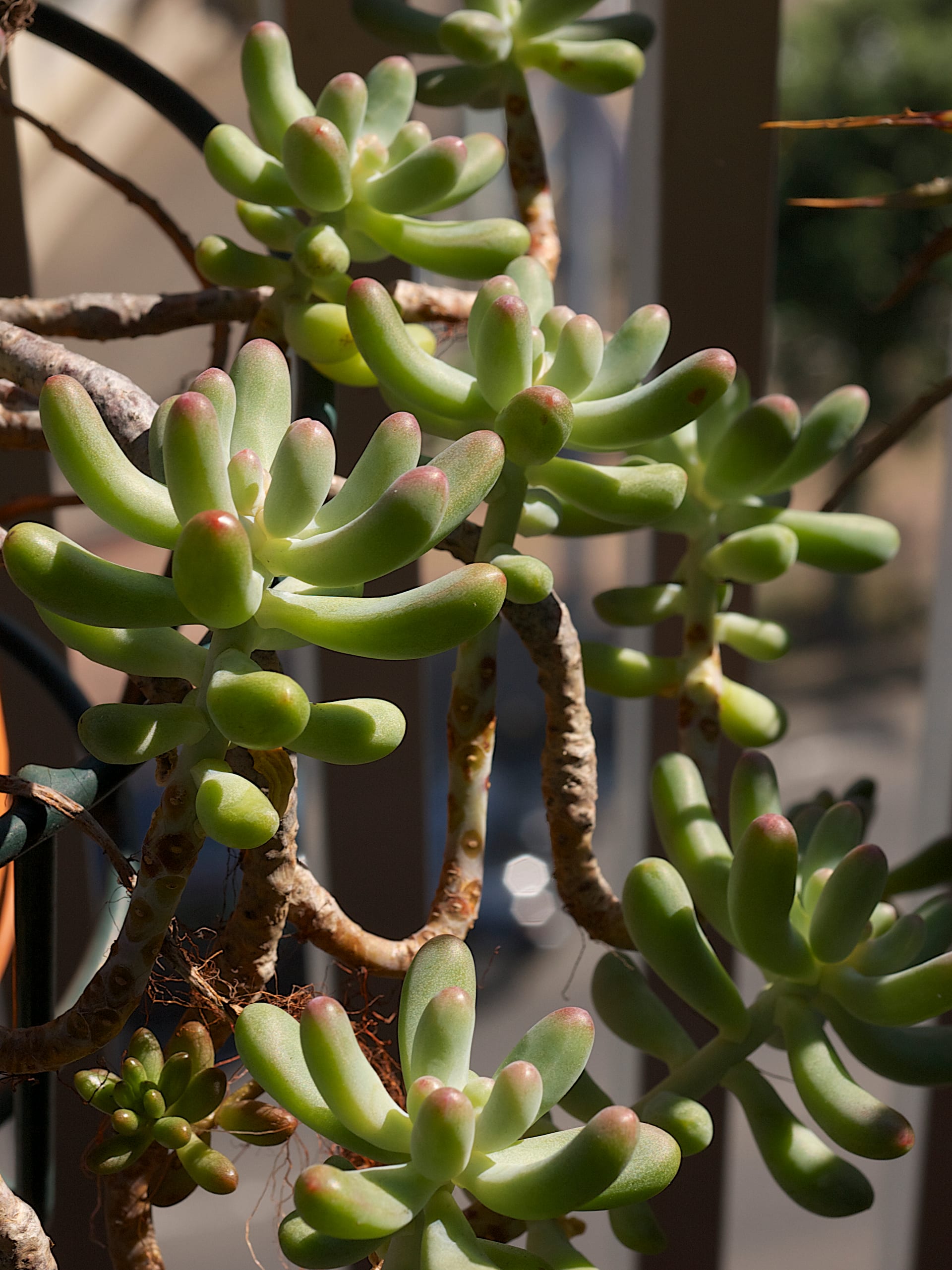
Japan's summer is a harsh season for succulents. Intense direct sunlight causes leaf burn, high heat leads to rot, and sudden downpours create excessive moisture—troubles pile up. By understanding proper shade cloth use and summer care techniques, you can protect your precious collection.
Why Shade Cloth Is Necessary
Most succulents are native to arid regions, but Japan's summer differs significantly not only in being hot but also in high humidity. Conditions of 35°C and 80% humidity are harsh conditions rarely experienced in their native habitats.
Leaf Burn Mechanism Water contained in leaves concentrates heat through a lens effect, causing cells to die and turn white or brown. Particularly when leaves still have water droplets after watering and are exposed to intense light, the risk of leaf burn increases sharply.
Risk of Rot from Heat and Humidity In hot, humid environments, temperatures inside the pot rise and roots are damaged. Black pots in particular absorb heat easily, and temperatures inside the pot can exceed 50°C.
Risk of Sudden Exposure to Intense Light When moving plants to direct outdoor sunlight, the process of gradually acclimating them from shade—called "hardening off"—is essential. Plants newly moved from indoor management outdoors or those just arrived from online orders have particularly low UV tolerance, and placing them directly in intense summer sunlight without shade cloth can lead to rapid leaf burn within days. For newly acquired plants, it is reassuring to first observe them for several days to a week under shade cloth, then gradually increase light exposure.
Types of Shade Cloth and Shading Percentages
Shade cloth varies in characteristics depending on material and color.
How to Choose Shading Percentage
- 22–30% shade: Light shading. Suitable for light-loving varieties and spring/fall use
- 40–50% shade: The most practical shading rate for succulents in general. The foundation of summer care
- 60–70% shade: For leaf-burn-prone varieties such as Haworthia and Echeveria with white powdery coating
- 75% or higher: Too much shade for succulents. Avoid as it causes etiolation
Differences by Color
- Black cloth: High shading effect and inexpensive. However, it absorbs heat easily and the cloth itself gets very hot
- White or silver cloth: Reflects light for excellent heat-blocking effect. Shading rate is modest but keeps temperature rise down. White or silver is recommended for succulents
- Green cloth: Intermediate characteristics between black and white. Blends easily into the landscape
Tips for Installation
To get the maximum effect from shade cloth, there are techniques to the installation method as well.
Maintain Distance from Plants Rather than placing the cloth directly on plants, install it with at least 30 cm of space. Air circulation in this space prevents rot.
Ensure Air Circulation Completely covering all sides prevents wind from flowing through, causing rot. Leave at least two sides open or avoid covering the sides with cloth.
How to Secure Secure the cloth firmly with zip ties or clips so it won't blow away in strong wind. Simple setups using curtain clips and tension rods from dollar stores are also popular.
Caution When Layering Cloth While one approach is to layer cloth with low shading rates to approach the desired percentage, more layers worsen air circulation and increase rot risk. It is recommended to manage by switching to higher-shade cloth only in midsummer or adjusting the number of layers by season, balancing rot prevention and shading.
Shading Guidelines by Variety
The required shading percentage varies by succulent type.
Light-Loving Varieties (approximately 30% shade) Sedum (Rainbow Jade, Maiden Heart), Aeonium, and some Agave species. However, raising to around 40% shade during summer is acceptable.
Standard Shading (40–50%) Most Echeveria, Graptopetalum, Pachyphytum, Crassula, and others. The majority of varieties fall within this range.
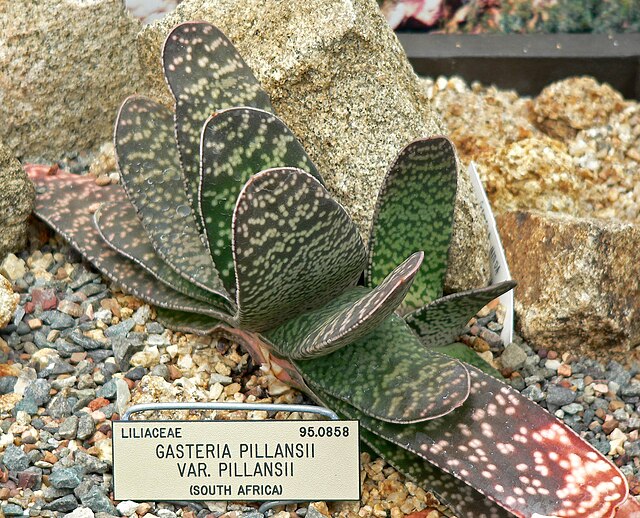
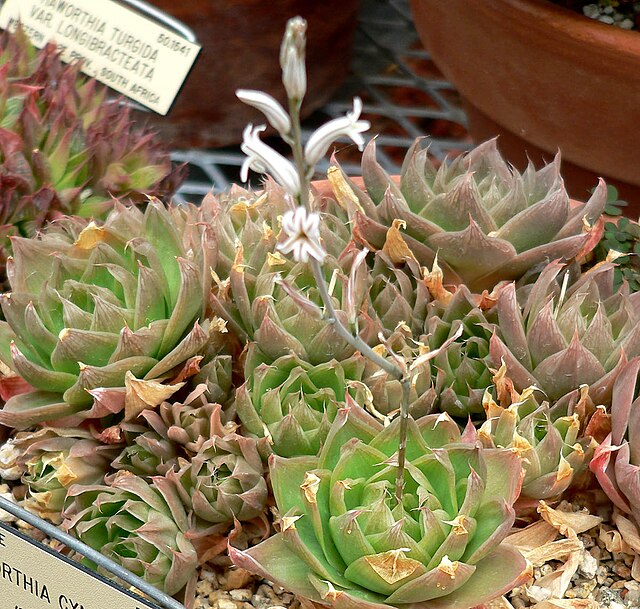
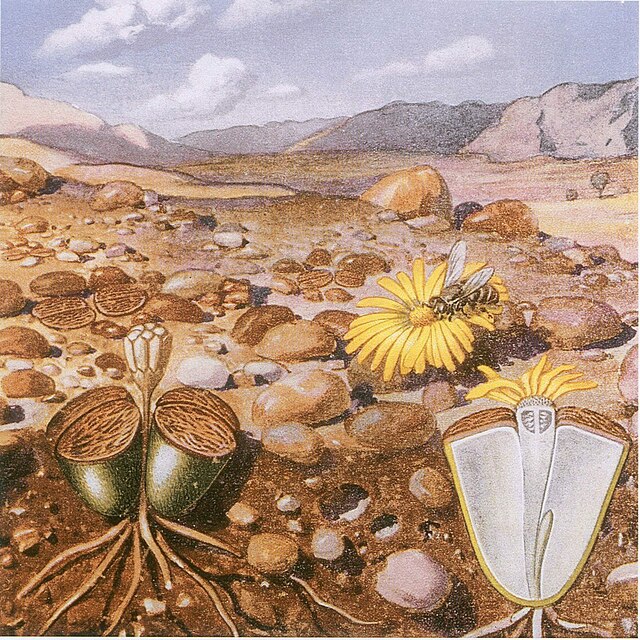
Stronger Shade Required (50–70%) Haworthia, Gasteria, Conophytum, and Lithops. These are varieties that naturally prefer partial shade, so extra care is needed in summer.
Summer Watering Management
Equally important to shading is summer watering.
Timing Water in the evening to night. Watering in the morning causes the pot to become like a steam room during the heat of the day, cooking the roots. Watering in the evening allows roots to absorb water during the cool night.
Frequency and Amount In summer when growth slows, limit watering to about two to three times per month. While some do complete water withholding, there is risk of roots drying out completely, so watering lightly once a month is recommended.
Ensure Air Circulation Air circulation is especially important after watering. Use a fan or circulator to move air and promote drying of the soil.
When to Install and Remove Shade Cloth
Depending on region, shade cloth is typically installed around Golden Week in May and removed from late September to early October. When removing shade cloth, do not remove it all at once; instead, gradually reduce the shading percentage or choose a cloudy day to avoid sudden risk of leaf burn.
Care and Storage of Shade Cloth
Rather than leaving shade cloth unused, regular maintenance keeps it effective longer.
Check for Dirt and Deterioration Leaving soil dust, pollen, dead insects, and other matter on the cloth reduces airflow and causes rot, while also hastening material degradation. After the season, rinse thoroughly, dry completely, and store away from direct sunlight.
Signs It's Time to Replace Shade cloth gradually loses shading performance from continuous UV exposure. If visible tears or significant fading appear, the expected shading percentage may not be achieved, making it time to consider replacement.
Other Summer Care Measures Besides Shade Cloth
Beyond relying solely on shade cloth, adjusting placement and pot management can reduce the difficulty of summer survival.
Choose Placement Strategically Simply moving to a location where strong western sun does not directly hit significantly reduces leaf burn risk. Afternoon western sun tends to stress plants more than morning sun, so choose a location with primarily morning light if possible.
How to Position Pots Placing pots directly on concrete or asphalt increases temperature at the base of plants through glare and ground heat retention. Simply using a slatted base or pot stand to lift the pot slightly above ground can reduce temperature rise around the pot.
Consider Pot Color As mentioned earlier, black pots absorb heat easily, but one option is to use a light-colored pot cover only in summer or use a double-pot setup to reduce direct sunlight exposure to the pot itself.
Frequently Asked Questions
Q. Should I keep the shade cloth on even on cloudy days? A. Since UV rays reach the ground to some degree even on cloudy days, it is generally fine to keep it installed. After prolonged clouds or rain such as during the rainy season, be careful not to suddenly return plants to direct sun without shade when it clears.
Q. Is shade necessary for indoor plants? A. For plants managed near windows, using lace curtains or similar to soften light makes leaf burn prevention easier. Especially with south-facing windows where summer sun is intense, adjusting with the same approach as outdoor shade cloth is effective.
Q. What happens if I forget to remove shade cloth and use it too long? A. If shading percentage remains higher than necessary for an extended period, insufficient light causes etiolation and stem elongation. Once temperatures moderate, it is recommended to gradually remove shade as you observe the weather and plant condition.
Find Heat-Tolerant Varieties on GrowerDirect
The difficulty of summer survival varies greatly by variety. On GrowerDirect, you can consult with growers about information on heat-tolerant varieties. Plants cultivated domestically and acclimated to Japan's climate tend to have higher summer tolerance than imported plants. For those experiencing summer for the first time, starting with hardy varieties is recommended.